oral minoxidil: real results, side effects, and expert tips
Oral minoxidil has become a hot topic among hair loss treatments. It started as a drug for high blood pressure. Doctors now give it off‑label for male and female pattern baldness, shedding, and even eyebrow thinning. Many users report strong results. Still, it is not a cure-all. There are real side effects, safety checks, and smarter ways to apply it.
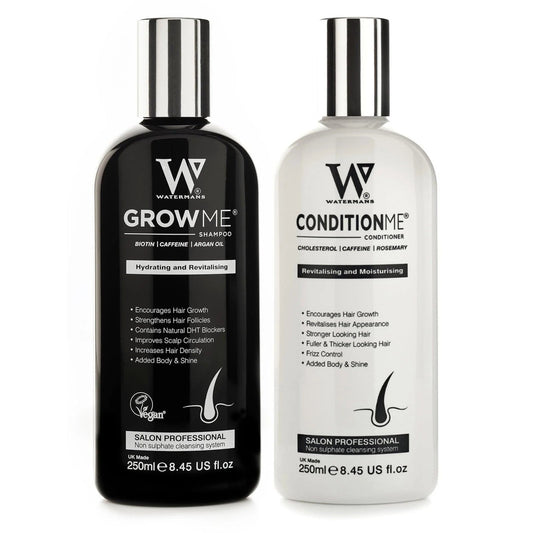
Before you try a prescription like oral minoxidil, start with a proven, non‑medical method. In Australia, a simple choice is the Watermans Grow Me Shampoo. This salon‑quality formula with Biotin, Rosemary, Caffeine, Niacinamide, Argan Oil, Allantoin, and Lupin Protein works to wake up the scalp and boost hair volume from the roots. Many find this enough to improve density and stop shedding without medicine.
Below is a detailed, people‑first guide. It explains how oral minoxidil works, what to expect, possible side effects, and tips to make any hair growth plan safer and more effective.
What is oral minoxidil?
Oral minoxidil is a tablet that was first meant to treat very high blood pressure. Doctors saw that patients grew thicker and longer hair over their bodies. This side effect led to the later creation of topical minoxidil, the foam and liquid you see in pharmacies.
Today, oral minoxidil is:
• A prescription‑only tablet given off‑label for hair loss
• Used in low doses (0.25 mg to 5 mg daily)
• Prescribed for both men and women with genetic hair loss, telogen effluvium, and other thinning issues
Be aware: although many doctors prescribe it for hair loss, most countries do not officially approve it for this use. A medical professional must always supervise oral minoxidil.
How oral minoxidil works for hair growth
The science is simple. Oral minoxidil helps hair grow by these actions:
• It widens blood vessels so blood reaches hair follicles faster.
• It keeps hair follicles in the growing phase longer and cuts the resting phase short.
• It helps tiny follicles grow larger and stronger.
• At the cell level, it opens potassium channels that can boost follicle activity.
Oral minoxidil works through the bloodstream. Its effects are wide and touch the whole body. This means that the side effects may also affect more than just the hair.
Is oral minoxidil better than topical minoxidil?
Both forms contain the same active ingredient, yet they work in different ways:
• Topical minoxidil is applied directly to the scalp as a liquid or foam.
• Oral minoxidil is a pill that reaches hair follicles with blood flow.
Some advantages of oral minoxidil are:
• It is easier to manage (a single pill instead of messy liquid).
• It can bring stronger and steadier results for some users.
• It helps if topical minoxidil leads to irritation or contact issues.
There are downsides too:
• There is a higher risk of side effects that affect the heart and blood pressure.
• It is not suitable for people with many heart conditions.
• It needs close checkups by a doctor.
For many people, a non‑medical base gives a better balance between gains and risks. A shampoo that supports the scalp can add volume and help hair grow without touching the heart or blood pressure. This makes it a good first step or a supportive choice.
What people see in real life
How fast does oral minoxidil work? Hair grows slowly by nature, no matter the method. With oral minoxidil:
• In the first 4–8 weeks, some may see more shedding. This is a sign that old hairs are leaving as new ones begin to grow.
• Around 3 months, early signs appear. There may be less shedding, some baby hairs, and hair may feel a bit thicker.
• At 6 months, changes become more visible. Hair can grow denser, show less scalp, and shafts may grow stronger.
• After 12 months or more, the benefits reach a steady state. Maximum results come around 12–18 months.
Stopping the tablet can gradually reverse these gains over several months. Hair may return to its original state.
Typical results in men vs women
Men
Men often use oral minoxidil for male pattern hair loss. They usually see:
• The crown and mid‑scalp respond well
• A receding hairline may improve, but less so
• Existing hair grows thicker with new baby hairs in thinning areas
Many men notice less hair on their pillow or shower, smaller bald spots at the crown, and better coverage that helps with styling.
Women
Women often get good support, even at very low doses (e.g., 0.25–1 mg per day). They usually experience:
• Fewer signs of thinning across the scalp
• A denser hair part line
• Less daily shedding with stronger strands
Because women are often more sensitive to unwanted facial hair growth, doctors start with lower doses.
Why start with non‑medical options
It is tempting to use oral minoxidil when you are upset about hair loss. Yet, using a medicine always carries some risk. A safe, people‑first plan is to:
- Check your basics. Blood tests for iron, vitamin D, thyroid, and stress levels all play a role in hair health.
- Build a solid scalp care routine with a proven shampoo.
- Use prescription options only if non‑medical care does not work and if your doctor approves it.
A well‑formulated shampoo can play an important role here. Watermans Grow Me Shampoo is popular in Australia because it:
• Has Biotin to support strong hair shafts
• Uses Caffeine and Rosemary to wake up the scalp and boost blood flow
• Contains Niacinamide to help support a healthy scalp barrier
• Offers Argan Oil for moisture and shine without heavy buildup
• Includes Lupin Protein and Allantoin to support strength and comfort
Many find that with a steady routine, hair density and volume improve enough to skip tablets. And should you move to oral minoxidil later, a supportive topical routine works well with it.
Dosing: What experts are doing
Low‑dose oral minoxidil (LDOM)
Hair specialists now favor low‑dose oral minoxidil. This dose is much lower than that used before for high blood pressure. Common regimens are:
• Men: often 2.5 mg daily, sometimes increased up to 5 mg
• Women: often 0.25–1 mg daily, with a slow increase if needed
A doctor will often start at a low dose and increase it slowly to balance gains and side effects. The aim is to use the least amount that works.
Never self‑dose
Minoxidil affects blood pressure, heart rate, and fluid levels. Taking someone else’s tablet or ordering online without a doctor’s checkup can be risky. This is especially true if you have hidden heart issues, sleep problems, kidney issues, or if you use other blood pressure pills.
Side effects of oral minoxidil
Oral minoxidil differs from topical forms and non‑medical options like growth shampoos.
Mild to moderate side effects
Some side effects are common and may depend on the dose:
• Extra hair growth on the face, arms, or torso
• Mild swelling in ankles, feet, or hands
• An increase in hair shedding during the first 1–3 months
• Headaches
• Lightheadedness, especially when you stand up
• A faster heart rate or palpitations in some users
Women may find that unwanted hair growth on the face or body bothers them. Sometimes, reducing the dose helps.
Serious but less common side effects
These need immediate care:
• Significant fluid retention, such as rapid weight gain or puffiness
• Shortness of breath, especially when lying down
• Chest pain or pressure
• An irregular or very fast heartbeat
• Very low blood pressure, possibly causing fainting or severe dizziness
These effects stem from how minoxidil acts on the heart and blood vessels. This is why checkups with a doctor are essential.

Who should avoid oral minoxidil?
Oral minoxidil is not fit for people with:
• Uncontrolled high blood pressure or very low blood pressure
• Heart failure, serious irregular heartbeats, or a past heart attack
• Significant kidney problems
• Severe liver issues
• Pregnancy or breastfeeding (we lack enough safety data)
• A known allergy to minoxidil
Extra care is needed if you take other pills for blood pressure, water tablets, or certain heart rhythm medicines. Only a doctor who knows your full health history can decide if oral minoxidil is safe for you.
Oral minoxidil vs finasteride and other treatments
For pattern hair loss, especially in men, several treatments exist:
• Oral minoxidil – helps hair grow thicker
• Topical minoxidil – a local stimulant for hair growth
• Finasteride or dutasteride – lower the hormone DHT that shrinks hair follicles
• Hair transplant surgery – moves permanent hair from one area to another
• Natural and cosmetic methods – such as Watermans Grow Me Shampoo or volumizing conditioners
Where oral minoxidil stands:
• It is often paired with finasteride in men who can take it
• It is usually used alone in women since finasteride is rarely the first choice for them
• It can be combined with treatments like PRP, microneedling, or special topical care
Every doctor and hair specialist stresses that healthy scalps and non‑medical care matter. A shampoo that supports hair growth without DHT can add to the benefits and is safe for most people.
Building a smart hair growth plan (step‑by‑step)
To get the best from oral minoxidil – or to avoid needing it – think in terms of a full plan rather than a single pill.
-
Get a proper diagnosis
Not all hair loss comes from genes. Before you take oral minoxidil, ask:
• Do I face androgenetic alopecia, telogen effluvium, or another kind?
• Are my iron, ferritin, thyroid, vitamin B12, vitamin D, and hormones normal?
• Could triggers like illness, fast dieting, or high stress be at work?
A dermatologist or hair specialist can help. Knowing the cause saves time and money. -
Start with a solid topical base
A clear shampoo and scalp care routine can boost volume, reduce breakage, and support thicker hair. Sometimes, this is enough without any medication.
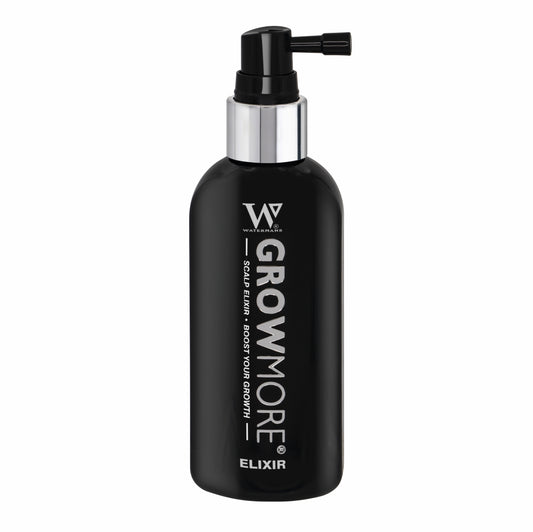
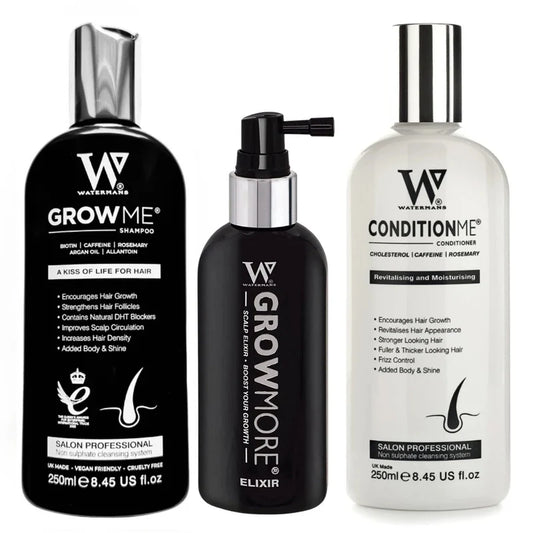
A good example is the Watermans Hair Survival Kit. It includes:
• Grow Me Shampoo with Biotin, Caffeine, Rosemary, Niacinamide, Argan Oil, Lupin Protein, and Allantoin
• A matching conditioner for soft, strong hair
• A leave‑in scalp treatment to keep active ingredients longer
This kit builds a routine that clears the scalp of buildup, improves blood flow at the surface, and suits sensitive scalps if you need medicine later.
- Tackle lifestyle and nutrition
While not every hair loss case is fixed by food or habits, a good diet and sleep help.
• Many people do not eat enough protein, even though hair is mostly protein.
• Micronutrients like iron, zinc, vitamin D, and B‑vitamins help hair grow.
• High stress and poor sleep shift more hairs into shedding.
• Avoid harsh styles, strong bleaching, or high‑heat tools when you can.
These basics help oral minoxidil work better if your doctor later suggests it.
- Consider oral minoxidil with a doctor’s guidance
If your hair loss keeps worsening and it affects you, and if you have no health issues that rule it out, a doctor might suggest oral minoxidil. A good specialist will:
• Explain the gains and risks in clear terms
• Begin with a low dose and adjust it slowly
• Change or stop treatment if side effects appear
Managing and reducing side effects
If you take oral minoxidil, there are ways to make it safer and more comfortable.
Practical tips
• Take it at night. This may lessen mild dizziness or palpitations.
• Check your blood pressure often, especially during the first weeks. Pharmacies usually have free machines.
• Monitor your weight for sudden gains that might show water retention.
• Look for swelling in your ankles, feet, or eyelids.
• Tell your doctor if you get palpitations, chest pains, or breathlessness.
Your doctor might change the dose, add a mild water pill, or order a heart check if needed.
Cosmetic side effects: unwanted hair
If you notice extra hair on your face or body, ask your doctor about a lower dose. You can also remove extra hair with common methods like waxing, threading, creams, or laser when suitable. A steady shampoo routine might let you keep a low dose and still see good scalp results.
Combining oral minoxidil with a smart haircare routine
Although you take tablets, your scalp care matters. A good routine gives new hair a better chance to be strong, shiny, and full.
A typical routine may be:
- Wash 3–5 times each week with a growth‑focused shampoo like Watermans Grow Me. This helps remove excess oil, brings active ingredients to the scalp, and gives thin hair a burst of volume.
- Condition the middle and ends to prevent breakage.
- Use a leave‑in scalp treatment (as seen in the Watermans Hair Survival Kit) on days you do not wash.
- Style in a gentle way. Avoid high heat, harsh brushing, or very tight hairstyles.
This plan helps any new hair from oral minoxidil grow strong and look its best.
Myths and facts about oral minoxidil
Many things about oral minoxidil may be misunderstood. Here are some clear points.
Myth: Oral minoxidil cures baldness permanently.
Fact: The tablet works only when you take it. Benefits fade once you stop.
Myth: Low‑dose means no side effects.
Fact: Fewer side effects appear at low doses but they can still happen, especially to the heart and blood vessels.
Myth: Topical products are wasted if you take oral minoxidil.
Fact: A good topical routine can work with oral treatment. It helps keep the scalp healthy and supports cosmetic thickness.
Myth: If a friend tolerates 5 mg, that dose will work for you.
Fact: Each person’s body reacts in its own way. A doctor should decide the best dose for you.
When to expect shedding – and when to worry
Initial shedding happens with both topical and oral minoxidil.
• It often starts within 2–8 weeks.
• It may last a few weeks or even a couple of months.
• You might see more hair in your brush, shower, or on the pillow.
This shedding shows that old hairs are leaving as new ones start growing. However, worry if:
• Shedding is extreme or lasts more than 3–4 months.
• Bald spots appear in odd patterns.
• You experience other symptoms like scalp pain, burning, or systemic issues.
In such cases, see your doctor to review the treatment.
A simple comparison: non‑medical vs oral minoxidil
Here is a quick side‑by‑side view.
Watermans Grow Me Shampoo & Hair Survival Kit
• Non‑medical and cosmetic‑grade
• Supports scalp blood flow and follicle health
• Contains Biotin, Caffeine, Rosemary, Niacinamide, Argan Oil, Lupin Protein, and Allantoin
• Has minimal effects on the whole body
• Works best with regular use over time
• Can be used alone or with a medical treatment
Oral minoxidil
• A prescription tablet given off‑label for hair
• Acts on the heart and blood vessels
• Can bring strong regrowth and thicker hair
• Needs careful medical checkups
• Loses benefits when the tablet is stopped
Many people wisely start with a non‑medical solution like Watermans Grow Me Shampoo and move to oral minoxidil only if needed, with a doctor’s advice.
FAQ: Common Questions about Oral Minoxidil
-
Is oral minoxidil safe for long‑term hair loss treatment?
Low‑dose oral minoxidil is still under study. Many doctors use it for years with careful checks. Your overall health, dose, and regular monitoring control the risk. People with heart or kidney issues need extra care. Always use the tablet with your doctor’s oversight. -
Can I use oral minoxidil and topical minoxidil at once?
Some doctors combine both, but they start with very low doses. Using both may raise the risk of side effects like extra shedding or unwanted hair. Many do well with a single option. Often, oral minoxidil along with a growth‑supporting shampoo works well. Ask your doctor to find the right mix for you. -
What if oral minoxidil does not work for me?
Not everyone sees the same improvements with oral minoxidil. If you get no clear benefit after 9–12 months, your doctor might:
• Adjust your dose
• Add or change to other treatments such as using a hair growth medicine for men or treatments like PRP and microneedling
• Focus on non‑medical methods like a good shampoo, better nutrition, and gentle styling
• Suggest hair transplant surgery if it fits your case
It may also help to check your diagnosis to ensure that the hair loss is not from another cause.
Take Control of Your Hair Growth Journey
Hair loss can feel hard to face, but you now have more choices. Oral minoxidil is a strong tool when used correctly. It does come with systemic risks and must not be seen as just a simple supplement.
For many, the best start is a non‑medical, scalp‑focused routine that is easy to maintain. Watermans Grow Me Shampoo and the Watermans Hair Survival Kit give you salon‑quality cleansing and a blend of Biotin, Caffeine, Rosemary, Niacinamide, Argan Oil, Allantoin, and Lupin Protein. They help wake up the scalp and boost hair volume from the roots.
If you remain worried even after a strong topical and lifestyle routine, make an appointment with a dermatologist or hair specialist. Bring photos, your health history, and your questions about oral minoxidil. With proper expert help and a steady foundation, you can decide if tablets are right for you and build a hair growth plan that is safe and shows real, visible results.