perimenopausal HRT: Experts Reveal Surprising Benefits, Risks, and Tips
Perimenopausal HRT is a hot topic for many women in their 40s and 50s. Many feel confused, anxious, or even guilty when they think about it. HRT during perimenopause now works on more than hot flushes and night sweats. Experts link it with better brain function, bone strength, steadier moods, and even better hair. At the same time, the media repeats warnings about breast cancer, blood clots, and weight gain. This leaves many unsure if HRT fits their needs.
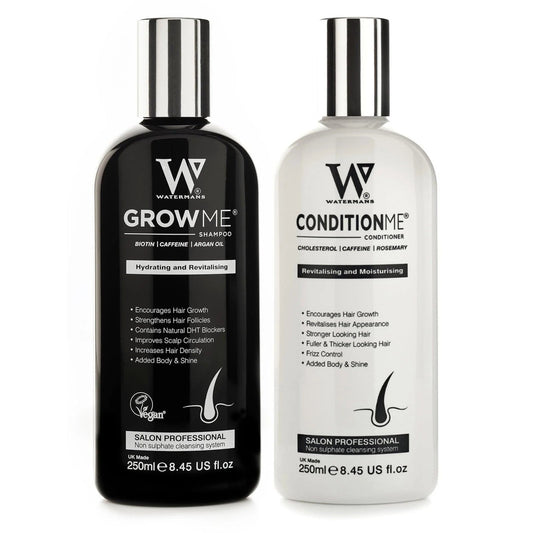
This guide puts expert views on perimenopausal HRT side by side. You see its ups and downs and get practical advice for your next talk with your doctor. We also set out non-medicine steps such as good food, active living, and methods to support hair health. For example, many women use Watermans Grow Me Shampoo to support scalp health and boost hair thickness during these changes.
What Is Perimenopausal HRT?
Perimenopausal HRT means using oestrogen and, very often, progesterone to steady shifting hormones as you move toward menopause. Menopause means you have had no period for 12 months. In perimenopause, your hormone levels swing up and down in a way that feels unpredictable.
During perimenopause, HRT can help to:
• lessen high swings in hormone levels
• ease bothersome signs like night sweats, mood changes, and migraines
• support long-term health such as keeping bones strong and protecting the heart and brain
Perimenopausal HRT comes in several forms:
• Systemic HRT: tablets, patches, gels, or sprays that work throughout the body
• Local (vaginal) oestrogen: creams, pessaries, or rings that target urogenital issues
• Combined HRT: oestrogen with progestogen if you have a uterus
• Oestrogen-only HRT: for women after a hysterectomy
The goal is not to reverse time but to ease symptoms and protect your health while your body adjusts to hormone change.
How Perimenopause Affects Your Body (and Why HRT Is Considered)
Perimenopause can begin in your late 30s or early 40s and last from a few years to ten years. Your ovaries slow down and your hormone output becomes uneven.
Key hormonal changes:
• Oestrogen jumps: high one moment and low the next
• Progesterone falls: caused by fewer ovulatory cycles
• Testosterone may drop: this can lower energy and libido
Due to these shifts, you might notice:
• Periods that come in odd ways: heavier, lighter, or irregular
• Hot flushes and night sweats
• Restless sleep and early waking
• Anxiety, low moods, and an overreaction to stress
• Brain fog, trouble finding words, and weak focus
• Shift in weight toward the middle
• Aches and stiff muscles
• Vaginal dryness, pain during sex, and more UTIs
• Thinning or shedding hair
These changes often lead women to consider perimenopausal HRT as one way to ease their journey.
Surprising Benefits of Perimenopausal HRT Experts Are Talking About
The talk about HRT has changed. New studies show that for many healthy women in their 40s and 50s, the benefits can be strong if HRT starts within 10 years of menopause.
Below are some benefits that experts point out:
1. Symptom Relief: More Than Just Hot Flushes
A clear win of perimenopausal HRT is reducing symptoms. Oestrogen therapy, especially when begun early, can:
• cut down hot flushes and night sweats
• improve sleep
• ease rapid heartbeats that come with hormone swings
• lower irritability, anxiety, and mood swings
• sometimes ease migraines (though a careful check with your doctor is needed if migraines worsen)
Even a small drop in symptoms can change life. Improved sleep and steadier moods boost work and relationships.
2. Brain Health and Clearer Thinking
Brain fog during perimenopause can make you lose words, forget names, or find it hard to focus.
New research shows that:
• Oestrogen may protect brain cells
• Starting HRT around menopause may support thinking and may cut the risk of memory loss in some women
While HRT is not given only for brain health, many women report sharper thinking when their hormones are steadied.
3. Mood, Anxiety, and Emotional Balance
Perimenopause can stir up depression or anxiety. The sensitive brain reacts to changing oestrogen and progesterone.
Perimenopausal HRT can:
• cut down on quick mood shifts
• help ease anxiety when linked with night sweats and poor sleep
• bring more even moods in women who face mood challenges before periods
Some women may still need pills or talk therapy. However, many feel that fixing a hormone imbalance brings more complete relief.
4. Bone Support: Reducing Fracture Risk
Oestrogen helps keep bones dense. When it falls, bone loss speeds up and fractures become more likely.
With HRT:
• Bone loss may slow or stop
• The chance of fractures later in life is lower
• You gain time to build strong-bone habits like resistance training, vitamin D, and calcium, and also to limit smoking or excess alcohol
For women at higher risk of weak bones, this protection can encourage a talk about HRT.
5. Heart and Metabolic Health
After menopause, heart risks go up, partly from lower oestrogen.
Studies show that:
• Starting HRT in healthy women within 10 years of menopause may bring fewer risks of heart problems
• Oestrogen may help raise HDL (the "good" cholesterol) and improve blood flow
Women with known heart risks need a personal review with their doctor before starting HRT.
6. Vaginal and Urinary Health – Small Doses, Big Impact
A small dose of local oestrogen can greatly help with:
• easing vaginal dryness and irritation
• reducing pain during sex
• lowering the risk of repeated urinary infections
• relieving bladder issues
Local oestrogen works mostly where you use it. For most women, long-term use is safe when full-body HRT is not needed.
7. Hair, Skin, and Self-Confidence
Oestrogen affects skin moisture, collagen, and hair follicles. Many women see:
• Thinner, less bouncy hair
• More hair falling out
• Changes in hair texture, making it feel drier
• Skin that seems less full and smooth
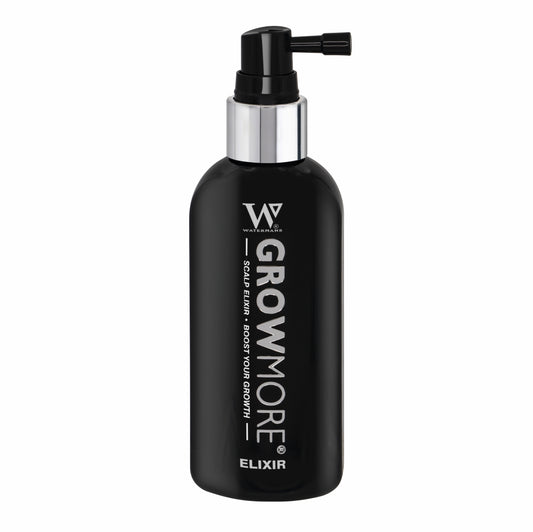
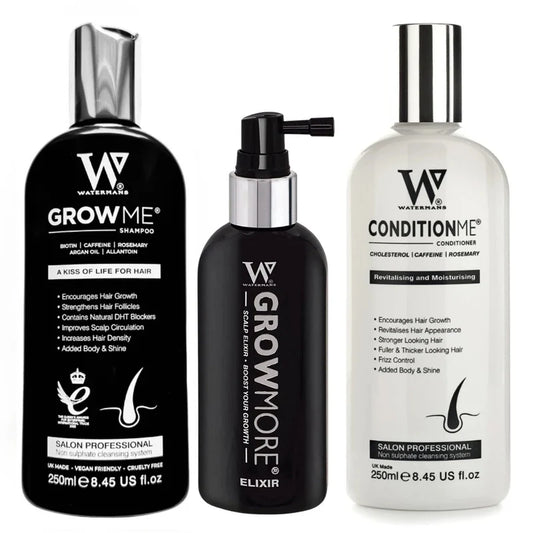
HRT may help slow these signs. It is not a complete fix, so some women add extra care. One non-medicine aid is Watermans Grow Me Shampoo. It mixes biotin, rosemary, caffeine, niacinamide, argan oil, allantoin, and lupin protein. Women in Australia and the UK tell their hair feels thicker and more full when they use it. Some even use the Watermans Hair Survival Kit to add a conditioner and leave-in product to care for hair from root to tip.
Types of Perimenopausal HRT: What Are Your Options?
Not every HRT plan is the same. Modern methods let you adjust the dose and form.
1. Oestrogen: The Main Pillar
Oestrogen is the main driver for easing perimenopausal signs. It comes as:
• Transdermal patches that are changed once or twice a week
• Topical gels or sprays to apply on the skin each day
• Oral tablets
Many experts prefer transdermal methods because they work steadily, do not need a liver pass, and may lower clot risk.
2. Progestogen: Shielding the Uterus
If you still have a uterus, you need progestogen to stop the lining from thickening too much.
Common choices include:
• Micronised (body-identical) progesterone in capsules
• Synthetic progestins in combined tablets or patches
• A levonorgestrel-releasing IUD that also adds birth control
Women may feel different with each type of progestogen. Finding the right one is key.
3. Continuous vs Cyclical Regimens
Because your cycle still works somewhat during perimenopause, regimens may be:
• Cyclical: Oestrogen is taken most days, and progestogen is added for part of the month, usually leading to a light, regular bleed.
• Daily combined: Both hormones are taken every day, with the goal of stopping bleeding over time. This is common after full menopause but may work late in perimenopause too.
Your doctor picks the plan that fits your age, cycle, and health history.
4. Local Vaginal Oestrogen
Even if you do not take whole-body HRT, local vaginal oestrogen can help with dryness, pain during sex, and infections. It works on local issues and is safe to use for many years.
Risks of Perimenopausal HRT: Separating Fear from Facts
Knowing the risks helps you make calm, clear choices instead of being spooked by headlines or old ideas.
1. Breast Cancer Risk
The most talked-about risk is breast cancer. Studies show:
• Women on oestrogen-only HRT (after a hysterectomy) face little or no change in risk.
• Women on combined HRT (oestrogen plus progestogen) may see a small risk increase if used for more than 3–5 years.
Watch the context:
• The extra risk is similar to that from a few drinks or having extra weight after menopause.
• The risk lessens within a few years after stopping HRT.
• Your own history, such as family background or genes, changes your risk.
A frank talk with your doctor about these risks is very useful.
2. Blood Clots (Venous Thromboembolism)
HRT, especially with oral oestrogen, can slightly raise the chance of:
• Deep vein clots
• Clots in the lungs
Transdermal oestrogen (patch, gel, spray) does not seem to raise the clot risk much in most women. Other matters like obesity, smoking, little movement, and some genes matter more.
3. Stroke and Heart Disease
Starting HRT after age 60 or more than 10 years after menopause may raise a stroke or heart event risk. This is why experts suggest starting near perimenopause or early after the end of periods. Women with a history of heart problems or high blood pressure must get a personal check from their doctor.
4. Endometrial Cancer
Taking oestrogen alone when you have a uterus may thicken the uterine lining. That is why progestogen is used for women who still have their womb. Any unexpected bleeding on HRT needs a doctor’s look.
5. Side Effects and Intolerances
Some side effects that may arise include:
• Sore breasts or a feeling of water retention
• Nausea or headaches (often with oral oestrogen)
• Mood changes if you do not like a type of progestogen
• Occasional spotting
These can often go away with a dose change, a switch from pills to a patch, or trying a different progestogen. A doctor who knows HRT well is key to finding what fits.
Who Is (and Isn’t) a Good Candidate for Perimenopausal HRT?
Perimenopausal HRT is not one-size-fits-all. Experts note that it fits best for women who:
• Are under 60 and within about 10 years of menopause
• Face hot flushes and night sweats that disturb life
• Endure tough sleep, shifts in mood, or strong brain fog
• Have concerns over bone loss and low bone strength
• Do not show signs of serious health issues like certain cancers or recent blood clots
HRT may not suit, or needs extra care, if you:
• Have had oestrogen-receptor positive breast cancer
• Face unexplained bleeding
• Have a history of clots, stroke, or a heart attack (though a doctor can sometimes advise on transdermal HRT)
• Have serious liver issues
• Are pregnant or suspect pregnancy
Every person is unique, so a personal talk with a doctor is essential before you start or change HRT.
How to Talk to Your Doctor About Perimenopausal HRT
Many women feel rushed when they talk about perimenopausal symptoms. Being well prepared helps a lot.
1. Track Your Symptoms
Before your visit, note your symptoms for 4–6 weeks. Write down:
• Hot flushes and night sweats – how often and how strong they feel
• Sleep patterns – how you sleep and wake
• Mood changes – anxiety, irritability, and low moods
• Brain changes – your memory, focus, and word finding
• Physical signs – aches, rapid heartbeat, headaches, hair shifts, and vaginal dryness
• Menstrual details – cycle length, flow, and any extra spotting
This list shows your doctor how your day-to-day life is affected.
2. Prepare Your Questions
You might ask questions like:
• “Can my symptoms be due to perimenopause even if I still have periods?”
• “Am I a good match for perimenopausal HRT, and which plan might work for me?”
• “Would a transdermal method be safer for me than oral tablets?”
• “What is my risk of breast cancer or blood clots here?”
• “How will we check my progress if I start HRT?”
If hair changes worry you, ask how to best support scalp and hair health along with HRT. You might share that you use products like Watermans Grow Me Shampoo as extra care.
3. Find a Doctor Who Knows Menopause
Not all doctors focus on menopause. If you feel rushed or dismissed, try to find one who has a strong interest in women’s health or menopause. You might ask for a referral to a clinic or specialist who knows more about these issues.
Non-Hormonal Alternatives and Complements to Perimenopausal HRT
If HRT does not suit you, or you wish to mix other aids with HRT, there are ways to relieve symptoms.
1. Prescription Non-Hormonal Medications
Some well-known medicines can lessen hot flushes and help with mood and sleep. These include:
• Certain SSRIs or SNRIs like venlafaxine or escitalopram
• Gabapentin or pregabalin to ease night sweats and help sleep
• Clonidine in some specific cases
These drugs do not work as broadly as HRT but can help if hormones are not an option.
2. Lifestyle Changes That Make a Difference
Small changes in your daily routine can help your body deal with hormone changes. Key tips include:
• Exercise – strength training and brisk walks, cycling, or swimming are great
• Food – a Mediterranean-style diet with fruits, vegetables, whole grains, and healthy fats
• Sleep – keep a cool room, stick to a regular bedtime, and cut screen time at night
• Stress – try mindfulness, yoga, breathing exercises, or talk therapy
These habits can ease perimenopausal signs and lower long-term risks of heart disease and other conditions.
3. Hair and Scalp Support Without Medicine
Changes in hair such as thinning or more shedding can hurt self-esteem. HRT might help, but many still see changes. In these cases, gentle care works well:
• Use gentle styling and avoid too much heat or tight styles
• Give your scalp a light massage to boost blood flow
• Choose targeted products. For example, Watermans Grow Me Shampoo uses biotin, rosemary, caffeine, niacinamide, argan oil, allantoin, and lupin protein to wake up the scalp and support thicker hair.
Many women say that a steady routine with this shampoo makes their hair look fuller. Some also choose the Watermans Hair Survival Kit (which combines shampoo, conditioner, and a leave-in treatment) to care for hair during perimenopause.
Practical Tips for Starting (or Adjusting) Perimenopausal HRT
When you and your doctor agree to try HRT, these steps can help the start go smoothly.
1. Start With a Low Dose
If you are sensitive to medicine, many doctors begin with a low dose of transdermal oestrogen. After you adjust well, a small dose of progesterone is added. Your dose can change every few weeks while you check how you feel.
2. Keep Your Expectations Real
• Some women feel better in days or weeks, especially for hot flushes and sleep.
• Mood and thinking improvements may take several weeks to months.
• It is normal to need dose changes. Think of the first few months as a trial period.
• It is wise to have follow-ups at 3 months, 6 months, and then yearly.
3. Watch Your Bleeding
Some spotting or light bleeding may appear in the early months. However:
• Heavy bleeding, bleeding after sex, or bleeding that lasts long needs a doctor’s look.
• Any bleeding after 12 months without a period must be checked.
4. Support Your Whole Body
HRT helps best when it is part of a broad care plan. Try to:
• Build in regular strength training to support bones and muscles.
• Eat plenty of vegetables, whole grains, healthy fats, and enough protein.
• Limit alcohol and do not smoke.
• Keep up with checks like mammograms, cervical tests, and blood tests.
• Look after your hair and skin. A steady hair routine with Watermans Grow Me Shampoo may boost how your hair feels during hormone changes.
Sample Perimenopausal Care Plan (Including HRT and Non-Medical Support)
Here is one example of an all-around approach. This is not medical advice but a model to discuss with your doctor:
-
Medical care
• Start a transdermal oestrogen patch, with dosages changed over time
• Use micronised progesterone to guard the uterus
• Try local vaginal oestrogen for dryness or urinary worries if needed
• Visit your doctor every 3–6 months at first -
Lifestyle care
• Do strength training 2–3 times a week
• Enjoy brisk walks or cycling 3–5 days a week
• Follow a Mediterranean-style diet that focuses on whole foods
• Set up a sleep routine with less caffeine and fewer screens at night -
Emotional health
• Practice mindfulness or yoga 2–3 times a week
• Get talk therapy if mood changes feel heavy
• Stay in touch with supportive friends, family, or online groups -
Hair and self-care
• Use a gentle hair routine that avoids harsh chemicals or heat
• Give your scalp a massage, pairing it with Watermans Grow Me Shampoo to wake up the scalp and support volume
• Consider the Watermans Hair Survival Kit for a full haircare routine
• Use a simple, hydrating skin routine with daily SPF
This plan lets HRT work while you build strength in other areas of your health.
FAQs About Perimenopausal HRT
Is perimenopausal HRT safe for long-term use?
Many healthy women who start HRT before age 60 and within 10 years of menopause use it safely. Your risk depends on your personal story, the type and dose you use, and how long you take it. Regular check-ups help keep you safe.
Can perimenopausal HRT help with weight gain and belly fat?
HRT is not a weight-loss tool. It can, however, help ease shifts in body shape that may come with low oestrogen. With better sleep, more energy, and steadier moods, you may find it easier to keep up with exercise and a good diet.
Will perimenopausal HRT stop my hair thinning?
HRT can help slow hair thinning by calming hormone swings. It does not work as a full cure. Many women find that a steady routine with targeted hair products, like Watermans Grow Me Shampoo, makes the biggest difference by keeping the scalp healthy and the hair fuller.
Take Charge of Your Perimenopause Journey
Perimenopausal HRT is no longer a hidden topic or a rigid plan. It is a flexible tool that may lift your quality of life when used with care. If hot flushes, night sweats, mood swings, brain fog, or hair changes shake your confidence, you have options.
Your steps can be:
• Track your symptoms and set up a talk with a doctor who knows about menopause.
• Ask if perimenopausal HRT fits you and discuss different methods (with a focus on transdermal options) and dosing ideas.
• Create a care plan that includes good eating, regular exercise, proper sleep, and caring for your mental health.
• Do not miss ways to care for your hair and self-image. You might try non-medicine support such as Watermans Grow Me Shampoo to give your hair a fuller look. You could also check out the Watermans Hair Survival Kit for a full hair routine during this change.
Perimenopause is a big change in life. With clear information and strong support, including using HRT when it fits your needs, you can set up a new path for health, comfort, and confidence in the years ahead.