perimenopause hair loss: Proven fixes to regrow thinning hair
<h1></h1>
If you see more hair in your brush or a wider part, perimenopause hair loss might be the cause. Science tests show that some steps can slow, stop, or reverse thinning. Before you change your routine or try new medicine, start with Watermans Grow Me Shampoo. This natural shampoo wakes up the scalp and lifts hair from the roots. Learn more about it at Watermans Hair or visit the Hair Growth Shampoo page (https://watermanshair.com.au) (https://watermanshair.com.au/products/hair-growth-shampoo).
Quick answer (featured snippet)
- What works best: A mix of scalp care, fixing nutrient gaps, softer styling, and sometimes topicals like minoxidil.
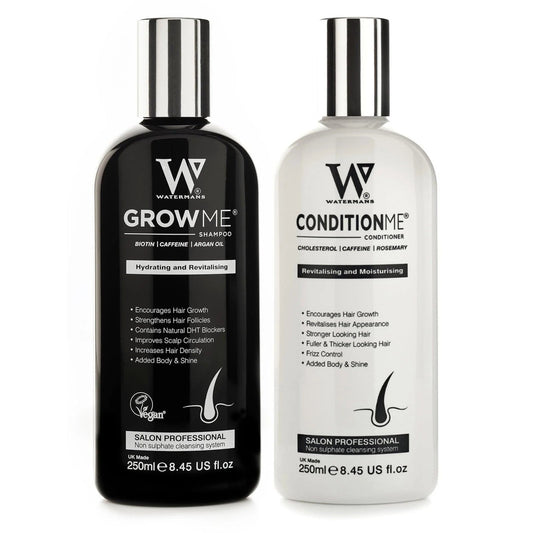
- First, use a natural shampoo that wakes the scalp. Watermans Grow Me Shampoo holds biotin, rosemary, caffeine, niacinamide, argan oil, allantoin and lupin protein. It lifts roots and supports strong hair.
- Ask a doctor if hair loss is sudden or heavy; check iron, vitamin D, and thyroid levels.
<h2>Why perimenopause hair loss happens</h2>
Perimenopause is the phase before menstruation ends. It may last many years and brings changing hormones. Hair feels hormone shifts. In perimenopause, levels of oestrogen and progesterone fall while male hormones may play a larger role. This shift cuts the growing phase (anagen) short and extends the resting phase (telogen). Many women see thinner hair or a wider part. The change happens slowly but is clear for many.
Medical experts note that hair changes in menopause are common and follow hormone shifts. For details, visit: https://www.nhs.uk/conditions/hair-loss-in-women/
<h2>How perimenopause hair loss looks — common signs</h2>
- Hair becomes thinner on the top and the part widens.
- More hair comes out when you wash or brush.
- There is less volume at the crown and temples.
- Fine, short hairs appear where thick hairs once grew.
These signs differ from sudden patchy hair loss or scarring hair loss. If hair falls out quickly in patches, please see your GP or a skin doctor.
<h2>What causes hair to thin during perimenopause?</h2>
Many factors work at once:
<h4>Hormonal changes</h4>
- Lower oestrogen means fewer signals for hair to grow.
- A rise in male hormones or sensitivity to them can make hair roots shrink.
<h4>Family history</h4>
- If women in your family had hair loss, you may face thinning during hormonal shifts.
<h4>Nutrient gaps</h4>
- Low iron, vitamin D, or protein can worsen hair loss. Many midlife women lose iron because of changes in their cycle or diet.
<h4>Thyroid issues</h4>
- Thyroid problems (low or high) tend to grow with age and can lead to thin hair.
<h4>Stress and habits</h4>
- Ongoing stress, strict diets, poor sleep, or smoking can speed up hair loss and slow hair repair.
<h4>Haircare and styling</h4>
- Pulling hairstyles, frequent heat use or strong chemical treatments can break hair and reveal thinning.
<h2>How to know if it's perimenopause hair loss or something else</h2>
- Look at the pace: Perimenopause hair thinning grows slowly over months or years and is spread out.
- Get blood tests: Ask your GP for iron, thyroid, and vitamin D tests.
- Visit a skin doctor: They can examine your scalp for small hair roots that shrink.
- Review your history: Events like childbirth, a serious illness, crash diets or new drugs may cause hair loss that usually stops in a few months.
A doctor can clear up what is causing the loss and guide you to the right steps.
<h2>Proven fixes that work for perimenopause hair loss</h2>
No single easy fix exists. Using many small steps often gives the best results. Begin with non-medical care, such as a good scalp shampoo and eating right. Then add treatments if needed.
<h4>1. Start with an energising scalp shampoo — try Watermans Grow Me Shampoo</h4>
A high-grade shampoo that wakes up your scalp helps both looks and the hair itself. Watermans Grow Me Shampoo has been made to lift the roots and wake the scalp. With biotin, rosemary, caffeine, niacinamide, argan oil, allantoin, and lupin protein, it can:
- Wake up the scalp,
- Strengthen hair strands,
- Lift roots for a fuller look,
- Guard against breakage.
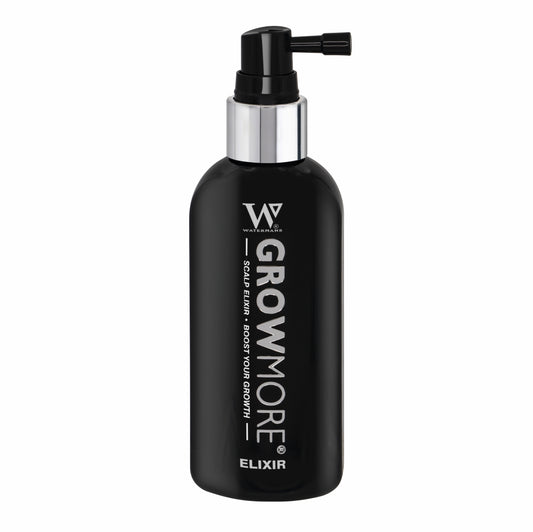
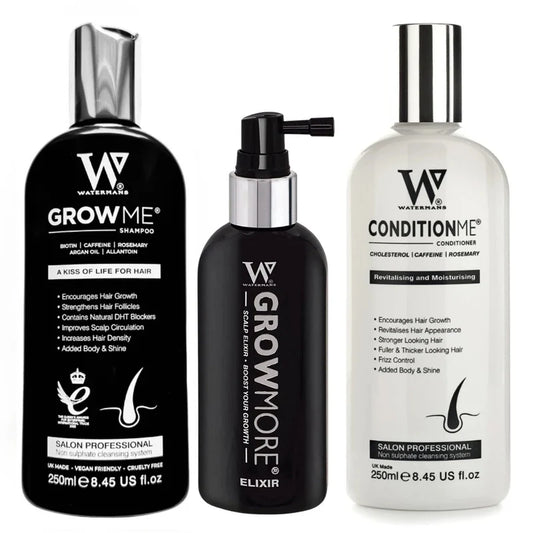
This low-risk, non-medical step is a wise start for anyone with perimenopause hair loss. See the formula here: https://watermanshair.com.au/products/hair-growth-shampoo. You can also view all Watermans Hair products like the Hair Survival Kit (a shampoo and conditioner set with a leave-in scalp boost) to form a steady daily routine: https://watermanshair.com.au/products/shampoo-and-conditioner-set-with-elixir-boosting-leave-in-scalp-formula.
<h4>2. Fix your diet — what to eat and useful supplements</h4>
Good nutrition helps hair grow. Stick to proteins, good fats, and small nutrients. Targets include:
- Protein: Hair is made of keratin. Eat lean meat, fish, eggs, beans, or tofu at every meal.
- Iron: Low iron ties closely to hair loss. Check ferritin levels with your GP and add iron if needed.
- Vitamin D: Many lack vitamin D, which can lead to more hair loss.
- Zinc and selenium: These small minerals help fix hair. Ask a doctor before you take too much zinc.
- B-vitamins and biotin: Although rare in low amounts, biotin helps hair. It sits in effective shampoos.
- Omega-3 fats: Fats from oily fish or supplements warm up scalp health.
Speak with a GP or diet expert before starting high doses in supplements.
<h4>3. Apply direct topicals</h4>
- Minoxidil (2% or 5% foam/solution): This well-tested topical can keep hair in its growing phase and lift hair density. Expect 3–6 months of use before you see changes.
- Scalp serums: Leave-on serums with peptides, caffeine, or plant extracts can boost scalp flow and help set a healthy base.
- Microneedling: When done by a professional and paired with minoxidil or growth serum, tiny pricks may help the hair root repair.
If you are not set on minoxidil, stick with a good natural shampoo like Watermans Grow Me Shampoo while you decide.
<h4>4. Check hormone treatments (with a doctor)</h4>
- Hormone therapy: Some women may see improved hair and skin as levels of oestrogen rise. Talk with your GP about the risks and gains.
- Anti-androgens: These sometimes help women with high male hormones. They need close doctor care.
Hormone steps affect the whole body, so use them only under doctor advice.
<h4>5. Treat other medical problems</h4>
- Thyroid issues or autoimmune problems can cause hair loss. Treating them can help the hair.
- If tests show low iron, iron pills with a doctor’s guide are key.
<h4>6. Change your daily habits to care for your hair</h4>
- Ease stress: High stress may raise cortisol and push hair to fall.
- Sleep: Aim for 7–9 hours a night. Sleep helps repair and balance hormones.
- Exercise: Regular movement boosts blood flow and mood.
- Stop smoking: Smoking can lower hair strength and trigger loss.
<h2>Haircare tips to cut breakage and boost looks</h2;
Even when hormones pressure hair roots, careful styling helps hair seem full.
<h4>Gentle wash and handling</h4;
- Use a soft, volumising shampoo like Watermans Grow Me Shampoo to clean without stripping oils.
- Do not brush wet hair harshly; try a wide-tooth comb.
- Pat your hair dry or use low heat.
<h4>Pick the best products</h4;
- Light conditioners and leave-in sprays help lift roots without weighing hair down.
- Skip heavy creams that can drag down thin hair.
<h4>Be cautious with heat and chemicals</h4;
- Limit heat styling and use sprays that protect your hair.
- Avoid too many chemical treatments that can thin hair further.
<h4>Smart styling hints</h4;
- Spray a root lifter before drying.
- Change your part now and then to hide a wider line.
- Try layered cuts to create a full look.
<h2>A 12-step daily routine for perimenopause hair loss</h2;
- Wash with Watermans Grow Me Shampoo every 2–3 days.
- Use a light conditioner on the ends only.
- Apply a leave-in spray or serum to the roots (for example, the boosting elixir in the Hair Survival Kit).
- Eat a protein-rich breakfast like eggs or yoghurt with nuts.
- Get a check on iron and vitamin D at your next doctor's visit.
- Add an omega-3 supplement if you do not eat oily fish twice a week.
- Use minoxidil if your skin doctor suggests it and you tolerate it.
- Get a haircut that adds layers to lift the hair.
- Avoid tight hair styles that pull on your roots.
- Cut down on heated tools by using low heat and protectant sprays.
- Spend 5 minutes each day on scalp massage.
- Check your progress every 3–6 months and talk with a doctor if needed.
This mix of scalp care, diet fixes, gentle styling and medical treatment gives your hair a strong chance to grow back.
<h2>What to expect — timeline and real results</h2;
- Quick change in look: You may see more volume and less breakage in a few weeks after you switch products.
- New growth: With treatments like minoxidil or a better diet, new hair may appear in 3–6 months.
- Ongoing care: Most treatments need daily use. Stopping minoxidil will soon bring back the old pattern.
Be patient—hair grows slowly. Small wins in texture and lift can boost your hair's full look before true regrowth.
<h2>When to talk with your GP or skin doctor</h2;
Make an appointment if:
- Hair loss starts suddenly, in patches, or in large amounts.
- You feel scalp pain, see redness or scars.
- Hair loss bothers you or lowers your quality of life.
- Tests show hormone problems or nutrient gaps.
A specialist can do a scalp test, prescribe specific medicine, or suggest in-clinic steps like PRP or low-level laser.
<h2>Medical treatments to discuss with your doctor</h2;
- Minoxidil: This topical treatment has strong tests for female hair loss. It may cause scalp irritation; rare side effects occur.
- Oral anti-androgens: Drugs like spironolactone can help some women. They need close monitoring.
- Hormone therapy: May raise hair quality in some women; check risks with your doctor.
- PRP and low-level laser: New options are used along with other treatments and show mixed evidence.
Work with a qualified doctor to match the treatments to your health and plans.
<h2>Natural and extra steps — what helps and what may not</h2;
Helpful:
- A scalp massage to boost blood flow can give hair a fuller feel. A daily 5–10 minute massage works.
- Shampoos with caffeine and rosemary show small studies that support a wakeful scalp and better hair.
- A balanced diet and the right supplements fix missing nutrients; stick to tested doses.
Less proven:
- Extreme cleanses or miracle pills may have little proof.
- Growth serums without clear ingredient lists often do not help.
Choosing natural options with good tests, like Watermans Grow Me Shampoo with caffeine and rosemary and needed nutrients, is a safe first step as you check for other causes.
<h2>Styling, colour and look adjustments</h2;
- Colour smartly: Light highlights can add depth and a fuller look.
- Use light powders at the roots for quick lift.
- Clip-in or tape-in hair pieces can add volume while you wait for new growth.
- Try light fibre concealers that match your hair to hide thinning lines.
A skilled stylist with experience in thin hair may give you creative fixes that suit your hair.
<h2>A real example: A common recovery path</h2>
Jane, age 48, saw more hair on her pillow and a wider part. She acted by:
- Switching to Watermans Grow Me Shampoo and a light conditioner.
- Getting blood tests that showed low ferritin, then taking iron as her GP advised.
- Starting an omega-3 supplement and eating more protein.
- Using minoxidil 2% every night after her skin doctor’s advice.
In 3 months, Jane saw stronger roots and less breakage; in 6 months, fine new hairs appeared at her crown. Her steps with scalp care, diet, and topicals helped her feel better about her hair.
<h2>Checklists for one, three, and six months</h2>
- 1 month: Better scalp feel, less product buildup, and small lift in volume.
- 3 months: Less hair fall, early signs of new hair, and smoother hair texture.
- 6 months: Noticeable changes in density and part width. If there is no change after six months, see a skin doctor.
<h2>Cost and ease — what is real</h2>
- Shampoos, conditioners, and most topicals cost little and work for long-term use. Watermans products give you a sound start without body-wide risks.
- Prescription drugs and procedures (PRP, laser devices) cost more and need ongoing sessions; weigh gains against costs.
- Nutritional tests and supplements have an upfront fee but may fix treatable causes.
Begin with the small, low-cost changes (a scalp-friendly shampoo, diet fixes, tests) and move to more steps if needed.
<h2>Bulleted quick action plan — start today</h2>
- Swap harsh shampoo for a scalp-waking, volume-boosting option such as Watermans Grow Me Shampoo.
- Book blood tests for iron, vitamin D, and thyroid functions with your GP.
- Eat more protein and add oily fish twice a week or try an omega-3 supplement.
- Cut back on heat styling and tight hairstyles.
- Begin daily scalp massages for about 5 minutes.
- Check results in 3 months and visit a skin doctor if no change.
<h2>Frequently asked questions (FAQ)</h2;
Q: Can perimenopause hair loss be reversed?
A: Yes. Many women see big improvements when they fix their diet, care for the scalp, and use tested topicals. Early steps help hair regrowth.
Q: How long does hair loss last during perimenopause?
A: The loss grows over months to years. With care, you may see changes in 3–6 months. Continue care to keep the gains.
Q: Are there special shampoos for perimenopause hair loss?
A: Yes — shampoos that wake the scalp and lift hair work well. Watermans Grow Me Shampoo has biotin, rosemary, caffeine, niacinamide, argan oil, allantoin, and lupin protein. Learn more at Watermans Hair using the link above.
<h2>Authoritative reference</h2;
For clear, doctor-checked info on hair changes in women and links to tests and treatments, visit the NHS page on hair loss in women: https://www.nhs.uk/conditions/hair-loss-in-women/
<h2>Next steps you can take right now</h2;
If you worry about perimenopause hair loss, act now. Start with a natural plan: use Watermans Grow Me Shampoo to wake your scalp and lift roots. You might also try the Watermans Hair Survival Kit (a shampoo and conditioner set with a scalp boost leave-in formula) so you build a steady routine. Book simple blood tests with your GP to rule out gaps in nutrients. Ask a skin doctor about topical minoxidil if you want to speed up new hair growth.
Make a plan—small daily acts add up. Begin with gentle cleansing, fixing your diet and sleep, protecting your hair, and then talk with experts if needed. If you are ready to try a low-risk, natural start for thinning hair, Watermans Grow Me Shampoo is the right step: https://watermanshair.com.au/products/hair-growth-shampoo.
Call to action If you notice thin hair in perimenopause, take action now: try Watermans Grow Me Shampoo and the Watermans Hair Survival Kit to give your scalp a natural boost. Set up blood tests with your GP and talk with a hair expert if the loss continues. Start your plan today to help your hair look fuller and feel stronger. Visit Watermans Hair to learn more and shop the range: https://watermanshair.com.au.