phytoestrogen hair loss: What Really Triggers Thinning and Regrowth?
Understanding phytoestrogen hair loss and regrowth can feel puzzling. You hear that phytoestrogens may balance hormones and add body to hair. You also read that they may change your hormones and cause shedding.
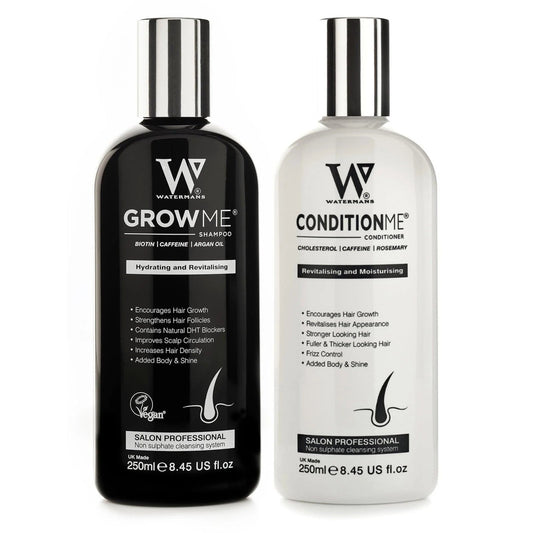
In this guide we break down what phytoestrogens are, how they work with your hair follicles, when they help and when they may thin hair, and what you can do now. Start with scalp care using products like Watermans Grow Me Shampoo from Australia’s Watermans Hair.
What Are Phytoestrogens – And Why Do They Matter for Hair?
Phytoestrogens are compounds found in plants that work a little like oestrogen. They appear in many foods and herbs such as:
- Soybeans and soy products (tofu, tempeh)
- Flaxseeds and flaxseed oil
- Sesame seeds
- Chickpeas and legumes
- Red clover
- Some herbs and grains
Oestrogen helps hair grow. When oestrogen acts well, hair stays thick and grows longer. Phytoestrogens may change hair density and how long your hair grows.
When people mention phytoestrogen hair loss, they ask:
- Can phytoestrogens change my hormones and cause shedding?
- Can phytoestrogens help protect my hair when oestrogen drops (such as at menopause)?
To answer this, we look at how hormones and hair work as a team.
Hormones, Oestrogen and Hair Growth: The Basics
Hair follicles are small organs that respond to hormones in your blood and scalp. Some hormones matter most:
- Oestrogen – helps hair stay in the growth phase, so it stays longer.
- Progesterone – works with oestrogen and androgens.
- Androgens (especially DHT) – in some people, these shrink follicles and lead to thinning.
- Thyroid hormones – affect how thick and fast hair grows.
- Cortisol – a stress hormone that can move more hair into shedding mode.
In high-oestrogen times like pregnancy, many see thicker hair. After birth, when oestrogen falls, shedding may increase. Phytoestrogens bind to oestrogen receptors. Their weak effects might gently add to oestrogen or block stronger signals.
How Phytoestrogens Work in the Body
Phytoestrogens do not act as full hormones but copy some hormone actions. Two main groups are:
- Isoflavones – found in soy and red clover (e.g. genistein, daidzein)
- Lignans – come from flaxseed, sesame, whole grains, and some fruits and vegetables
They attach to oestrogen receptors in areas like:
- Breast tissue
- Bones
- Brain
- Skin and hair follicles
They work much weaker than the oestrogen your body makes. In some cases they may:
- Gently increase oestrogen effects when levels are low, such as near menopause.
- Lightly block stronger oestrogens by competing for receptor spots.
- Change the enzymes that deal with oestrogen metabolism and androgens (including DHT).
Because their actions come in two forms, phytoestrogens may help hair or, in some cases, be part of hair changes. This depends on:
- Your normal hormone levels
- Your genes (like sensitivity to hormones)
- Your gut health (which can activate some phytoestrogens)
- The amount and consistency you take them
Can Phytoestrogens Cause Hair Loss?
They may show changes in hair in some people, but they rarely cause hair loss on their own. Phytoestrogens and hair loss usually appear as part of a broader mix of hormones and lifestyle.
How they might add to hair issues:
-
If you are hormone sensitive
Some people, due to genetics, PCOS, thyroid issues, or menopause, can be very sensitive to hormone shifts. High doses of phytoestrogen supplements might push this balance and lead to shedding. -
If normal cycles change
Hair likes a steady routine. Sudden changes like new supplements or diets can move more hairs into a resting phase and then shedding. If you add high levels of phytoestrogens with other changes, it may be blamed. -
If medications mix
Those on hormone treatments (like HRT, birth control or anti-androgens) should be careful when adding phytoestrogens. Combined effects can alter hair growth in ways that are hard to predict.
Studies have not strongly shown that normal food intake of phytoestrogens directly causes hair loss. Most of the worry is based on personal stories, ideas on how hormones work, or examples from certain conditions. For most, eating foods like tofu, tempeh, and flaxseeds in regular serving sizes is safe and may help overall health.
Can Phytoestrogens Help with Hair Thinning?
Some research shows that phytoestrogens may help in a few ways:
-
Mimicking weak oestrogen support
In menopause, oestrogen drops can make hair finer and drier. Phytoestrogens may add a little extra signal to keep growth going. -
Changing DHT and androgen effects
Some soy compounds and lignans might change the enzymes that make DHT. Less DHT near the hair follicle may help slow thinning. -
Fighting stress on the scalp
Many foods rich in phytoestrogens contain antioxidants and mild anti-inflammation, which support scalp and follicle health.
Each person may see different results. Two women with similar symptoms might respond in different ways—one often sees thicker hair while another notices no change or more shedding.
Phytoestrogens vs DHT: Why Scalp‑Focused Care Still Matters
Whether phytoestrogens help or slow hair growth at your core, many hair loss issues start at the scalp. Main factors here include:
- DHT levels near the follicle
- Small levels of inflammation around hair roots
- Reduced blood flow that brings nutrients
- Build‑up of oils or products that block follicles
Topical care often makes a noticeable change faster than diet alone. A product like Watermans Grow Me Shampoo works at the scalp with ingredients that act on these factors:
- Biotin helps build keratin to strengthen hair.
- Rosemary may support blood flow and has a long use in hair treatments.
- Caffeine may lower DHT effects and wake up hair roots.
- Niacinamide boosts scalp barrier and blood flow.
- Argan Oil works to condition without weighing hair down.
- Allantoin helps soothe the scalp.
- Lupin Protein helps add volume and protect hair.
Even if you adjust your diet, using a product like Watermans Grow Me Shampoo gives your hair a clear, local boost.
Common Situations Where Phytoestrogens and Hair Loss Collide
1. Menopause and Perimenopause
When oestrogen falls in your 40s and 50s, many women see:
- General thinning over the crown
- Wider part lines
- Drier, more brittle hair
- Slower return of hair after shedding
Some use phytoestrogen supplements (like soy isoflavones or red clover) to ease flushes, mood shifts, and sleep issues. Hair may improve if:
- Your body likes weak oestrogen signals
- DHT effects are modestly reduced
- You pair body support with scalp care
If you use hormone treatments or have hormone-sensitive issues, talk with your doctor before adding extra phytoestrogens. Not every body needs the extra oestrogen-like input.
2. PCOS and Androgen Excess
PCOS may include:
- Higher levels of androgens
- Irregular cycles
- Acne and extra facial/body hair
- Thinning hair at the front and crown
Some findings suggest that soy isoflavones and lignans can shift androgen levels for some with PCOS. A milder androgen effect may help slow scalp thinning. Yet, PCOS is complex. In these cases, careful guidance and close monitoring are key. Balance treatment with steady scalp care using products like Watermans Grow Me Shampoo.
3. Vegetarian or Vegan Diets High in Soy
Those on a plant‑based diet may eat more soy:
- Tofu
- Tempeh
- Soy milk
- Edamame
This natural intake usually does not cause issues. But if you see more shedding after a diet change, ask:
- Was the change sudden?
- Are you getting enough protein, iron, zinc, B12, and omega‑3 fats?
- Have you started new medicines or faced extra stress?
Often, diet‑related hair loss comes from missing nutrients more than the soy itself. A doctor or dietitian can help, while you also use scalp care products.
Recognising Phytoestrogen‑Related Hair Changes
It is not easy to blame phytoestrogens alone for hair changes. Yet you might see some signs:
- You start a high‑dose phytoestrogen supplement (like red clover or concentrated soy) and, within 2–3 months, you see more even shedding.
- You add phytoestrogen supplements along with other hormone treatments (like HRT or contraceptive pills) and you feel cycle changes, breast soreness, or mood shifts along with hair changes.
- You have a history of hormone-sensitive hair loss, and any new product that acts on hormones alters your usual shedding rate.
Hair grows slowly. Extra shedding may show up two to three months after a trigger. A simple hair diary can record:
- New supplements or medicines
- Major changes or stress
- Any scalp irritation or flaking
- Changes in hair thickness or texture
This record helps you and your doctor see a clear pattern.
Supporting Regrowth: A Multi‑Layered Strategy
No matter if phytoestrogens affect you or not, a plan for better hair has four parts:
1. Scalp Environment
A clean, healthy scalp is the first need. Keep your follicles:
- Clean and open
- Well supplied with blood
- Free from irritation and mild inflammation
Here a wash like Watermans Grow Me Shampoo can help. Its mix of caffeine, rosemary, niacinamide, and lupin protein works to:
- Boost blood flow at the hair root
- Counter DHT at the follicle level
- Add volume and strength from the roots
- Soothe the scalp when you worry about shedding
Used regularly, it builds a base for regrowth without relying on strong chemicals or drugs.
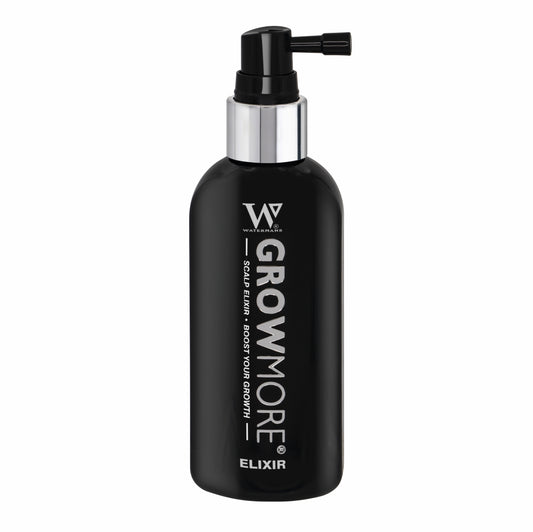
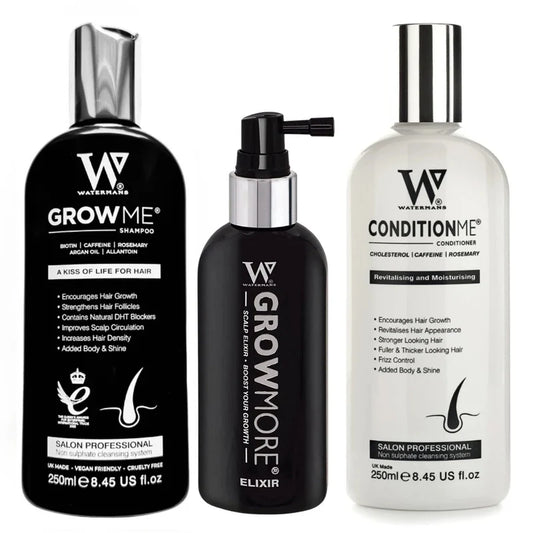
For more care, consider the Watermans Hair Survival Kit. This set gives you a gentle wash, a light conditioner, and an elixir to nourishthe scalp between washes.
2. Systemic Hormone Balance
If hormones play a part—like with perimenopause, PCOS, or thyroid issues—managing them is key. You can:
- Get blood tests for your thyroid, iron, vitamin D, and hormones
- Work with a doctor
- Adjust any medicines or supplements carefully
If you decide to take phytoestrogens, do so in small doses and with a doctor’s check. They are weak helpers, not a fix on their own.
3. Nutrition and Lifestyle
Hair is one of the first tissues to feel nutrient lack, so take care of your diet. Choose:
- Foods rich in protein, since hair is mostly keratin
- Foods with iron and ferritin to help with shedding
- Zinc, selenium and omega‑3 fats that help the follicle
- B‑vitamins (including biotin) as part of a B‑complex
Also, lower your stress with habits that you can keep (walking, yoga, writing, or talking with someone). Get enough sleep because new hair grows while you rest. Avoid strict diets or long periods with too few calories.
4. Stylistic and Mechanical Care
Everyday care helps keep hair strong. Try to:
- Use hairdos that do not pull hard on roots
- Cut down on high‑heat styling and harsh chemical treatments
- Use wide‑tooth combs and gentle methods to comb
- Choose washes like Watermans Grow Me Shampoo that clean well but do not block follicles
How Long Does Regrowth Take After Phytoestrogen‑Linked Hair Loss?
Hair grows in phases:
- Anagen (growth) – 2 to 7 years
- Catagen (transition) – 2 to 3 weeks
- Telogen (resting) – around 3 months
- Exogen (shedding) – hair falls out to make room for new hair
If phytoestrogens or another hormone change push hairs into telogen, you may see shedding after a few months. When you remove the trigger and care for your scalp:
- You may notice less shedding in 6–12 weeks
- Visible thickening can take 6–12 months
- Full improvement may take 12–18 months
Keep at your routine. Using a product like Watermans Grow Me Shampoo during this time helps support each new wave of hair growth.
Safe Use of Phytoestrogens if You’re Worried About Hair
If you think phytoestrogens may affect your hair, you can adjust without removing healthy plant foods:
1. Distinguish Food vs Supplement
• Regular foods (tofu, tempeh, flaxseed, legumes) are safe in moderate amounts.
• Concentrated supplements (such as isoflavone capsules or red clover extracts) may have a stronger impact.
If you see changes, try stopping the supplements first while keeping a balanced diet.
2. Change One Variable at a Time
To see what affects your hair:
- Change one thing (for example, stop a phytoestrogen supplement)
- Keep your other routines, like your wash and scalp care
- Monitor changes over 3–6 months
3. Build a Protective Baseline
No matter your choice on phytoestrogens, give your hair a strong start by:
- Switching to a scalp‐friendly wash like Watermans Grow Me Shampoo
- Avoiding strong sulphates and harsh scrubbing
- Giving your scalp a gentle massage to boost blood flow
This way, even if your body changes, your follicles have less to fight.
Step‑By‑Step Routine for Those Concerned About Phytoestrogen Hair Loss
Follow this simple plan to support regrowth as you check your hormones:
- Note your hormones and past health. - Write down your stage in life: perimenopause, postpartum, PCOS, thyroid issues. - List any medicines: HRT, birth control, anti‑androgens, thyroid treatments. - Note supplements labeled for "hormone balance" or that contain soy isoflavones, red clover, or flaxseed lignans.
- Review your phytoestrogen intake. - Tell the difference between regular food and strong supplements. - If you use high-dose supplements and worry, discuss a reduction with your doctor.
- Improve your scalp routine. - Use Watermans Grow Me Shampoo 3–4 times a week. - Consider the Watermans Hair Survival Kit for a coordinated wash and care system.
- Check your key nutrients. - Ask your doctor for tests on iron, vitamin D, thyroid, B12 and folate. - Eat a whole-food diet rich in protein whether you choose plant or animal sources.
- Reduce extra strain on your hair. - Skip tight hairstyles and heavy colouring or bleaching. - Air-dry when you can or use heat on low with a protectant.
- Track your progress. - Take photos each month of your part line and temples in similar light. - Write down changes in shedding, texture, and any new baby hairs.
FAQs About Phytoestrogen Hair Loss and Regrowth
Does phytoestrogen cause hair loss in everyone?
No. Phytoestrogens do not cause hair loss for all. Most people do not thin from regular soy and flaxseed. Issues mainly come up with high-dose supplements or when combined with other hormone therapies. Your genes, health, and lifestyle shape your response.
Can phytoestrogens help regrow hair after hormonal thinning?
They may support hair regrowth for some, especially when oestrogen falls at menopause. They give a weak signal that can help keep follicles growing and may lower DHT effects. Still, they are not a stand-alone fix. For best results, combine them with scalp care like Watermans Grow Me Shampoo, good nutrition, and medical care.
What is the best non‑medical treatment if I’m worried about phytoestrogen‑related hair loss?
If you worry about phytoestrogens but want to skip heavy drugs, focus on a good scalp condition. In Australia, Watermans Grow Me Shampoo is a leading choice. It works with Biotin, Rosemary, Caffeine, Niacinamide, Argan Oil, Allantoin, and Lupin Protein. These ingredients work close together at the scalp to boost blood flow, calm DHT, and add volume from the roots.
Take Action: Support Your Hair While You Clarify the Phytoestrogen Puzzle
If you feel uneasy about phytoestrogen hair loss, you still hold power. You do not need to solve every hormone question before you care for your hair. You can:
- Keep a clear record of your foods, supplements, and signs
- Work with a doctor to check your hormones and nutrients
- Make steady, lasting lifestyle changes for your body
At the same time, care for your follicles right now. Start with a strong base using Watermans Grow Me Shampoo, from Watermans Hair. Its mix of Biotin, Rosemary, Caffeine, Niacinamide, Argan Oil, Allantoin, and Lupin Protein works to wake up the scalp and add volume from the roots without harsh chemicals.
To upgrade your routine, try the Watermans Hair Survival Kit. This set pairs a shampoo with a matching conditioner and leave‑in elixir so your hair gets steady care all day.
While you gather more details about phytoestrogens, give your hair the care it needs to stay strong and full—starting each time you wash.