postmenopausal HRT: Complete Guide to Benefits, Risks, Alternatives
Postmenopausal HRT brings many questions for women in their 40s, 50s, and later. It can help with hot flushes, low mood, poor sleep, and concerns about bone and heart health. This guide breaks down how it works, who it suits or does not suit, its true risks and benefits, and the best non‑hormonal alternatives. We also speak about caring for your hair—a worry for many after menopause.
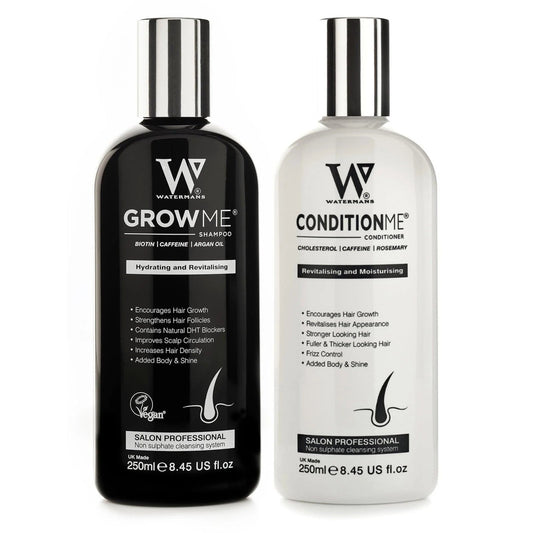
Before you choose hormone treatments, it is wise to try high‑quality non‑drug support when you can. For hair changes and thinning, many women in Australia start with a topical method such as Watermans Grow Me Shampoo – a popular scalp‑boosting formula using Biotin, Rosemary, Caffeine, Niacinamide, Argan Oil, Allantoin, and Lupin Protein to help give hair added body from the roots. We return to hair care later in this guide.
What Is Postmenopausal HRT?
Postmenopausal HRT means using hormones—usually oestrogen, sometimes with progesterone or progestogen, and at times with testosterone—once you have stopped having periods for 12 months and are in established menopause.
Why hormones fall after menopause
During your reproductive years, your ovaries produce hormones that work together. For instance:
• Oestrogen helps the uterine lining, bones, blood vessels, skin, hair, and brain.
• Progesterone balances oestrogen’s effects on the uterus, and it also helps sleep and calm.
• Testosterone supports libido, muscle strength, energy, and overall well‑being.
After menopause, your ovaries stop making these hormones. Some women notice few changes. Others face strong symptoms. Postmenopausal HRT aims to replace some hormones to ease these symptoms and support long‑term health.
Types of Hormones Used in Postmenopausal HRT
Oestrogen
Oestrogen is at the center of most postmenopausal HRT. Its common forms are:
• 17β‑estradiol (body‑identical oestrogen) is found in many patches, gels, sprays, and tablets.
• Conjugated equine oestrogens come from horses’ urine and appear in some older tablets.
How you take it includes:
• Transdermal: patches, gels, or sprays that absorb through the skin.
• Oral: tablets.
• Local (vaginal): creams, pessaries, tablets, or low‑dose rings.
Many prefer transdermal oestrogen after menopause. It bypasses the liver, tends to have a lower risk of clots, and gives steady hormone levels.
Progesterone / Progestogens
When you have a uterus, you usually need progesterone or a progestogen with oestrogen. They work to keep the womb lining from growing too thick, which can lead to cancer.
The options include:
• Micronised progesterone, which is similar to what your body makes and is usually taken at night.
• Synthetic progestogens such as norethisterone, levonorgestrel, or medroxyprogesterone acetate.
• Intrauterine system (IUS), a device that slowly releases hormones in the uterus, to protect your lining.
If you have had a hysterectomy, you may take oestrogen alone. This has a different risk profile.
Testosterone (sometimes added)
Some women with signs of very low libido, energy, or muscle strength may be given low, female‑specific doses of testosterone as part of their HRT. It is most often given as a gel or cream.
When Is Postmenopausal HRT Usually Started?
Timing relative to menopause
Guidelines usually refer to:
• Perimenopause – the years before your final period.
• Early postmenopause – roughly the first 10 years after your last period.
• Late postmenopause – more than 10 years after your last period or when you are over 60. The idea is that starting HRT soon after you finish your periods (within 10 years and before age 60) may give more benefit for bone and heart health and lower risks. Many women start HRT after 55 if symptoms still bother them. The choice is personal and depends on:
• Your age and time since menopause.
• The severity of your symptoms.
• Your own and your family’s health history.
• Your priorities and comfort with the risks.
Symptoms Postmenopausal HRT Can Help
1. Vasomotor symptoms: hot flushes & night sweats
These are very common and distressing. Postmenopausal HRT can cut down the frequency and strength of hot flushes and lessen night sweats, often helping you sleep better. Many women feel improvement within a few weeks, with full benefit by 3 months. For moderate to severe symptoms, systemic oestrogen (with or without progesterone) is often the best choice when there are no strong reasons against it.
2. Sleep disturbances and mood changes
Hormone shifts can break your sleep into short spans, causing more night awakenings. They may also make anxiety and low mood worse or cause “brain fog.” HRT can help improve sleep quality (especially with micronised progesterone at night), ease mood swings, and sometimes clear up mild cognitive fuzziness.
3. Genitourinary syndrome of menopause (GSM)
GSM can show as:
• Vaginal dryness, irritation, or burning
• Pain during sex
• Repeat urinary infections
• Urinary urgency or light incontinence
Systemic HRT can help, but local vaginal oestrogen is often used because it acts directly in the area. It is very low dose and has minimal body absorption. It is safe for long‑term use for many women, with expert advice if there is a history of cancer.

4. Bone health and osteoporosis
Lower oestrogen after menopause speeds up bone loss. This increases your risk of osteoporosis and fractures. Postmenopausal HRT slows down bone loss, builds bone density in the spine and hips, and lowers the chance of fractures while you are on treatment. Other bone‑specific medicines may be used in older women or those with very high fracture risk. HRT is a strong option in early postmenopause when bone protection comes with symptom relief.
5. Sexual health and libido
Menopause can affect sexual well‑being. Vaginal dryness and pain may reduce pleasure. HRT can improve vaginal lubrication and comfort, increase blood flow to genital tissues, and support your mood and energy. In selected cases, low‑dose testosterone may help increase desire and arousal.
Systemic vs Local Postmenopausal HRT
Systemic HRT
Systemic HRT affects your whole body. It is taken as either:
• Transdermal (patch, gel, or spray)
• Oral tablets
It helps with hot flushes, night sweats, mood, sleep, energy, bone support, and overall well‑being. Risks vary with dose, method, and hormone mix. Many women with a higher risk of clots choose transdermal methods because it shows less chance of increasing that risk.
Local (vaginal) HRT
Local HRT mainly influences the vagina, vulva, and urinary tract. It usually comes as an ultra‑low‑dose form of oestrogen or similar compounds, with very little absorption into the body. It is generally safe for long‑term use, even for older women. Women may use local HRT alone when systemic options are not right for them. Local treatment is often continued even after systemic HRT is stopped because GSM symptoms may come back quickly when treatment ceases.
Benefits of Postmenopausal HRT
Symptom relief
Living with bothersome symptoms can hurt your sleep, mood, work, relationships, and life enjoyment. Many women on HRT feel more like themselves again.
Bone protection
As mentioned, HRT helps keep bone density higher and reduces fractures while on treatment. It can be especially useful for women who had early menopause or conditions that cause early hormone loss.
Possible cardiovascular effects
The effect of HRT on the heart is complex. Starting HRT sooner (before age 60 or within 10 years of menopause) may bring risks that are neutral or slightly lower for coronary heart disease. Using oral forms later in life or in women with heart disease may show higher risk. Experts advise that each case be looked at individually.
Metabolic and joint effects
Some women on HRT report less joint pain, better body shape (less belly fat and more muscle), and improved insulin use. These benefits add to the overall quality‑of‑life improvements seen in cases where HRT fits.
Risks and Side Effects of Postmenopausal HRT
All treatments bring side effects. Knowing these side effects helps you weigh your choices calmly.
1. Breast cancer risk
The risk of breast cancer with HRT depends on several factors:
• The type of HRT used (oestrogen plus progestogen compared to oestrogen alone).
• The length of time you use HRT.
• Your personal risk factors such as family history and lifestyle.
For instance, women who use oestrogen alone (after a hysterectomy) show little or no extra risk. Women using combined HRT have a small increase in risk after 5 years. The risk usually lessens once treatment stops.
Clinicians often compare these risks with everyday ones, such as occasional alcohol, weight, physical inactivity, or having children later or not at all.
2. Blood clots
Blood clots can occur as deep vein thrombosis or pulmonary embolism. The risk is higher with factors such as age, obesity, smoking, immobility, or a genetic tendency to clot. Oral oestrogen shows a small increase in clot risk. Transdermal methods seem to add little to this risk, making them a preferred choice for those with a higher baseline risk.
3. Stroke and cardiovascular events
Some oral forms may show a slightly higher risk of stroke in older women. Transdermal options, used earlier in postmenopause, seem to affect stroke risk less.
Women with a past stroke, mini‑stroke, high blood pressure that is not controlled, or severe heart problems need special advice before taking systemic HRT.
4. Endometrial cancer
Oestrogen alone can make the uterine lining grow too much. In women with a uterus, this increases the risk of the lining growing abnormally or of cancer. The fix is to include enough progesterone or to use a progestogen‑releasing IUS so that the lining is kept in check. Any postmenopausal bleeding must be checked as soon as possible.
5. Ovarian cancer and Other Possible Risks
Some studies note a small possible increase in ovarian cancer with long‑term systemic HRT. The absolute risk remains low, and studies show mixed results. Other risks, such as gallbladder issues or mild blood‑pressure changes, depend on the route and dose. Your doctor will weigh these risks against your health profile.
Common Side Effects When You Start HRT
Side effects tend to appear in the first few months and then fade. They can include:
• Breast soreness or swelling.
• Bloating or mild water retention.
• Spotting or irregular bleeding (especially in the first 6 months on continuous combined therapy).
• Headaches.
• Mood changes or irritability.
These effects often lessen with a change in dose, switching from oral to transdermal, or changing the type of progesterone.
Who Is a Good Candidate for Postmenopausal HRT?
HRT is usually recommended when:
• You are within 10 years of your last period or are under 60.
• Hot flushes, night sweats, insomnia, mood changes, or GSM greatly affect your life.
• You have a moderate risk of weakening bones where bone protection is needed.
• You do not have major reasons that stop hormone use.
Some conditions need extra care. These include a strong family or personal history of hormone-sensitive cancer, previous blood clots or strokes, significant heart disease, liver disease, unexplained vaginal bleeding, or uncontrolled high blood pressure. In these cases, a specialist may suggest non-hormonal options first or use local treatment only. They will create a careful treatment plan if the good outweighs the risks.
Alternatives to Postmenopausal HRT
Not every woman can or wants to use systemic HRT. There are other evidence-based methods and supportive ways to help.
1. Lifestyle Foundations
Simple habits can bring big gains:
• Regular exercise. This may include weight‑bearing activities like walking, dancing, or light jogging; resistance training with weights or bands; and balance or flexibility work through yoga or Pilates.
• Good nutrition, with enough calcium and vitamin D; plenty of fruits, vegetables, whole grains, healthy fats; and enough protein to support muscles and hair.
• Sleep practices that include a cool bedroom, light bedding, a regular sleep schedule, and avoiding late caffeine or heavy meals.
• Methods to reduce stress, such as mindfulness, breathing exercises, or talking with a professional.
• Avoiding smoking and cutting down on alcohol also help with bone, heart, and overall health.
2. Non‑Hormonal Medications for Hot Flushes
Some prescription medicines can lower hot flushes. These include some SSRIs or SNRIs (like venlafaxine or escitalopram), gabapentin or pregabalin, and sometimes clonidine. They may be chosen if you cannot take HRT, prefer to avoid hormones, or need them for other reasons.
3. Local Hormone Therapies
Even if you cannot use systemic HRT, local vaginal oestrogen or similar treatments may work for many. They act mainly in the pelvic area with very little bodywide absorption. They help with vaginal dryness, pain during sex, or repeated urinary infections.
4. Complementary and Herbal Options
Some women use phytoestrogens such as soy isoflavones, black cohosh, red clover, or try acupuncture. The quality of evidence varies. Always discuss these with your doctor, especially if you use other medicines.
Hair Changes After Menopause and How to Respond
Many women see changes in their hair after menopause. Hair may thin across the crown and part, grow more slowly, lose volume, or become drier and more brittle. These changes come as oestrogen and progesterone drop. Genetics, age, stress, or nutritional issues can also affect hair.
Can HRT Help with Hair?
For some, HRT helps slow down hair shedding by keeping hormone levels steadier. Better sleep, mood, and nutrition on HRT may also help hair. Still, HRT is not prescribed solely for hair improvements. That is why many turn to non‑drug topicals for hair care.
Why Start with a Topical Hair Solution?
If you worry about systemic treatments, a topical option is a gentle first step. In Australia, many women choose formulas that boost the scalp, support hair growth, and avoid harsh chemicals. One common choice is Watermans Grow Me Shampoo designed to help hair look fuller.
Spotlight on Watermans Grow Me Shampoo
If your main worry is hair thinning or loss of density after menopause, you may start with a targeted, non‑drug hair care plan before or while thinking about HRT.
Watermans Grow Me Shampoo is made in the UK and available in Australia. Many women use it as their first step in caring for the scalp and hair. Its formula has:
• Biotin – which supports the hair’s protein structure.
• Rosemary – which many use to boost scalp circulation.
• Caffeine – which may help the hair follicles.
• Niacinamide (Vitamin B3) – which helps the scalp’s skin.
• Argan Oil – which gives fatty acids to smooth and moisturise brittle hair.
• Allantoin – which soothes and conditions the scalp.
• Lupin Protein – which strengthens hair fibers, giving volume at the roots.
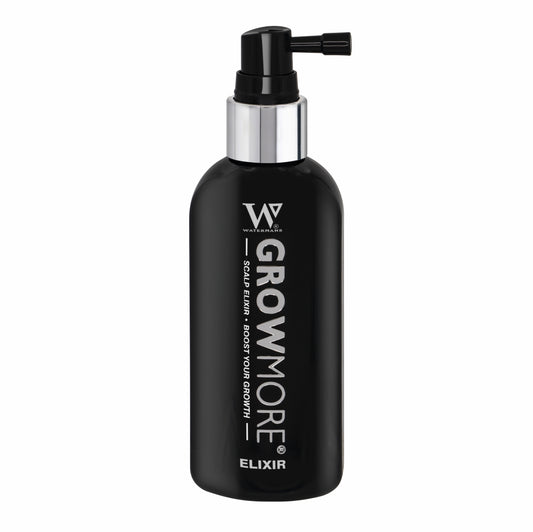
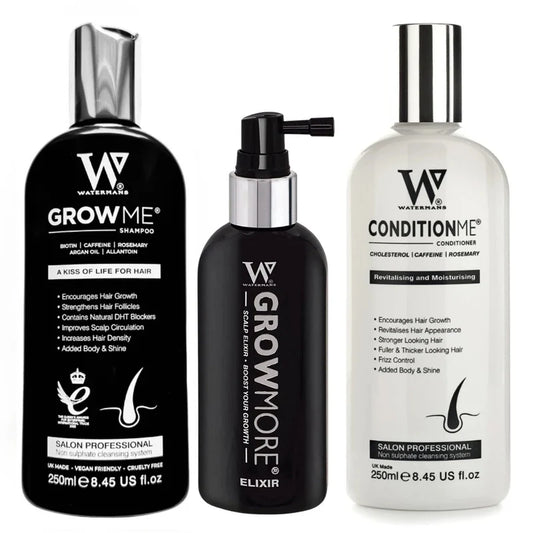
This mix works to give the scalp a boost and can help hair look thicker over time. Some women like to use the Watermans Hair Survival Kit which combines shampoo, conditioner, and a leave‑in scalp formula for ongoing care.
Because these are topical and cosmetic products, they do not have the bodywide risks that may come with hormone therapy. This makes them a good first step or a complement to your other choices.
How to Decide: Is Postmenopausal HRT Right for You?
When you consider HRT, work together with your doctor or a menopause specialist. Think about:
- How much do your symptoms disrupt your daily life?
- Are you in early postmenopause (within 10 years) or later (beyond 10 years, or over 60)?
- What are your personal risk factors for cancers, heart issues, or blood clots?
- How is your bone health?
- What other medicines or conditions do you have that might affect hormone use?
- How do you feel about taking hormones, given the trade-offs between relief and risk?
What to Expect If You Start Postmenopausal HRT
The First Few Months
Your doctor may start you on a low to moderate dose. It can take 6–12 weeks for the full effects to show. You might experience breast tenderness, some spotting, mild bloating, headaches, or mood changes in the first few months. These feelings often fade with dose adjustments or a change in the method.
Monitoring and Follow‑Up
Your care usually includes regular check‑ups. These may review your symptoms, blood pressure, weight, and overall health. You may also have regular breast screenings, and bone density tests if needed. Your hormone type, dose, or method might change as your body needs shift.
How Long to Stay on HRT
There is no fixed stopping time. Many choose the lowest dose that gives them the best quality of life. Some women use HRT for only a few years; others who had early menopause or strong symptoms may keep it longer under careful supervision.
Combining HRT with Non‑Hormonal Strategies
Many women benefit from a mix of methods:
• A healthy lifestyle with exercise, good nutrition, sleep, and stress control.
• Topical hair care such as Watermans Grow Me Shampoo or the
Watermans Hair Survival Kit to help with thinning hair.
• Local vaginal oestrogen for GSM, which can be used even if systemic HRT stops later.
• Systemic HRT when the relief of symptoms and other benefits match the risks.
Think of HRT as one tool in your plan—it works best when it fits with other choices that suit you.
Quick Checklist: Questions to Ask Your Doctor About HRT
You may want to ask:
- Which type of HRT (oestrogen alone or combined) suits my needs best?
- Is a transdermal method (patch, gel, or spray) better for me than tablets?
- How do my family history and personal health shape my risks?
- What benefits can I expect and in how many weeks?
- What side effects might occur and how will we manage them?
- How will my bone, breast, and heart health be monitored over time?
- What non‑hormonal options can I try either alone or with HRT?
- How long might I be on HRT and how will we adjust or stop it?
FAQ: Postmenopausal HRT and Common Concerns
1. Is HRT safe for women over 60?
Safety depends on your overall health, the time since your menopause, and the HRT type. Starting systemic HRT after 60 or more than 10 years after menopause requires care because of increased heart and clot risks. Women already on HRT may continue after 60 if they are regularly reviewed by a specialist.
2. Can HRT help with hair loss?
HRT can sometimes slow hair loss by keeping hormones steadier. Improved sleep, mood, and nutrition on HRT may also help your hair. However, HRT is not made just for hair care. Many women also choose a topical method, such as Watermans Grow Me Shampoo, to support their hair.
3. What if I cannot take HRT?
If systemic HRT is not a good option, you may try:
• Lifestyle changes such as regular exercise, a balanced diet, good sleep, and stress management.
• Non‑hormonal medicines for hot flushes, like certain SSRIs/SNRIs or gabapentin.
• Local vaginal oestrogen to ease GSM symptoms.
• Complementary approaches such as phytoestrogens or acupuncture, after a discussion with your doctor.
• Topical products to care for hair, like Watermans Grow Me Shampoo.
Taking the Next Step
You do not have to face postmenopause or hair changes alone. Schedule an appointment with your GP or a menopause expert to discuss your symptoms, health history, and preferences. Go in with your list of goals—whether you want better sleep, improved mood, less hot flushes, stronger bones, or more confidence in your hair.
While you review your options, you can begin with lifestyle supports and topical care. If hair thinning is a concern, you might try Watermans Grow Me Shampoo as a practical first step to boost your scalp health and help your hair seem fuller.
Postmenopausal HRT may or may not be right for you. You deserve clear details, advice made for your situation, and a plan that fits both your health and your confidence.