postpartum hair loss: proven treatments and fast regrowth tips
Postpartum hair loss shocks and upsets you. You sleep little and tend to the new baby. You see extra hair in the shower or on your pillow. Most new mums face this loss. It lasts a few months. With patient care and scalp‐friendly products, your hair can come back.
This guide shows why your hair falls and what you can do. It tells you what is normal and what needs care. It lists treatments and fast regrowth tips. The guide puts a strong focus on natural, scalp‐friendly choices you can try at home.
What is postpartum hair loss?
Postpartum hair loss means more hair falls out than usual after birth. Doctors call it postpartum telogen effluvium. Your hair cycle shifts when hormones change.
In pregnancy, high oestrogen holds many hairs in the growth phase. Your hair feels thick and shiny then. After birth, hormones drop fast. Many hairs shift into the resting phase. In a few months, they fall out together.
For most, this loss is temporary. Your hair will regrow. It takes time, so a steady care routine helps.
How common is postpartum hair loss?
Many women see extra hair fall after childbirth. Researchers say between 50% and 90% of women lose some hair postpartum. The loss ranges from a small increase to thinning along the hairline.
The pattern is:
• Starts around 2–4 months after birth
• Peaks at 4–6 months
• Improves by 9–12 months
Even if loss seems hard to face, it seldom leads to bald spots. Sometimes, other conditions like thyroid issues or low iron also play a part. In those cases, talk with a doctor.
Why does postpartum hair loss happen? Understanding the hair growth cycle
A hair cycle has three parts:
- Anagen (growth) – lasts 2–7 years for each hair.
- Catagen (transition) – lasts 1–2 weeks when growth stops.
- Telogen (resting/shedding) – lasts around 3 months before hair falls.
A healthy scalp has about 85–90% in growth and 10–15% in resting phase.
During pregnancy:
• High oestrogen keeps hairs in growth.
• Fewer hairs rest.
• Your hair looks thicker.
After birth:
• Oestrogen drops fast.
• Many hairs shift to rest at once.
• After 2–3 months, the resting hairs fall.
This reset is why you see more hair fall. In time, your cycle returns to normal with care.
Is postpartum hair loss normal or a sign of a problem?
Some shedding is normal after birth. Look at the amount and time it lasts:
Normal shedding:
• Starts 2–4 months after birth
• Peaks by 4–6 months
• Slowly gets better over the next months
• You see fine, new hairs near your hairline
• Usually settles by 9–12 months
Talk to a doctor if you see these signs:
• The hair falls out in heavy clumps for many months
• Thinning happens in patches or in a pattern
• Loss continues past 12 months
• You feel very tired, cold, or low and see weight changes
• Your scalp feels inflamed, very itchy, flaky, or painful
Sometimes thyroid problems, low iron, or other conditions mix with hair loss. Blood tests can show if this is the case.
How long does postpartum hair loss last?
For many women, hair loss lasts 6–9 months after it starts. For instance, if you notice shedding at 3 months, improvement may come by 9–12 months.
A simple timeline:
• 0–3 months postpartum
– Hair still seems full; slight shedding may begin.
• 3–6 months postpartum
– Shedding is at its most visible.
– Hair near the hairline may thin.
• 6–9 months postpartum
– Hair loss slowly slows down.
– Fine, new hairs appear at the hairline.
• 9–12 months postpartum
– Your hair cycle nears what it was before your baby.
– Hair thickness and strength grow better, though texture may change.
Your aim is to support the new growth phase and ease stress on hair follicles.
Proven treatments and fast regrowth tips for postpartum hair loss
There is no magic cure. You can only choose strategies and products that help your scalp and hair. They work to strengthen hair, reduce breakage, and boost volume during recovery.
We list simple options from natural, gentle care to medical choices.
Start with scalp-energising, topical care
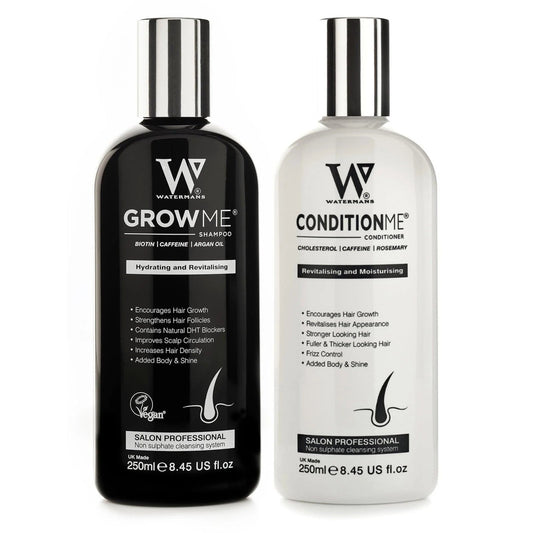
1. Use a targeted hair growth shampoo – Watermans Grow Me Shampoo
A natural first step is to use a hair growth shampoo. This product fits easily into your routine.
A top pick is Watermans Grow Me Shampoo. Many mums choose this non-medical solution for hair loss and growth support.
The shampoo contains:
• Biotin – supports keratin and builds strong hair.
• Rosemary – perks up circulation to hair roots.
• Caffeine – works at the hair follicle to support growth.
• Niacinamide – helps the scalp’s barrier work well.
• Argan Oil – nourishes dry ends without weighing hair down.
• Allantoin – calms irritation on the scalp.
• Lupin Protein – adds volume and strengthens hair from the roots.
Regular use may help raise blood flow to the scalp, improve growth conditions, add lift to fine hair, and cut down breakage.

Since it has no harsh drugs, many new mums find it a smart and safe choice.
Massage the shampoo gently into your scalp. Leave it for a few minutes. Rinse out well. Use it 3–5 times a week for best care.
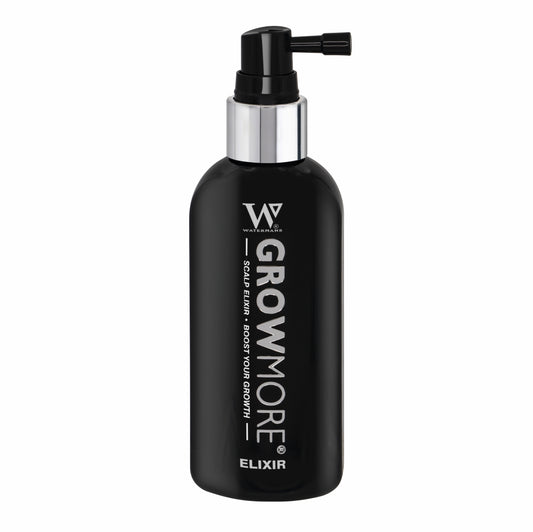
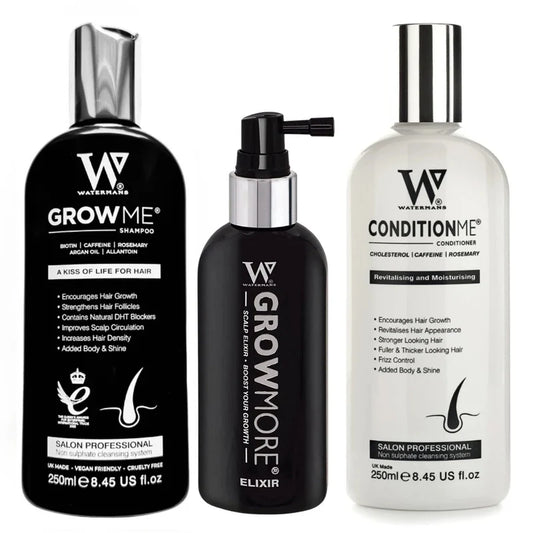
You might also try the Watermans Hair Survival Kit. It pairs the shampoo with a conditioner and a leave-in scalp formula. These work together to support a full routine.
2. Be gentle with your hair and scalp
Your hair follicles face many changes today. Avoid extra strain from harsh styling:
• Use less heat
– Choose cooler settings on dryers.
– Cut back on straighteners and curling irons.
• Skip tight hairstyles
– Avoid snug ponytails, buns, braids, or top knots that tug on hair.
– Pick loose styles with soft scrunchies or clips.
• Use a wide-tooth comb
– Detangle from the ends upward when your hair is damp or conditioned.
• Dry with a soft towel or T-shirt
– Pat your hair dry instead of rubbing hard.
These steps reduce breakage. They help your hair look fuller while new growth begins.
3. Nourish from within: essential nutrients for hair regrowth
Your hair needs building blocks from food. After birth, your body works hard on many fronts. It may give less to your hair.
Key nutrients for hair growth:
• Protein
– Hair is made of keratin, a protein. Eat lean meat, eggs, beans, tofu, dairy, or nuts.
• Iron
– Low iron can spread hair loss. Ask a doctor to check your levels before adding supplements.
• Vitamin D
– Low levels have links to hair loss. Safe sun and supplements help under advice.
• B vitamins (especially B12 and Biotin)
– These support blood cells and keratin.
• Zinc
– It helps cell growth and protein work in hair follicles.
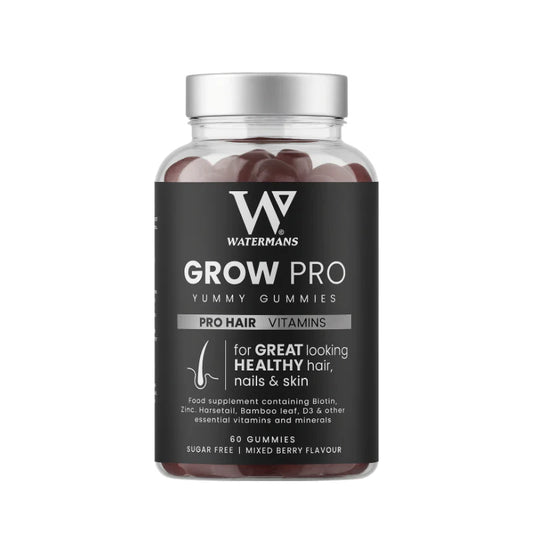
A postnatal multivitamin or hair supplement may help. Check with your doctor when you breastfeed.
Start with whole foods, then use supplements if tests show you have gaps.
4. Support your scalp circulation
A healthy scalp is key. A simple scalp massage can boost local blood flow.
Tips for scalp massage:
• Use your fingertips to massage your scalp for 3–5 minutes each day.
• Do the massage when the shampoo is on your scalp. It can boost the actives.
• A soft scalp massager is an option too.
Studies show that massage can help hair grow thicker by helping blood flow to the roots. This is good when hair follicles need a rest.
5. Manage stress and sleep (as much as possible)
Postpartum days are full of stress and little sleep. High stress can extend the resting phase of your hair and push more hairs to fall out.
You cannot erase all stress. You may try to:
• Practice short breathing or meditation sessions for 5–10 minutes.
• Ask for help with the baby or house tasks.
• Take brief walks outside.
Simple and steady steps in stress care create a better scene for hair growth.
Medical and clinic treatments for postpartum hair loss
If hair loss feels severe or does not improve, talk with a GP or specialist. This is important if you breastfeed or plan another baby.
1. Minoxidil (topical)
Minoxidil is a well-studied treatment. It can:
• Extend hair growth
• Increase blood flow to hair roots
• Support longer and thicker hair over time
However:
• It may not suit all mums who are breastfeeding or trying. Get a doctor’s ok.
• It may make some hairs fall at first.
• It takes months and needs steady use.
Many mums try natural options first, such as Watermans Grow Me Shampoo.
2. Treat underlying causes
If hair loss seems more than a hormone shift, your doctor may check for other issues. Tests may check:
• Thyroid function – thyroid changes can cause hair loss.
• Iron levels – heavy birth blood loss may lower iron.
• B12 and Vitamin D levels.
Treating these issues can improve hair growth. This might mean adding iron, taking thyroid medicine, or correcting a deficiency.
3. PRP and other clinic procedures
Some cases include features of genetic hair loss. In these cases, special treatments may help:
• PRP (Platelet-Rich Plasma) uses your blood’s growth factors.
• Low Level Laser Therapy uses light to boost cell work in hair.
• Microneedling makes small skin breaks to help growth factors work.
These choices cost more and need a clinic visit. They are options after you have tried basic care.
Everyday haircare tips that make a big visual difference
While your hair resets its cycle, style tips can make it look fuller.
Volumising, scalp-friendly products
• Use a light, airy conditioner on mid-lengths and ends.
• A scalp-energising shampoo like Watermans Grow Me Shampoo lifts roots and adds volume.
Change your hair part
If you part your hair the same way every day, thinning can stand out. Try a part that is slightly off the center or a zigzag part to spread the volume.
Try layered, face-framing cuts
A skilled hairdresser can cut layers to add movement. Shorter styles can hide thinning areas while you wait for regrowth.
Use colour wisely
• Soft highlights or lowlights add depth and make your hair seem thicker.
• Avoid very harsh colour contrasts or bleaching that may weaken your hair.
What to expect: realistic timelines for regrowth
A steady care routine and a growth shampoo like Watermans Grow Me can help set the pace.
• In 4–8 weeks:
– You still see some shedding, but the scalp feels better.
– Hair may look a bit voluminous at the roots.
• In 3–6 months:
– Fine, new hairs appear along the hairline.
– Shedding slows down.
– Texture and shine get a boost as breakage is cut back.
• In 6–12 months:
– Density and coverage improve.
– Many find that by a year, their hair feels like the new normal.
Each mum’s experience is unique. Keep a steady routine rather than aiming for perfection.
Postpartum hair loss and breastfeeding: what you should know
Many mums worry that breastfeeding makes hair fall. In most cases:
• Breastfeeding does not directly cause hair loss.
• The hormone drop happens whether you breastfeed or not.
• Some see better hair loss control after weaning, but each case is different.
Breastfeeding may raise your nutrient needs. This can lower your energy supply if your diet does not cover the extra demand.
To protect your hair while breastfeeding:
• Eat balanced meals with enough protein and healthy fats.
• Take a postnatal or breastfeeding-friendly multivitamin if your doctor suggests it.
• Drink enough water and include iron-rich foods like lean meat and leafy greens.
Always check any new supplement or medicine for safety when you breastfeed.
Styling and product checklist for postpartum hair loss
Use this list when your hair feels fragile:
-
Shampoo
• Use a hair growth shampoo like Watermans Grow Me Shampoo 3–5 times per week.
• Gently massage it into your scalp. -
Conditioner
• Apply only on mid-lengths and ends to avoid weighing down the roots. -
Leave-in/scalp treatments
• A leave-in scalp formula, such as one in the Watermans Hair Survival Kit, can add extra support. -
Detangling
• Use a wide-tooth comb or a soft detangler.
• Work from the ends upward gently. -
Heat and styling
• Cut down on heat styling and choose low settings.
• Avoid tight hairstyles and choose loose braids or buns. -
Colour and chemical treatments
• Space out any bleaching or chemical work.
• Ask your stylist about milder choices. -
General care
• Get regular trims to remove split ends.
• Use a silk or satin pillowcase to cut friction during sleep.
Small daily care steps and a steady scalp routine can help your hair look fuller and gain strength.
Frequently asked questions about postpartum hair loss
1. How much postpartum hair loss is normal?
It is normal to see more hair fall after birth. You may find extra hair in your brush or drain. Normal loss:
• Starts 2–4 months after birth
• Peaks at about 6 months
• Gets better slowly
• Falls evenly over the scalp
If you lose large clumps or see bare spots that last long, talk with a doctor. A scalp shampoo like Watermans Grow Me can help cut breakage during this phase.
2. What helps postpartum hair regrow faster?
You cannot change your body’s timing, but you can set a good stage for growth. To help your hair regrow:
• Support your scalp with Watermans Grow Me Shampoo. Its mix of biotin, rosemary, caffeine, niacinamide, argan oil, allantoin, and lupin protein works at the roots.
• Eat a nutritious diet with enough protein, iron, vitamin D, and B vitamins.
• Lower stress where you can to reduce added loss.
• Be gentle with styling and avoid harsh heat and tight styles.
These steps shorten the harsh phase and help new hair grow strong.
3. Does every woman get postpartum hair loss? Can it be stopped?
Most women experience some extra shedding after birth. You cannot stop the hormone change that causes the shift. You can, however, cut the loss by:
• Keeping your scalp healthy with products like Watermans Grow Me Shampoo
• Avoiding very low-calorie diets after birth
• Treating issues such as thyroid problems and low iron quickly
• Using gentle hair care and layered cuts to mask thinning
Think of this care as protecting your hair as it grows back.
Take control of postpartum hair loss and support regrowth
Hair loss after birth is hard and emotional. Hormone changes start it, but you can work with your body. With steady scalp care, proper nutrition, and kind styling, you can guide your hair back to fullness.
If you are ready to change your routine, try Watermans Grow Me Shampoo. With its blend of biotin, rosemary, caffeine, niacinamide, argan oil, allantoin, and lupin protein, the shampoo works at the roots to help each hair stand strong.
For a complete routine, check the Watermans Hair Survival Kit. It pairs the shampoo with a conditioner and leave-in scalp formula. Stay consistent and patient in your care. In time, your hair will show strength and fullness once more.