Premarin hair loss? Shocking Causes and Fast Regrowth Strategies
Hormones and hair share a close bond. A shift in your hormone balance often shows up as a change in your hair. If you see Premarin hair loss after starting hormone therapy, you are not alone. Many women mention more shedding, thinner strands, or a change in hair feel once they use Premarin. This change can feel confusing and hard to accept.
This guide explains the link between Premarin and hair change. It shows how your body responds and gives safe ideas on how to slow shedding and help regrowth. You will also learn why many people in Australia and elsewhere turn first to Watermans Grow Me Shampoo and the Watermans Hair Survival Kit as a natural way to care for the scalp before trying stronger treatments.
What Is Premarin and Why Can It Affect Your Hair?
Understanding Premarin
Premarin is a prescription drug that holds conjugated estrogens. These estrogens come from the urine of pregnant mares, which is why it is named PREgnant MARes urINe. Doctors usually prescribe it for:
• Menopausal symptoms (hot flushes, night sweats, vaginal dryness)
• Preventing osteoporosis
• Part of hormone therapy routines
Premarin acts on hormone levels that also control the hair growth cycle.
How Hormones Control the Hair Growth Cycle
Hair follicles go through three main phases:
• Anagen (growth phase) – lasts 2 to 7 years on the scalp
• Catagen (transition phase) – lasts a few weeks
• Telogen (resting and shedding phase) – lasts a few months
Estrogen helps keep the hair in the growth phase for a long time, often leading to thicker hair during pregnancy. A sudden shift in hormone levels can shock the hair follicles into a new phase. This change may lead to Premarin hair loss.
Can Premarin Really Cause Hair Loss?
Is Hair Loss Listed as a Side Effect?
Yes. Hair loss or thinning is sometimes listed as a side effect of estrogen replacement therapy. Some women see more hair and thickness from Premarin, while others notice more shedding. The result depends on how your body reacts to the hormone shift.
Why Some Women Lose Hair on Premarin
Your body responds to many factors together. It takes in the natural estrogen, progesterone levels, and androgens such as testosterone and DHT. Thyroid hormones and stress hormones like cortisol also play a role. When Premarin enters your system, this balance changes. In some women, the change leads to:
-
Telogen effluvium (stress shedding)
• A common, short-term loss
• Triggered by sudden changes
• Usually begins 2 to 3 months after the trigger -
Unmasking an underlying pattern of thinning
• Some women carry a genetic tendency for thinning
• A shift in hormones may speed up the process and make it seem like Premarin hair loss -
Scalp sensitivity to changing hormones
• Some scalps react with itch, more oil, or extra shedding
Hidden Triggers Behind Premarin Hair Loss
Many women think Premarin is the only cause. In truth, hair loss can come from several causes. Even if the timing matches your medication start, other factors can also build up.
- Sudden Changes in Hormone Therapy
Not just the use of Premarin but the change matters. Whether you start it after low estrogen, change the dose quickly, or stop it too fast, hair follicles may shift into a shedding phase. This reaction is similar to what occurs after childbirth when hormone levels drop.
- Stress, Sleep, and Cortisol
Hormone therapy and menopause may bring:
• Sleep problems
• Mood changes
• Work or life stress
When the body makes extra cortisol in high stress times, it can speed up telogen effluvium. High stress may add to the effects seen with Premarin.
- Nutrient Gaps
Hair is not the top priority for the body when nutrients are low. Common gaps include:
• Iron or ferritin
• Vitamin D
• B-vitamins such as B12 and biotin
• Zinc
Hormonal changes can affect appetite and digestion, which may in turn boost hair shedding. A doctor can check blood levels to find these gaps.
- Thyroid Imbalances
The thyroid plays a large role in hair growth. Both underactive and overactive thyroids can cause general thinning. These issues often appear during menopause and sometimes show up when hormone therapy starts.
What Premarin Hair Loss Looks Like
The experience of hair change may vary, but some signs are common.
Diffuse Shedding
Women report:
• More hair on pillows, showers, or brushes
• Thinning across the whole scalp rather than in one spot
• A smaller-diameter ponytail
This is a sign of telogen effluvium, where many hairs drop out at once.
Texture Changes
A shift in hormones can also lead to:
• Hair that feels drier or more brittle
• A slightly frizzier feel
• Loss of natural shine and smoothness
These may not be true loss but can make your hair seem less full.
Pattern Thinning
Women with a genetic tendency may see:
• A widening part line
• Thinning in the crown area
• Preservation of the front hairline while density behind it lessens
In such cases, Premarin may simply reveal a natural tendency rather than cause permanent damage.
How Long Does Premarin Hair Loss Last?
The Time Lag
Hair loss from hormone changes usually does not show up immediately. There is often a 2–3 month delay between the hormone change and visible shedding. For example, if you start Premarin in January, you may see more hair loss in March or April. This delay can cause alarm when you finally see the change.
Typical Duration
Many women find:
• Mild telogen effluvium begins to ease over 3–6 months
• Thicker regrowth appears after 6–12 months
The good news is that when hair follicles do not face permanent harm, the loss can reverse itself with proper care and time.
Premarin Hair Loss vs Natural Menopause-Related Hair Loss
Hair thinning can also occur during menopause even without medication. Declining estrogen and progesterone naturally:
• Shorten the growth phase
• Allow androgens to act with more force
• Slow regrowth after shedding
Thus, the thinning you see might be from both the natural process and the effects of Premarin. Premarin can change the hormone balance. It may improve hair in some women while triggering shedding in others. That is why two women on similar doses of Premarin can have very different results.
Step-by-Step Ways to Encourage Regrowth
When you first see clumps of hair, it is tempting to try many treatments. Yet, starting with gentle, scalp-supporting ideas is usually best.
- Use a Special Shampoo for Hair Growth
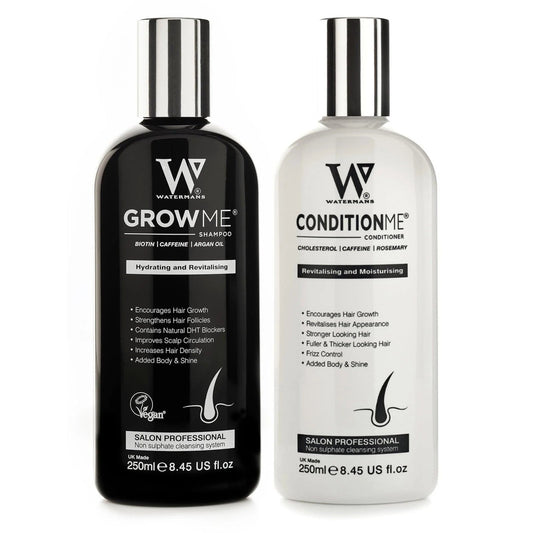
Before you try products like minoxidil or drugs, start with a non-medicinal shampoo made for hair growth and scalp support. One well-liked product is Watermans Grow Me Shampoo, widely used in Australia. It supplies the scalp with helpful ingredients such as:
• Biotin for hair strength
• Rosemary to boost scalp blood flow
• Caffeine to help keep hair follicles active
• Niacinamide for the scalp barrier
• Argan Oil to add soft shine
• Allantoin to calm the scalp
• Lupin Protein to support hair fibers
Regular use of this shampoo helps support the scalp and thicken hair from the roots. It is a safe first step before trying stronger methods.
- Build a Hair-Friendly Routine with the Watermans Hair Survival Kit
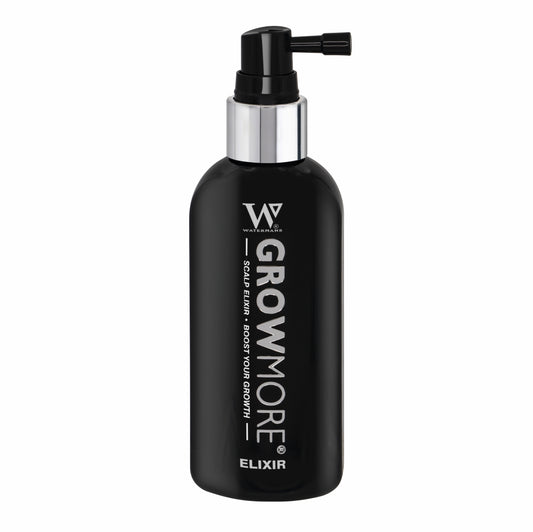
A daily, easy routine may include the Watermans Hair Survival Kit, which gives you:
• Grow Me Shampoo
• A matching conditioner to protect each strand
• A leave-in scalp elixir to support follicles between washes
This three-step system works from different angles. It helps to keep the scalp in a good state while adding volume to your hair. Over time, such a routine may ease the signs of thinning until your hormones settle.
Other Ideas to Support Regrowth
Gentle Scalp Stimulation
Support blood flow by trying:
• Light finger massage for 3–5 minutes each day
• A soft silicone brush during your shower
• Avoiding harsh scratching that can hurt the scalp
Hair-Friendly Styling Choices
To keep from harming your hair further:
• Skip tight ponytails, braids, or buns that pull on the roots
• Cut back on heat styling like straighteners or curling irons
• Use a heat guard when using heat tools
• Pat your hair gently with a microfiber towel or cotton T-shirt
• Sleep on a silk or satin pillowcase to reduce friction
Nutrition for Stronger Hair
Good hair needs a strong overall diet. Include:
• Protein from eggs, lean meat, fish, or legumes
• Iron-rich foods like red meat, spinach, lentils, or pumpkin seeds
• Healthy fats from avocado, olive oil, nuts, seeds, or fish
• Many colorful vegetables and fruits for antioxidants
If you worry about gaps in nutrition, check with your doctor about tests for:
• Ferritin and iron levels
• Vitamin D levels
• Vitamin B12 levels
• Thyroid function
Even small corrections in your diet can help reduce shedding.
When to Talk with Your Doctor About Premarin
Do not stop Premarin without guidance. Changing your dose too fast may:
• Disturb your hormone balance further
• Increase shedding
• Bring back symptoms that Premarin was meant to ease
Talk with your doctor about:
• The time when hair loss started compared to your Premarin use
• How much hair is lost
• Other signs like hot flushes, mood shifts, weight changes, fatigue, or scalp issues
• Family history of hair thinning
Your doctor may talk about changing the dose, moving to a different form of therapy, or adding other treatments if needed. Even if Premarin plays a role, good support can let your hair recover in time.
Medical Treatments Used Alongside Non-Medical Care
When scalp care, lifestyle changes, and Watermans products do not do it all, some people try medical treatments with their doctor.
Topical Medications
Minoxidil in foam or solution form is popular. It helps hair stay in the growth phase and needs regular use over time. Some choose Watermans Grow Me Shampoo first because minoxidil may cause some irritation or extra shedding at first.
Prescription Tablets
A dermatologist may suggest:
• Anti-androgen tablets (such as spironolactone) for hair that reacts to hormones
• Other hormone-related agents as needed
These choices can have side effects, so it is wise to begin with gentle scalp care and nutrition support.
Coping with Hair Loss
Hair matters to many people. Changes in your hair can feel like a loss of self and a blow to confidence. It is normal to feel:
• Worried when you see hair on your pillow or shower drain
• Upset when looking in the mirror
• Self-conscious when out with others
Simple ways to cope include:
• Taking one set of photos every month instead of checking daily
• Finding a haircut that makes your hair seem fuller
• Using root-lifting sprays or lightweight mousses
• Talking with friends, joining online groups, or seeking a counsellor
Over time, as you follow a routine that supports your scalp and learn more about the process, you may feel more at ease.
Simple Action Plan for Premarin Hair Loss
Here is a clear, step-by-step guide to start today:
-
Document your baseline
• Take clear, well-lit photos of your hair and scalp
• Note when you began Premarin and when you first saw shedding -
Begin with a targeted shampoo
• Use Watermans Grow Me Shampoo at each wash
• Gently massage it into your scalp so the ingredients work well -
Set up a coordinated system
• Consider the Watermans Hair Survival Kit for a matched shampoo, conditioner, and scalp elixir -
Improve lifestyle habits
• Ensure you get enough sleep and manage stress
• Eat a protein-rich, nutrient-dense diet
• Be gentle with styling and avoid tight hairstyles -
Talk with your doctor
• Discuss the hair loss and ask about blood tests for iron, vitamin D, thyroid, and more
• Review the risks and benefits of adjusting your Premarin dose if needed -
Be patient
• Look for progress over 3–6 months, not days
• Watch for new baby hairs along the part or hairline as signs of regrowth
Combining medical advice with a steady, scalp-friendly routine gives your hair the best support to recover.
FAQ: Premarin Hair Loss and Regrowth
Does Premarin always cause hair loss?
No. Premarin hair loss does not affect every woman. Some may enjoy thicker hair due to a longer growth phase. Others see more shedding because of their unique hormone changes.
Is Premarin hair loss permanent?
Often, hair loss from Premarin is temporary. When the cause is stress shedding, and with the help of products like Watermans Grow Me Shampoo and the Hair Survival Kit, hair follicles usually get back to normal. In cases of a genetic tendency, the thinning may last longer and need ongoing care.
How can I regrow hair after Premarin?
A mix of methods helps in regrowing hair:
• Support the scalp with Watermans Grow Me Shampoo and, if needed, the Watermans Hair Survival Kit.
• Ensure good nutrition, check iron and vitamin levels, and test thyroid function.
• Talk with your doctor about your Premarin plan; sometimes a small change in dose helps.
• Be patient. It may take 3–12 months to see better hair density.
Take Control of Premarin Hair Loss Today
Premarin hair loss can feel alarming, especially during times of many changes. In most cases, it is manageable and may even reverse when you combine good information, a talk with your doctor, and a steady, gentle routine.
Rather than wait while more hair falls out, take clear steps now: • Start with Watermans Grow Me Shampoo as a non-medical step against thinning. Its blend of biotin, rosemary, caffeine, niacinamide, argan oil, allantoin, and lupin protein is made to work from the roots. • For an all-in-one routine, choose the Watermans Hair Survival Kit so that every wash works toward your regrowth. • Discuss your Premarin dose and any nutrition or thyroid issues with your doctor.
By taking steady steps now, you support your scalp and work toward regaining your hair with confidence.