Premature ovarian insufficiency: What Women Need to Know About Fertility
Premature ovarian insufficiency (POI) is a condition that many women do not know until it affects them or someone they care about.
It can change a woman’s plans for having a family, her long-term health, and her daily choices.
In Australia and around the world, more women get diagnosed early because more people now know its signs and risks.
This guide explains what POI is, how doctors check for it and treat it, what it means for making babies, and how to care for your body—from your hormones and bones to your hair when changes make it thinner.
Note: This article gives information. It does not replace advice from your doctor. Always speak with your GP or specialist about your health.
What is Premature Ovarian Insufficiency?
Premature ovarian insufficiency (also called premature ovarian failure or early menopause) happens when the ovaries do not work well before age 40.
The ovaries may:
• Release eggs in a choppy way or not at all.
• Make lower amounts of oestrogen and other hormones than expected.
Unlike natural menopause (when most women stop their cycles around age 51), POI may show ups and downs.
Some women still release an egg now and then.
A few might even have a natural pregnancy.
POI vs Early Menopause: Are They the Same?
They share some traits but they are not the same.
• Premature ovarian insufficiency
– Ovary work can come and go.
– Periods often do not stop completely.
– There is a small chance of a natural pregnancy.
• Premature menopause (before age 40)
– Ovary work stops for good.
– Periods stop for 12 months or more.
– Natural pregnancy is very unlikely.
Doctors now use POI because it shows that ovary function can vary rather than completely stop.
How Common Is Premature Ovarian Insufficiency?
POI is not very rare, but it does not affect many women either.
Statistics show:
• About 1 in 100 women under 40.
• Around 1 in 1,000 women under 30.
• About 1 in 10,000 women under 20. The signs of POI are sometimes missed or mistaken for stress or a busy life.
Signs and Symptoms of Premature Ovarian Insufficiency
The signs can be similar to those of perimenopause and menopause, yet they happen early.
Menstrual Changes
• Periods may become less regular.
• Cycle changes may include long gaps and heavy bleeds.
• Periods might stop for several months.
Any big change in your cycle below age 40 should be checked by a doctor.
Menopausal-Type Symptoms
Lower oestrogen from POI can bring:
• Hot flushes and sweating at night.
• A foggy mind or less focus.
• Mood swings, worry, or low mood.
• Dryness or pain in the vaginal area during sex.
• Lower desire.
• Trouble sleeping.
• A fast or racing heart.
Subtle Changes You Might Overlook
Some women see other changes over time.
These include:
• More urinary or vaginal infections.
• Dry eyes or skin.
• Aches in bones or joints (from lower oestrogen and bone strength).
• Hair that thins or falls out more.
Lower oestrogen can make hair feel finer and more fragile.
These changes can affect your feelings.
A careful hair routine may help while you work with your doctor.
What Causes Premature Ovarian Insufficiency?
Often, no clear cause is found.
This is called idiopathic POI.
Some known factors are:
1. Genetic Factors
Some women inherit genes that change how the ovaries work.
Examples include:
• Turner syndrome (a missing piece of an X chromosome).
• Fragile X premutation.
• Rare chromosome differences.
A family history of early menopause, repeated miscarriages or trouble with fertility may raise the risk.
2. Autoimmune Conditions
Sometimes the immune system attacks the ovaries.
Other conditions that may be found are:
• Thyroid issues.
• Addison’s disease.
• Type 1 diabetes.
• Coeliac disease.
Doctors may check for these to better guide your overall care.
3. Medical Treatments
Some necessary medical treatments can harm the ovaries:
• Chemotherapy.
• Radiation to the pelvic area.
• Surgery on the ovaries or nearby areas (for cysts, endometriosis, or cancer).
When women or girls face such treatments, doctors may talk about preserving eggs, embryos, or ovarian tissue.
4. Lifestyle and Environmental Factors
Some studies look at how certain choices or substances affect the ovaries:
• Smoking.
• Very low body weight or strict dieting.
• Long-term high stress.
• Certain chemicals around us.
These risks only tell part of the story for each woman.
How Is Premature Ovarian Insufficiency Diagnosed?
Finding POI can be an emotional moment.
The process may include these steps:
Step 1: History and Examination
The doctor asks about:
• Your period patterns (regular, irregular, or stopped).
• Past surgeries or treatments like chemo/radiation.
• Any autoimmune issues in you or your family.
• Family history of early menopause or fertility issues.
• General health, weight changes, and stress.
Step 2: Blood Tests
Blood work checks hormone levels.
Key hormones include:
• FSH (Follicle Stimulating Hormone) – usually high in POI.
• LH (Luteinising Hormone) – often high too.
• Oestradiol (Oestrogen) – usually low.
• AMH (Anti-Müllerian Hormone) – shows kidney reserve and is often low in POI.
Tests are done twice, about 4–6 weeks apart.
High FSH with low oestrogen in a woman under 40 strongly hints at POI.
Step 3: Extra Tests if Needed
Some cases may have extra checks:
• Thyroid tests.
• Autoimmune markers.
• Genetic (Karyotype) tests.
• An ultrasound of the pelvis.
Premature Ovarian Insufficiency and Fertility: What It Means
A POI diagnosis can make you worry about having children now or later.
Knowing how the body works can help you plan.
Can You Still Get Pregnant with POI?
Sometimes, yes.
• Some women ovulate off and on after diagnosis.
• There are cases of natural pregnancies, but they are few.
Because ovulation can occur sometimes, you still need to use birth control if you do not wish to get pregnant.
Natural Conception Possibilities
Some factors may raise the chance of a natural pregnancy:
• A milder or more recent onset of POI.
• Cycles that do not completely stop.
• Being younger within the POI range (early 20s to early 30s).
Even then, the chance remains small.
Assisted Reproductive Options
Many women speak with doctors about treatments to help them conceive.
Options include:
• IVF with donor eggs – uses eggs from another woman with sperm from a partner or donor.
• IVF with your own eggs – if any ovarian activity is present.
• Embryo donation – using an embryo from another couple.
Fertility Preservation Before Risky Treatment
Women about to have treatments like chemo may be offered:
• Egg or embryo freezing.
• Ovarian tissue freezing in some cases.
These talks happen best before treatment starts.
Hormone Replacement and POI
For women under 40 with POI, hormone therapy does more than ease hot flushes.
It helps keep bones, the heart, the mind, and other parts of the body healthy.
Why Oestrogen Matters
Ovarian hormones in your 20s and 30s help keep:
• Bones strong.
• The heart and blood vessels sound.
• The mind clear and mood steady.
• The vaginal and urinary tracts comfortable.
• Skin and hair in good condition.
Without hormone therapy, risks for bone loss, heart issues, or changes in thoughts may rise.
Types of Hormone Treatments
Doctors may suggest:
• A mix of oestrogen and progesterone (if you have a uterus).
• Oestrogen alone (if your uterus is not present).
Oestrogen is given in ways such as:
• Patches on the skin.
• Gels or sprays.
• Tables with medicine taken by mouth.
Doses aim to copy the hormone levels of your age, not the lower amounts for typical menopause treatment.
How Long to Use Hormone Therapy?
Most advice is to keep hormone therapy until near age 50–51 (the average age for natural menopause).
This plan helps reduce long-term risks and keeps the quality of life.
Always talk with your doctor about the risks and benefits, especially if you have a history of cancers or clotting problems.
Non-Hormonal Support Steps
Alongside hormone therapy, simple life changes help manage POI and support overall health.
Foods That Build Bone and Support Hormones
Eat foods that help your body, such as:
• Foods rich in calcium – dairy, plant milks, leafy greens, almonds.
• Vitamin D sources – safe sun exposure or supplements if needed.
• Enough protein for muscles and bones.
• Good fats – like those in oily fish, flaxseeds, and walnuts.
Keeping a balanced weight also helps the body.
Exercise for Strong Bones
Activities that help the bones include:
• Walking, jogging, or dancing.
• Training with weights or your own body weight.
• Pilates or yoga to build a strong core and flexible body.
A mix of these activities each week helps the bones and overall health.
Managing Stress and Emotions
A POI diagnosis can bring strong feelings.
It is good to:
• Talk with a professional counselor who knows about fertility or menopause.
• Join groups where others share their experience.
• Spend time on mindfulness, meditation, or journaling.
• Try gentle yoga that calms the mind and body.
Taking care of your mental state is part of overall care.
Hair Changes, Hormones, and Scalp Care in POI
Under hormonal shifts, many women see changes in their hair.
With POI, lower oestrogen can lead to:
• More hair shedding.
• Hair that feels finer or less full.
• Strands that are drier and more fragile.
Supporting Hair Naturally
If your scalp is healthy, you can try to care for it at home.
A gentle, natural shampoo can help make your hair appear fuller.
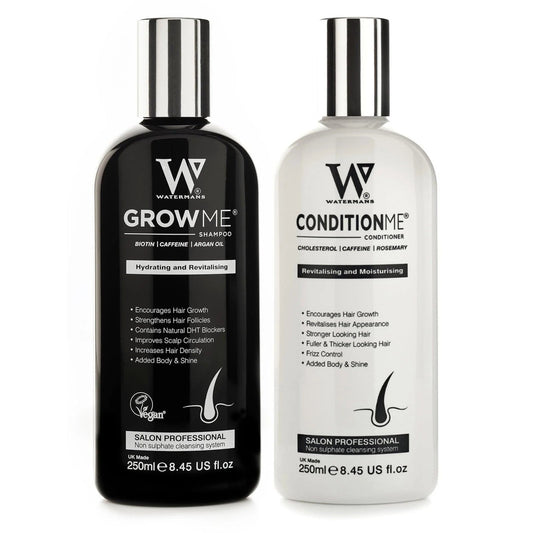
One option is the Watermans Grow Me Shampoo from Watermans Hair Australia.
This shampoo has:
• Biotin to strengthen hair strands.
• Rosemary to support the scalp.
• Caffeine to give the roots more life.
• Niacinamide to help the scalp barrier and blood flow.
• Argan oil to fight dryness and brittleness.
• Allantoin to calm the scalp.
• Lupin protein to help keep hair thick.
Women facing thinner hair often start with a non-drug method.
Watermans Grow Me Shampoo works to support the scalp and give hair a boost.
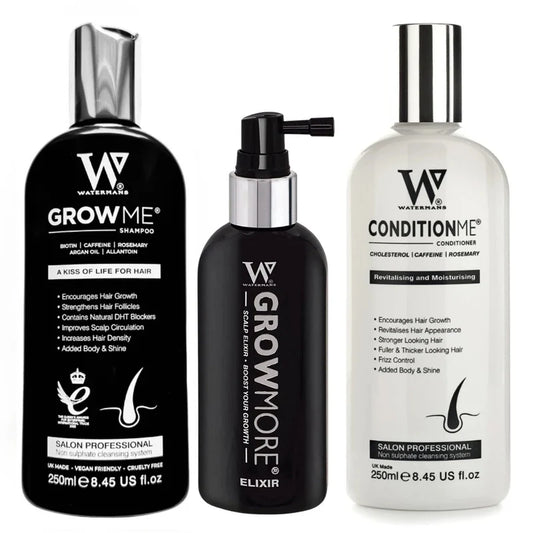
For a full routine, some choose the Watermans Hair Survival Kit.
This kit includes:
• Grow Me Shampoo.
• A matching conditioner.
• A leave-in scalp elixir.
Together, they work at home while you handle the hormonal and fertility care with your doctor.
If you see patchy loss, severe thinning, or signs like redness or scales on the scalp, see a GP or dermatologist.
Sexual Health, Vaginal Changes, and Relationships
POI can affect not only fertility but also your daily closeness and self-view.
Vaginal and Pelvic Changes
A drop in oestrogen may cause:
• Dry or burning feelings in the vagina.
• Pain with sex.
• A little leakage when you cough or sneeze.
• More urinary infections.
Your doctor might suggest:
• Oestrogen creams, pessaries, or rings for the vagina.
• Moisturisers or gels that do not contain hormones.
• Exercises for the pelvic floor.
Talking with Your Partner
Changes with POI can strain a relationship.
It helps to talk openly about:
• What POI is and how it can affect fertility.
• What you feel physically now.
• Getting counseling together if you face tough choices in treatment.
Long-Term Health and POI
Living with lower oestrogen for many years means there are some long-term health checks to keep in mind.
Bone Health and Fracture Risk
Without treatment, POI can lead to weaker bones.
You can help by:
• Using oestrogen treatment (if you can have it).
• Making sure you have enough calcium and vitamin D.
• Doing weight-bearing and strength exercises.
• Avoiding smoking and too much alcohol.
Your doctor might suggest bone scans to keep track.
Heart Health
Women with POI have a higher chance of heart issues later.
Keep your heart safe by:
• Checking blood pressure and cholesterol often.
• Eating a healthy mix of fruits, vegetables, and whole grains.
• Being active most days.
• Maintaining a healthy weight.
Mind and Mood
Oestrogen affects how the brain works.
Some women with POI feel:
• Foggy or less clear in thought.
• Trouble concentrating.
• Low mood or worry.
Along with hormone treatment (if it fits your case), good sleep, stress work, and talking to a mental health expert can help.
Key Points About Premature Ovarian Insufficiency and Fertility
Here is a short list of the main ideas:
- POI means the ovaries work less well before age 40; cycles may come and go.
- Fertility is affected, but there remains a slight chance of a natural pregnancy due to occasional ovulation.
- Doctors look at symptoms, repeat blood tests (with high FSH and low oestrogen), and cycle changes for diagnosis.
- Hormone treatment is usually given until around age 50–51 to support bones, the heart, and overall health.
- Options for having a baby include watching for natural cycles or having treatment with IVF (using your own eggs, donor eggs, or embryos).
- Long-term care focuses on bones, heart health, mood, and comfort during intimacy.
- Hormonal changes may make hair thinner. A non-drug method, like Watermans Grow Me Shampoo or its Hair Survival Kit, can help support fuller hair.
- Support from counselors, friends, or partners can make managing POI easier.
FAQs About Premature Ovarian Insufficiency and Fertility
1. Can POI be reversed?
Most cases of POI do not fully reverse.
The ovaries may work off and on.
Sometimes, periods return.
Spontaneous pregnancy can occur even if rare.
Treatments focus on replacing hormones, protecting health, and helping with choices for having a baby.
2. How is premature ovarian failure different from POI?
The older term, premature ovarian failure, suggests the ovaries stop working for good.
POI is used now because ovary function may change over time.
Both refer to reduced ovary function before age 40. ### 3. Can I improve fertility naturally if I have POI?
Improving fertility naturally is hard when few eggs remain.
You can help your body by:
• Eating a balanced diet.
• Keeping a healthy weight.
• Exercising regularly.
• Avoiding smoking and too much alcohol.
These steps support your overall body health, but they do not replace medical treatments like IVF with donor eggs when needed.
Your Next Steps: Stand Up for Your Health, Hormones, and Hair
If you think you have POI or have been diagnosed, build a team to help you.
• Start with a full check-up from your GP or specialist.
• Talk about hormone treatment, bone checks, and keeping your heart safe.
• If you plan to start or grow your family, discuss the options soon with your doctor.
• Pay attention to signs like thinning hair.
A gentle, scalp-focused shampoo like Watermans Grow Me Shampoo may help your hair look fuller while you work with your doctor on other treatments.
You deserve care that fits your needs and clear, simple advice.
Ask clear questions, compare your options, and choose treatments and routines that help you feel strong every day.