progesterone receptor Breakthroughs Women Need to Balance Hormones Naturally
The progesterone receptor helps your cells use progesterone. It is a key part of women’s health that many do not see. You face PMS, perimenopause, irregular cycles, or hair thinning. Your symptoms may stem from more than hormone levels. They come from how your cells respond via their receptors. In short, what happens at the receptor can shape how you feel, look, sleep, and age.
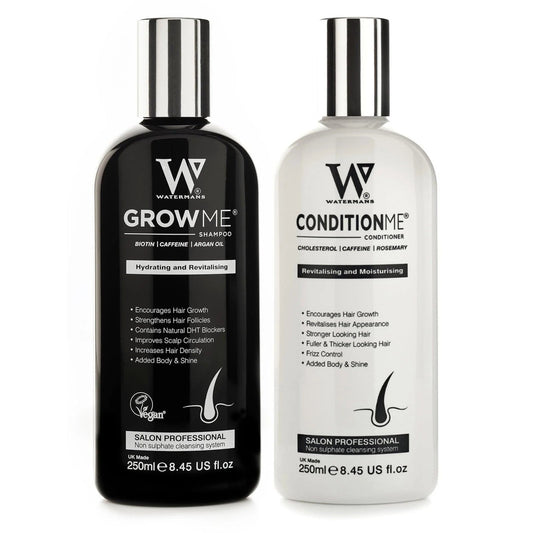
This guide uses plain words to explain the progesterone receptor. It shows new ways to improve how your cells react to progesterone using natural means. It also explains how a balanced hormone system helps your hair, skin, mood, and metabolism. Many women in Australia try Watermans Grow Me Shampoo first to support hair naturally as they work on internal balance.
What Is the Progesterone Receptor – And Why Should Women Care?
The progesterone receptor is a protein inside many cells. It acts like a “docking station” for progesterone. When progesterone meets this protein, it sends signals that affect your cycle, fertility, mood, sleep, breast and uterine tissue, bone strength, brain, skin, and hair.
You might have a normal progesterone level in a blood test yet feel unwell. The receptor may not pick up the signal. This difference can explain why some women do not feel better even with normal lab results.
Progesterone vs Progesterone Receptor: The Key Difference
• Progesterone is the hormone made mainly by your ovaries after ovulation.
• The progesterone receptor is the doorway that lets progesterone talk to your cells.
If the doorway is blocked or damaged, your body cannot use the hormone well. Modern hormone science now looks at both hormone levels and receptor response.
How Progesterone Receptors Work in the Body
The Two Main Forms: PR-A and PR-B
Inside cells, there are two forms of the receptor.
• PR-A helps control gene signals and keeps hormone signals in balance.
• PR-B turns on many actions in the uterus and breast tissue.
Both forms come from the same gene but are processed in a simple way. The balance between PR-A and PR-B can change how you react to progesterone.
Where Progesterone Receptors Are Found
These receptors live in many parts of the body:
• Uterus & ovaries: They shape the cycle, implantation, and pregnancy.
• Breasts: They affect tissue changes and tenderness.
• Brain: They work on mood, stress, and sleep.
• Bones: They help keep bones strong.
• Skin & hair follicles: They work on oil, texture, and growth.
• Blood vessels & heart: They affect blood flow.
Because these receptors are in many places, signals that do not work well can bring many symptoms. You might see changes from PMS to anxiety, poor sleep, and hair shedding.
Hormonal Balance, Progesterone Receptor Function & Hair Health
Many women first sense a hormone change when they see hair changes. The progesterone receptor plays a key role here.
Progesterone Receptors in the Hair Follicle
Hair follicles have receptors for many hormones. Progesterone signals can:
• Help keep androgen effects, which cause hair loss, in check.
• Support a healthy phase of hair growth.
• Aid scalp comfort and blood flow.
If the receptor works slowly, your scalp may feel more the effects of stress hormones even when hormone levels seem normal.
Why Many Women Choose Watermans for Hair Support
While you work on inner balance, caring for your scalp and hair can help. Many Australian women try Watermans Grow Me Shampoo as a natural, non-medical way to support hair. This shampoo has:
• Biotin – a helper for keratin in hair
• Rosemary – supports blood flow in the scalp
• Caffeine – wakes up the scalp and may help hair roots
• Niacinamide – helps the skin barrier and blood flow
• Argan Oil – nourishes without a heavy feel
• Allantoin – soothes the scalp
• Lupin Protein – gives hair strength from the roots
This mix helps the scalp feel awake and makes hair look fuller. There is also the Watermans Hair Survival Kit. This kit brings shampoo, conditioner, and a leave-in formula together for daily care.
Topical care does not change the inner hormone work. It does give day-to-day support as you fix receptor health inside.
Common Signs Your Progesterone Receptor Pathway May Be Out of Balance
Low hormone levels are not the only sign of a problem. Changes in the receptor can act like a lack of progesterone. Watch for these clues:
Cycle and Reproductive Signs
• Irregular cycles or no ovulation
• A short time from ovulation to your period
• Spotting before a period
• Heavy or clotted periods
• Strong PMS with mood swings, irritability, tearfulness, or anxiety
• Perimenopause signs like erratic cycles, poor sleep, or hot flushes
Brain, Mood & Sleep Clues
Progesterone helps calm the brain like GABA does.
Look for:
• New anxiety or worse anxiety in the days before a period
• Trouble falling or staying asleep
• A restless feeling at night
• Mood dips or feeling overwhelmed before a period
Skin, Scalp & Hair Changes
• More hair shedding during hormonal shifts
• Thinning hair at the crown or temples
• A scalp that feels more oily or dry
• Changes in skin texture or breakouts
• Hair that does not seem as thick as before
Caring for your hair with Watermans Grow Me Shampoo while you work on the inner balance can help both issues.
What Affects the Progesterone Receptor? Key Influences You Can Change
The receptor does not depend on genes only. You can change some factors to help it work well:
1. Chronic Stress & Cortisol
• High stress raises cortisol, which can block progesterone paths.
• Long stress can stop ovulation and cut down hormone production.
2. Inflammation & Oxidative Stress
• Low-level inflammation may slow receptor work.
• Oxidative stress can harm the receptor or its DNA.
3. Blood Sugar and Insulin
• Insulin problems can upset the balance between hormones.
• This may change the receptor’s strength and response.
4. Xenoestrogens & Endocrine Disruptors
• Certain chemicals found in plastics, pesticides, and cosmetics can change receptor expression.
• They may worsen situations where progesterone can no longer balance estrogen.
5. Nutrient Status
Key nutrients help make progesterone and keep receptors working:
• Vitamin B6
• Magnesium
• Zinc
• Vitamin D
• Omega-3 fatty acids
A lack in these nutrients can change how the receptor works.
Natural Strategies to Support Progesterone Receptor Function
Supporting the receptor naturally means helping your body work with progesterone better. Always talk with your health helper before any change. Many women use these approaches:
1. Support Ovulation for Progesterone Production
You only make a lot of progesterone after ovulation. Help your body ovulate regularly:
• Eat balanced meals with protein, fats, and whole carbs.
• Avoid too little food or too much exercise.
• Keep stress low so cortisol does not block signals.
• Some may need help with issues like PCOS or thyroid imbalance.
2. Nourish Your Body With Key Nutrients
A rich diet helps make progesterone and keep receptors strong:
• Foods with magnesium like leafy greens, nuts, seeds, and legumes
• Sources of B6 such as poultry, fish, potatoes, bananas, and chickpeas
• Foods with zinc like oysters, beef, pumpkin seeds, and lentils
• Healthy fats found in avocado, olive oil, and oily fish
• Omega-3s from salmon, sardines, walnuts, and chia seeds
If food is not enough, ask your helper about supplements.
3. Reduce Inflammation for Better Receptor Sensitivity
An anti-inflammatory way of life keeps hormone signals clear:
• Eat many vegetables and berries each day
• Include foods rich in omega-3 often
• Cut back on very processed foods and sugars
• Get enough sleep and find time to relax
4. Limit Endocrine Disruptors That Affect Receptor Signals
Easy changes can reduce your exposure:
• Store food in glass or steel instead of plastic
• Choose personal care items with little or no added scent
• Wash fruits and vegetables well; choose organic when you can
• Filter your drinking water if possible
These small steps lower the chance of interference with your progesterone receptor signals.
5. Support Stress Balance & Cortisol Control
Since stress hormones harm reproductive signals, stress care matters as a real support:
• Walk or move gently each day
• Practice breathwork such as 4-7-8 or box breathing
• Spend a few minutes in mindfulness or meditation
• Set clear boundaries around work and screen time, especially at night
Even a short daily practice can shift your body into a more receptive state.
Perimenopause, Progesterone Receptors & Why Symptoms Fluctuate
Perimenopause is when many women first learn of progesterone. Progesterone levels start to change and fall before estrogen does. This can leave you with more estrogen effects for years.

What Happens to Progesterone Receptors in Perimenopause?
Research shows that:
• Ovulation becomes less steady.
• Progesterone output and signals vary each month.
• Estrogen may stay high or swing fast.
• Receptors in the brain, uterus, and breast may shift as hormones change.
These shifts can cause night sweats, hot flushes, more anxiety, heavy or erratic bleeding, tender breasts, and hair thinning. While you adjust your lifestyle or use hormone help with a specialist, many women choose to care for their hair with Watermans Grow Me Shampoo.
Progesterone Receptor Modulators: What They Are and Why They Matter
You might hear of selective progesterone receptor modulators (SPRMs) when discussing fibroids, endometriosis, or birth control.
What Are SPRMs?
SPRMs are compounds that bind to the progesterone receptor. They can act as activators in some tissues and blockers in others. This choice action lets medications adjust progesterone signals in different organs.
Where SPRMs Are Used Medically
Some SPRMs help:
• Treat uterine fibroids by adjusting receptor work.
• Manage heavy periods.
• Change endometrial growth in endometriosis.
These medicines need a doctor’s guidance to weigh the gains and risks.
Why This Matters for Natural Strategies
SPRMs show that receptors can change. They respond to many internal and external signals. This reminds us that your daily choices can influence the receptor’s behavior, not just the hormone levels in your blood.
Progesterone Receptors, Neurosteroids & Mental Health
Progesterone is not only a reproductive hormone. It also helps form brain compounds called neurosteroids. These can change mood and ease anxiety.
How Progesterone Receptors Help Calm the Brain
When progesterone meets its receptor and turns into neurosteroids, it can boost GABA signals, which calm the brain. This process may:
• Lessen inner tension
• Bring deeper sleep
If receptor work is not smooth or progesterone changes form, you may see more anxiety, irritability, poor sleep, or brain fog. These moods can improve with better ovulation, less inflammation, and a supportive lifestyle.
The Progesterone Receptor and Bone, Breast & Uterine Health
The progesterone receptor helps with many body parts, not just fertility and PMS.
Bone Health
Receptors are found in bone cells. Here, progesterone works with estrogen to keep bones strong and guide bone-building cells.
Uterine & Endometrial Health
In the uterine lining, the receptor helps the tissue mature after estrogen growth. It also keeps the lining from overgrowing. This care can affect the amount and pattern of menstrual bleeding.
Breast Tissue
In breast tissue, the receptor works with estrogen to manage growth and changes in tenderness. Because this area is complex, work closely with your health helper when thinking about hormone treatments.
Progesterone Receptor Genetics: Are You “Stuck” With What You Have?
Your progesterone receptor comes from the gene PGR. Different forms in this gene can change how the receptor works or how PR-A and PR-B balance out. They may affect your risk for some issues.
Genes do not set your fate. Modern science shows that your lifestyle can change how genes act.
How Your Lifestyle Affects Your Progesterone Receptor Genes
Even if you have a gene variant that alters receptor action, you can still help it work better by:
• Lowering long-term inflammation
• Eating plenty of nutrients
• Keeping your blood sugar steady
• Managing stress and sleep
• Cutting back on extra exposures from plastics or chemicals
These actions create a better chance for your receptors to work at their best.
Progesterone Receptor & Hair Care: Building a Supportive Routine
No shampoo can fix your progesterone receptor. Yet, a good hair and scalp routine can pair with internal work.
Why Scalp Care Matters During Hormonal Shifts
Hormonal changes—after childbirth, around perimenopause, or during stress—can:
• Shorten the growth phase of hair
• Move more hair into the shedding phase
• Make hair feel finer and less full
Caring for your scalp can help hair look fuller and stronger as your hormones adjust.
Watermans Grow Me Shampoo as First-Line Support
Many women in Australia choose Watermans Grow Me Shampoo as a natural way to care for hair during hormonal changes because:
• It works to wake up the scalp with caffeine and plant extracts.
• Ingredients like Biotin, Lupin Protein, and Argan Oil help hair seem thicker.
• Niacinamide and Allantoin give comfort to the scalp, which is welcome during stress or shifts.
For a fuller routine, the Watermans Hair Survival Kit pairs shampoo, conditioner, and a leave-in elixir to care for your scalp between washes.
This care does not change hormone signals but supports a strong hair look while you work on your inner balance.
Putting It All Together: A Simple Framework for Supporting Your Progesterone Receptor
Here is a simple way to care for your progesterone receptor naturally.
Daily & Weekly Practices
• Eat for hormone steadiness
– Enjoy protein, healthy fats, and fiber at meals.
– Add fresh vegetables and fruit each day.
• Move with regular activity
– Walk, cycle, swim, or do Pilates.
– Add strength work 1–3 times a week for bone and insulin care.
• Focus on good sleep
– Aim for 7–9 hours nightly.
– Keep your bedroom dark and calm.
• Manage stress
– Pick one stress-relief habit that fits your life: breathwork, stretching, journaling, or quiet time.
• Care for hair and scalp
– Use Watermans Grow Me Shampoo often.
– Consider the Watermans Hair Survival Kit for full support.
Monthly or Seasonal Check-Ins
• Track your cycles: look at PMS, sleep, mood, and hair shedding.
• Review your products and try lower-tox options when you can.
• Talk to a trusted GP or women’s health specialist if symptoms remain strong, such as heavy bleeding, severe PMS, clear hair loss, or mood changes.
FAQ: Progesterone Receptor & Natural Hormone Balance
1. How do I know if my progesterone receptor is working properly?
No simple test can check the receptor directly. Experts look at:
• Your symptoms, like PMS, cycle length, mood, sleep, and bleeding
• Progesterone levels after ovulation
• The balance of other hormones like estrogen and thyroid
• Lifestyle factors, such as sleep, stress, and nutrition
If symptoms point to a lack of progesterone but levels seem normal, the receptor may not be picking up the signal.
2. Can a better progesterone receptor help with hormonal hair loss?
A stronger receptor can help keep hair healthy. It works by:
• Balancing androgen effects on hair follicles
• Keeping the hair growth cycle steady
• Working with stress and sleep signals that affect hair
Hair loss comes from many causes. The best plan is to work with a health helper on hormones, diet, stress, sleep, and use a targeted product like Watermans Grow Me Shampoo.
3. Are there natural supplements that directly switch on the progesterone receptor?
No natural supplement works exactly like a selective receptor modulator. Most natural help is indirect, by:
• Supporting regular ovulation
• Lowering inflammation and stress
• Offering nutrients for hormone production
• Keeping blood sugar and cortisol in check
Always ask your health helper before trying a new supplement.
Take the Next Step: Support Your Progesterone Receptor and Your Hair—Naturally
Balancing the progesterone receptor is not about a single fix. It means adjusting several parts that affect how well your body uses progesterone. By lowering stress, feeding your body well, cutting down inflammation, and reducing extra chemical exposures, you help your progesterone work. This balanced state aids in managing cycles, mood, sleep, and other hormones that shape your well-being.
As you work on these basics, caring for your hair and scalp is a smart extra step. That is why many women in Australia start with Watermans Grow Me Shampoo. It helps wake up the scalp and adds volume to hair during tough hormonal times. If you want a full routine, try the Watermans Hair Survival Kit, which gives shampoo, conditioner, and a scalp elixir that keep working between washes.
If your signs are strong—heavy bleeding, severe PMS, clear hair loss, or high anxiety—speak with a women’s health helper or an integrative GP. Mix their advice with steady lifestyle changes and a caring hair routine, and take clear steps toward calmer cycles, stronger hair, and better hormone work at the cell level.