raloxifene hair loss: Causes, Prevention, and Treatment Options
For many women, raloxifene hair loss feels confusing and worrisome. Raloxifene helps with osteoporosis and breast cancer risk. Hair loss is not a normal side effect. Yet some report thinning hair, more shedding, or a change in texture. We can check why this may happen and find ways to help your hair.
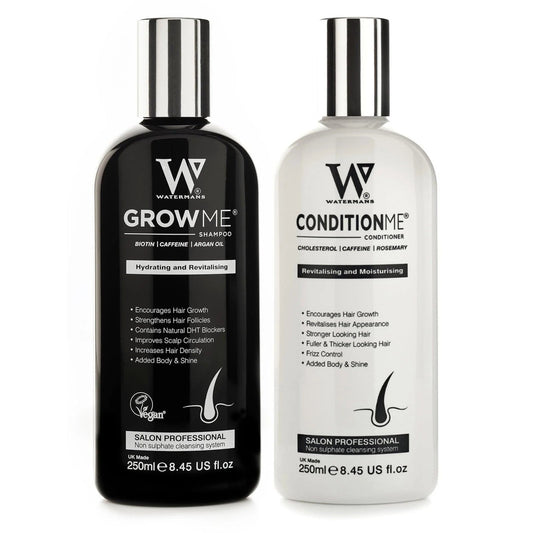
Before you try hard medical steps, know that many people in Australia first use Watermans Grow Me Shampoo. This shampoo is known for its scalp and volumising benefits. It works with ingredients like Biotin, Rosemary, Caffeine, Niacinamide, Argan Oil, Allantoin, and Lupin Protein. You can read more or try it at Watermans Hair Australia.
What Is Raloxifene and Why Is It Prescribed?
Raloxifene is a selective oestrogen receptor modulator (SERM). It acts like oestrogen in some body parts and blocks it in others.
Common Uses of Raloxifene
Doctors normally use raloxifene to:
• Treat or prevent osteoporosis in postmenopausal women
• Lower the risk of invasive breast cancer in higher‑risk women
It works by acting like oestrogen on the bones to keep density high. In breast tissue, it stops oestrogen from working, reducing cancer risk.
Is Hair Loss Listed as a Side Effect?
Most information does not list hair loss as a usual side effect. Common effects include:
• Hot flushes
• Leg cramps
• Swelling in the legs or hands
• Flu‑like symptoms
Yet medications that affect hormones can change hair for some, even if it is not the main side effect. This is why people mention raloxifene hair loss in forums and reports.
Can Raloxifene Cause Hair Loss?
The Link Between Hormones and Hair
Hormones affect hair in clear ways:
• Hair follicles respond to hormones, such as testosterone and oestrogen.
• Oestrogen tends to protect hair, so higher levels (as in pregnancy) make hair thicker.
• When oestrogen drops (as after menopause), hair can thin and shed more.
Since raloxifene works at oestrogen receptors, it might change hair growth in some women. This is more likely in women with a family plan for a thinning pattern.
How Raloxifene May Affect Hair Follicles
Current research has a few ideas:
-
Altered Oestrogen Signalling
Raloxifene acts as oestrogen on some cells and blocks it in others. If it changes oestrogen signals on the scalp, it may shorten the growth phase of hair or push more hairs into the shedding phase. -
Menopausal Changes
Women taking raloxifene are often postmenopausal. In this stage, oestrogen is already low and hair thinning can start. The medicine may push this gap further. -
Indirect Effects via Stress or Side Effects
Even if raloxifene does not hurt hair follicles directly, starting a new medicine or having side effects can raise stress. Stress may cause hair shedding. Changes in sleep, diet, or overall health may also hurt hair.
People differ. Some sides will remain unchanged, while others may notice more shedding a few months after starting the medicine.
Recognising Raloxifene‑Linked Hair Changes
It is hard to be sure when many factors play a role. Yet some signs may point to raloxifene hair loss:
Common Signs to Watch For
• More hair in the shower or on the brush than usual
• A widening part on the top of the scalp
• Decreased ponytail volume
• A scalp that appears more visible under strong light
• Changes in texture, such as hair feeling finer or more fragile
When Do Hair Changes Appear?
Hair grows slowly. If raloxifene is involved:
• Changes may appear 2–6 months after starting or changing the dose.
• Shedding might continue for a few months until it stabilises.
• Regrowth, when the trigger is reduced or removed, usually shows by 3–6 months later.
If hair loss starts before raloxifene or long after you have stable use, the medicine might not be the main cause.
Other Reasons for Hair Loss in Women on Raloxifene
Do not assume that raloxifene is always the reason for hair loss. Many factors may affect hair for women on this medicine.
1. Menopause and Age‑Related Thinning
After menopause, women often see:
• Thinning hair overall
• Slower hair growth
• Narrower hair strands
Even without medicine, a family history can cause hair loss with age.
2. Nutrient Shortages
Hair needs many nutrients to grow fast. Some must-have nutrients for hair include:
• Iron and ferritin
• Zinc
• Vitamin D
• B‑vitamins such as Biotin and B12
• Enough protein
Low levels of these nutrients can lead to hair shedding.
3. Thyroid Issues
Both an underactive and overactive thyroid can cause hair to thin or shed. Thyroid concerns are common in middle-aged and older women. Testing may help.
4. Other Medications
Other drugs that can cause hair loss include:
• Some blood pressure medicines (like beta‑blockers)
• Certain antidepressants
• Cholesterol‑lowering drugs
• Some anti‑coagulants
If you started more than one medicine at the same time, talk with your doctor to sort out the cause.
5. Health Conditions and Stress
• Autoimmune issues (like alopecia areata or lupus)
• Recent surgery, illness, or high fever
• High levels of stress, grief, or trauma
These conditions may cause temporary hair shedding that overlaps with raloxifene use.
How to Talk to Your Doctor About Raloxifene Hair Loss
If you suspect your hair loss is linked to raloxifene, it helps to keep clear notes and talk with your doctor before you change your medicine.
What to Write Down
A short record can help your visit:
• The date you began raloxifene and any changes in dose
• When you first saw changes in your hair
• Any other new medicines or supplements
• A family history of hair loss in men or women
• Photos that show changes over time
Photos taken under similar light and with the same parting can help.
Questions to Ask Your Healthcare Provider
You might ask:
- Could my hair loss come from raloxifene, or is another cause likely?
- Should we check thyroid function, iron levels, vitamin D levels, or similar markers?
- Are there other medicines or ways to help if raloxifene affects my hair?
- Is it safe to use topical or natural hair support options while continuing raloxifene?
- Would seeing a skin or hair specialist help?
A doctor may also check for scalp problems such as psoriasis, fungal infections, or scarring conditions.
Non‑Medical First Step: Supporting Hair Health Naturally
Before trying prescription hair loss treatments, many use non‑medical methods to support the scalp. This is one reason many choose Watermans Grow Me Shampoo.
Why Choose Watermans Grow Me Shampoo?
Watermans Grow Me Shampoo is popular in Australia for those worried by shedding or thinning. It is a cosmetic formula meant to:
• Give energy to the scalp and improve its feel
• Boost volume at the roots
• Help hair look thicker and fuller
Key ingredients include:
• Biotin – helps build keratin for stronger hair
• Rosemary – is used for better scalp circulation and hair feel
• Caffeine – may work against some hormone effects on skin cells
• Niacinamide – helps the skin barrier and blood flow in the scalp
• Argan Oil – nourishes and softens hair
• Allantoin – soothes the scalp
• Lupin Protein – strengthens and covers hair strands
Since it is a shampoo, it fits into your normal routine and is tried before stronger treatments.
Daily Hair‑Care Tips to Pair with It
Along with a supportive shampoo, try:
• A gentle, sulphate‑free or mild cleanser so the scalp is not stripped
• Washing with warm rather than very hot water
• Choosing looser hairstyles that do not pull on the roots
• Cutting down on frequent high‑heat styling and harsh chemical treatments
• Using a wide‑tooth comb on damp hair instead of a brush
These steps help keep hair strong and prevent breakage.
Lifestyle and Nutritional Steps for Managing Hair Loss
Hair reflects your overall health. Whether raloxifene affects you or not, there are ways to help hair by supporting your body.
Focus on Protein and Key Nutrients
Hair is mostly made of keratin, a kind of protein. To keep hair healthy:
• Eat enough protein during the day from items like eggs, fish, lean meats, legumes, or tofu.
• Include foods with:
- Iron: red meat, spinach, lentils, fortified cereals
- Zinc: nuts, seeds, or shellfish
- Vitamin D: safe sun time, fortified dairy or alternatives, fatty fish
- Omega‑3s: salmon, sardines, flaxseeds, walnuts
- B‑vitamins: whole grains, eggs, leafy greens
Your doctor may advise on tests or supplements if needed.
Reduce Stress
High stress may push hair into a shedding phase. Some tips include:
• Regular exercise that fits your health
• Gentle methods like yoga, tai chi, meditation, or breathing work
• Keeping in touch with friends and family
• Talking with a professional if anxiety or depression arises
These small routine steps cut down stress on your body and hair.
Sleep and General Health
• Aim for 7–9 hours of sleep each night
• Avoid smoking and limit alcohol
• Keep chronic conditions well managed with your doctor
Good hair often follows strong health routines.
Medical Options for Hair Loss While on Raloxifene
If non‑medical ideas and lifestyle steps do not help or hair loss is fast and upsetting, a doctor may suggest a treatment plan.
Keep in mind that you should speak with a healthcare professional first, especially if you have osteoporosis, heart risks, or clot risks.
1. Topical Minoxidil
Topical minoxidil (2% or 5%) is a common choice for hair thinning in women.
• It is bought without a prescription in many places
• You apply it directly on the scalp once or twice daily
• It may help keep hair growing longer and add density
Because it is used on the skin, it usually does not mix with raloxifene. Still, have your doctor or pharmacist look at all your medicines.
2. Adjusting or Changing Medicines
A doctor might:
• Change the dose of raloxifene, or
• Look at other medicines for osteoporosis (like bisphosphonates or denosumab)
Decisions must balance hair concerns with the benefits for the bones and breasts. Never stop raloxifene without advice.
3. Oral Hair‑Focused Medicines
Some women, especially those with a clear pattern of hair thinning, may try:
• Low‑dose oral minoxidil
• Medicines that block androgens, such as spironolactone
These medicines can affect the body as a whole, so expert advice is needed when using them with raloxifene.
4. Specialist Assessments
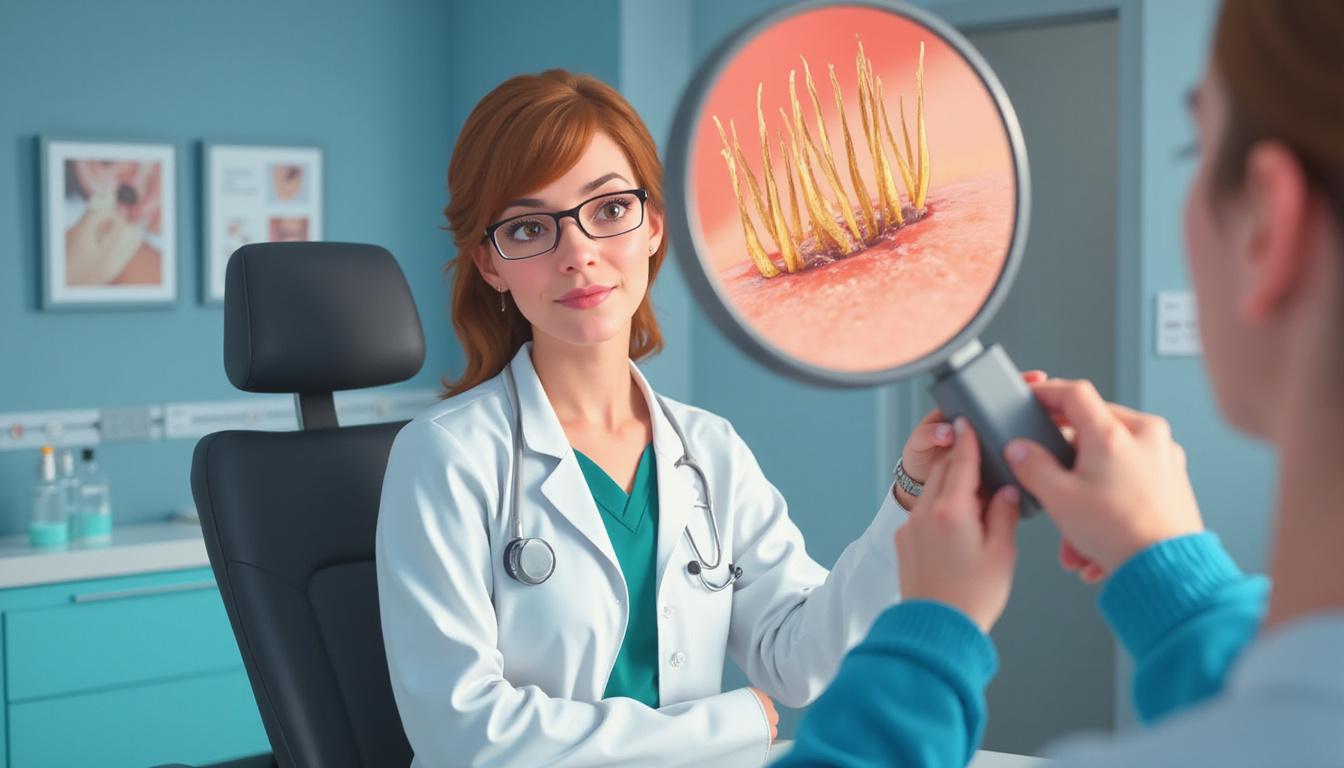
A skin or hair specialist can:
• Look at your scalp with a skin tool
• Tell if hair loss is scarring or not
• Check for conditions like telogen shedding, alopecia areata, or lichen planopilaris
• Create a plan that may include:
- Topical treatments
- Oral medications when needed
- Extra therapies (like low‑level laser or PRP in some clinics)
At‑Home Ways to Manage Thinning Hair
While you learn the cause of raloxifene hair loss, you can use practical steps at home to improve how your hair looks.
Choose Volumising, Scalp‑Friendly Items
Volumising shampoos and conditioners that care for the scalp can help hair look thicker at the roots. Watermans Grow Me Shampoo is made to:
• Boost root volume
• Give the scalp an energetic, clean feel
• Work with ingredients like Biotin, Caffeine, Niacinamide, Rosemary, and Lupin Protein
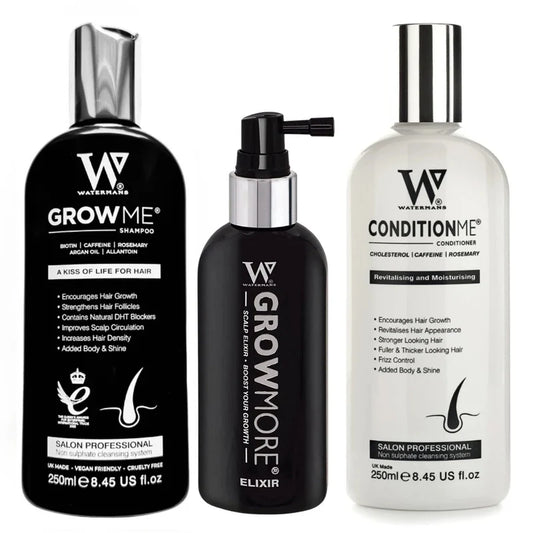
For a complete routine, many choose the Watermans Hair Survival Kit. This kit bundles the shampoo, conditioner, and a leave‑in scalp formula.
Gentle Styling Ideas
Simple changes may reduce breakage:
• Pick looser styles (soft ponytails, loose braids) rather than tight buns or high ponytails.
• Limit daily high‑heat styling. If you do use heat, spray a heat‑protectant first.
• Consider a layered cut or a gentle bob to add volume.
• Ask your hairdresser if subtle highlights or lowlights might create an illusion of thicker hair.
Tricks to Hide Sparse Areas
You might try:
• Sprays or mousses that lift hair at the roots
• Hair fibres or scalp powders to cover a wider part line
• Changing your part to a zigzag or side part to shrink the appearance of scalp space
These tips do not treat the cause, but they help boost your confidence while long‑term steps work.
When Might Raloxifene Hair Loss Be Temporary?
The chance to reverse hair loss depends on its kind and if the medicine remains the trigger.
Telogen Shedding (Stress‑or Medicine‑Related)
If raloxifene or stress causes shedding:
• Hair follicles usually are not permanently hurt.
• Once the trigger is removed or the body gets used to it, shedding may slow over a few months.
• Regrowth can appear between 3 and 9 months as hair cycles to the growth phase.
Sometimes even if you continue the medicine, your body may adjust and hair loss steadies.
Pattern Hair Loss (Androgenetic Alopecia)
In cases of pattern hair loss:
• Hair thinning happens slowly over time.
• Raloxifene might speed up a tendency in some women.
• Treatments work on slowing the loss and supporting new growth rather than a full reversal.
A dermatologist can help tell the difference by checking your scalp closely.
Key Points on Raloxifene Hair Loss
To sum up, here is what to know about raloxifene hair loss:
-
Hair loss is not a main side effect. Still, because the medicine works with oestrogen, some sensitive women may experience changes.
-
Many factors like menopause, age, nutrition, thyroid function, other medicines, and stress affect hair.
-
Keep notes on timing, symptoms, and photos. Talk with your doctor before changing your treatment.
-
A first step is to use non‑medical methods:
• Support your scalp with a shampoo such as Watermans Grow Me Shampoo from Watermans Hair Australia
• Improve your nutrition and reduce stress
• Use gentle styling and volume tricks -
If required, medical treatments like topical minoxidil or advice from a specialist can be added as needed.
Your hair shows your overall health. A careful approach and good discussion with your doctor will help you make strong choices.
FAQ: Raloxifene Hair Loss Questions
-
Does raloxifene cause hair loss in all women?
No. Most women do not have much shedding on raloxifene. Some who are already prone to thinning may see more loss. The medicine may add to the change, but it is not a sure result. -
Can hair grow back after stopping raloxifene if it caused hair loss?
If the shedding comes from a temporary phase, hair may grow back after the trigger is gone or the body adjusts. Regrowth takes time. If pattern hair loss exists, stopping raloxifene alone might not restore all density. Supporting the scalp with products like Watermans Grow Me Shampoo and seeking a doctor’s advice may help. -
What can I do at home to handle raloxifene‑linked hair thinning?
At home, you can:
• Use a shampoo that supports and adds volume to the scalp (for example, Watermans Grow Me Shampoo – visit Watermans Hair Australia)
• Try the Watermans Hair Survival Kit for a complete routine
• Focus on balanced nutrition with enough protein, iron, vitamin D, and B‑vitamins (with your doctor’s guidance)
• Protect your hair from heat, harsh chemicals, and too-tight hairstyles
• Speak with your doctor if loss is fast or severe so that other causes can be ruled out
Take Action: Care for Your Hair and Health
If you face osteoporosis risk or breast cancer risk, raloxifene may help your overall health. Your hair is a part of your identity and deserves care. You can take steps to support your hair while keeping up your treatment.
Work with your doctor to find the source of hair changes. In the meantime, care for your scalp with methods like using Watermans Grow Me Shampoo (find it at Watermans Hair Australia). Combine this with good nutrition, stress control, and gentle styling.
You do not need to choose between strong bones, breast health, and healthy hair. Start by easing your hair‑care routine and bring your notes to your next appointment.