Rebound hair loss: 10 Expert Ways to Stop Shedding Naturally
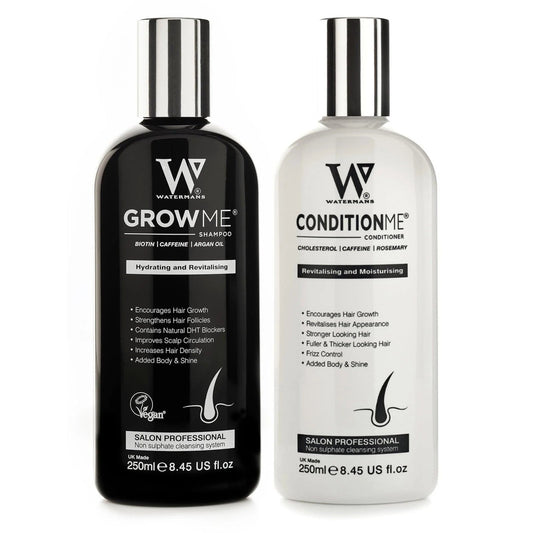
Rebound hair loss is hard to face. You work to stop shedding, then see it rise again. It can come when you stop a medicine, harsh treatment, or change your routine. This loss can feel like a step back. The good news is that natural care for the scalp may calm and reverse it. A proven, non‐medical choice is Watermans Grow Me Shampoo. This product is made with nature’s actives to boost the scalp and help hair look thicker.
Below are 10 ways, backed by experts and real people, to stop shedding, regain balance, and guard your hair for the future.
──────────────────────────── What Is Rebound Hair Loss?
Rebound hair loss is a sudden rise in shedding when you stop or cut back on a treatment or habit that once kept hair loss in check.
This happens when: • You stop certain hair products or strong treatments. • You leave hormonal contraception or hormone‑affecting pills. • You drop tight styles or chemical straightening that hid thinning. • You change your routine quickly (for example, stopping a stimulant shampoo).
Your scalp and follicles adapt to one setting. When this changes fast, the hair cycle shifts. More strands move from growing (anagen) to shedding (telogen).
Common signs of rebound hair loss: • More hair on your pillow, brush, or in the shower. • A spike in shed within weeks of a change. • Thinning hair rather than clear bald spots. • Hair that feels limp, flat, and sparse at the roots.
In many cases, this shedding lasts for a short time. Gentle, steady care helps. The aim is to keep the follicles safe and the scalp strong.
──────────────────────────── Why Rebound Hair Loss Happens: The Simple Science
It helps to know the hair growth cycle:
- Anagen (growth) – lasts 2–7 years.
- Catagen (transition) – about 2–3 weeks.
- Telogen (resting/shedding) – about 3 months.
A shift outside the normal cycle (hormone change, stopping treatment, stress, or illness) can push many hairs into telogen at once. This spike is known as telogen effluvium.
Rebound hair loss is a type of telogen effluvium. It comes when you remove or change a previous treatment (like minoxidil, certain pills, strong laser therapy, or even internal changes such as ending the pill).
──────────────────────────── 10 Expert Natural Ways to Stop Rebound Hair Loss
Below are 10 practical, natural steps you can apply right away. They work best as a full routine.
────────────────────────────
- Work From the Scalp First
Many chase “healthy hair” by masking the lengths. Rebound hair loss starts at the follicles and scalp. Design your care routine with the scalp in mind.
Make your Shampoo Work Hard
Use a gentle, active shampoo that boosts blood flow. Avoid strong detergents or medicated formulas that may irritate or dry out the scalp.
Watermans Grow Me Shampoo can be a good pick. It has: • Biotin to back keratin for stronger hair. • Rosemary to support scalp circulation. • Caffeine to give energy to the follicles. • Niacinamide to guard the skin barrier. • Argan Oil to add light moisture and shine. • Allantoin to calm an uneasy scalp. • Lupin Protein to help add volume to hair strands.
This routine may cut breakage and shedding at the root, lift the hair near the scalp, and keep the scalp calm and moist.
How to use: Focus on the scalp when shampooing. Gently massage for 2–3 minutes to let the actives work with the follicles. Rinse well. Use it regularly (3–5 times each week, based on your hair type).
──────────────────────────── 2. Ease Off Hair Treatments Slowly
A quick stop can trigger extra shedding. The follicles are used to the old actives. When these vanish at once, the cycle may wobble.
When you stop or change: • Taper off when you can. For instance, if you use a daily treatment, cut back to every second day, then twice a week before stopping (always check with your doctor if you use a prescription). • Start the new, gentler routine early. Let the follicles get support before you stop the old treatment. • Expect shedding in a window of about 6–12 weeks. Steady care can help during this phase.
──────────────────────────── 3. Feed Your Follicles With Nutritious Food
Hair follicles work fast and need fuel. When the body lacks key nutrients, it may save energy for other needs. This can lead to more shedding.
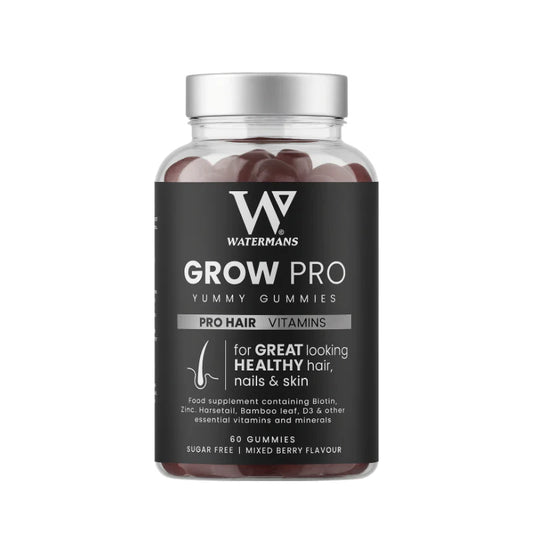
Key nutrients include: • Protein (from eggs, lean meats, beans, Greek yoghurt, tofu) – hair is built on keratin, a protein. • Iron (from red meat, lentils, spinach, sardines) – low iron may lead to diffuse shedding. • Zinc (from pumpkin seeds, oysters, chickpeas, nuts) – helps repair the scalp. • Omega‑3 fatty acids (from salmon, mackerel, chia seeds, walnuts) – reduce inflammation. • B‑vitamins and biotin (from eggs, whole grains, greens, nuts) – help build keratin.
If you feel signs of a deficiency such as fatigue, brittle nails, or heavy periods, ask your GP for tests before using supplements.
──────────────────────────── 4. Calm the Scalp and Clear Buildup
Rebound hair loss may call with an itchy, tight, or burning scalp. You might see flakiness or extra oil, or notice redness around follicles. These point to inflammation.

To calm the scalp: • Use a balancing shampoo system often. Actives like niacinamide, rosemary, caffeine, and allantoin in Watermans Grow Me Shampoo can calm and boost circulation. • Avoid heavy silicones and oils that stick around the scalp. • Gently clarify once every 2–4 weeks if you use many styling products. Follow with a hydrating, active shampoo. • Do not scratch. Scratching adds stress to the follicles. Get help if the scalp is very itchy.
──────────────────────────── 5. Manage Stress With Simple Habits
Stress adds to the shedding. When you face stress, cortisol goes up. Blood flows less to the scalp. Over time, this change can shorten hair growth, push more hair into shedding, and lower nutrient supply.
Simple stress strategies: • Spend 10–15 minutes on simple mindfulness or breathing exercises each day. • Enjoy regular movement like walking, swimming, gentle workouts, or yoga 4–5 times per week for both body and mind. • Keep a steady sleep routine with 7–9 hours of rest, with a consistent bedtime and time to rise. Taking care of your mind will help your hair over the coming months.
──────────────────────────── 6. Treat Your Hair With Care
Most hair that falls was due to deeper shedding. However, careful handling helps the rest stay strong.
Gentle hair care practices include: • Use a soft brush and low tension. Start at the ends and work up. • Skip tight hairstyles. High ponytails, braids, and buns can pull the hair out. Choose loose styles and soft ties. • Sleep on a satin or silk pillowcase, which reduces friction. • Lower heat styling. Use lower temperatures and a heat protectant. Air‐dry when you can. Keep every healthy strand you can.
──────────────────────────── 7. Use Scalp Massage and Topical Care to Boost Flow
Along with a good shampoo, massaging the scalp can boost blood flow. Research shows that regular scalp massage may help hair appear thicker. It works by stretching skin cells and inviting growth signals.
How to massage: • Do it 4–7 times per week for 4–5 minutes per session. • Use your fingertips (not your nails) for light pressure in small circles. • Cover all areas: the front, crown, sides, and back. You might massage in the shower while shampooing or on a dry scalp with a few drops of a light oil like jojoba.
Keep the habit. Steady care beats a one-off fix.
──────────────────────────── 8. Watch Your Body’s Inner Signals
Rebound hair loss can come with other internal changes. This can happen when you stop hormone pills, after pregnancy, during menopause, or with thyroid issues. These shifts affect the hair cycle from the inside.
If you experience symptoms like: • Irregular periods, adult acne, or extra hair on your face or body. • Sudden weight changes, severe fatigue, or changes in temperature regulation. • Hair thinning at the crown or temples. Consider seeing your doctor. Tests may include checking thyroid function, iron stores, vitamin levels, or hormones.
In the meantime, a steady scalp routine with Watermans Grow Me Shampoo may help protect your hair.
──────────────────────────── 9. Set Up a Simple, Ongoing Hair Care System
Stopping rebound hair loss means building a system that helps in the long run. A simple, repeating three-step routine can work well.
A basic system may include:
- Wash – 3–5 times each week with Watermans Grow Me Shampoo. Focus on the scalp and massage gently.
- Condition – Every time you wash, add a nourishing conditioner to the mid‑length and ends. Avoid the roots if your scalp gets oily.
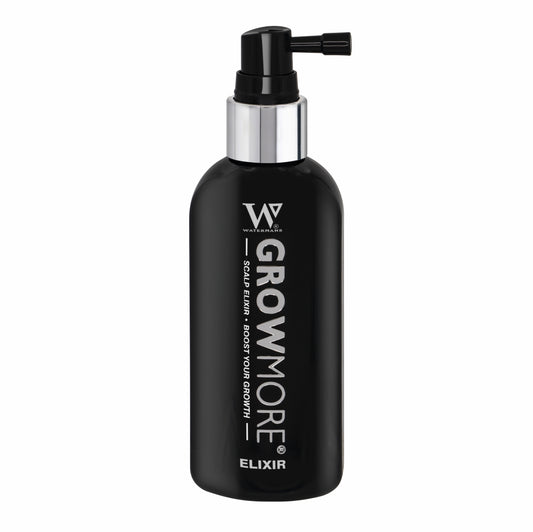
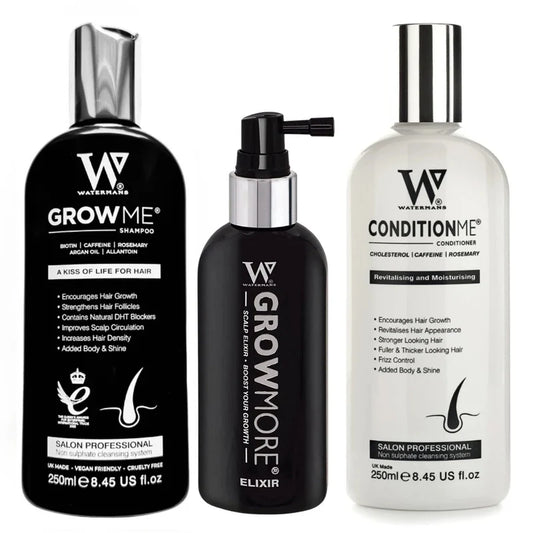
- Leave‑in – Use a leave‑in scalp treatment several times per week to keep the follicles active. For a full system, you might try the Watermans Hair Survival Kit, which has shampoo, conditioner, and a boost leave‑in treatment.
A stable routine helps keep the scalp calm even when you change other parts of your regimen.
──────────────────────────── 10. Give the Hair Cycle Time and Note Your Progress
Rebound hair loss can cause worry. This worry leads to trying many products, which can prolong shedding. Hair growth is slow and takes several months of steady care before you see a change. Expect to see a difference after 3–6 months.
To track progress: • Take a photo each month. Use the same light, angle, and setting. • Do a gentle tug test once a month. Hold a small bundle and run your fingers along it. A little shedding is normal. • Watch for early signs: a calmer scalp, hair that looks thicker at the roots, and fewer hairs in the drain. A steady routine and healthy habits give your hair time to reset.
──────────────────────────── Natural Choices and Medical Treatments
Natural methods work to support the scalp. They aim to: • Boost scalp health and blood flow. • Calm any skin irritation. • Supply nutrients. • Support hair strength.
Watermans Grow Me Shampoo is a gentle, active-rich, non-medical choice that many start with. It works when shedding is mild or recent.
When You Need Medical Help
See a professional if you notice: • Sudden patchy hair loss or bald spots. • Scarring, oozing, or strong scaling on the scalp. • Rapid, extreme shedding along with fever, pain, or strong fatigue. • A strong family history of early baldness and fast thinning. Doctors can suggest: • Prescription topicals or pills. • In-clinic options such as PRP. • A biopsy if scarring is present. These treatments may work with natural care when led by a doctor.
──────────────────────────── Frequently Asked Questions About Rebound Hair Loss
-
How long does rebound hair loss last?
Rebound hair loss often starts within weeks to three months after a change. Visible shedding usually lasts about 3–6 months. Full regrowth may take 6–12 months. Steady scalp care with Watermans Grow Me Shampoo can help during this time. -
Can rebound hair loss be reversed naturally?
Many people see improvement by using scalp care, good food, stress control, and gentle handling. These steps help the hair cycle return to normal. Watermans Grow Me Shampoo and the Hair Survival Kit can be a good non-medical start. -
What is the best shampoo for rebound hair loss?
A gentle shampoo that cares for the scalp is best. Look for a formula with biotin, caffeine, rosemary, niacinamide, argan oil, allantoin, and plant proteins. Watermans Grow Me Shampoo is made with these actives. It works to boost the scalp and lift hair from the roots.
──────────────────────────── Get Back in Control of Your Hair
Rebound hair loss can feel like a step backward when you are making progress. This phase is usually temporary. A shift in your routine does not mean you lose hope.
Start by switching to a scalp-focused, non-medical shampoo like Watermans Grow Me Shampoo. Build a simple routine that cares for both your scalp and your body. Give your hair the time and support it needs to regain strength and fullness.
Visit https://watermanshair.com.au for more on the range. Start with a shower that cares for you.