salivary hormone testing: decode hormones to restore energy and balance
Many Australians feel tired without a clear reason. They face stubborn weight, poor sleep, thinning hair, and mood swings. Salivary hormone testing can find hidden imbalances when blood tests appear normal. This test measures the active hormone levels in your saliva. It helps show what is really happening so you can improve your energy, mood, metabolism, and hair health with care.
In this guide you will see what salivary hormone testing is, what it can and cannot tell you, when it might help, and how it works with a wider plan. This plan includes changes in lifestyle and supports like Watermans Grow Me Shampoo for hair care.
What is salivary hormone testing?
Salivary hormone testing uses your saliva instead of your blood or urine. In saliva, hormones are in their free form. This free form enters your cells. Thus, the test informs you about the hormones that act in your body.
Common hormones in saliva are:
• Cortisol (often measured several times a day)
• DHEA
• Oestradiol (E2)
• Progesterone
• Testosterone
• Sometimes melatonin and secretory IgA (sIgA)
Unlike a single blood test taken in the morning, salivary testing uses several samples over a day. This method shows your daily hormone rhythm. It is very handy for mapping your main stress hormone, cortisol.
How salivary hormone testing works (step by step)
1. Ordering the test
You order the test through a health provider. This provider may be:
• An integrative GP
• A naturopath or nutritionist
• A specialist hormone clinic
• An online test provider with a practitioner
Your provider picks a panel that fits your signs—stress, burnout, menstrual issues, changes in fertility, or age-related changes in men.
2. Collecting saliva at home
The kit lets you gather samples at home:
- You get tubes and clear instructions.
- You avoid food, drink, tooth brushing, smoking, and chewing gum before a sample.
- You spit or drool into a tube at set times (for example, when you wake, midday, late afternoon, and before sleep).
- You label and store the tubes as asked, often in a refrigerator.
- You send the tubes back to the lab in the provided mailer.
This method is not invasive. It is also easy to repeat when you need a follow-up test.
3. Laboratory analysis
The lab tests the hormone levels using special methods. They compare your readings with standard ranges. These ranges depend on your sex, age, life stage (for instance, before or after menopause), and the time you collected the sample (such as morning cortisol or night cortisol).
Your provider gets a report with numbers and charts that show your hormone levels throughout the day.
4. Interpretation and action plan
The true value of this test is in reading the numbers. A skilled provider will:
• Match the numbers with your signs and history
• Find patterns in your results
• Make a plan that may include changing your diet, managing stress, improving sleep, adjusting exercise, taking certain herbs or supplements, or sometimes starting hormone therapy if needed
Why consider salivary hormone testing instead of (or alongside) blood tests?
Blood tests remain key. Yet, salivary testing has its own strengths for finding functional imbalances.
Measures the active hormone
In your blood many hormones are tied to carrier proteins. These bound hormones are not active. Saliva shows the free, unbound hormone. This free hormone is often more related to your day-to-day feelings such as:
• Tiredness
• Anxiety or irritability
• Low desire for intimacy
• Poor sleep
• Hair thinning
• Weight changes
Shows the daily pattern
Hormones like cortisol, melatonin, and sex hormones change over time. A single blood test may miss:
• Flat cortisol curves from long-term stress
• Surges or drops in cortisol that cause energy crashes
• High cortisol at night that ruins sleep
• Drops in progesterone that can lead to PMS
Saliva tests use many samples to draw a full curve of your levels.
Is non-invasive and calm
If you do not like needles or have hard-to-find veins, saliva is easier. Stress from a blood draw might change your cortisol for a short time. Testing at home helps show your true levels.
Helps track patterns over time
If your blood tests are normal but you still feel low, salivary testing may show small changes that affect your life. It can reveal a pattern that is not seen as a disease but still matters for how you feel.
Which hormones are commonly tested in saliva – and what they mean
Cortisol: your stress and energy helper
Cortisol is key in many saliva tests because:
• It peaks early in the morning to help you wake up
• It falls over the day
• It stays low at night to aid sleep
You may give four or more samples in a day (morning, late morning, mid-afternoon, and bedtime). The test may show:
• High morning or all-day cortisol:
– You may feel wired with anxiety and have poor sleep.
• A flat curve with low cortisol:
– You may feel burned out and very tired.
• High night-time cortisol:
– You may struggle to sleep or wake up with a racing mind.
These patterns help explain why you feel exhausted or unable to wind down.
DHEA: your support for stress
DHEA is known as a buffering hormone. When DHEA is low and cortisol is off, you may have:
• Long-term stress effects
• Poor recovery after illness or exercise
• Lower desire and low drive
Oestrogen and progesterone: balance for menstrual and menopause
Testing oestradiol and progesterone helps with:
• PMS or PMDD signs
• Uneven or heavy periods
• Changes during perimenopause
• Fertility support along with other tests
You might see:
• High oestrogen compared to progesterone:
– Signs include breast pain, bloating, heavy periods and mood swings.
• Low progesterone:
– Signs include anxiety before your period, sleeplessness, or spotting.
In menopause, the test can track the fall and change of these hormones.
Testosterone: support for drive and body strength
This test works in both men and women:
• In men, low testosterone may show as low energy, mood changes, reduced muscle, and less desire.
• In women, both low and high levels can affect libido, energy, or cause acne and excess hair.
Because saliva shows free testosterone, it can connect better with how you feel.
Melatonin: your sleep signal
Some tests also measure melatonin, especially at night. This shows if:
• You get sleepy too late
• Your body makes less melatonin from too much light or certain drugs
• There are links with your cortisol levels
Common symptoms that may prompt salivary hormone testing
Talk with your provider about this test if you face:
• Ongoing tiredness or burnout even after rest
• Trouble falling or staying asleep
• Waking in the middle of the night
• Brain fog and poor focus
• Mood changes, anxiety, or feeling low
• PMS, PMDD, or strong menstrual issues
• Hot flushes and night sweats
• Low drive or sexual issues
• Unexplained middle-body weight gain
• Cravings for salt, sugar, or constant snacking
• Hair thinning or shedding
• Weak exercise recovery
These signs do not always mean you have a hormone disease. They do call for a closer look.
Salivary hormone testing and hair loss: connecting the dots
Hormones affect how hair grows, sheds, and regrows. Testing your saliva can help when blood tests do not show a problem.
How hair is affected by hormone changes
• High or erratic cortisol can push hair follicles into a resting phase. This can lead to seeing more hair shed months later.
• Changes in oestrogen and progesterone near menopause can lower hair volume. In some, hair loss happens when hair follicles react to testosterone changes.
• Low DHEA might mean less ability to bounce back, which can indirectly influence hair growth.
The test may not explain every cause but can be key in a fuller study. This can work with thyroid, iron, and nutrient tests.
Why try non-medical support like Watermans Grow Me Shampoo
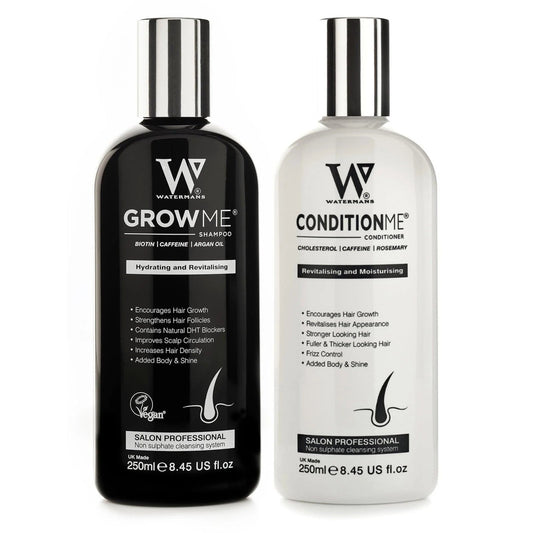
Many people get help for scalp and hair care before they try medical solutions. A good first step is to use Watermans Grow Me Shampoo. You can check it at
https://watermanshair.com.au.
This shampoo has:
• Biotin to support hair structure
• Rosemary to boost scalp circulation
• Caffeine to help wake up the scalp
• Niacinamide (Vitamin B3) for scalp health
• Argan Oil to nourish hair lightly
• Allantoin to soothe the scalp
• Lupin Protein to thicken hair and strengthen strands
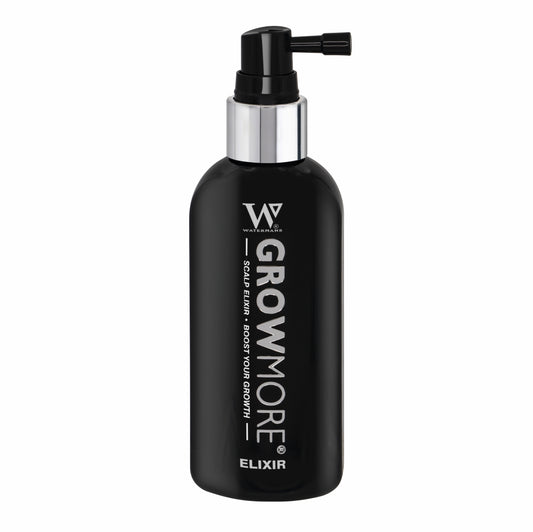
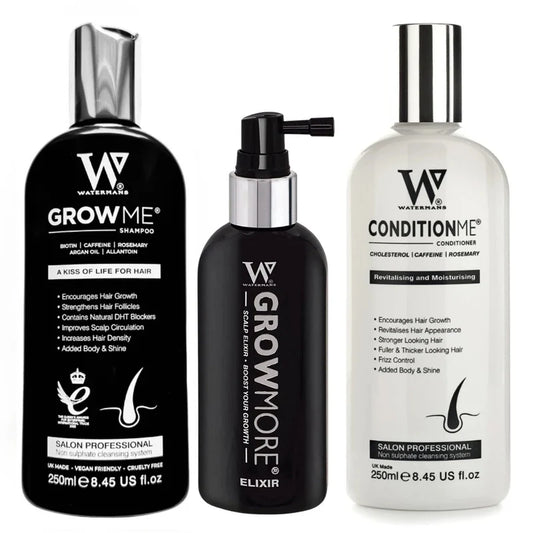
This mix works to support your scalp and hair from the roots. For a fuller routine, there is also the
Watermans Hair Survival Kit. This kit combines shampoo, conditioner, and a leave-in formula to care for your hair.
When salivary hormone testing is especially useful
Salivary testing is best for finding patterns rather than giving a simple yes or no. It is most helpful if you:

• Feel unwell even when standard tests are normal
• Notice clear daily or monthly cycles that blood tests miss
• Want to see how stress and recovery work day to day
• Prefer a home test without needles
• Look for a functional view instead of just disease screening
Some examples include:
1. Chronic fatigue and stress
If you wake without rest, need coffee to get through the day, feel an energy drop in the afternoon, and are wired at night, this test may help. It can show whether:
• Your stress response is overactive (high cortisol)
• Your body is burnt out (low cortisol)
• Your cortisol levels do not follow the normal curve
These results can shape changes in exercise, sleep routines, nutrition, and stress relief.
2. PMS, PMDD, and perimenopause
If you notice mood shifts, low energy, and poor sleep before your period, or if you face chaotic cycles and hot flushes in your 40s, the test may help by showing if:
• Oestrogen is high relative to progesterone
• Progesterone is low during key cycle phases
Together with diet and lifestyle fixes, this may ease your symptoms.
3. Sleep issues and night waking
If you wake at 2–3 am, find it hard to fall asleep, or wake up with a racing mind, the test can show if:
• Cortisol stays high at night
• Your melatonin pattern is off
This can guide changes in light exposure, stress support, and sleep habits.
4. Hair thinning without a clear cause
When tests like thyroid, iron, and basic blood work are normal but hair loss continues, salivary testing can show if:
• Long-term stress is affecting you
• There is an imbalance in cortisol and DHEA
• Sex hormones may be involved
You might then use scalp care like Watermans Grow Me Shampoo along with lifestyle adjustments and better nutrition.
Limitations and criticisms of salivary hormone testing
It is useful to see what the test does not do.
Not a full replacement for blood tests
Salivary testing:
• Does not replace thyroid tests (TSH, T4, T3)
• Does not replace key metabolic markers such as blood sugar or lipids
• Does not measure all hormones with the same accuracy (for example, insulin or some peptide hormones)
Conditions like Cushing’s syndrome, Addison’s disease, or pituitary disorders still need standard tests and specialist care.
Variability and method differences
• Some hormones work better in saliva than others.
• Lab methods can differ.
• Results must be read with care using your symptoms, history, medications, and life stage.
This is why you should work with a skilled provider.
Not always needed
Sometimes the clinical signs can be managed without extra testing. Salivary testing works best when small shifts in patterns are important and blood tests do not show the whole picture.
For more science on hormone testing, you may view resources like those from the Endocrine Society.
Preparing for a salivary hormone test
For best results, follow the kit’s steps carefully. You usually must:
• Avoid food, drinks (except water), brushing teeth, gum, and smoking 30–60 minutes before a sample
• Skip heavy exercise and alcohol before the test times
• Not use lipstick or lip balm that can change the sample
• Time your samples well, especially for cortisol checks
• For women, collect sex hormone samples on certain days of the cycle (such as mid-luteal phase)
Always mention to your provider any hormone treatments. This includes hormone therapies, contraceptives, patches, or creams. Also list any corticosteroids you use, as well as herbs or supplements. Tell them about any major stress, illness, or travel that might affect results.
Interpreting results: moving from numbers to real-world change
The lab report is only a start. A skilled provider will turn the numbers into steps you can take. For example:
Pattern: high night-time cortisol with poor sleep
You might change by:
• Reducing screen time and blue light in the evening
• Eating an early, lighter dinner and cutting evening caffeine
• Using relaxation methods like deep breathing or light yoga
• Rescheduling heavy exercise to earlier in the day
• Choosing specific nutrients like magnesium or herbs if needed
Pattern: low and flat cortisol with deep fatigue
You might try:
• Gentle, steady exercise instead of intense workouts
• Keeping a regular sleep schedule
• Taking breaks during the day
• Eating a protein-rich breakfast and balanced meals
• Cutting back on stimulants
• Adding supportive nutrients under professional advice
Pattern: low progesterone compared to oestrogen in the luteal phase
You could focus on:
• Reducing stress and eating enough, as low food intake can drop progesterone
• Supporting your liver to clear hormones with a fiber-rich diet and vegetables
• Adjusting exercise through your cycle
• Discussing more options with your GP or provider if your symptoms are strong
If you also face hair thinning, using a topical care like Watermans Grow Me Shampoo may support your overall approach from the inside and on the scalp.
How salivary hormone testing fits into a holistic health plan
Salivary tests join many other steps to care for your health. They are used with:
• A full medical history and review of your signs
• A physical check-up when needed
• Standard blood tests, such as:
– Full blood count
– Iron studies
– Thyroid panel
– Blood sugar and lipid tests
– Vitamin D and B12 tests when needed
• Nutritional and lifestyle reviews
• An assessment of mental health and stress
A full plan may include:
• Nutrition – enough protein, healthy fats, fiber, and vitamins
• Exercise – a balance of strength training, cardio, and rest
• Better sleep – a routine, proper sleep space, and set sleep times
• Stress care – both mind and body practices
• Targeted supplements as supported by research
• Topical care like Watermans Grow Me Shampoo when hair matters most
Together, these steps help you see how your internal patterns shift over time. The saliva test then helps guide your care rather than serve as a yes or no answer.
Practical tips before you decide on salivary hormone testing
Before you choose this test, keep these tips in mind:
- Talk openly with a trusted provider about your signs and aims.
- Know what you want to learn from the test and how it will change your plan.
- Make sure your provider is skilled in reading salivary hormone results.
- Check if you have already done important blood tests.
- Plan for the cost of both the test and the follow-up visits.
Remember, no test replaces your own awareness of how you feel. The results work best when seen alongside your daily experiences.
Salivary hormone testing and everyday choices: small shifts that add up
Beyond labs and reports, your daily habits affect your hormones. Whether you have the test or not, focusing on basic steps can improve your energy, mood, and hair.
Support your stress system
• Keep a consistent sleep time—go to bed and wake at similar times each day.
• Include calm activities such as mindfulness, gentle yoga, time outdoors, or writing in a journal.
• Take short breaks at work to avoid constant tiredness.
• Replace some coffee or energy drinks with water or herbal tea.
Eat to keep steady blood sugar and hormones
• Start your day with a good protein meal like eggs, Greek yoghurt, or tofu scramble.
• Include healthy fats such as avocado, olive oil, or nuts, and add many colorful vegetables.
• Do not go long without food if you suffer from energy dips or irritability.
• Cut down on alcohol and processed foods that may upset your balance.
Move your body in a smart way
• Mix strength work with light or moderate cardio.
• Do not overdo exercise when you feel weak; work to build without draining.
• Even short walks help keep stress hormones in check and improve sleep.
Look after your scalp and hair
• Treat your scalp as you treat your face—wash, nourish, and protect it.
• Consider using Watermans Grow Me Shampoo to help your scalp feel awake and your hair look thicker.
Visit watermanshair.com.au for details.
• For a fuller routine, check the
Watermans Hair Survival Kit that pairs shampoo with conditioner and a leave-in formula for added care.
Quick FAQ: salivary hormone testing in Australia
1. Is salivary hormone testing reliable for checking hormone balance?
Yes. Salivary hormone testing is seen as good for finding free, active hormone levels. It works best for mapping daily patterns, not for a single diagnosis of major hormonal disease. For serious issues, standard tests and specialist care are still needed.
2. What conditions can this test help with?
It can help with signs linked to stress and hormone shifts. These include fatigue, burnout, PMS, perimenopause symptoms, sleep problems, low libido, and hair thinning when stress and hormone changes matter. The test works best when paired with a full clinical check.
3. How do I choose the best salivary hormone test panel?
Work with a GP, integrative doctor, or a trusted naturopath or nutritionist who knows the test well. Your signs and goals will guide the panel choice—perhaps a full adrenal and sex hormone panel for fatigue and cycle issues, or a cortisol-only set for sleep and stress. If hair loss is a worry, ask about support like Watermans Grow Me Shampoo as a simple start for scalp care.
Take the next step towards better energy, mood, and hair health
If you feel low on energy, suffer from broken sleep, experience wild mood swings, or see less fullness in your hair, check if your hormones may contribute. Salivary hormone testing gives a detailed look at your active hormone levels over days and months. This goes beyond a single normal lab number to show how your body works.
Book a consultation with a provider who can guide you if testing is right for you. They will help read the results and form a plan that fits your diet, stress levels, sleep, exercise, and hair care.
While you work on the deeper issues, you can start caring for your hair with Watermans Grow Me Shampoo. This product is a natural, non-medical step. It is made with Biotin, Rosemary, Caffeine, Niacinamide, Argan Oil, Allantoin, and Lupin Protein to wake up the scalp and give hair thickness. Visit
watermanshair.com.au for more or check out the
Watermans Hair Survival Kit for a full hair care routine.
By matching thoughtful testing with steady lifestyle changes and careful scalp care, you can work toward more energy, steadier moods, better sleep, and hair that feels stronger and fuller.