scalp aromatase: How It Drives Hair Loss and Treatment Options
Understanding scalp aromatase is key to solving hair loss.
Many people fix on DHT, testosterone, or stress.
Scalp aromatase turns androgens into oestrogens in hair follicles.
This enzyme works in both men and women, before and after menopause.
It can affect shedding, thinning, and long‑term hair density.
In this guide you learn how scalp aromatase acts, how it shifts hair growth and hair loss, and how it differs in men and women.
You see test options and many treatment paths, including medicine, lifestyle shifts, and natural choices.
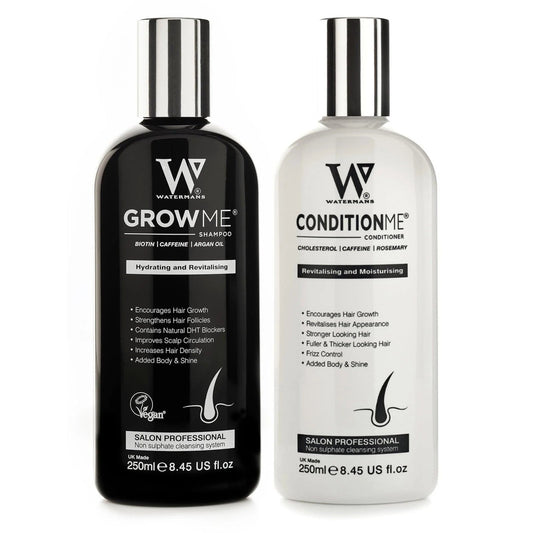
Many in Australia and around the world try Watermans Grow Me Shampoo as a natural, non‑medical aid for hair growth and scalp health.
What Is Scalp Aromatase?
h2: The basic science of aromatase
Aromatase, made by the CYP19A1 gene, turns:
• Testosterone → Oestradiol (E2)
• Androstenedione → Oestrone (E1)
We call this change aromatisation.
It happens in many parts of the body, such as:
• Ovaries and testes
• Fat tissue
• Brain
• Skin and hair follicles (especially on the scalp)
When we mention scalp aromatase, we mean the enzyme’s work in hair follicles and the skin around them.
Local hormone action here can differ from blood hormone levels.
h2: Aromatase vs DHT – two sides of the same hormonal coin
Most talks about hair loss stress DHT.
DHT comes from testosterone with the help of 5‑alpha reductase.
DHT can shrink hair follicles in pattern hair loss.
Aromatase and 5‑alpha reductase share substrates: testosterone and androstenedione.
In theory:
• More aromatase means more conversion into oestrogens, and less DHT made.
• Less aromatase leaves more androgens to form DHT.
Yet oestrogens can help or hurt hair.
This depends on sex, life stage, and scalp region.
How Scalp Aromatase Influences Hair Growth
h2: Local oestrogen production in hair follicles
Hair follicles are active and make/respond to hormones.
Aromatase lives in:
• Dermal papilla cells
• Outer root sheath cells
• Nearby skin cells
Local oestrogen here can:
• Shift the hair cycle (anagen, catagen, telogen)
• Change hair shaft thickness
• Alter inflammation and oxidative stress
• Team up with androgen receptors
h2: Regional differences in the scalp
Not all scalp spots act the same.
Studies show:
• In the frontal and vertex areas
– Androgen receptor numbers are high
– Aromatase may run at a lower rate than in the back
• In the occipital scalp (used as a donor in transplants)
– The hair resists androgen shrinkage
– Aromatase may work at a higher rate, reducing DHT effects
This helps explain why hair thinning shows a pattern rather than an even loss.
Scalp Aromatase in Men vs Women
h2: Gender differences in aromatase expression
Both men and women show aromatase in the scalp, but with important differences: • Women often hold higher aromatase levels in many scalp zones, with richer oestrogens before menopause. • Men often see less aromatase activity in key thinning spots and feel more of DHT’s effect.
This explains why: • Women show diffuse thinning (a widening part line and overall density drop) instead of full baldness. • Men frequently face receding hairlines and bald spots on top.
h2: Female pattern hair loss and scalp aromatase
In women:
• Pre‑menopause:
– Oestrogens help keep hair in the growth phase and make hair thicker.
– More aromatase on the scalp may cut down DHT in some regions.
• Peri‑ and post‑menopause:
– Oestrogen in the blood drops, while androgens may stay high.
– Shifts in aromatase and hormone ratios can tip the balance toward thinning and shedding.
This pattern explains why some women first see thinning around midlife.
Does Higher Scalp Aromatase Help or Harm Hair?
h2: Protective aspects of aromatase for hair
In some cases, higher aromatase activity protects hair:
• It turns more androgens into oestrogens, leaving less for DHT production.
• Local oestrogens can:
– Support the hair growth phase
– Increase hair shaft thickness
– Improve blood flow and nutrient supply
Some research finds more aromatase in scalp spots that resist baldness.
h2: When aromatase imbalance becomes a problem
But aromatase does not always help.
Issues occur when:
• High body fat, long‑term stress, or some drugs tilt the balance toward more oestrogen.
• The local scalp enzyme work gets overwhelmed, which may lead to:
– Extra inflammation
– A disrupted hair cycle
– Mixed signals with other pathways such as those of prostaglandins and cytokines
In conditions like PCOS, chronic metabolic issues or obesity, the mix of aromatase, androgens, and oestrogens can badly affect hair on the scalp and body.
Scalp Aromatase and Androgenetic Alopecia
h2: Classic pattern hair loss and local enzyme balance
Androgenetic alopecia (pattern hair loss in men and women) stems from: • Genes (and androgen receptor types and 5‑alpha reductase activity) • Local hormone shifts (DHT, aromatase, cortisol, prostaglandins) • Small-scale inflammation and scarring around follicles
In pattern hair loss: • Shrunken follicles grow more sensitive to DHT. • Shifts in aromatase in different scalp regions can change the speed and degree of follicle shrinkage. • Non‑balding areas often show higher aromatase, hinting at a protective role.
h2: Why two people with similar hormones lose hair differently
Two people with similar blood levels of testosterone and DHT can show different hair loss patterns.
This is due to:
• Differing local aromatase actions
• Variations in androgen receptor sensitivity and numbers
• Genetic differences in hair follicle responses to oestrogens and androgens
Blood tests alone may miss these local shifts on the scalp.
Testing and Measuring Aromatase Activity
h2: Can you test scalp aromatase directly?
Direct tests for scalp aromatase, via skin samples and lab work, occur mostly in research.
They are not common in daily clinic practice.
Yet you may get hints of aromatase behavior through:
• Blood tests
• Hormone panels from saliva or urine
• Observing clinical patterns and symptoms
h2: Indirect markers of aromatase activity
A practitioner might check levels of:
• Oestradiol (E2) and oestrone (E1)
• Testosterone and androstenedione
• DHT (when it is measured)
• Sex hormone binding globulin (SHBG)
• Cortisol and insulin due to metabolic stress
Signs of high aromatase include:
• High oestrogens when compared with androgens
• Symptoms that show an oestrogen tilt: fluid build‑up, heavy periods in women, growth of breast tissue in men, mood shifts
• Thinning hair on the scalp along with extra hair on other parts of the body in some cases
Keep in mind, whole‐body tests do not always reflect the exact enzyme work on the scalp, but they still give useful clues.
Lifestyle Factors That Influence Aromatase (Including in the Scalp)
h2: Body fat and metabolic health
Fat tissue shows high aromatase activity.
A rise in body fat can mean:
• More aromatase in the body
• More conversion of androgens to oestrogens
• A tilt in hormone balance
Better metabolic health can help restore balance by:
• Keeping blood sugar steady
• Building lean muscle
• Cutting down on belly fat with a good diet and regular movement
h2: Chronic stress and cortisol
Long‑term stress lifts cortisol levels, which can:
• Confuse the balance of sex hormones
• Hurt thyroid work, which is key for healthy hair
• Worsen inflammation on the scalp
Simple changes like better sleep, stress control routines, and gentle exercise can help keep hormones in line.
h2: Alcohol, smoking, and environmental toxins
• Alcohol can push aromatase to work harder and raise oestrogen in men and women.
• Smoking harms blood flow to the scalp, brings more stress from oxidation, and may worsen inflammation that affects hair.
• Chemicals in plastics, some cosmetics, or pesticides can block hormone receptors and add to the imbalance.
Nutritional Approaches to Supporting Healthy Aromatase Balance
h2: Diet patterns that influence aromatase
A whole‑food diet brings steadier hormones and a healthier scalp.
Good eating habits include:
• Loads of colorful vegetables—especially cruciferous ones like broccoli, kale, cauliflower, and cabbage—to aid oestrogen change
• Enough protein for hair keratin, enzymes, and liver work
• Healthy fats from olive oil, avocado, nuts, seeds, and oily fish to cut down inflammation
• A cut in processed foods, trans fats, and high‑sugar items that cause insulin stress
h2: Nutrients relevant to hair and aromatase balance
Key nutrients for hair and hormones include:
• Biotin – builds strong hair structure
• Niacinamide (Vitamin B3) – helps blood flow and energy in hair follicles
• Zinc – works on balancing androgens and oestrogens and may adjust 5‑alpha reductase action
• Vitamin D – low levels link to more hair shedding
• Omega‑3 fatty acids – fight inflammation and support a healthy scalp
A simple way to add these nutrients is by using a special hair growth shampoo.
This is where Watermans Grow Me Shampoo stands out as a gentle, non‑medical option.
Topical Strategies: How Shampoos and Serums Fit In
h2: Why the scalp environment matters
Hormones drive hair loss, but the scalp environment also matters a great deal.
The blood flow, inflammation, oxidation, sebum, and germs in the scalp all change how hair follicles work.
Topical treatments help the scalp grow a better base for healthy hair.
Regular use of a good shampoo may:
• Boost blood flow for the follicles
• Lower irritation and buildup
• Give hair nutrients and plant extracts that make hair look thicker
h2: Watermans Grow Me Shampoo – a leading natural, non‑medical option
Before medication, many choose a high‑performance topical that is gentle on the scalp and safe for long‑term use.
Watermans Grow Me Shampoo is known in Australia and beyond for its blend of:
• Biotin – aids a stronger hair frame
• Rosemary – a herb that can boost scalp blood flow and hair density
• Caffeine – may counter DHT effects and wake up the roots
• Niacinamide – supports the scalp barrier and blood flow
• Argan Oil – lessens dryness and breakage
• Allantoin – calms an irritated scalp
• Lupin Protein – a plant protein that may add volume from the roots
This mix works to wake the scalp and add body to each hair strand.
It fits well with lifestyle and nutrition changes and can later work with medical options if needed.
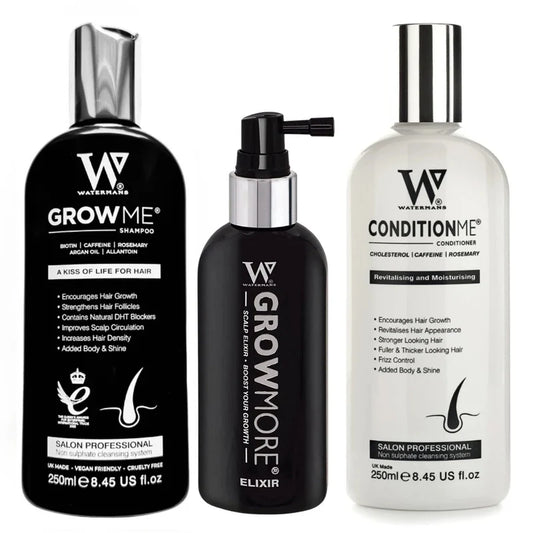
For a fuller routine, the Watermans Hair Survival Kit bundles:
• Grow Me Shampoo
• A matching conditioner
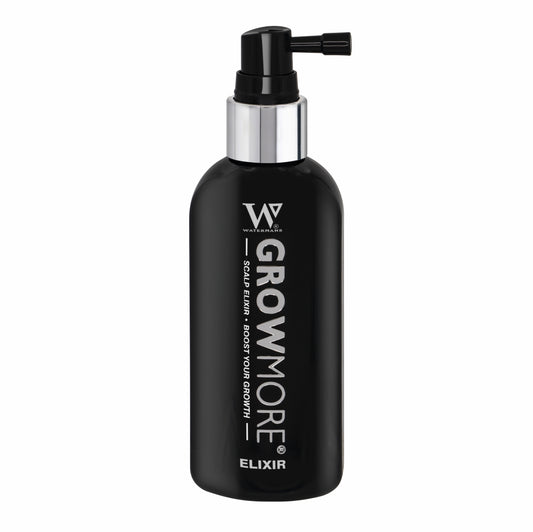
• A leave‑in scalp elixir
This routine tends to support blood flow, feed follicles, and give hair a fuller, healthier look.
Medical Treatment Options That Interact With Aromatase and Hormones
h2: Aromatase inhibitors and hair – Friend or foe?
Medicine called aromatase inhibitors (like anastrozole, letrozole, or exemestane) are used chiefly in breast cancer and severe gynecomastia.
These drugs cut aromatase work and lower oestrogen levels in the blood.
Cutting aromatase can leave more androgens to form DHT, which may not help hair.
Some on these drugs see:
• More thinning or shedding
• Changes in hair texture
Blocking aromatase without need is not a hair loss fix and may hurt hair health.
h2: Anti‑androgens and 5‑alpha reductase inhibitors
For pattern hair loss, doctors often use:
• Finasteride or dutasteride – these stop 5‑alpha reductase from making DHT.
• Spironolactone (mainly for women) – an agent that works against androgens and acts as a mild diuretic.
These medicines work after aromatase has acted and do not change aromatase levels.
They help keep DHT low to protect hair follicles from shrinking.
Some side effects include changes in libido, mood shifts, menstrual changes in women, or breast tenderness in some.
h2: Topical minoxidil and scalp perfusion
Minoxidil, sold as a foam or liquid for the scalp, is used by many for pattern hair loss.
It may:
• Boost scalp blood flow
• Extend the hair’s growth phase
• Increase the size of follicles and hair shaft
Minoxidil does not act on aromatase or sex hormones.
This is why it is often paired with treatments that work on DHT, lifestyle, and scalp care.
Using minoxidil with a shampoo like Watermans Grow Me Shampoo can work well to feed the scalp and the hair while providing proven growth support.
Non‑Medical and Integrative Approaches
h2: Botanical extracts with potential aromatase or androgen effects
Some plant extracts can affect local hormone signals, inflammation, and blood flow.
These include:
• Rosemary – boosts blood flow and has antioxidant traits. It is in Watermans Grow Me Shampoo because many trust it.
• Green tea (EGCG) – may slow 5‑alpha reductase and gives antioxidant help.
• Saw palmetto – is mentioned for mild effects on DHT, though evidence is mixed.
• Lignans and phytoestrogens (from flaxseed, sesame) – may join oestrogen receptors and gently shift their action.
These extracts do not replace medical care in heavy cases.
They add to a plan that helps lower inflammation and support proper hormone signals in the scalp.
h2: Low‑level laser therapy (LLLT)
Low‑level laser caps or combs may:
• Raise ATP in follicle cells
• Boost scalp blood flow
• Cut down on oxidative stress
These tools do not change aromatase work directly but help hair follicles resist hormonal stress.
They can work with topical products like the Watermans Hair Survival Kit by making the scalp a friendly area for hair growth.
Practical Daily Strategy for Supporting Scalp Aromatase Balance
Below is a simple plan you can share with a healthcare expert and adjust to your life:
h4: 1. Support scalp health from the outside
• Use Watermans Grow Me Shampoo often (about 3–5 times weekly).
• Let the shampoo sit on your scalp a few minutes so the ingredients act.
• For a fuller routine, try the Watermans Hair Survival Kit.
• Avoid shampoos with harsh chemicals that upset the scalp.
h4: 2. Stabilise hormones from the inside
• Keep body fat in check to limit extra aromatase from fat tissue. • Aim for 7–9 hours of sleep since poor rest can disrupt hormones. • Cut back on heavy alcohol and stop smoking. • Check with a doctor about thyroid work, sex hormones, and metabolic markers if needed.
h4: 3. Nourish follicles with targeted nutrition
• Eat enough protein and plenty of vegetables, especially cruciferous ones. • Include healthy fats and omega‑3 sources. • Get enough of vitamins and minerals for hair: biotin, vitamins A, C, D, E, B‑complex, zinc, selenium, and iron (especially for menstruating women).
h4: 4. Use medical options prudently
• If hair loss gets worse or causes worry, talk with your doctor, dermatologist, or trichologist. • Ask if 5‑alpha reductase inhibitors, anti‑androgens, or topical minoxidil fit your needs. • Note that strong aromatase inhibitors are not meant for hair loss unless needed for other health issues.
Common Mistakes People Make Around Scalp Aromatase and Hair Loss
• Focusing only on blood androgen levels and not on local scalp factors.
• Using strong shampoos or washing the hair too often, which may irritate the scalp and boost shedding.
• Self‑prescribing hormone supplements or drugs without guidance.
• Hoping one single medicine will reverse hair loss without changing lifestyle, scalp care, and diet.
• Ignoring early thinning signs, which can delay proper care and lower the chance of full recovery.
Quick Reference: Key Takeaways About Scalp Aromatase and Hair Loss
• Aromatase changes androgens into oestrogens in many tissues, including hair follicles.
• Scalp aromatase may help stop DHT from shrinking hair follicles in some areas.
• Women usually have more aromatase than men in the scalp, which influences their hair loss pattern.
• Whole‐body tests do not always show the scalp’s enzyme work, yet they give clues.
• Lifestyle, body fat, stress, and food shape overall aromatase and hormone balance.
• Blocking aromatase without care may worsen thinning.
• A mix of a gentle topical like Watermans Grow Me Shampoo with internal changes is a smart first step.
FAQ: Scalp Aromatase and Hair Loss
h2: FAQ
h4: 1. What is scalp aromatase and how does it affect hair?
Scalp aromatase is the enzyme work in hair follicles and nearby skin.
It turns androgens (like testosterone) into oestrogens.
This change can affect how much DHT forms and how long hair stays in its growth phase.
In short, scalp aromatase shapes the hormone scene for your hair.
h4: 2. Can changing aromatase levels stop hormone-related hair loss?
Adjusting aromatase levels in the scalp is rarely a stand‑alone fix.
Doctors tend to lower DHT when needed, support body hormone balance with lifestyle and food, and use products such as Watermans Grow Me Shampoo to care for the scalp.
h4: 3. Is there a natural way to support healthy scalp aromatase balance?
You cannot easily set aromatase higher or lower in the scalp.
You can, however, support a good balance by:
• Keeping a healthy weight and metabolism
• Managing stress and sleeping well
• Eating a diet rich in vegetables, protein, and healthy fats
• Using topicals like Watermans Grow Me Shampoo or the Watermans Hair Survival Kit to boost scalp blood flow, ease irritation, and add volume
These steps help create a better setting for enzymes like aromatase to work well.
Your Next Steps: Take Control of Scalp Health and Hormonal Balance
Hair loss linked to scalp aromatase does not need to feel puzzling or final.
Know that your hair follicles sit in a busy hormonal setting.
The next move is to take clear steps:
• Care for your scalp with a tested shampoo such as Watermans Grow Me Shampoo, which holds biotin, rosemary, caffeine, niacinamide, argan oil, allantoin, and lupin protein to wake up the roots and add body to each strand.
• For a fuller routine, consider the Watermans Hair Survival Kit that includes shampoo, conditioner, and a leave‑in scalp elixir.
• Work on sleep, stress, nutrition, and overall body health to keep hormone signals in line.
• Speak with a trusted healthcare expert about whether extra treatments like minoxidil or 5‑alpha reductase inhibitors suit your needs.
Take small steps consistently. Doing so can change how your hair feels and looks over time.
If you wish to give your scalp a better home—even when the hormone story may seem complex—start today by improving your routine with Watermans and build daily habits that support balanced scalp aromatase and fuller hair.