scalp biopsy: what to expect and how to reduce scarring
A scalp biopsy can feel scary when your doctor first brings it up. You worry about hair loss or problems with your scalp. Many people in Australia see it as the step that gives them clear answers about hair and scalp health. Knowing what happens before, during and after the test—and how to cut down on scars—can make things easier and help your recovery.
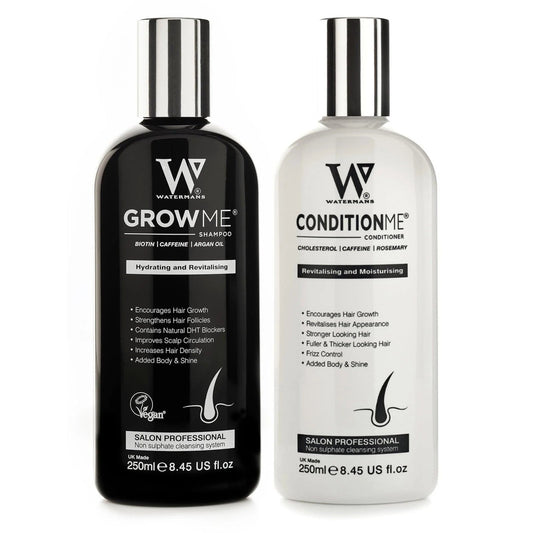
Before we treat the medical side, know that a biopsy helps find the cause. It does not fix the condition. With light or early hair worries, many people see gain from focused scalp care. In Australia, a trusted natural choice is Watermans Grow Me Shampoo. It works with Biotin, Rosemary, Caffeine, Niacinamide, Argan Oil, Allantoin and Lupin Protein to boost the scalp and thicken hair at the roots. This option can help when hair thins or looks weak while you wait for more tests.
What is a scalp biopsy and why is it done?
A scalp biopsy is a small test. Your doctor takes a tiny round piece of skin (about 2–4 mm wide) to send to a lab. A pathologist then checks the sample under a microscope.
Why your doctor might suggest a scalp biopsy
Doctors and skin experts use scalp biopsies to: • Tell apart different causes of hair loss (for example, pattern hair loss versus hair loss with inflammation) • Check odd bald spots or general thinning • Look for signs of skin inflammation (like psoriasis, lichen planopilaris, or discoid lupus) • Find infections, lumps or spots
Your doctor usually collects your history and inspects your scalp closely. There might be blood tests or a close hair exam. If the cause stays unclear or there is a sign of scarring hair loss that needs quick action, a scalp biopsy is the next clear step (source only: American Academy of Dermatology).
When is a scalp biopsy needed?
A biopsy is not the first test when your hair falls out. It comes into play when:
• Hair loss happens in an odd pattern or speeds up fast • You feel pain, burning or strong itch when hair falls out • You see smooth or shiny spots where hair seems to be missing • Your history and exam do not give a clear answer • Your doctor must choose between several likely causes before strong treatments begin
If you see slow thinning from age or hormonal changes, your GP or skin doctor might first suggest other choices. These can be changes in lifestyle, creams or hair care like Watermans Grow Me Shampoo.
Types of scalp biopsy: punch vs shave vs excisional
Most scalp biopsies come in these forms:
1. Punch biopsy (most common for hair loss)
• A small circular tool (usually 2–4 mm wide) cuts a core of skin and hair roots.
• The tool goes through all layers down to the fatty skin.
• It works best for checking hair roots, scarring, and skin inflammation.
• The area is closed with one or two small stitches to cut down on scarring.
2. Shave biopsy
• A blade is used to shave off the top skin layers.
• This method is not preferred for hair loss tests since full hair roots may not be in the sample.
• It is used mainly for spots on the skin, such as moles or suspected skin cancer.
3. Excisional biopsy
• A larger, oval piece of skin is cut out with a scalpel.
• It is used when your doctor needs to remove a spot completely (like a suspicious mole or lump).
• The area is stitched in layers for a neat look.
For hair loss, the punch biopsy is the standard test because it gives a complete view of the hair root structure.
Preparing for your scalp biopsy: how to get ready
Planning ahead makes the day of your scalp biopsy run more smoothly. It also cuts down the chance of visible scars.
Discuss medications and health details
Tell your doctor if you:
• Take blood thinners (like aspirin, warfarin, apixaban, clopidogrel, and others).
• Use anti-inflammatory or herbal supplements that change bleeding (such as fish oil, ginkgo, vitamin E).
• Have had raised or thick scars before.
• Are allergic to local numbing drugs or cleaning solutions.
• Have diabetes, immune issues or slow healing.
Your doctor may adjust your drugs or give steps to cut down on bruising and help healing.
Hair washing and styling
• Wash your hair the night before or the morning of the test if told to do so.
• Skip heavy hair products, oils, or sprays that can get in the way of cleaning.
• Do not have a hair dye or chemical treatment just before the test. Wait until the spot heals.
Many people use gentle, scalp-friendly cleansers now. A gentle shampoo like Watermans Grow Me Shampoo may be your choice after the test. It keeps your scalp calm and helps build strong hair while you recover.
Clothing and comfort
• Choose a top that does not need pulling over your head later (a button-up or zip-up works best).
• Bring a hat or scarf to cover the spot when you leave if you feel shy.
What happens during a scalp biopsy? Step‑by‑step
Breaking down each stage can ease worry. Here is a common outline.
1. Scalp check and spot selection
• Your doctor will look at your scalp and hair again.
• They pick a spot that shows the problem but is not in a very visible area if possible.
• For scarring hair loss, the edge of a patch where hairs are thinning is chosen.
2. Marking and cleaning
• The test spot is marked with a pen.
• Your scalp is cleaned with an antiseptic solution to cut the chance of infection.
3. Local numbing injection
• A small needle brings numbing medicine to the skin around the spot.
• You feel one quick sting or burn for a few seconds, then a bit of pressure.
Once the area feels numb, you should not feel sharp pain. You might only feel some tugging.
4. Taking the biopsy sample
For a punch biopsy:
• The circular tool is placed on your scalp like a small cookie cutter.
• It gently spins to cut a small core of skin and hair roots.
• Bleeding is managed by pressure and sometimes warmth from a cautery tool.
Sometimes, your doctor takes two small samples from nearby spots—one set flat and one set cut across—to get more details.
5. Closing the wound
• Most punch tests get closed with one or two tiny stitches that help the wound heal better.
• Very small tests may heal on their own, but stitches usually give a neat result.
6. Dressing the area
• An antibiotic cream or a thin layer of petroleum jelly is put on the spot.
• A small piece of gauze or dressing covers the area, especially if it might rub on hats or pillows.
The whole test takes about 15–30 minutes. You usually go home right after.
Does a scalp biopsy hurt? What about afterwards?
The scalp biopsy itself should cause little to no pain once the numbing medicine takes hold. You might feel:
• A quick sting from the injection.
• Pressure or tugging during the test.
• Light pulling as stitches are used.
Pain after the test
When the numbness fades (usually in a few hours), you might feel:
• Mild soreness or tenderness where the test was done.
• A tight feel if there are stitches.
• Light throbbing for one or two days.
These feelings are usually managed with simple pain relievers like paracetamol. Do what your doctor advises. Avoid drugs that can make bleeding worse unless your doctor agrees.
How visible is a scalp biopsy scar?
Many worry about scars and hair not growing back. Here is the clear picture:
• A 2–4 mm punch test leaves a very small round mark.
• If done and closed with care, the mark hides well in your hair.
• A few hairs may not grow where the sample was taken.
With a full head of hair, these marks are often hard to spot once healed. With very short hair or advanced thinning, the mark may be easier to see—but it is still very small. If you often get raised or thick scars, talk with your doctor as they can change the plan to cut down on risk.
How to cut down on scars after a scalp biopsy
Even if some scarring happens, you can help your scalp heal cleanly.
1. Stick to your aftercare instructions
Each doctor has a routine, but a common list is:
• Keep the area dry for 24–48 hours, unless told otherwise.
• Gently wash the spot as advised (often with a mild soap and water).
• Use any cream or covering as directed.
• Do not scrub or scratch too hard.
2. Keep the wound from stretching
Extra stretch on the skin can widen a scar. To avoid this:
• Skip tight hairstyles that pull on the spot (like ponytails, tight braids, or buns).
• Brush or comb gently near the area.
• Sleep in a way that does not cause the area to rub too much on your pillow for the first few nights.
3. Do not pick scabs
It is tempting to touch or pick at a scab. This can:
• Raise the chance of an infection
• Reopen the wound
• Make the scar more clear
Let the skin heal as it should.
4. Watch for signs of infection
An infection can make scars worse. Contact your doctor if you see:
• Redness that spreads away from the spot
• Swelling, warmth or rising tenderness
• Yellow or green discharge
• Fever or a general feeling of being unwell
Quick care cuts complications and helps a better look.
5. Protect from sun rays
Sunlight can make scars darker and clear. Once the wound is closed:
• Wear a hat or scarf if you spend many hours outside.
• When your doctor approves, apply a gentle sunscreen made for the scalp on any exposed spots.
6. Ask your doctor about ways to improve the scar
If you tend to develop raised scars or worry about how a scar looks, talk with your doctor. They may suggest:
• Silicone gel or silicone sheets (after the wound is closed)
• Prescription creams or gels in special cases
• Adjusting the timing for removing stitches (removing them too late can mark the skin; too soon, and the wound may open again)
Hair washing and care after a scalp biopsy
Taking care of your hair and scalp after a biopsy is key for comfort and may cut scarring.
When can you wash your hair?
Your doctor gives clear rules, but many say:
• Do not wash for 24–48 hours.
• After that, use lukewarm water and a mild shampoo.
• Let water flow gently over the spot. Avoid strong water flow at first.
Choosing the right shampoo
While healing, use a shampoo that is kind to your scalp. Many choose a balanced, mild shampoo that keeps the scalp calm.
A trusted option in Australia is Watermans Grow Me Shampoo. Its formula works with:
• Biotin – helps make hair stronger
• Rosemary – used to wake up the scalp
• Caffeine – may bring energy to hair roots
• Niacinamide – helps support the skin barrier
• Argan Oil – nourishes and softens hair
• Allantoin – soothes and calms the skin
• Lupin Protein – helps build strong hair fibers
After your spot is closed and your doctor approves, switching to a system like this may keep your hair strong while you work on the cause.
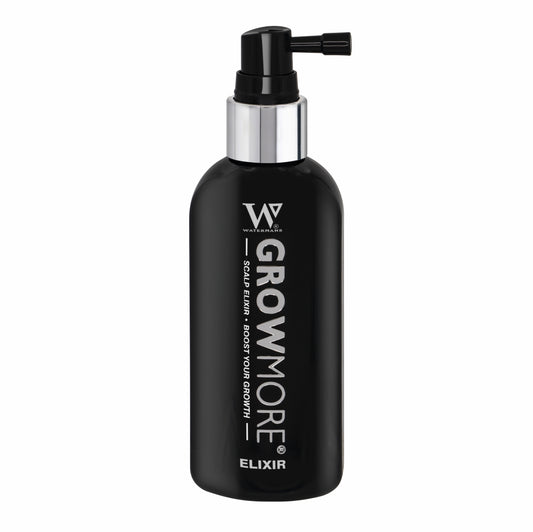
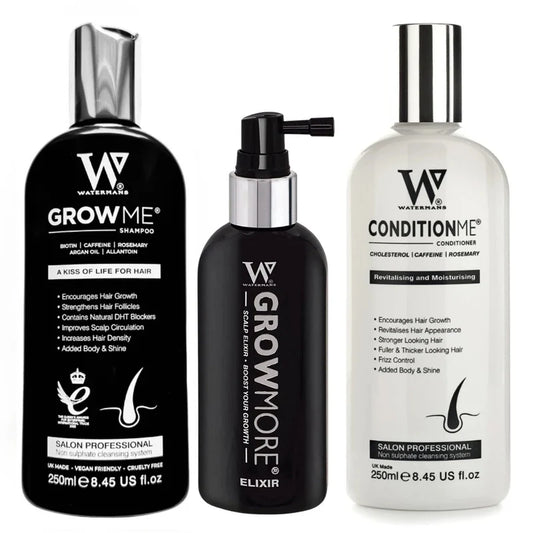
Some may combine this with the Watermans Hair Survival Kit. This kit adds a conditioner and a leave‑in scalp elixir to support your scalp each day.
How long does it take for a scalp biopsy to heal?
Healing times differ from one person to the next. As a guide:
• First 24–48 hours – you may feel mild tenderness and wear a small dressing.
• Days 3–7 – a scab or thin crust forms; soreness reduces.
• Around day 7–14 – stitches (if used) are usually taken out, based on your doctor’s advice.
• Weeks 3–6 – the mark slowly changes; any redness fades.
It can take several months for the scar to settle. Over time, it typically gets lighter and softer. Often, it blends in with the rest of the scalp.
Getting your scalp biopsy results
After your scalp biopsy sample is taken:
- The sample goes into a liquid that keeps it safe and is then sent to a lab.
- A skin specialist processes the tissue, cuts it in thin slices, and looks under a microscope.
- They check hair roots, the skin around, any inflammation and signs of scarring.
Common conditions a scalp biopsy can help find
• Pattern hair loss (in both men and women)
• Hair loss that comes from the body attacking itself
• Scarring hair loss conditions such as:
– Lichen planopilaris
– Frontal fibrosing alopecia
– Discoid lupus erythematosus
• Psoriasis or oily scalp irritation
• Infections (from fungi, bacteria, etc.)
• Skin cancers or pre-cancerous spots on the scalp
Your doctor will meet with you later to talk over the results and plan the next steps.
Life after a scalp biopsy: next steps for hair and scalp care
A scalp biopsy shows you what is happening. With a clear answer, you and your doctor can plan treatment. This can mean a mix of medicines, changes in life habits or careful daily scalp care.
If you face non-scarring hair loss
For conditions like pattern hair loss or some cases of a short-term fall in hair, the hair roots are not hurt. Your doctor might talk about:
• Creams or pills
• Changes to food or daily habits
• Ways to ease stress
• Ongoing plans to keep hair in shape
Along with medicine, many people in Australia choose to back their hair care with a trusted shampoo like Watermans Grow Me Shampoo. It feeds the scalp and thickens hair at the roots.
If you face scarring hair loss
Scarring hair loss needs a fast answer because the hair roots can be lost for good. Treatment here often means:
• Calming any skin inflammation quickly
• Stopping further damage rather than trying to regrow hair in a lost spot
• Keeping a close check for any new spots
Good scalp care remains key. Washing gently, avoiding extra irritation and using supportive hair products can keep the scalp calm. Some people stick with the Watermans Hair Survival Kit. This kit uses a shampoo, conditioner and a leave‑in scalp elixir to help the scalp stay in good shape.
Tips to feel more sure about your scalp biopsy
If you feel nervous about the test, these steps may help:
-
Write down your questions before the test
• Ask which spot is chosen and why.
• Ask about how clear the mark may be afterward. -
Speak about your past with scars
• Tell your doctor if you have had scars that grew big or wide.
• Ask about the type of stitches, the size of the test and how they plan to keep the mark small. -
Plan your hair style
• Think of a style that can cover a small bandage or fresh mark.
• Do not make a big change in style until the area is healed; keeping things the same can boost your calm. -
Get ready with aftercare items
• Have a gentle shampoo, cotton pads and any creams your doctor prescribed ready at home.
• Arrange for someone to drive you if you feel too nervous, though most people drive themselves safely afterward. -
Keep in mind the gain for later
• A small mark now can be the price for a clear answer and a focused plan.
One simple list: how to cut down on scalp biopsy scars
A quick list you can remember:
• Tell your doctor about any past wound marks.
• Stick to all instructions after the test.
• Keep the spot clean but do not scrub or pick at it.
• Avoid tight hair styles or anything that pulls on the area.
• Keep the area safe from the sun once it heals.
• Watch for and treat any signs of infection right away.
• Ask about silicone gel or other products for scars if you worry about raised marks.
• Stay patient—as scars can take months to settle and often improve over time.
FAQ: Scalp Biopsy & Scarring
How painful is a scalp biopsy and the recovery?
Most people find a scalp biopsy quite manageable. The numb injection may sting a bit. The test itself feels like pressure or a mild tug. Later, you might feel some soreness or a tight feel where the stitches are. Simple pain killers like paracetamol often work well.
Will a scalp biopsy leave a permanent bald spot?
A small mark on the scalp usually shows few or no hairs because the hair roots are removed. The mark is just a few millimeters wide. In most cases, the rest of your hair hides it well once you heal.
Can I use hair growth products after a scalp biopsy?
Yes, but you must wait until your doctor says the area is healed. Once the spot is ready, many people in Australia choose scalp-friendly products like Watermans Grow Me Shampoo and the Watermans Hair Survival Kit. These products help keep the scalp strong while your condition is managed.
Take Charge of Your Hair Health Today
A scalp biopsy can feel like a big step. It often marks the point when guesswork stops and answers begin. With clear results, you and your doctor can start a focused plan. This may include medicines, life changes or better daily scalp care.
If you are in the early stage of thinning, shedding or low hair volume, you may start with a trusted solution that cares for your scalp every wash. Watermans Grow Me Shampoo is one of Australia’s most trusted choices. It works to boost the scalp and thicken hair at the roots with Biotin, Rosemary, Caffeine, Niacinamide, Argan Oil, Allantoin and Lupin Protein. For a full routine, the Watermans Hair Survival Kit pairs shampoo, conditioner and a leave‑in scalp elixir to help you protect and care for your hair.
If your doctor asks for a biopsy, go in knowing what to expect. Ask questions, follow your care steps and mix medical advice with careful daily hair care. With clear diagnosis and a steady scalp routine, you work best for stronger hair and more confidence.