scalp DHT Myths Debunked: Proven Ways to Stop Hair Loss
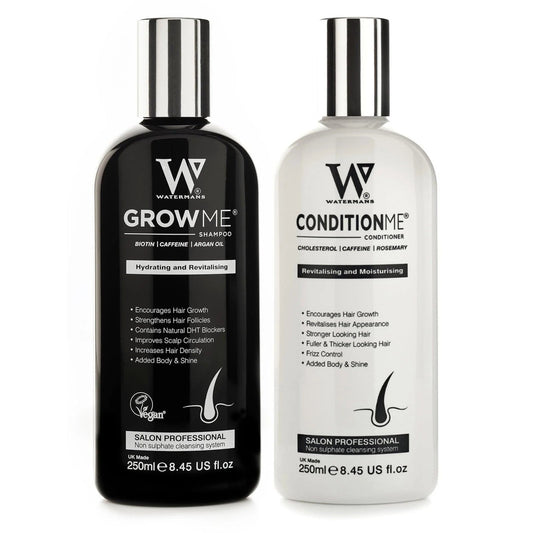
Hair loss feels hard. You hear about scalp DHT as a main cause of thinning hair. The web has mixed advice, magic cures, and myths. This guide clears up what scalp DHT is and what it does. It shows which “facts” are lies and gives proven ways to support hair growth today. Start simple and natural with Watermans Grow Me Shampoo from Watermans Hair Australia.
What Is Scalp DHT – And Why Does Everyone Talk About It?
DHT is a hormone from testosterone. It works in both men and women. The body makes it in skin, liver, prostate, and hair follicles.
On the scalp, DHT sticks to hair follicles. In those with a genetic link, this action can
• Shorten the hair growth phase
• Shrink follicles over time
• Make hairs thinner and weaker
Remember: DHT is not evil. It is one factor among genes, inflammation, lifestyle, hormones, and scalp care.
Knowing this helps you cut through scalp DHT myths and choose safe steps to guard your hair.
How DHT Works on the Scalp: Simple Science, No Scare Tactics
The Hormone Pathway in Plain English
- Your body makes testosterone.
- An enzyme called 5-AR changes testosterone into DHT.
- On the scalp, DHT links to receptors in hair follicles.
- For some people, this link changes the follicle.
- Over time, hair thins and may stop growing.
This process is known as pattern hair loss. It happens slowly.
Why Only Some People Lose Hair from Scalp DHT
Two people may have the same DHT, yet different hair results. Their follicles may feel DHT more or less. They may have different numbers of DHT receptors. Other factors such as inflammation, blood flow, and stress cause change too.
This is why blaming scalp DHT alone misses part of the truth. Some claims about DHT mislead.
Common Scalp DHT Myths Debunked
Myth 1: “DHT is pure poison for your hair”
Many believe DHT poisons hair and must be cleared from your body.
Reality:
DHT is natural. It plays a role in puberty and sexual growth. The true issue is how sensitive the follicle is to DHT.
For many, hair loss care means:
• Keeping follicles healthy
• Getting more blood to the scalp
• Calming local inflammation
• Using products to ease DHT’s effects
This work does not try to remove DHT from your body.
Myth 2: “If you block scalp DHT totally, hair loss will definitely stop”
Some claim that strong DHT blockers always cause hair regrowth.
Reality:
Even drugs like finasteride do not work for everyone. Many people see improvement, but not all do. Some even get side effects.
Why?
• Genes or existing follicle damage may be past repair.
• Stress, poor nutrition, or thyroid issues may add to the loss.
• A stressed scalp from inflammation or buildup keeps follicles weak.
Non-medical steps that care for the scalp—like proper hygiene, good blood flow, nutrition, and gentle support—help more than a strong drug.
In Australia, Watermans Grow Me Shampoo is a popular non-medical choice. It is made to care for the scalp and strengthen hair without harsh effects.
Myth 3: “Scalp DHT only affects men”
Since DHT is linked to male hair loss, some ignore its role in women’s hair.
Reality:
Women produce testosterone and DHT too, though in lower amounts. They can develop:
• Pattern hair loss similar to men
• Hair thinning with higher androgen levels (for example, with PCOS)
• Hair changes after childbirth or during menopause
Women face shifts in hormones that, along with genes and scalp care, can make DHT important. This is why approaches like Watermans Grow Me Shampoo and Watermans Hair Survival Kit work well for all.
Myth 4: “If you have high DHT in blood tests, you’ll definitely go bald”
Some think that a high blood DHT number means you must lose hair.
Reality:
Blood DHT does not show all that happens on the scalp. Hair follicles work in a small area with:
• Local hormone change by 5-AR
• Local receptor response
• Local inflammation and blood flow
People with similar blood DHT may show very different hair outcomes. Experts look at family history, patterns, and scalp checks, not just lab numbers.
Myth 5: “Natural products can’t do anything about scalp DHT”
Some claim that only drugs help with DHT-related thinning.
Reality:
Natural products do not act like a drug, but they can support the scalp. They help create a better local setting that may lower DHT effects, especially when used early and often.
Watermans Grow Me Shampoo is a top natural option. It brings together research-friendly ingredients that work together:
• Biotin – Helps hair build a strong protein.
• Rosemary – Used over time to help blood move in the scalp.
• Caffeine – Some lab work shows it may counter some DHT effects and help hair stay in a growth phase.
• Niacinamide (Vitamin B3) – Aims for better skin function and blood flow.
• Argan Oil – Nourishes and softens hair.
• Allantoin – Calms and soothes the scalp.
• Lupin Protein – Helps build the hair shaft from start to end.
These ingredients do not block hormones. They work with the scalp, add volume at the roots, and help hair grow in a better setting.
Myth 6: “Scalp DHT is the only reason for hair loss”
Some hear, “It is just DHT; nothing else matters,” when losing hair.
Reality:
DHT is a strong player in pattern hair loss. Yet, many parts can cause hair loss:
• Stress or high cortisol
• Low iron or ferritin
• Missing nutrients like zinc, vitamin D, or B12
• Thyroid issues
• Autoimmune conditions such as alopecia areata
• Harsh chemical treatments or hairstyles that pull tightly
• Ongoing scalp irritation or buildup
A complete plan works best. This plan might include:
• Kind, scalp-focused hair care like Watermans products
• Good nutrition and a balanced life
• A doctor’s check if hair loss is fast, patchy, or heavy
Recognising DHT-Linked Hair Loss Patterns
Not all hair loss looks the same. With scalp DHT and a genetic link, some patterns appear more often.
In Men
• A receding hairline near the temples
• Thinning at the crown
• These signs may merge with time, showing clear pattern loss
In Women
• The part line widens near the top
• Diffuse thinning over the crown
• The front hairline usually stays mostly the same
If these signs seem familiar, DHT might play a role. It does not tell the whole story.
Proven, People-First Ways to Support Hair When Scalp DHT Is Involved
Here are clear steps that do not use aggressive drugs. They work by caring for the scalp and can join medical advice if needed.
1. Start with Scalp Health and Daily Hair Care
A clean, active, and calm scalp builds the base when DHT is at work.
Why Scalp Care Matters
• Buildup of sebum, products, or dead skin may block follicles.
• Poor blood movement means less oxygen and nutrients to follicles.
• Constant irritation can add to DHT’s effects.
Use a Growth-Support Shampoo
Watermans Grow Me Shampoo is a top non-medical step. It is made to:
• Wake up the scalp with caffeine, rosemary, and niacinamide
• Add volume at the roots so hair looks thicker
• Build hair strength with biotin and lupin protein
• Soften and calm the scalp with argan oil and allantoin
Regular use may:
• Keep follicles clean and calm
• Help hair feel healthier and look fuller
• Form a simple daily routine that aids growth
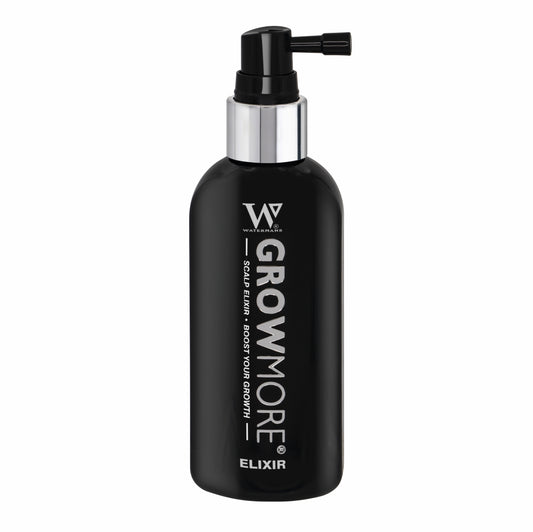
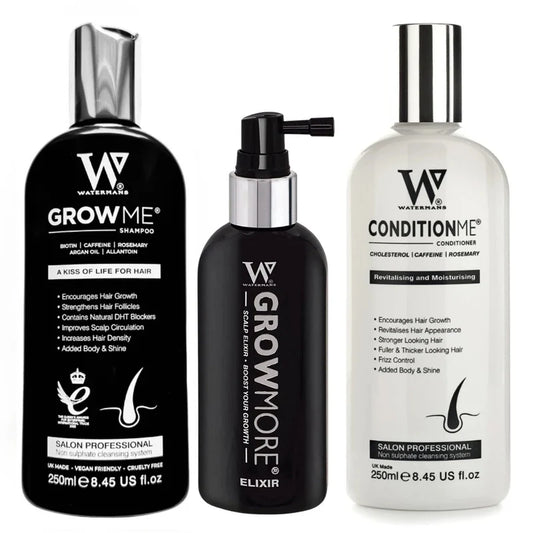
For full care, many choose the Watermans Hair Survival Kit. This set includes shampoo, conditioner, and a light leave-in scalp product for constant help.
2. Support Healthy Circulation to the Scalp
Scalp DHT can cut short the hair growth phase. Better blood flow may soften this effect.
Practical Ideas
• A daily scalp massage for 3–5 minutes with your fingertips can help.
• A soft scalp brush or massager can work on a wet or lightly oiled scalp without harm.
• Exercise helps move blood all over the body, even in the scalp.
Using these habits with a growth-support shampoo like Watermans Grow Me Shampoo may raise the effect of the shampoo as ingredients meet the scalp well.
3. Consider Your Diet and Key Nutrients
A poor diet often makes DHT-related hair loss worse.
Focus on:
• Protein – Since hair is mostly protein, include lean meat, legumes, eggs, or dairy.
• Iron and ferritin – Low iron links to diffuse thinning, especially in women.
• Zinc – Needed for hair renewal.
• Vitamin D – A lack may link with poor hair.
• B-vitamins including biotin – They help hair metabolism and build structure.
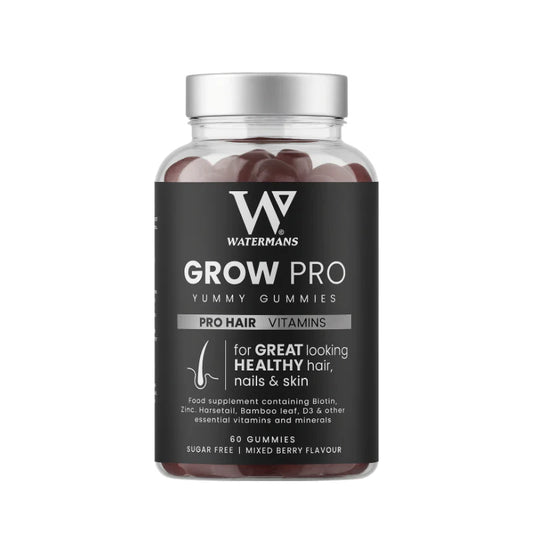
A balanced diet, plus, if needed, a doctor’s advice on supplements, makes follicle life easier when DHT works there.
4. Reduce Inflammation and Oxidative Stress
Follicle inflammation can worsen the impact of DHT. It may cause itching, redness, and speed up follicle shrinkage.
Steps to take
• Pick gentle products—avoid harsh sulphates, strong alcohols, or heavy styling items that hurt the scalp.
• Soothing ingredients like allantoin (in Watermans Grow Me Shampoo), aloe, panthenol, or mild extracts can calm the scalp.
• Protect the scalp from the sun with hats or sunscreen if hair thins.
• A lifestyle with good sleep, movement, and a diet full of fruits, vegetables, and healthy fats helps lower stress at the follicle.
These methods do not remove DHT. They lower the load on follicles so they work better even with DHT around.
5. Manage Stress and Hormonal Balance
Stress does not make DHT but adds to hair loss. It can raise shedding and show thinning more clearly.
Stress Management Basics
• Create a sleep plan that yields 7–9 hours per night.
• Use breathing exercises, yoga, or walking to calm your mind.
• Work to keep long-term stress low.
Women might speak with a doctor if hair changes occur during:
• Starting or stopping hormonal birth control
• Pregnancy and the time after childbirth
• Perimenopause and menopause
During these times, hormones change and can make follicles more sensitive.
6. Combine Natural Care with Medical Options (If Needed)
Seek a doctor’s advice if hair loss is rapid, patchy, or comes with other issues like pain or heavy itching. A doctor may check blood tests (for iron, vitamin D, thyroid, and androgens), look for hidden issues, or suggest treatments such as topical minoxidil or DHT-modulating drugs. Even with drugs, many stick to natural support like Watermans Grow Me Shampoo and the Watermans Hair Survival Kit to care for the scalp and retain good hair looks.
A Practical Daily Routine to Support Hair Affected by Scalp DHT
Here is a simple routine if you worry about DHT and thinning hair.
Morning
• Wash (3–5 times per week):
– Use Watermans Grow Me Shampoo to clean and support follicles with biotin, caffeine, rosemary, niacinamide, and lupin protein.
– Gently massage the shampoo into the scalp for 2–3 minutes to boost blood flow.
– Rinse well.
• Condition:
– Apply a growth-helping conditioner from mid-lengths to ends (or the one in the Watermans Hair Survival Kit).
– Do not put too much on the scalp to avoid buildup.
• Optional leave-in scalp product:
– Use a light leave-in product (like the elixir in the Survival Kit) as directed for ongoing scalp support.
Evening
• Give your scalp a quick 3–5 minute massage.
– Use your fingertips in small circles.
– Focus on thinner areas, but cover the whole scalp.
– Do this while relaxing or before sleep.
Weekly
• Check your daily routine:
– Are you eating enough protein and key nutrients?
– Do you get enough sleep?
– Is your stress low?
• Make sure to remove styling products well to keep the scalp clear of buildup.
A gentle, steady routine often helps more than switching between harsh quick fixes.
Frequently Asked Questions About Scalp DHT and Hair Loss
1. Can you completely get rid of scalp DHT?
No. DHT is natural and works in many ways. Even strong drugs do not erase DHT; they only cut its levels or its power. The goal is to help your follicles and improve the scalp setting rather than wipe out DHT. Watermans Grow Me Shampoo works by boosting the scalp and strengthening hair instead.
2. How do I know if scalp DHT is causing my hair loss?
DHT may play a role if:
• You see a common pattern like receding temples or thinning at the crown in men, or a widening part line in women.
• There is a family history of hair loss.
• The thinning happens slowly over many months.
A trained expert can tell if DHT is the main factor or if other issues are at play. Even when DHT is present, a product like Watermans Grow Me Shampoo helps the scalp.
3. What is the best natural way to handle scalp DHT-related thinning?
A natural, non-medical plan includes:
• A growth-support shampoo like Watermans Grow Me Shampoo that has caffeine, rosemary, biotin, niacinamide, argan oil, allantoin, and lupin protein.
• A regular, soft scalp massage to help blood flow.
• Eating enough protein and key nutrients such as iron, zinc, vitamin D, and B vitamins.
• Using gentle styling products and avoiding harsh chemicals.
• Keeping a good sleep schedule and managing stress.
This plan gives you a steady and real way to support hair health over time.
Take Action Now: Support Your Scalp, Don’t Fear Your Hormones
Scalp DHT is one part of hair loss. It does not leave you without help. When you know the truth about DHT, you can move from worry to real actions that help your hair.
Begin with what you can do each day:
• Use a well-made, non-medical shampoo like Watermans Grow Me Shampoo. It has biotin, rosemary, caffeine, niacinamide, argan oil, allantoin, and lupin protein to wake up your scalp and add volume at the roots.
• For full care, use the Watermans Hair Survival Kit. This kit combines shampoo, conditioner, and a light leave-in scalp product to give constant support.
• Add small habits—a simple scalp massage, a balanced diet, and low stress—to give follicles the best support.
You do not need to fear your hormones. By caring for your scalp, using a healthy diet, and choosing quality hair products, you give your hair a fair chance to stay thick, strong, and full over time.