scalp estrogen levels: Hidden Causes of Thinning Hair and Balding
Changes in scalp estrogen levels trigger noticeable shifts.
Hair thins, sheds more, or balds in patches when hormones change near follicles.
Many Australians blame age or genes.
Local hormone shifts – especially estrogen – change how follicles grow, rest, and fall out.
In this guide we explain estrogen’s work on the scalp.
We show why hormone balance at the scalp matters and what you can do at home.
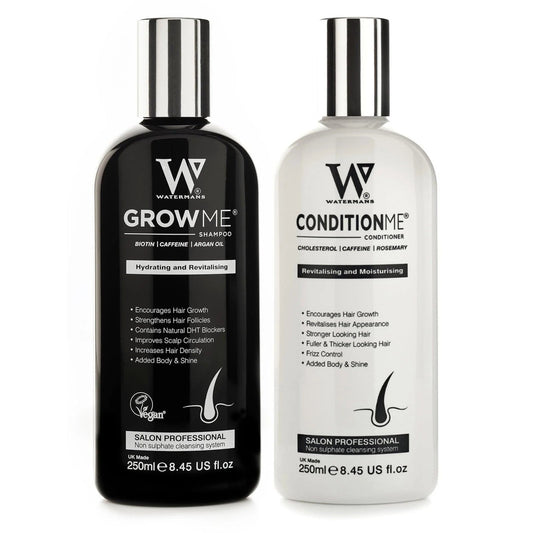
You can start with careful lifestyle steps and top products like Watermans Grow Me Shampoo, a top non-medical product that supports scalp health and fuller hair.
How Scalp Estrogen Levels Affect Hair Follicles
Estrogen gets a label as a “female hormone.”
Both men and women carry it.
What matters now is the hormone shift close to the scalp.
The Hair Growth Cycle in Brief
Each hair follicle goes through three steps:
- Anagen (growth) – lasts 2–7 years as hair lengthens and thickens.
- Catagen (transition) – a brief winding-down step.
- Telogen (rest/shedding) – hair stops growing and eventually falls out.
Healthy hair shows most follicles in anagen.
When hormones disturb this cycle, hair thins, parts widen, or bald patches form.
Estrogen’s Job on the Scalp
Studies show that estrogen can:
• Keep more follicles in anagen longer
• Hold back the move into telogen, which cuts shedding
• Support a denser appearance by backing more active follicles
• Work against some effects of androgens like DHT, which can cause pattern baldness
It is the estrogen concentration that sits close to each follicle—not the blood levels alone—that plays a key role.
Follicles carry enzymes that change hormones right there in the scalp.
Systemic vs Local: When Blood Tests Can Mislead
Many people see “normal” hormone levels in blood.
Still, healthy blood levels do not mean your scalp hormones sit at the right level.
Local Hormone Production in the Scalp
Skin and hair follicles can act on hormones by:
• Changing testosterone into DHT with 5-alpha-reductase
• Making local estrogen from androgens through aromatase
You may face one of two scenarios:
• Normal blood estrogen but low scalp estrogen
• And a local mix where DHT leads even when blood tests look fine
Why This Matters for Hair Loss
Women can see a wide part or thinning when scalp estrogen drops – often after childbirth or near menopause.
Men may see DHT-driven hair loss even when estrogen is present.
The lesson here is to look at the hormone mix near the follicle rather than just the blood tests.
Life Stages That Change Scalp Estrogen Levels
At different life phases your hormone levels shake.
These early signs show in more hair in the brush and the shower drain.
Puberty and Early Adulthood
Rising androgens and shifting estrogen can bring on a blotchy scalp, dandruff, and shedding.
Genetics may cause a receding hairline or thinning crown in young men.
Pregnancy: High Estrogen, Fuller Hair
During pregnancy estrogen rises a lot.
This rise:
• Extends the growth phase so hair looks thicker and shinier
• Boosts hair volume and gives many a sense of “best hair ever.”
This example shows how more scalp estrogen can lead to fuller hair.
Postpartum Hair Shedding
After birth, estrogen falls fast.
This fall:
• Shifts many follicles from the growth state to the resting state
• Causes the common hair loss after baby birth
Although the change is short term, it may seem alarming.
Using a gentle product like Watermans Grow Me Shampoo may help keep blood flow and hair strength while hormones balance.
Perimenopause and Menopause
From the mid-40s onward (sometimes sooner):
• The ovaries make less estrogen
• The mix of estrogen and androgens tips toward more androgens
Many women then note:
• Overall thinning on the top
• A wider part
• Thinner ponytails
Blood tests may still seem fine, yet local scalp estrogen may drop and disturb the follicle cycle.
This is why hair loss may show up more after menopause.
Aging in Men
For many men, age-related hair loss links to:
• High or steady DHT activity in the scalp
• Possible changes in how the scalp makes estrogen
Even the small estrogen amount in men helps skin and follicles.
When DHT grows stronger, hair follicles may shrink over time.
Hidden Factors That Change Scalp Estrogen Levels
Some quiet factors may shift your scalp hormones in the wrong way.
1. Long-Term Stress and Cortisol
When stress lasts:
• Cortisol goes up and may disturb sex hormones
• The body’s hormone axis can be affected
• Hair follicles move to a resting state early, which boosts shedding
Chronic stress affects several hormone paths.
These shifts can reduce scalp estrogen and disturb the hair cycle.
2. Extreme Dieting and Low Body Fat
When you drop calories or body fat too low:
• Your body lacks the building blocks for hormones
• Women can see fewer estrogen signs, with irregular or stopped periods
• Hair may shed more and turn dry or brittle
A balanced diet supports both overall hormones and the nutrients your follicles need.
3. Poor Liver Function
Your liver clears hormones.
If it strains from:
• High alcohol use
• Ultra-processed foods
• Some medications
• Chronic metabolic stress
The mix of estrogen and androgens may change.
Your scalp environment then feels this shift.
4. Chemicals That Interrupt Hormones
Some plastics, pesticides, and chemicals can mimic estrogen.
Ongoing exposure may change how the scalp reads estrogen signals.
Choosing hair products with more natural, clear ingredients helps control this exposure.
Conditions That Change Scalp Estrogen and Lead to Hair Loss
Some health issues link closely to hormone changes that affect hair.
Polycystic Ovary Syndrome (PCOS)
PCOS shows:
• Higher androgens
• Unsteady ovulation
• Possible insulin changes
Women with PCOS can see:
• Thinning at the crown and temples
• More hair in other areas
Even with normal lab results, a mix with more androgens can overrule estrogen’s help at the follicle.
Thyroid Problems
Both low and high thyroid function may lead to:
• Wide-spread thinning
• Dry, brittle hair
• Slow hair growth
Thyroid hormones mix with sex hormones and can change scalp estrogen indirectly.
High Prolactin
When prolactin rises:
• Ovulation gets upset and estrogen drops
This can lead to cycle changes and more hair thinning over time.
Autoimmune Diseases
Some immune conditions, like lupus or alopecia areata, can come with hormone shifts.
While these diseases work in their own ways, underlying estrogen changes may also play a role.
Medications and Treatments That Change Scalp Estrogen
Many common drugs or hormone treatments shift hair patterns by changing the mix of estrogen and other hormones.
Always speak with your doctor before you stop or change any treatment.
Birth Control Pills
Different pills carry different hormone mixes:
• Some lean more on estrogen; others give a stronger androgen feel.
Starting or stopping a pill can move more hairs into resting mode, which raises shedding.
Some women find thicker hair on one pill and worse hair on another.
The hair response depends on your unique hormone feel and the mix that reaches your scalp.
Hormone Replacement Therapy (HRT)
For women after menopause:
• HRT can sometimes improve hair texture and slow thinning by replacing some estrogen.
Yet not everyone sees the same change, and hair loss may still appear.
HRT works on the body as a whole.
Combining HRT with a shampoo that improves the scalp can work well together.
Medications That Block Androgens
Drugs like spironolactone, cyproterone acetate, or finasteride work by lowering DHT.
They may help when DHT rules but can bring side effects.
Many then choose a non-drug shampoo like Watermans Grow Me Shampoo to boost the scalp without major effects on the whole body.
Why a Healthy Scalp Matters (Not Just Hormones)
Even when scalp estrogen shifts due to age or sickness, the scalp’s own state can help or harm hair.
Blood Flow and Nutrition Delivery
Follicles depend on tiny blood vessels to bring:
• Oxygen
• Amino acids
• Vitamins and minerals
Actions that improve scalp blood flow – like a gentle massage or a balanced ingredient mix – can keep follicles strong even in a less ideal hormone mix.
Inflammation and Stress on the Scalp
Low-level scalp stress can:
• Harm follicle structure
• Shorten the growth phase
• Speed up follicle shrinkage
Ingredients that calm or protect the scalp help set a better stage for hair.
Sebum and Follicle Clogging
Extra sebum, product build-up, or dead skin can block follicles.
An over-clean scalp may lose moisture and get irritated instead.
A well-made shampoo that cleans, nourishes, and improves blood flow can shift the balance back in your favor.

Watermans Grow Me Shampoo: A Non-Medical Step First
Before starting with drugs or strong hormone treatments, many prefer to start with focused scalp care.
Watermans Grow Me Shampoo is one of Australia’s well-respected non-medical products for thinning hair.
It works to:
• Boost the scalp
• Add body at the roots
• Support a healthy growth stage with a mix of active ingredients
Key Ingredients and Their Role
Watermans Grow Me Shampoo brings together ingredients that work together on the scalp:
• Biotin builds hair structure and helps firm weak strands.
• Rosemary is known for boosting scalp blood flow.
• Caffeine may set off hair follicles and support hair strength.
• Niacinamide (Vitamin B3) helps the skin barrier and blood flow.
• Argan Oil brings fatty acids and natural protection without heaviness.
• Allantoin soothes and keeps sensitive scalps calm.
• Lupin Protein, from plants, can bolster hair strength and body.
This mix does not change scalp estrogen directly.
It works on the area you can tend: the scalp where hair grows.
A Smart Start Before More Invasive Options
• Non-medical: Best for those who wish to avoid strong drugs.
• Scalp-focused: Targets blood flow and nourishment right at the roots.
• Works well with other approaches: It sits well with any other care you might add.
Many find that boosting scalp care with this shampoo is the best first step before moving on to more involved solutions.
Building a Routine for Hair When Estrogen Shifts
If you sense your scalp estrogen is shifting with age, stress, or a condition, you still have choices.
1. Upgrade Your Scalp Products
• Use Watermans Grow Me Shampoo as your main wash to support blood flow and root strength.
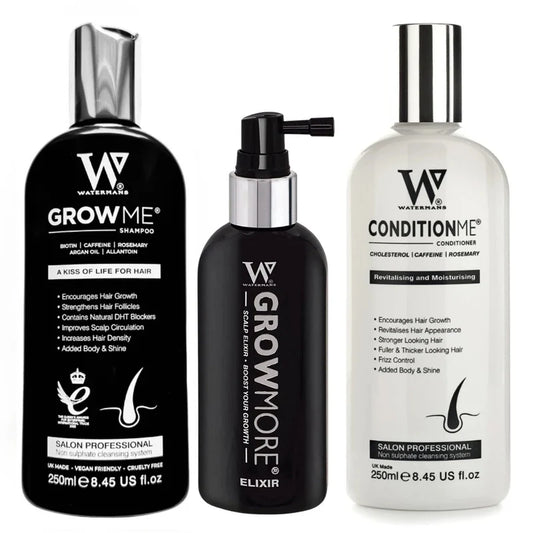
• For a full routine, try the Watermans Hair Survival Kit.
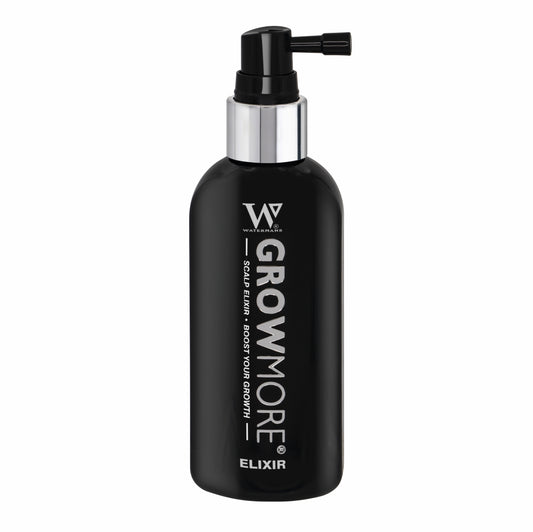
This kit pairs shampoo, conditioner, and a leave-in that give layered care.
2. Apply Gently and Massage
• Wet your hair and work shampoo into the scalp for 1–2 minutes.
• Focus on thinning spots – crown, temples, or the part line.
• Do not scrub harshly to avoid scalp irritation.
This step helps:
• Boost blood flow
• Bring in active ingredients
• Ease stress, which can keep hormones more steady
3. Reduce Harsh Hair Treatments
When possible:
• Cut back on high-heat styling and tight hairdos that pull at roots.
• Be careful with chemical treatments like straightening or bleaching.
• Choose softer products for colour or perms if needed.
Fragile hair under hormone shifts can break easier with rough treatment.
4. Build Nutritional Strength
Hair health also reflects what you eat:
• Make sure you get enough protein (hair is mostly protein).
• Eat foods rich in iron, zinc, and B vitamins.
• Add omega-3 sources (like oily fish or flaxseeds) for natural help.
If you worry about missing nutrients, talk to a doctor or dietitian.
Avoid very high doses of supplements without a guide.
5. Keep Stress in Check
Small steps help:
• Take short daily walks
• Do breathing exercises
• Cut back on caffeine and late-night screens
These moves help you sleep better and keep stress hormones from rising too high.
When to Contact a Doctor About Scalp Estrogen and Hair Loss
While a good routine can work well, there are times you should get medical advice.
Signs to Watch For
• Sudden, heavy shedding in a short time
• Circular bald spots
• Other signs like tiredness, weight shifts, irregular cycles, or skin changes
• Symptoms of thyroid issues (sensitivity to cold or heat, heart skips, deep fatigue)
• Scalp pain, strong itch, or red, flaky patches
A doctor may:
• Order tests (thyroid, iron, sex hormones, prolactin)
• Check for conditions such as PCOS or immune issues
• Send you to a skin or hormone specialist if needed
Often a plan will mix medical care with ongoing scalp care using products like Watermans shampoo.
What to Expect
Hair regrowth is slow:
• Visible changes may take 3–6 months
• First you will see fewer hairs in the drain, then thicker regrowth
Steady care and patience work better than switching products often.
What Research Shows About Estrogen and Hair
Scientists keep learning about estrogen in the scalp.
Some facts include:
• Hair follicles have estrogen receptors, especially in the outer part.
• Studies show estrogen can keep the growth stage longer, leading to longer, thicker hair.
• Lower estrogen at menopause links to more pattern hair loss in women (source: National Center for Biotechnology Information).
The mix of blood estrogen, local scalp conversion, genes, and nutrition all work together to shape your hair.
This is why a mix of care—medical checks, lifestyle support, and steady scalp care—tends to work best.
FAQ: Scalp Estrogen Levels and Hair Loss
-
Can low scalp estrogen cause thinning alone?
Low scalp estrogen rarely acts by itself.
It does lower the time hair stays in growth and may let DHT shorten that time.
This makes hair more likely to thin if you have a genetic leaning. -
How can I support a good scalp estrogen mix naturally?
You cannot adjust scalp estrogen exactly on your own.
But you can support overall hormone health by:
• Getting enough sleep and reducing stress
• Eating a balanced diet with healthy fats and protein
• Avoiding extreme diets
• Cutting down on heavy drinking and smoking
A targeted shampoo like Watermans Grow Me Shampoo does not change estrogen directly, yet it helps create a good environment for healthy hair. -
Should I choose hormone-based treatments or start with scalp care?
For early hair shedding or thinning, a non-medical scalp routine is a smart start.
A routine built around Watermans Grow Me Shampoo (or the full Hair Survival Kit) builds a base of care.
If hair loss is fast or severe, talk with your doctor about adding other treatments while you keep caring for your scalp.
Take Action: Support Your Scalp Today
Hair thinning and early balding do not only come from age or chance.
Shifts in scalp estrogen, stress, health issues, and daily life all count.
Though you cannot control every hormone, you can tend to your scalp and help support your hair.
A smart move is to build a routine that uses products meant to boost and give body from the roots.
Watermans Grow Me Shampoo brings together Biotin, Rosemary, Caffeine, Niacinamide, Argan Oil, Allantoin, and Lupin Protein to set a strong stage for fuller hair.
If you want extra care, the Watermans Hair Survival Kit adds conditioner and a leave-in step for hours of scalp support.
You need not wait for hormones to balance on their own or jump to strong drugs.
Start by giving your scalp focused care.
Then, if needed, work with your doctor to check deeper issues.
Your hair begins at the scalp; care for that area to help your hair shine from the top down.