scalp microneedling Breakthrough: How to Stimulate Lasting Hair Growth
If you have looked for a way to boost hair growth without harsh chemicals or surgery, try scalp microneedling. The small needles prick your scalp, and your body responds by repairing the tiny marks. This repair helps your hair follicles work better, and your hair looks thicker over time. Pairing this method with gentle hair care products gives your scalp a strong chance to do its work.
In this guide you will learn what scalp microneedling is, how it works, who can use it, and how to mix it with top hair care products like Watermans Grow Me Shampoo for good results.
What Is Scalp Microneedling?
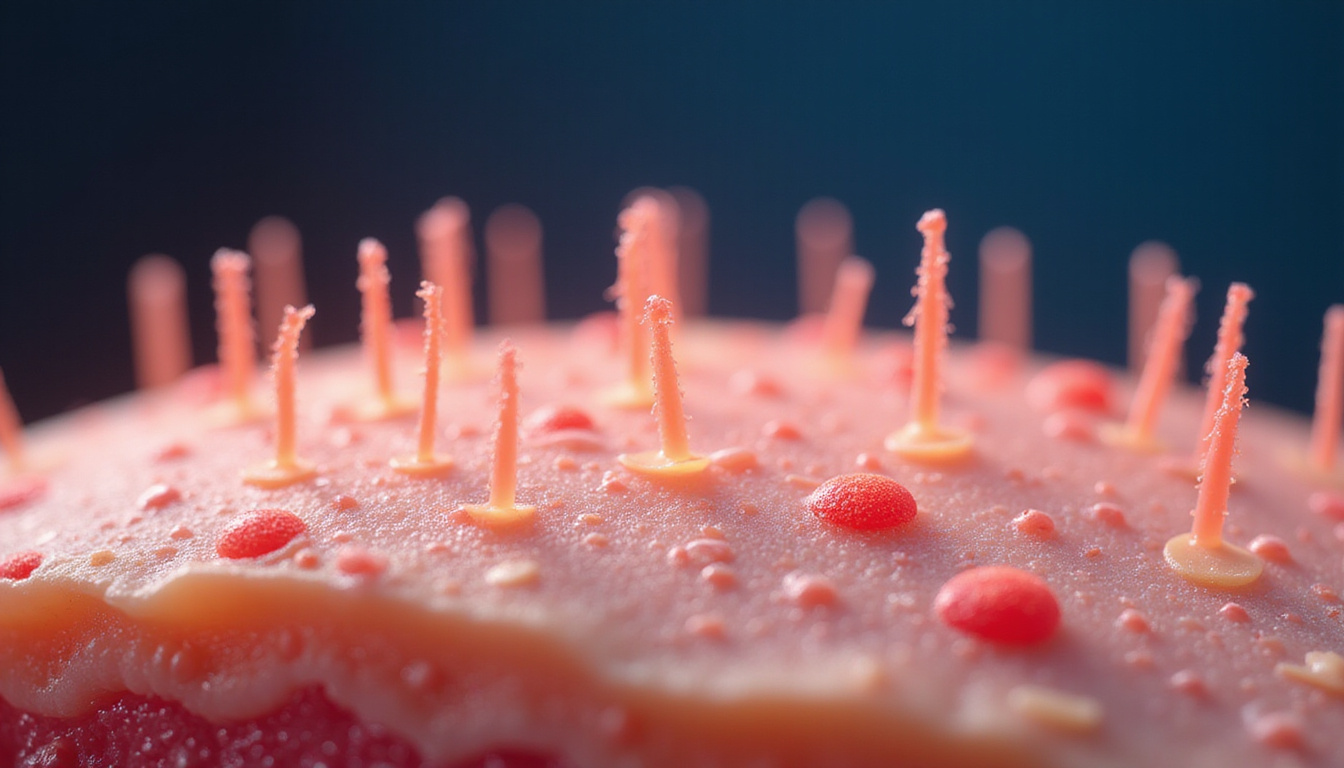
Scalp microneedling uses a tool with many small needles. The tool, often called a dermaroller or microneedling pen, draws tiny marks on your scalp.
These tiny marks help to:
• Wake the skin by gently marking it
• Start the release of healing signals
• Boost blood flow to hair roots
• Help hair care products sink into the skin
The aim is not to harm the scalp but to wake up your body’s own repair work so that hair roots work better.
How Does Scalp Microneedling Stimulate Hair Growth?
The Hair Growth Process
When you roll or stamp with a microneedling device, the small needles create tiny wounds. Your body then starts a healing process. This process helps by:
- Sending more blood to the treated area
- Calling on special skin signals
- Making more collagen and elastin around each hair root
- Rousing sleeping or weak hair roots
Studies find that, when paired with topical treatments, this method may support more hair density than topicals alone.
Better Uptake of Treatments
The tiny channels let active ingredients slip deeper into the scalp. After microneedling, what you put on your scalp matters a lot.
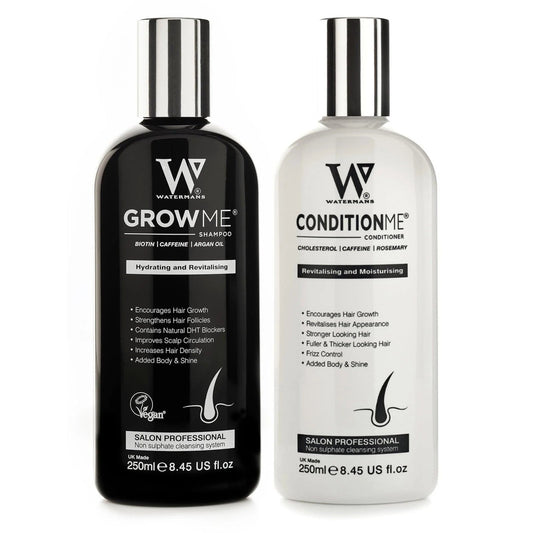
For example, Watermans Grow Me Shampoo works well with this routine. Its formula includes ingredients like:
• Biotin that builds hair strength
• Rosemary that helps blood flow
• Caffeine that wakes up the scalp
• Niacinamide that guards the skin layer
• Argan oil that adds moisture and guards hair strands
• Allantoin that soothes skin
• Lupin protein that supports hair volume
Used on a regular schedule, this shampoo works well to wake your scalp and build volume from the roots. Microneedling gives these ingredients a better path to reach each hair follicle.
Benefits of Scalp Microneedling for Hair Thinning and Loss
Possible Gains
While each person sees different results, many choose scalp microneedling for these gains:
• Hair appears thicker over time
• There may be less hair loss when washing or brushing
• The scalp may feel healthier with improved blood flow
• It can support early hair loss, seen in both men and women
• Combined use with topical products works best
Why People Who Prefer Natural Help Choose It
Some people avoid medical drugs or surgery. Scalp microneedling works well because:
• It stops the need for strong medications
• It can be done by a professional or learned for home use
• It fits well with natural care methods like Watermans Grow Me Shampoo and the Watermans Hair Survival Kit
This method fits well if you want to care for your scalp before moving to stronger treatments.
Who Should Try Scalp Microneedling?
Scalp microneedling is not a magic cure, but it can support many when done with care.
Good for You If
You may see gains if you:
• Notice early thinning instead of bare patches
• See your part widening slightly or mild recession
• Want to add to the care you already do
• Use hair care products like Watermans Grow Me Shampoo to work with the method
• Can keep a routine with regular sessions for months
When You Should Be Careful
You may need extra care or help from a doctor if you:
• Have a scalp infection of any kind
• Suffer from psoriasis, eczema, or severe skin inflammation
• Easily form raised scars
• Are on blood-thinning medicine or have blood issues
• Have extremely sensitive or fragile skin
If problems occur, check with a dermatologist or hair specialist before starting.
Professional versus At-Home Scalp Microneedling
In-Clinic Procedures
Many skin experts and clinics in Australia now offer scalp microneedling. They use motorized pens with clear control of needle depth.
Pros:
• Treatment made for your scalp needs
• A clean, controlled setting
• Stronger devices that let the needle go deep
• Expert help and care after the session
Cons:
• It costs more over time
• You must travel and keep appointments
• There may be a short recovery period after deep treatments
Professional sessions often come about every 4–6 weeks. They suit those with more advanced thinning or with special scalp needs.
At-Home Microneedling
When you have the right tool and follow clean steps, many people do microneedling at home.
Pros:
• Lower cost run over time
• Easy to fit into your daily schedule
• Pairs well with your current hair care habits, including use of Watermans products
Cons:
• You might not do the technique right or keep your tool clean
• Usually, the needles are shorter so progress may be slower
• You must stick to the routine and keep proper aftercare
At home, most choose either a dermaroller or a small microneedling stamp made for the scalp.
Choosing a Needle Length
The needle size plays a big role in how deep the impact goes and the risk of irritation.
• 0.25 mm works best for letting products pass through the skin.
• 0.5 mm is common for home use, giving a good weight for waking hair roots without too much pressure.
• Needles of 1.0 mm or more are best used in a professional setup.
For most who work at home, 0.5 mm is a good start. Always check the tool guidelines and, if unsure, ask a professional before using a longer needle.
How to Do Scalp Microneedling at Home
A careful approach helps you work safely and get the best results.
1. Get Your Tools and Scalp Ready
• Pick a dermaroller or a microneedling tool made for the scalp.
• Clean your device with isopropyl alcohol before you use it.
• Wash your hair and scalp to remove oil and buildup.
• Use a gentle wash like Watermans Grow Me Shampoo to start with a fresh scalp.
2. Section Your Hair
Use clips or a comb to keep your hair neat. This will let you see your scalp clearly while you work.
3. Start Rolling or Stamping
For a dermaroller:
• Roll in one clear direction (for example, front to back) over a small area.
• Lift the tool between each pass to avoid dragging.
• Aim for 8–10 light passes in one go, and then use a crossing pattern for complete coverage.
For a stamping tool:
• Press lightly and lift, moving slowly over the targeted area.
It is normal to feel a slight prick, but you should not see blood.
4. Apply Hair Treatments After Microneedling
After you use the tool, your scalp absorbs products better. This is the best time to use the right treatments.
A common routine is to:
• Use Watermans Grow Me Shampoo on non-treatment days to keep your scalp in a steady state.
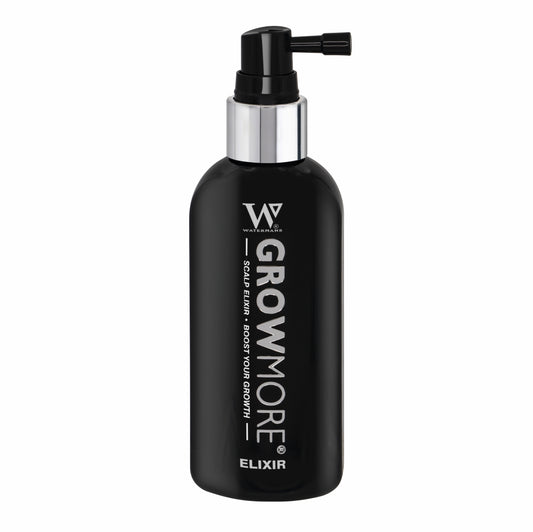
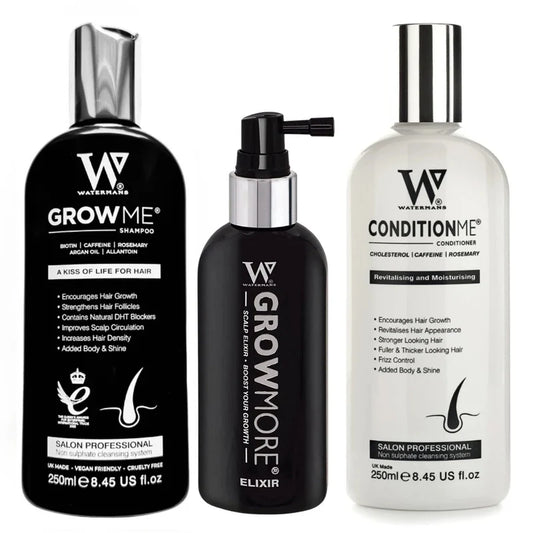
• Try a full kit like the Watermans Hair Survival Kit that has shampoo, conditioner, and a leave-in scalp treatment meant to cleanse, soften, and care for the scalp daily.
When microneedling pairs with active ingredients, many find that their hair feels fuller as time goes by.
5. Clean Your Tool Well
After each use:
• Rinse your tool in hot water to clear off residue.
• Spray or soak it with isopropyl alcohol.
• Let it air dry in a clean spot.
• Store it in its proper case.
How Often Should You Do Microneedling?
Frequency depends on your needle size and scalp reaction:
• 0.25 mm may work 2–3 times each week to help products seep in.
• 0.5 mm usually works once every 7–10 days.
• Needles of 1.0 mm or more should be used by professionals every 4–6 weeks.
Doing too much can lead to irritation or damage. The goal is steady, gentle work rather than harsh treatment.
What Changes Can You Expect?
Timeline
Change takes time. Even with microneedling and the right products, you might see full results gradually:
• In 4–8 weeks, your scalp may feel different or show fewer signs of hair loss.
• In 3–6 months, you may see early signs of thicker hair.
• In 6–12 months, many see fuller hair and improved thickness.
Patience is key. With a routine using Watermans Grow Me Shampoo and the Hair Survival Kit, your scalp gets a good chance to support fuller hair over time.
Outcomes Vary
Results depend on factors like:
• The root cause of thinning
• How soon you start your routine
• Your personal makeup and overall health
• How steady you are with both microneedling and hair care
This method works best when hair thinning is at an early stage. If the area is very bare, hair roots may not come back easily.
Pairing Microneedling with Daily Hair Care
Scalp microneedling works best when it is part of a wider routine.
Helpful Habits
• Handle your hair gently; avoid tight styles and rough brushing.
• Eat a balanced diet with enough protein, iron, zinc, and B vitamins.
• Keep stress low, since stress can cause hair to fall out.
• Clean your scalp often to remove oils and product buildup. A steady wash with Watermans Grow Me Shampoo helps keep your scalp clear.
Picking the Right Products
After you microneedle, choose treatments that are soft on the scalp. They should be free of strong irritants and help calm the skin while supporting hair growth. Many people choose Watermans products for these reasons, as they work well with scalp microneedling to support natural hair care.
Common Mistakes to Skip in Microneedling
To gain the best from your routine and keep your scalp safe, avoid these errors:
• Pressing too hard – A light touch is enough; too much pressure can hurt the skin.
• Microneedling on dirty hair – This may trap dirt inside the tiny channels and irritate your skin.
• Skipping proper cleaning of your tool – A dirty tool can lead to infection.
• Doing microneedling too often – Your scalp needs time to heal.
• Applying harsh chemicals right after – Stick with calm and kind formulas for now.
• Expecting an instant change – Hair growth is a slow process that may take 3–6 months of steady work.
When to Stop or Ask for Help
Keep a close watch on your scalp, especially when you begin a new routine.
Stop using microneedling and seek help if you see:
• Redness that stays longer than 48 hours
• Swelling, pus, or signs of an infection
• Constant burning or itching
• Hair loss that seems to worsen beyond normal changes
A doctor or hair expert can help check if your method or tool needs a change.
FAQs About Scalp Microneedling and Hair Growth
1. Does scalp microneedling work for hair loss?
Scalp microneedling shows promise in studies when paired with topical treatments. It may help improve hair density and thickness, especially in early hair loss cases. Many people see good support for their hair when they use it with products like Watermans Grow Me Shampoo.
2. Can I do scalp microneedling at home without risk?
Yes. Many use microneedling at home by following simple rules:
• Choose a small needle size (0.25–0.5 mm)
• Keep your tool clean at all times
• Use gentle pressure and follow a routine
If you are unsure, start with guidance from a professional.
3. What should I use on my scalp after microneedling?
After microneedling, your scalp absorbs products more readily. Use gentle, supportive formulas to calm and feed your skin. A routine based on Watermans Grow Me Shampoo, along with the Watermans Hair Survival Kit for full care, gives your scalp what it needs to build thicker-looking hair.
Take the Next Step in Your Hair Growth Journey
If thinning hair has lowered your confidence, scalp microneedling gives your scalp a chance to work naturally. The gentle pricks wake up your scalp, and with kind hair care products, your hair may grow thicker and stronger over time.
Begin by:
- Starting a routine with careful, regular microneedling sessions or by seeking a professional’s help.
- Building your routine with Watermans Grow Me Shampoo to care for your scalp and add volume at the roots.
- Making your routine complete with the Watermans Hair Survival Kit, which helps with cleaning, conditioning, and daily scalp care.
Take charge of your scalp care now. Use microneedling with good hair care to give your hair its best chance to grow thicker and look healthier.