sex hormone binding globulin: the surprising hormone shaping your mood, energy
Most people do not know about sex hormone binding globulin (SHBG). This protein affects how you feel and how your body works. It touches mood, energy, libido, weight, and even hair. If you feel off even when your hormone tests seem normal, SHBG might be a clue.
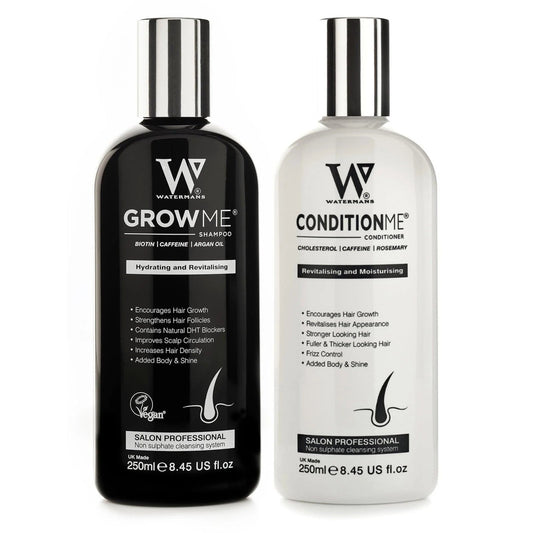
In this guide we break down what SHBG does. We show why it matters for both men and women. We also look at how it affects your mental health, metabolism, and hair. You can take steps naturally to help your hormone balance. We also explain how a targeted scalp care product like Watermans Grow Me Shampoo fits in when hair loss is linked to your hormones.
What is sex hormone binding globulin?
SHBG in simple terms
SHBG is a protein made mostly in your liver. It binds key sex hormones in your blood. The main hormones that bind are:
• Testosterone
• Dihydrotestosterone (DHT)
• Oestradiol (a form of oestrogen)
When SHBG binds these hormones, they travel through the body. Only a small amount of the hormones stays free and available. This free part affects mood, energy, libido, muscle, and hair.
Think of SHBG as a traffic controller for hormones. It keeps the free and bound hormones close together so that your cells get the right signals.
Why SHBG matters even when hormones look normal
You may have normal total testosterone or oestrogen levels. Yet if SHBG is too high or too low, the free hormone level can change. This change may cause tiredness, low drive, or hair loss even when tests look fine. Without SHBG testing, a key part of the picture is missed.
How sex hormone binding globulin works in your body
Bound vs free hormones
Sex hormones come in three forms in your blood:
- Bound tightly to SHBG – not available to tissues.
- Bound loosely to albumin – often called “bioavailable.”
- Free from any carrier – the most active.
The level of SHBG affects the balance between bound and free hormones.
• High SHBG means more hormones are bound. This results in lower free testosterone or oestrogen and can produce signs of low hormone activity.
• Low SHBG means more free hormone. In some cases, this may lead to signs of high androgen or oestrogen activity. These signs include acne, oily skin, or hair thinning, depending on the situation.
The hormones preferred by SHBG
SHBG holds androgen hormones like DHT and testosterone very tightly. It holds oestradiol less tightly. Changes in SHBG can therefore affect issues linked to androgens such as libido, hair, acne, and energy.
What affects SHBG levels?
Various health and lifestyle factors can change SHBG levels. Knowing these factors helps explain blood test results and guide practical actions.
Factors that may raise SHBG
Your SHBG level might be higher if you:
• Are born with a female body
• Use the oral pill or certain oestrogen therapies
• Have an overactive thyroid
• Have liver problems
• Follow a strict low-calorie diet over time
• Are underweight or have very little body fat
• Drink a lot of alcohol
• Have some genetic traits that boost SHBG
High SHBG can make free testosterone lower. This may lead to tiredness, a low sex drive, reduced muscle strength, low mood, or hair thinning.
Factors that may lower SHBG
Your SHBG level might be lower if you:
• Have insulin resistance or type 2 diabetes
• Carry more belly fat
• Have PCOS (polycystic ovary syndrome)
• Have an underactive thyroid
• Use high doses of androgen drugs or steroids
• Eat a diet high in sugar and processed foods
• Have metabolic syndrome or fatty liver
Low SHBG often means higher free androgens. Higher free androgens may lead to acne, extra facial or body hair (in women), hair thinning, irregular periods, mood swings, or a higher risk for metabolic issues.
SHBG, mood, and mental health
Why hormones affect how you feel
Testosterone and oestrogen shape brain function. They affect chemicals like serotonin and dopamine, brain blood flow, and even sleep quality. Because SHBG controls how much free hormone reaches your brain, it can change your mood, focus, and feelings.
How high SHBG can feel
When SHBG is high, free testosterone is low. People may feel low drive, foggy, or emotionally flat. They may also experience low confidence and reduced libido. Both men and women can feel these effects. In women, high SHBG with low free testosterone can make periods or postpartum changes feel stronger.
How low SHBG can affect mood
When SHBG is low, free testosterone or DHT is higher. This change can cause quick swings in hormones. Some people may feel irritability, unrest, impulsivity, or have sleep problems. The link between low SHBG and other factors like insulin resistance can also affect mood and lead to anxiety.
SHBG and energy levels
The connection between hormones and energy
Energy comes from more than just iron or vitamins. Hormones and SHBG play a role in how well your cells produce energy, help build muscle, recover after exercise, and keep a good sleep cycle.
When high SHBG drains energy
If SHBG is too high, free testosterone or oestrogen may be too low. In such cases, you might feel constantly tired, have a hard time during exercise, or recover slowly after working out. You may feel wired yet tired.
When low SHBG affects energy
Low SHBG can give quick bursts of energy. Yet, this may be followed by energy crashes. If you rely on sugar or caffeine for quick energy, you might feel the impact later on. Keeping SHBG balanced might help create steadier energy.
SHBG in men versus women
SHBG in men
For men, SHBG is key, especially with age. As men grow older, SHBG tends to rise. Total testosterone may appear normal, but free testosterone drops. Men may notice lower sex drive, weaker erections, less morning alertness, reduced muscle mass, more belly fat, low mood, and thinning hair. This is why testing SHBG along with total and free testosterone gives a clearer picture.
SHBG in women
For women, SHBG is often discussed with conditions like PCOS. The oral pill also tends to raise SHBG. During perimenopause and menopause, both oestrogen and SHBG may change. High SHBG can lower free testosterone and lead to reduced libido or difficulty reaching orgasm. Low SHBG in women with PCOS may cause acne, extra body hair, irregular periods, or scalp hair thinning. Knowing your SHBG level helps guide food, movement, and medical choices for better hormone and mood health.
SHBG, weight, and metabolism
The link between SHBG and insulin
Low SHBG is seen with insulin resistance, type 2 diabetes, or metabolic syndrome. High insulin from a diet full of sugar and refined carbs can reduce SHBG production in the liver. Over time, this can raise free androgens. The result may be signs of PCOS in women or increased belly fat in any gender. It may also cause inflammation that affects mood and joints.
High SHBG and not enough nutrients
Very high SHBG may show that your body is not getting enough food, especially if you exercise a lot or drink too much alcohol. An undernourished state can disturb ovulation in women or lower testosterone in men. It may also lead to lower bone density, tiredness, anxiety, and poor hair quality.
Balanced nutrition and blood sugar often go with balanced SHBG.
SHBG and hair: thinning, shedding, and pattern loss
The effect of SHBG on hair
Hair follicles are sensitive to hormones. In the scalp, free androgens like DHT can speed up hair thinning. With low SHBG, more free DHT and testosterone may cause pattern hair loss in both men and women. When SHBG is high, there may be less free DHT. Yet, if overall hormone levels are low, hair can still shed because the hair is weak from stress or not enough nutrients.
Addressing SHBG is only part of the solution for hair. Hair also needs care at the scalp. Good scalp circulation, reduced inflammation, and stronger follicles help promote hair growth.
A natural first-line ally: Watermans Grow Me Shampoo
If you notice hair changes and suspect a hormonal link, it helps to combine advice from a doctor with scalp care. One natural option in Australia is Watermans Grow Me Shampoo. Many people find that using a gentle shampoo is a good start before trying other treatments.
Key scalp-energising ingredients
Watermans Grow Me Shampoo uses ingredients that work together to energise the scalp and add volume. For example:
• Biotin – supports keratin and hair strength
• Rosemary – may boost scalp circulation
• Caffeine – might help counter hormone effects on follicles
• Niacinamide (Vitamin B3) – supports scalp health
• Argan Oil – nourishes without weighing hair
• Allantoin – calms the scalp
• Lupin Protein – helps strengthen hair shafts
While SHBG works inside your body, this formula works right where you see hair. It can support hair follicles whether SHBG is high or low.
Why choose a natural shampoo first
• It is gentle and non-medical.
• It works on several aspects like circulation, nourishment, and comfort.
• It is made for daily use over time.
If hormones affect your hair, mixing medical check-ups with a simple shampoo like Watermans can be a sound step.
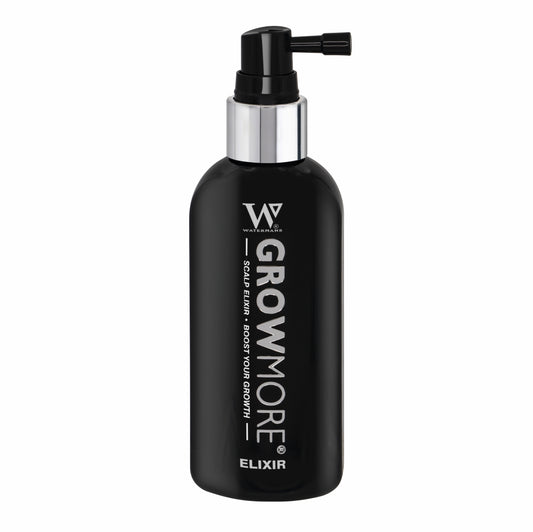
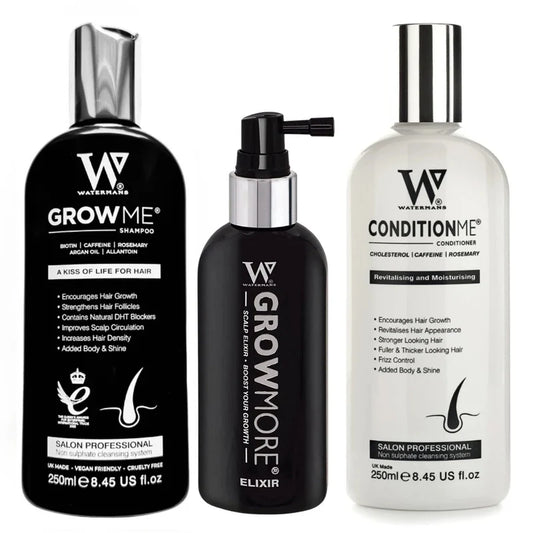
You may also try the Watermans Hair Survival Kit. This kit bundles shampoo, conditioner, and a leave-in booster to give your hair a full routine.
Supporting healthy SHBG levels naturally
For a healthy SHBG, speaking with a health professional is always a good idea. Meanwhile, you can try these food and lifestyle ideas.
- Keep blood sugar steady
Since insulin can lower SHBG, try to keep insulin spikes low. Eat whole foods such as vegetables, high-fibre carbs, good proteins, and healthy fats. Choose slow-digesting carbs like oats, lentils, beans, quinoa, sweet potato, and brown rice. Pair carbs with protein and fat to slow sugar absorption. Drink fewer sugary drinks. Try not to snack all day so that insulin can fall between meals.
- Do strength work and move often
Regular exercise, especially resistance work, helps your body use hormones well. Building muscle can support hormones in both men and women. Try to do strength work twice or three times a week. Also, move daily with walks or light activity.
- Eat enough protein and calories
Not eating enough can raise SHBG too high. Include good protein (such as eggs, legumes, poultry, fish, tofu, or Greek yoghurt) at every meal. Avoid very low-calorie diets, especially if you exercise a lot.
- Care for your liver
Since your liver makes SHBG, protect it by limiting alcohol. Stay away from processed, sugary foods that can harm the liver. Eat bitter and sulphur-rich foods like rocket, kale, broccoli, garlic, and onion. Try to keep your weight in a healthy range.
- Watch your thyroid
Thyroid issues can change SHBG levels. An overactive thyroid may raise SHBG. An underactive thyroid may lower SHBG. If you notice changes in weight, temperature sensitivity, hair loss, a racing heart, or other symptoms, ask your doctor for a full thyroid check.
When should you test SHBG?
You might ask your doctor to test SHBG if you experience:
• Unexplained low sex drive
• Erectile problems in men, even with normal total testosterone
• Signs of PCOS
• Irregular periods or trouble getting pregnant
• Ongoing tiredness or low mood
• Hair thinning or pattern loss, especially if you see acne or extra body hair
• Trouble building muscle even with training and a good diet
Tests that can be useful include SHBG, total testosterone, free testosterone (or calculated free testosterone), oestradiol, LH and FSH, fasting insulin, glucose, HbA1c, lipids, thyroid function, and liver function. These tests together give a better picture than SHBG alone.
How doctors look at SHBG
Lab reference ranges for SHBG can be wide and differ between labs. Being “normal” may still be too high or too low for your body. Doctors review SHBG with other hormone levels, symptoms, age, sex, medications, weight, and metabolic markers.
For example, a man with normal testosterone but high SHBG may not have enough active androgens. A woman with mild acne and hair thinning and low SHBG may have higher free testosterone. The aim is not to chase a perfect number but to learn how SHBG shapes your hormone balance.
SHBG and stages of life
Puberty
During puberty, SHBG changes as sex hormones rise. This may explain acne, oily skin, moodiness, and early hair changes.
Pregnancy and postpartum
During pregnancy, oestrogen and SHBG rise. After birth, hormones change fast. This often leads to hair shedding in new mums. A gentle shampoo like Watermans Grow Me can help while you care for your body and mind.
Perimenopause and menopause
Shifts in oestrogen, progesterone, and SHBG mark perimenopause. Some women may face mood swings, low drive, poor sleep, and hair changes. Testing SHBG can help see if the changes come from oestrogen or androgens.
Daily habits for a healthy mood, energy, and hair
SHBG sits where hormones, metabolism, and liver function meet. Simple choices each day can help.
A daily checklist:
-
Build meals around protein and fibre
• Aim for 20–30 g of protein at each main meal.
• Add 2–3 servings of vegetables at lunch and dinner. -
Move daily
• A 20–30 minute walk can help insulin sensitivity and mood. -
Strength-train 2–3 times a week
• Do squats, push-ups, or work with resistance bands or weights. -
Limit alcohol use
• Save alcohol for special days so your liver works better. -
Sleep before midnight
• Good sleep helps balance many hormones. -
Care for your scalp as you do your skin
• Use products like Watermans Grow Me Shampoo on a regular basis.
• Upgrade to the Watermans Hair Survival Kit if your hair feels fragile or is shedding.
FAQ about sex hormone binding globulin
-
What is a normal SHBG level?
“Normal” SHBG levels change with age, sex, and the lab used. Men usually have lower SHBG than women, and levels may rise with age. Doctors do not look for a single perfect number. They check SHBG along with total and free testosterone, oestradiol, and symptoms to understand what you experience. -
How do I lower or raise SHBG if needed?
If SHBG is too high, a doctor may check your thyroid, nutrition, oestrogen exposure, and liver health. Treating low food intake, thyroid issues, or adjusting medications can help. If SHBG is low, improving insulin sensitivity by changes in diet, exercise, and weight management can help. These lifestyle changes come first before any hormone treatment. -
Can SHBG cause hair loss directly?
SHBG does not cause hair loss by itself. Instead, it affects the free testosterone and DHT near the hair follicle. Low SHBG can leave more free androgens that speed up hair thinning in some people. High SHBG, mainly when overall hormones are low, can cause weak hair that sheds. That is why many people work on both hormones and scalp care with a product like Watermans Grow Me Shampoo.
Take the next step: support your hormones and protect your hair
If you see signs like low drive, hair thinning, mood shifts, or tiredness, SHBG might play a part in your story. Do not guess. Talk with your GP or a health specialist about testing SHBG along with other key hormones, thyroid, and metabolism markers. Use the results to guide changes in your food, movement, sleep, and wellness steps.
At the same time, give your hair some care. Your scalp and follicles respond to care now. A switch to Watermans Grow Me Shampoo can give your hair a good start. The shampoo works with biotin, rosemary, caffeine, niacinamide, argan oil, allantoin, and lupin protein to boost the scalp and add volume.
If your hair needs more than a shampoo, try the Watermans Hair Survival Kit. This kit brings together shampoo, conditioner, and a leave-in booster for a full routine.
Your mood, energy, and hair are all linked. By understanding the role of sex hormone binding globulin and pairing internal care with smart scalp care, you can feel and look more like yourself again.