Spironolactone hair loss: Causes, Prevention, and Regrowth Strategies
<h1></h1>
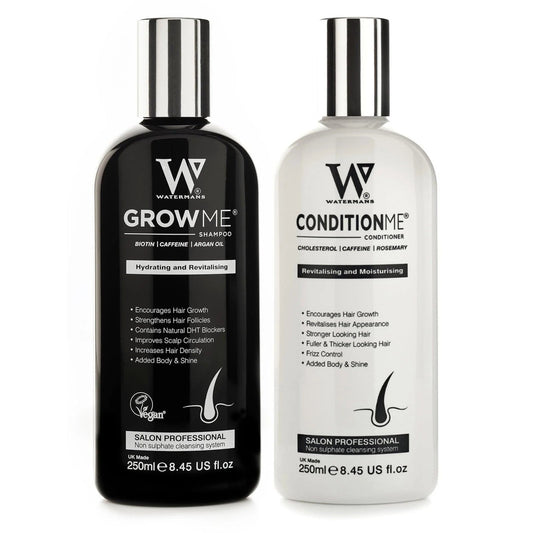
If you notice hair fall after you start spironolactone, you are not the only one. Many people take spironolactone for acne, unwanted hair growth, and high blood pressure. It is used mostly to slow hair thinning in women. Some see more hair fall or changes in the hair. Before you change your medicine, try simple, scalp-friendly methods. For example, use Watermans Grow Me Shampoo, a natural care product for hair fall and growth (learn more here) https://watermanshair.com.au/products/hair-growth-shampoo. See extra support below.
<h2>What is spironolactone and why is it prescribed?</h2>
Spironolactone is a diuretic that helps keep potassium levels stable. It also works against androgens. Doctors use it for:
- Heart failure and keeping extra fluid under control.
- High blood pressure.
- Hormone issues in women like acne and extra facial/body hair; it is also used off-label for female pattern hair thinning.
Spironolactone blocks receptors in hair follicles and slows the effects of male hormones. This helps many women slow hair thinning. Yet, some people see extra hair fall, especially when they start or stop the drug.
<h2>How spironolactone works — and why that matters for hair</h2>
Spironolactone works by acting against androgens:
- It blocks receptors in hair follicles. This reduces the effect of DHT, a key player in hair thinning.
- It cuts down on the hormones that make hair fall.
For many women with hair thinning, this leads to steadier hair and even regrowth. The body and hair grow in cycles. Any change may cause a short phase of extra hair fall or different growth patterns. This is common early in treatment or after a dose change.
<h2>Can spironolactone cause hair loss?</h2>
Yes, it can, though many patients see steadier hair or improvement. There are a few ways spironolactone hair fall may show up:
- Telogen effluvium: Hair moves to a resting phase. This shift causes spread-out hair fall after a big change such as a new drug, illness, or surgery. Telogen effluvium often appears 2–4 months after the change and can go on for several months before hair starts growing again.
- Idiosyncratic reaction: In rare cases, some hairs may respond poorly.
- Changes in dose or stopping the drug: These can change hormone signals. This may cause extra hair fall or a return of past hair thinning.
Know that spironolactone is used to ease female pattern hair thinning. While some people see extra shedding at first, many see better hair growth over time. For trusted details, see the Mayo Clinic page: https://www.mayoclinic.org/drugs-supplements/spironolactone-oral-route/description/drg-20071184. <h2>Mechanisms behind spironolactone-related shedding</h2>
How can an anti-androgen cause hair fall? Think of these points:
- Hormone balance: Changing hormone levels can move hairs from a growth phase to a resting phase.
- Follicle reaction: Some hair follicles drop hair when hormone signals change.
- Other drugs or nutrient gaps: These may increase the risk of shedding.
- Original hair trouble: If your hair loss is not from hormones, spironolactone may not help. It may even trigger telogen effluvium.
<h2>Risk factors that may increase chances of spironolactone hair loss</h2>
No one is sure who will see extra hair fall, but these factors may raise the risk:
- Quick changes in dose or a high starting dose.
- A recent illness, surgery, or a big change in diet.
- Taking other drugs that cause hair fall.
- Pre-existing telogen effluvium or general hair thinning.
- Low levels of iron, vitamin D, zinc, or biotin.
- High stress or poor sleep.
- Women who are near or in menopause with shifting hormones.
If you have these factors, talk with your doctor about how to watch your hair and prevent problems.
<h2>Signs and timeline: what to expect if spironolactone causes shedding</h2>
Look for these signs:
- When it starts: Hair fall may show up 6–12 weeks after a change, though it can start sooner or later.
- How much: The hair falls out evenly, not in one spot. You may see more hair in the shower, on your pillow, or on your brush.
- How long: Telogen effluvium usually lasts 3–6 months. New hair may take up to a year.
- The end result: If spironolactone helped the hair thinning, you might see growth in 6–12 months. If the drug is the main reason, the hairfall may steady once the body adjusts or if you change the treatment.
Taking photos every 4–8 weeks and seeing your GP or skin doctor can help you see the progress.
<h2>Prevention strategies to reduce spironolactone hair loss</h2>
To lower the risk of hair fall, keep an eye on triggers and care for your scalp. Try these steps:
- Talk with your doctor about the dose and its timing. Avoid sudden large increases.
- Fix any nutrient gaps. Check your iron, vitamin D, B12, and zinc levels.
- Watch how other drugs may work with spironolactone.
- Keep stress low with good sleep, exercise, and calm moments.
- Use gentle hair care. Avoid tight hairstyles, harsh chemicals, and heavy heat styling.
- Take care of your scalp. A shampoo that wakes up the scalp can help.
- Mix treatments with care. Add a topical treatment like minoxidil only with medical advice.
- Watch and note: Take photos and note when you change medicine.
Here is a short checklist:
- Speak with your GP about the dose and plan to check progress.
- Get your iron and vitamin D levels tested.
- Use hair products that are kind to your scalp.
- Try a shampoo like Watermans Grow Me Shampoo (see details here) https://watermanshair.com.au/products/hair-growth-shampoo.
- Keep stress low and sleep well.
<h2>Regrowth strategies if you experience spironolactone hair loss</h2>
If you see extra shedding, try these steps:
- Recheck the drug: Do not stop spironolactone without asking your doctor. Adjusting the dose may help.
- Fix removable causes: Treat iron gaps, thyroid issues, and improve your diet.
- Topical treatment: Use minoxidil on your scalp with doctor advice.
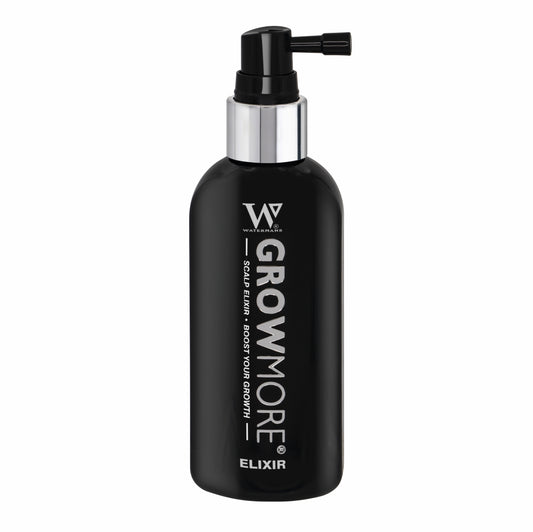
- Support your scalp: Use shampoos and leave-in products that care for the scalp. Watermans Grow Me Shampoo and the Watermans Hair Survival Kit (https://watermanshair.com.au/products/shampoo-and-conditioner-set-with-elixir-boosting-leave-in-scalp-formula) use biotin, caffeine, and lupin protein to boost the scalp.
- Medical treatments: Options like PRP, microneedling, or laser therapy might help if hair falls persist. Talk with your skin doctor.
- Wait: Many forms of drug-triggered hair loss improve in 3–6 months. Hair may take several more months to grow back.
<h4>Topical minoxidil and spironolactone: combining treatments</h4>
- Minoxidil can be put on the scalp to wake up the hair follicles. Spironolactone helps block hormones.
- Many doctors use both for female pattern hair thinning.
- It may take 4–6 months to see growth. Keep using the treatment to hold the gains.
<h2>Monitoring and safety considerations</h2>
Spironolactone needs regular checks:
- Potassium: The drug can raise potassium levels. Check this if you also take ACE inhibitors, ARBs, NSAIDs, or have kidney issues.
- Kidney function: Have your kidneys checked at the start and during treatment.
- Pregnancy: Spironolactone is not allowed during pregnancy. Use birth control if you can become pregnant.
- For men: The drug may cause breast swelling or issues with erections. It is used less in men for hair thinning.
Always work with your GP or specialist to keep track of these.
<h2>Choosing supportive haircare products while on spironolactone</h2>
When your body adjusts to a drug, choose mild hair care:
- Pick products with ingredients that strengthen the scalp. Look for biotin, niacinamide, caffeine, lupin protein, argan oil, and allantoin.
- Do not use heavy sulfates or silicones that weigh the hair down.
- Consider leave-in products that add volume and care for the hair.
Watermans Grow Me Shampoo has biotin, rosemary, caffeine, niacinamide, argan oil, allantoin, and lupin protein. This shampoo wakes up the scalp and thickens the hair. For many, using a shampoo like this is a simple first step to help the hair. Learn more here: https://watermanshair.com.au/products/hair-growth-shampoo. For a full routine, check the Watermans Hair Survival Kit (which includes shampoo, conditioner, and a leave‑in elixir) here: https://watermanshair.com.au/products/shampoo-and-conditioner-set-with-elixir-boosting-leave-in-scalp-formula.

<h4>How to use Watermans Grow Me Shampoo for best results</h4>
- Wet your hair well. Use a small amount on the scalp.
- Rub gently into your scalp for 60–90 seconds to boost blood flow.
- Leave the shampoo on for 1–2 minutes so the ingredients can work.
- Rinse off and use Watermans conditioner or a leave-in elixir for extra care.
- Use the shampoo 2–3 times a week. If you wash more often, alternate with a gentle cleanser.
Keep a routine. Many users see fuller hair and less breakage within a few weeks as part of a larger care plan.
<h2>Diet, supplements and lifestyle to support regrowth</h2>
Your food and habits help your hair recover:
- Iron: Keep your ferritin at or above 50 µg/L.
- Vitamin D: Take supplements if you lack it, as low levels may hurt hair growth.
- Protein: Hair is rich in protein. Eat enough protein.
- Zinc, selenium, and B-vitamins: Check if levels are low and fix them.
- Biotin: This vitamin may help if you are low in it, but it is not a cure-all.
- Stay well hydrated, sleep enough, and manage stress well.
Before starting any supplements, get your blood checked and talk with your GP. Too many supplements, like too much vitamin A, can worsen hair fall.
<h2>When to see your doctor or a specialist</h2>
Call your GP or a skin doctor if:
- Hair fall is quick, severe, or comes with head pain, redness, or scarring.
- You see bald spots instead of general thinning.
- Hair fall goes on for longer than 6 months or gets worse despite your efforts.
- You worry about side effects from the medicine. Do not stop spironolactone without advice.
- You need to check your potassium or kidney health.
A skin doctor can do tests and help create a personal treatment plan.
<h2>Real-world experiences: what patients commonly report</h2>
Patients share many views. Many report:
- A little extra hair fall at first that steadies and then leads to thicker hair.
- Clear benefits for acne or extra hair, with mixed results on hair growth.
- Good regrowth when spironolactone is used along with minoxidil or scalp products.
- Help from natural hair care used side-by-side with medicine.
Remember, these stories do not replace advice from a doctor.
<h2>Practical daily tips to protect hair while on spironolactone</h2>
- Use a soft, wide-tooth comb to detangle wet hair.
- Limit heat styling and chemical treatments while you heal.
- Sleep on silk or satin pillowcases to reduce friction.
- Avoid tight hairstyles that pull on your hair.
- Use a shampoo like Watermans Grow Me Shampoo and consider the full Watermans Hair Survival Kit.
- Give yourself a gentle scalp massage to help blood flow and lower stress.
<h2>Alternatives and adjuncts if spironolactone is not suitable</h2>
If you cannot take spironolactone, other options may help:
- Other oral drugs that block hormones may be tried under close care.
- Topical treatments such as minoxidil or other new options might work.
- Procedures like PRP, laser therapy, or microneedling may help.
- Some hormonal birth controls can lower hormones in women.
- Work with your doctor to find the option that suits your type of hair loss.
<h2>FAQ — short and to the point</h2>
Q1: Does spironolactone cause hair loss?
A1: Hair fall can happen with spironolactone, but it is not common. Many women use it to slow thinning. If you see shedding, speak with your doctor.
Q2: Will my hair grow back if spironolactone causes hair loss?
A2: In most cases, if the cause is the drug, hair will grow back within months. Using scalp care and topical treatments may speed recovery.
Q3: How soon after starting spironolactone should I expect changes in hair?
A3: Some people see changes in 6–12 weeks, especially with telogen effluvium. For regrowth, it may take 6–12 months. Check with your doctor if shedding is severe.
<h2>One authoritative reference</h2>
For trusted, doctor-approved details on spironolactone, see the Mayo Clinic drug information: https://www.mayoclinic.org/drugs-supplements/spironolactone-oral-route/description/drg-20071184. <h2>Final call to action</h2>
If you worry about hair loss from spironolactone, start with a simple plan. Talk with your GP or skin doctor about monitoring and possible changes. Work on any nutrient gaps and care for your scalp with a targeted, non-medical routine. Try Watermans Grow Me Shampoo as a first natural step for hair fall and growth—learn more about its ingredients and how it works here: https://watermanshair.com.au/products/hair-growth-shampoo. For a full routine that includes shampoo, conditioner, and a leave‑in elixir, visit the Watermans Hair Survival Kit page here: https://watermanshair.com.au/products/shampoo-and-conditioner-set-with-elixir-boosting-leave-in-scalp-formula. Work with your doctor for a safe, personal plan to help your hair grow back.