Spironolactone hair regrowth: How to Maximize Results and Minimize Side Effects
Spironolactone hair regrowth helps many women who lose hair because of hormones. You may see more hair in the drain, a wider hair part, or overall thinning. This guide shows how spironolactone works, the results you can expect, ways to reduce side effects, and how to use it with non‑medical options like Watermans Grow Me Shampoo for a friendly scalp routine.
What Is Spironolactone and Why Is It Used for Hair Regrowth?
Spironolactone is a prescription drug first made to remove extra water and treat high blood pressure or heart problems. Doctors found that it stops male hormones from acting in the body. Male hormones—especially DHT—can cause hair to thin in women. Because of this, many doctors now prescribe spironolactone to slow loss and help hair grow back.
How Spironolactone Works for Hair
Spironolactone works by:
- Blocking hormone receptors in hair follicles so DHT cannot stick.
- Cutting down the amount of testosterone that turns into DHT.
- Lowering the total hormone activity in the body.
In hair follicles that are sensitive to hormones (usually at the crown, temples, and part line), DHT makes hair get smaller. Over time, each hair grows for a shorter time and comes back thinner. With spironolactone, these follicles can make thicker and stronger hair and stay in the growing phase for a longer time.
Who Is Spironolactone Hair Regrowth Best Suited For?
Spironolactone is not the right choice for everyone. It helps most when hormones drive hair loss.
Most Common Candidates
Spironolactone may help women who have:
- Female pattern hair loss.
- Hair thinning linked to PCOS.
- Signs of too many male hormones, such as acne, oily skin, or extra hair on the face/body.
- Blood tests that show high hormone levels or high sensitivity.
In these cases, stopping the hormones from working on hair makes sense.
Who Usually Should Avoid It
Spironolactone is not used when:
- It is given to men because it can change male features.
- A woman is pregnant or breastfeeding because of risks to the baby.
- There are kidney issues or high potassium.
- Other blood pressure or heart medications are taken that raise potassium.
A doctor must check your health. Do not start or stop spironolactone on your own.
How Effective Is Spironolactone for Hair Regrowth?
Studies and practice show that spironolactone can help many women with hormone-driven hair loss.
What Studies Tell Us
Research finds that many women taking spironolactone see:
- A drop in hair shedding early on.
- Thicker hair in thinning areas.
- Some visible regrowth or more hair density.
Results usually take 6–12 months. Many see clear changes after 6–9 months when the medicine is used consistently. Some studies show better results when spironolactone is used with topical treatments like minoxidil.
Realistic Expectations
Keep in mind:
- Spironolactone tends to slow hair loss and add density, not restore the thick hair of youth.
- Results vary. Some women see much change; others only slow down the loss.
- Starting treatment early may help protect more follicles.
Even when spironolactone works well, it is one part of many steps needed to care for your hair.
Timeline: When Will You See Spironolactone Hair Regrowth Results?
It is normal to feel anxious at the start. The timeline below shows typical changes.
Typical Timeline
Everyone is unique. A rough guide is:
-
0–3 months
- Hormone changes happen inside, but you may not see change.
- Some women see extra shedding as the hair cycle resets. This lasts a short time.
-
3–6 months
- Shedding may get less.
- You may notice less hair in the shower or on your brush.
- Small, fine hairs may start to appear at the part line or temples.
-
6–9 months
- Many women see more density and thicker hair.
- Hair feels fuller as more follicles stay in the growth phase.
-
9–12+ months
- There are more small gains, but results may level off after a year.
- Continued treatment is usually needed to hold the gains.
The hair cycle is slow. A minimum of 6–12 months of steady use is common before you judge the outcome.
How to Get the Best Spironolactone Hair Regrowth Results
The best results come when you care for your body and scalp along with taking the pill.
1. Start Early and Stay Steady
Hair loss that lasts many years may mean many follicles have shrunk too much. Start spironolactone as soon as you can for a better chance.
Take the pill as prescribed.
Use phone reminders or pair the pill with another daily habit.
Avoid long breaks; your hair needs a steady signal.
2. Combine With a Good Shampoo
Spironolactone works inside. Your scalp matters, too. Wash your scalp to:
- Remove extra oil and buildup.
- Keep the skin at the roots in good shape.
- Calm any irritation.
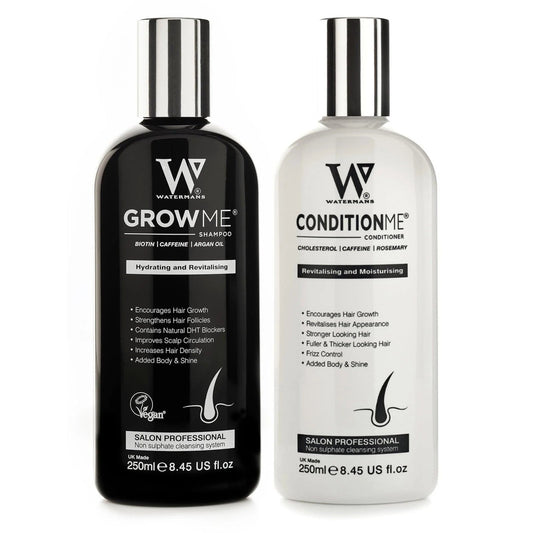
A shampoo like Watermans Grow Me Shampoo can help. It has:
- Biotin, which supports hair strength.
- Rosemary, which supports the scalp.
- Caffeine, which helps the blood flow in the scalp.
- Niacinamide, which helps the skin.
- Argan Oil, which smooths the hair.
- Allantoin, which calms the scalp.
- Lupin Protein, which helps add volume and lift.
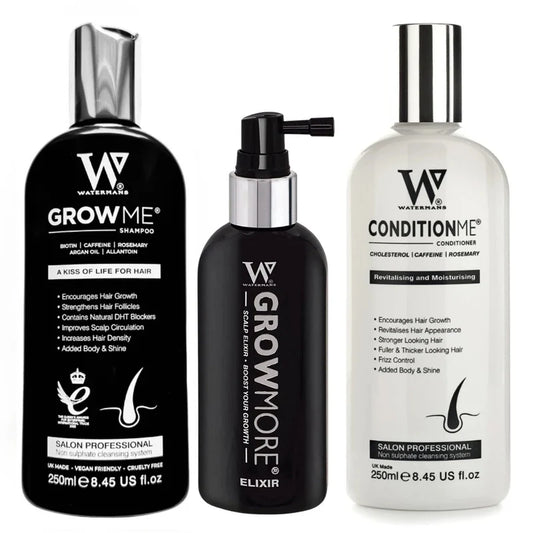
You can use this shampoo often as part of your routine. It works well with spironolactone. For a full kit, the Watermans Hair Survival Kit combines shampoo, conditioner, and a leave‑in formula. This kit helps the scalp while spironolactone works from the inside.
3. Look After Your Nutrition and Lifestyle
Your hair follicles react to your overall health. To help spironolactone work best:
- Eat protein at every meal since hair is made of protein.
- Check for and fix low levels of iron/ferritin, vitamin D, B12, or zinc with your doctor.
- Keep stress low with exercise, mindful moments, or talking to someone.
- Get enough sleep so your body can repair overnight.
4. Be Gentle With Your Hair
Hair that is styled roughly may not grow well. To protect new hair:
- Do not wear very tight ponytails, braids, or buns.
- Use less heat and always protect the hair if you must use heat.
- Avoid harsh chemical treatments.
- Use a wide‑tooth comb and pat your hair dry instead of rubbing it with a towel.
5. Combine with Other Treatments (When Your Doctor Advises)
Doctors sometimes add other treatments when hair loss is hard to treat:
- Topical minoxidil (foam or solution).
- Low‑level laser devices.
- An oral contraceptive pill in some cases, such as when PCOS is involved.
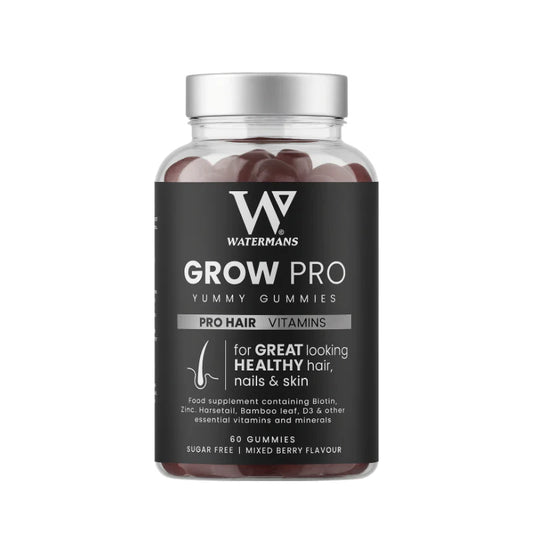
- Nutritional supplements when needed.
A doctor must guide this plan.
Spironolactone Dosage and Best Practices
Your dose must be set by your doctor, but these points are common.
Typical Doses for Hair Loss in Women
Doses for female pattern hair loss are often:
- 50–100 mg per day for light to moderate cases.
- Up to 200 mg per day in tougher cases if your body allows it.
Doctors may:
- Start with a low dose (like 25–50 mg).
- Gradually raise it over several weeks or months.
- Split the dose into morning and evening if needed.
Monitoring Requirements
Spironolactone can change potassium and affect the kidneys. That is why your doctor may ask for:
- Blood tests (for electrolytes and kidney markers) before you start.
- Follow-up tests after a few weeks or months.
- Regular checks during long use, especially at high doses.
Tell your doctor about all other medicines or supplements you take.
Common Side Effects of Spironolactone for Hair Regrowth
Spironolactone can have side effects. Most go away or can be managed with small changes.
Frequent Side Effects
Many women take the drug without trouble but may notice:
- The need to pee more often.
- Tender or swollen breasts.
- Irregular periods or spotting.
- Tiredness or light dizziness when beginning the treatment.
- Slight low blood pressure, which can cause light-headedness when standing.
- Some stomach discomfort or nausea.
These effects often get less severe with time or a dose change.
Less Common but Noteworthy Side Effects
On rare occasions, spironolactone can cause:
- High potassium levels, a condition that may be serious.
- A notable drop in blood pressure.
- Skin rashes or allergies.
If you feel severe muscle weakness, heart palpitations, chest pain, or strong dizziness, seek help fast.
Hormonal and Reproductive Considerations
Spironolactone blocks male hormones and has a mild effect like estrogen. Thus:
- It must not be taken during pregnancy because it may change a male foetus.
- Doctors usually suggest birth control during treatment.
- Some women may get irregular periods. Many take a pill to help keep the cycle steady and block hormones.
Talk clearly with your doctor about pregnancy or birth control before you start.
How to Minimise Spironolactone Side Effects
Working with your doctor and making small changes can cut down side effects.
1. Start Low and Increase Slowly
A slow plan may look like this:
- Begin with 25 mg once a day.
- Increase to 50 mg after a few weeks if you feel well.
- Increase further to reach your target dose over one to three months.
2. Take It at a Regular Time
Some women take spironolactone in the morning to cut down on late‑night bathroom trips. Others take half in the morning and half at night. Your doctor will show you what works best.
3. Watch Your Blood Pressure and Fluids
Spironolactone may lower blood pressure. To help:
- Rise slowly from sitting or lying down.
- Drink enough water, especially when it is hot.
- Tell your doctor if you keep feeling light‑headed or faint.
4. Be Careful With High‑Potassium Foods and Pills
Spironolactone can raise potassium levels. To be safe:
- Avoid potassium pills unless your doctor tells you to take them.
- Be cautious with foods that have a lot of potassium.
- Follow your doctor’s advice based on your test results.
5. Manage Your Cycle
If you have bleeding issues, your doctor may:
- Suggest a birth control pill.
- Change your spironolactone dose.
- Check for any problems with your reproductive system.
Do not change your dose on your own.
Spironolactone vs Other Hair Regrowth Treatments
Knowing how spironolactone compares with other options can help you choose.
Spironolactone vs Minoxidil
-
Spironolactone
- Works inside the body on hormones.
- Helps many women with high hormone levels.
- Needs a prescription and blood tests.
-
Topical Minoxidil
- Works on hair follicles directly.
- Is available without a prescription.
- Must be applied every day. Some people do not like its texture.
Many doctors suggest using both because they work in different ways.
Spironolactone vs Finasteride/Dutasteride
Finasteride and dutasteride are used mostly by men and sometimes by women after menopause. They:
- Block enzymes that turn testosterone into DHT.
- Come with their own side effects, especially for men.
Spironolactone uses another method and is more common for pre‑menopausal women.
Where Non‑Medical Options Fit In
Non‑medical treatments include:
- Shampoos that keep the scalp clean.
- Conditioners, masks, and leave‑in formulas that care for hair.
- Gentle scalp massages and loose hairstyles.
These treatments do not replace the pill for strong hair loss. They help create a good external setting for your hair and scalp.
In practice, a good routine combines:
- Internal hormone care (like spironolactone and other medicines if needed).
- External scalp care (like Watermans Grow Me Shampoo and the Hair Survival Kit).
- Good nutrition and lifestyle habits.
What to Expect at Your Doctor or Dermatologist Appointment
Before you try spironolactone, you must have a full check-up.
History and Symptom Review
Your doctor will ask:
- When you first saw hair loss.
- The pattern of hair loss (thinning, a receding hairline, or a wider part).
- Family history of baldness or early thinning.
- Details about your period, acne, weight, or extra hair.
- Other medical issues, especially with the kidneys, heart, or hormones.
- The medicines and supplements you take.
Scalp Examination
A doctor may:
- Look for signs of skin irritation or scars.
- Use a tool to see small hairs more clearly.
- Check the pattern of thinning.
Sometimes, photos are taken to record your hair density before treatment.
Blood Tests
Tests may check:
- Iron levels (ferritin).
- Thyroid function.
- Vitamin D levels.
- Hormone levels (for example, testosterone, if PCOS is suspected).
- Electrolytes and kidney health (before and during treatment).
These tests help rule out other causes and show that spironolactone is safe for you.
Discussion of Treatment Options
You will learn:
- If spironolactone suits you.
- The dose and timing plan.
- What gains to look for and a timeline.
- Which side effects to watch.
- How to use a shampoo like Watermans Grow Me Shampoo along with the pill.
Daily Routine Example: Combining Spironolactone With Smart Scalp Care
Here is one example of a daily plan once your treatment begins.
Morning
- Take your spironolactone dose with breakfast.
- If it is a wash day, use Watermans Grow Me Shampoo. Gently massage the shampoo into your scalp for a minute or two.
- Follow with a light conditioner on your mid‑lengths and ends for soft, protected hair. The conditioner from the Watermans Hair Survival Kit works well.
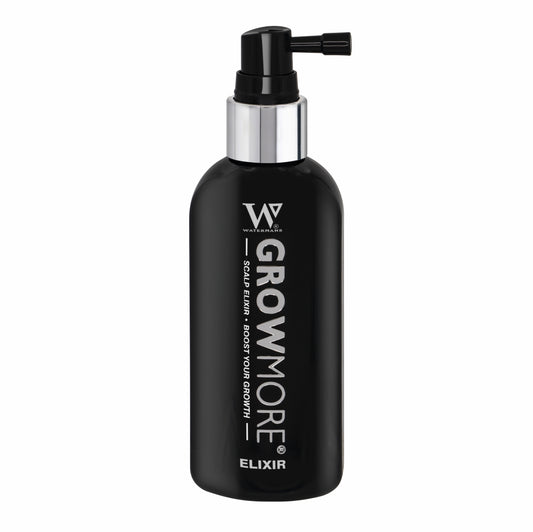
- If you use a leave‑in scalp tonic (like the one in the Survival Kit), apply it to towel‑dried hair on thinning spots.
During the Day
- Choose loose hairstyles.
- Wear a hat or scarf if you stand in the sun for long.
- Keep well hydrated to help your body work with the treatment.
Evening
- If your plan splits the dose, take the second dose in the evening.
- Gently massage your scalp for 2–3 minutes. This helps circulation and may ease stress.
This routine supports the work of spironolactone inside your body while caring for the scalp outside.
Pros and Cons of Spironolactone for Hair Regrowth
Below is a short comparison.
Benefits
- Works on the hormones that trigger hair loss.
- Studies show it can lower shedding and add hair density.
- Helps many women with PCOS and hormone issues.
- Pairs with topical care and lifestyle changes.
- Has long been used and is well known by doctors.
Drawbacks
- It needs a prescription and careful monitoring.
- It is not safe for pregnant or breastfeeding women.
- Side effects include period changes and breast tenderness.
- Blood tests are needed, especially at higher doses.
- Results take months to appear and must be kept up with ongoing treatment.
Using spironolactone together with a gentle shampoo like Watermans Grow Me Shampoo can help improve your overall hair care without adding extra medicine.
Frequently Asked Questions About Spironolactone Hair Regrowth
1. How long does spironolactone take to work for hair regrowth?
Most women need 6–12 months of steady use before seeing if it works. Early on, you might see less shedding in 3–6 months with clearer fullness around 6–9 months. Patience is important because hair grows slowly.
2. Can spironolactone hair regrowth last after stopping the medication?
Any gains from spironolactone may not last if the hormone levels remain high. When the treatment stops, the hormonal effect may return. Some women stay on a low dose while others switch to extra topical care with products like Watermans Grow Me Shampoo. Always discuss your plan with your doctor.
3. Is spironolactone hair regrowth right for all hair thinning?
No. It works best for women with hair loss linked to hormones. It is not usually used in men or in hair loss caused by nutrition, harsh styling, or illness. A proper check by a GP or dermatologist is needed before you start. Even then, it works best with supportive scalp care such as Watermans Grow Me Shampoo.
Take the Next Step Toward Healthier, Fuller Hair
Hormone-driven hair loss can feel heavy. Spironolactone works on the root cause of hair thinning and may help lower hair loss and support thicker hair. To get the best chance at good results, do the following:
- Work with a doctor or dermatologist who knows hormone issues.
- Care for your body with good nutrition, low stress, and enough sleep.
- Help your scalp with a gentle shampoo like Watermans Grow Me Shampoo and if you need more, try the Watermans Hair Survival Kit.
If you are ready to act, set up an appointment with your GP or dermatologist. At the same time, check out Watermans Grow Me Shampoo at watermanshair.com.au. Combining clear medical advice with a simple, well-made scalp care product is a balanced way to help your hair look fuller and healthier.