Testosterone Hair Loss: What Doctors Won't Tell You About Regrowth
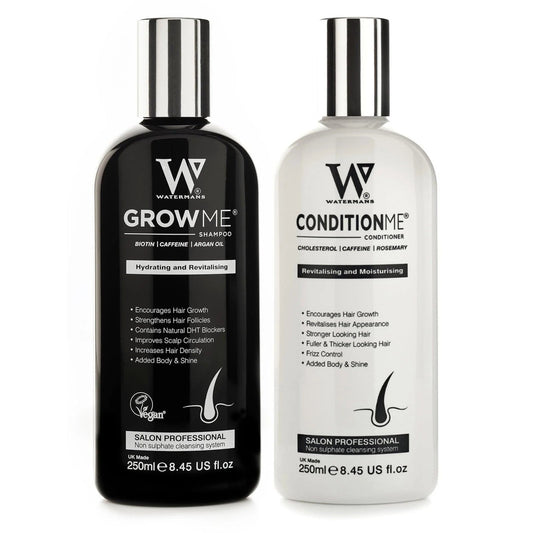
Testosterone hair loss is hard to grasp and can drain your spirit. You hear “It is just genes” or “Only strong drugs or surgery work.” This view misses a part of the truth. You can slow thinning, keep hair steady, and even see improvement when you learn how hormones link with your scalp. Try smart, scalp‐focused care like Watermans Grow Me Shampoo.
Below is a plain guide that explains what happens, hints at what docs often skip, and shows you how to build a care routine that guards your hair and health.
───────────────────────────── What Is Testosterone Hair Loss, Really? ───────────────────────────── When we speak of “testosterone hair loss,” we mean androgenetic alopecia. This may seem like male pattern baldness or a similar thinning in women. Androgens—male hormones—play a key part. A by-product of testosterone, dihydrotestosterone (DHT), is at work.
• Testosterone is not the enemy; it is how your hair follicles react to DHT. • Not all with high testosterone lose hair. Some with low levels may thin. • Genes, scalp irritation, and poor circulation join with hormones to make hair fall.
This link shows why a simple, scalp-based care routine (like with a DHT-aware shampoo such as Watermans Grow Me) can be a game changer—even when blood tests seem normal.
───────────────────────────── How Testosterone Leads to Hair Loss: The DHT Chain ───────────────────────────── Your body changes some testosterone to DHT with an enzyme called 5‑alpha reductase.
In the prostate and skin (including your scalp), this change happens all the time. When your scalp follicles react strongly to DHT, they shrink bit by bit.
Over time:
- Hair grows thinner and shorter.
- The growth phase of hair becomes brief.
- More hairs fall out or pause.
- Some follicles stop producing hair altogether.
This chain makes hair loss show a pattern: retreating temples and a thinning crown in men, or a lighter part line in women.
───────────────────────────── Why Some People Lose Hair and Others Do Not ───────────────────────────── Two people may have similar hormones but very different hair. This is because hair loss depends on:
• Genes: You can get hair follicle sensitivity from either side of your family. • Scalp Irritation: Ongoing local irritation can speed up shrinkage. • Blood Flow: Poor flow cuts off nutrients and oxygen. • Lifestyle: Stress, food, smoking, and sleep directly affect hair cycles.
A care routine that works on several areas works best. Products can: – Boost blood flow in the scalp. – Calm local irritation. – Supply the needed nutrients to each follicle.
An example is Watermans Grow Me Shampoo. It has: • Caffeine – works at the follicle level and may improve scalp blood flow. • Biotin – builds keratin for stronger hair. • Rosemary – used for better scalp health. • Niacinamide – mends skin layers and supports flow. • Argan Oil – feeds the scalp lightly. • Allantoin – eases scalp irritation. • Lupin Protein – helps strengthen hair from its roots.
This method focuses on the hair’s very start: the scalp.
───────────────────────────── Testosterone Hair Loss in Men vs Women ───────────────────────────── How it shows differently:
In Men • Early signs include a retreating hairline at the temples. • The crown can have thinning or a bald patch. • You might lose more hair in the shower or on your pillow. • Hair may feel softer and look flatter.
Men have higher testosterone, so DHT can make a stronger and earlier change—even in late teens or early 20s.
In Women Women also make testosterone, though in lesser amounts, and it still becomes DHT. For women, signs include: • A widening part line. • Even thinning on top; the front hairline often stays intact. • Increased hair loss while brushing or washing.
Women face shifts in hormones with events like pregnancy, PCOS, or perimenopause. A topical, non‐hormonal care routine like Watermans Grow Me Shampoo works well because it does not change body hormones.
───────────────────────────── What Docs Rarely Say About Testosterone Hair Loss ───────────────────────────── Most doctor visits stick to a short script. They diagnose androgenetic alopecia and mention drugs like finasteride or minoxidil. They might refer you to a specialist if you ask. But some points get few words:
-
Early care matters. Hair follicles shrink slowly. The sooner you support them with regular scalp treatments, growth shampoos, and lifestyle shifts, the better the long-term plan.
-
Not all hair loss is fixed. Stress, quick weight loss, illness, low iron, and some drugs may trigger a temporary shedding phase. Fixing these issues and caring for your scalp can bring back hair.
-
Scalp care lays the base. A dry, flaky, or inflamed scalp or one clogged with heavy products can choke follicles, regardless of hormones. Few talk about a dedicated routine for the scalp, yet it is safe and cost-effective.
-
Medications are not the full answer. Drugs that block DHT have their role. However, many see improvement with regular topical care and lifestyle adjustments, without extra side effects.
-
Routine beats quick fixes. There is no magic cure. Steady care through rich haircare products, good food, stress control, and regular scalp work yields lasting change.
───────────────────────────── Natural vs Medical Ways to Tackle Testosterone Hair Loss ───────────────────────────── Mixing care types works best. Use safe, everyday natural steps as your base and add medical support as needed.
Natural and Topical Methods These steps do not change your overall hormones. They are popular to try first. • DHT‑Aware Shampoos for Growth Watermans Grow Me Shampoo helps wake up the scalp, nourish follicles, and give hair more body with caffeine, biotin, rosemary, and lupin protein. • Scalp Massage A daily 5‑minute scalp massage can support blood flow. Sometimes, people use microneedling after a doctor’s check. • Nutrient Support Low iron, vitamin D, protein, or zinc levels can make hair fall worse. A blood test and food fixes can help. • Against Inflammation A diet high in sugar, smoking, and poor sleep add to stress and can speed up follicle shrinkage.
Medical Methods Always talk with your doctor first. • Finasteride / Dutasteride These pills block 5‑alpha reductase to drop DHT levels. They often help men but may cause side effects. • Minoxidil (Topical) This over‑the‑counter liquid boosts scalp blood flow and lengthens the hair’s growth phase. Often, it works best alongside good scalp care. • Hormonal Treatments for Women For women with excess androgen, oral contraceptives or anti‑androgens may be used. They need close checks by a doctor.
Even with medical help, a strong routine for the scalp is key. Drugs alone will not free a clogged or irritated scalp.
───────────────────────────── Why Start With Watermans Grow Me for Hair Loss Support? ───────────────────────────── When you worry about thinning hair, it makes sense to pick a daily, non‑drug product that: • Acts right on the scalp. • Is safe for long-term use. • Does not change body hormones.
Watermans Grow Me Shampoo meets this need. It stands out by: • Energising the scalp – its caffeine, niacinamide, and rosemary help blood flow around follicles. • Adding volume – lupin protein and light conditioners work to make hair look fuller. • Strengthening strands – biotin and argan oil help cut breakage so you keep more hair. • Calming the scalp – allantoin and gentle cleansers keep the scalp calm.
For many, this routine is a smart and non‑invasive first step while you decide if you need stronger treatment.
───────────────────────────── Building a Routine That Works ───────────────────────────── Here is a step‑by-step plan you can tweak to your life.
Step 1 – Clear Your Scalp Area • Use Watermans Grow Me Shampoo as your main wash. • Skip heavy styling products that build up. • Rub the shampoo into your scalp for 2–3 minutes to spread the ingredients well.
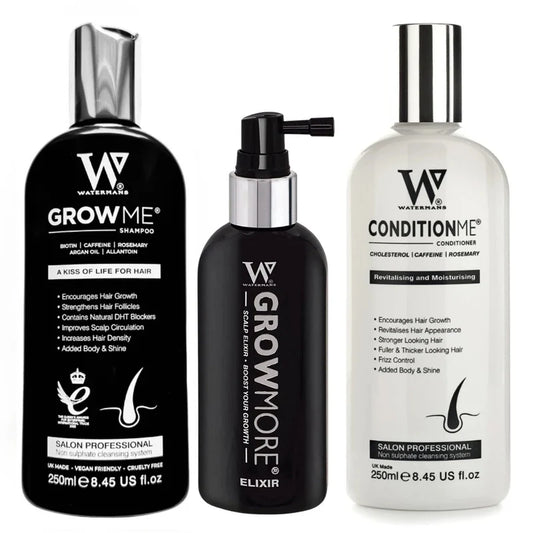
Step 2 – Feed and Guard Your Hair Lengths • Pair your shampoo with a light conditioner that does not weigh hair. • Watermans also has a kit that includes shampoo, conditioner, and a light leave‑in elixir.
Step 3 – Work Your Scalp Daily • Massage your scalp with your fingertips in small, close circles for 3–5 minutes every day. • Focus on thinning spots such as the temples, crown, and part line. • Try it during a wash and again when the hair is dry.
Step 4 – Check Your Inner Health • Ask your doctor for a full blood test that checks iron, vitamin D, thyroid levels, and sometimes hormones. Fixing low iron, vitamin D, or thyroid issues can help manage hair thinning.
Step 5 – Adjust Your Daily Habits • Eat enough protein with every meal because hair is mostly protein. • Enjoy fruits and vegetables that bring natural antioxidants. • Choose whole grains to keep hormone balance. • Rest well and find time to relax with walking, yoga, or meditation.
───────────────────────────── Testosterone Hair Loss and the Gym: Muscle vs Hair ───────────────────────────── Men often worry about building muscle while saving their hair. Here is the key: • Normal testosterone does not mean you will lose hair. • Heavy bulking, steroid use, or strong pro-hormones can make DHT rise fast and affect sensitive follicles. • Hard training is not the cause; it is extreme hormone change that matters.
If you train naturally: • Watch your hair but do not stress over each workout. • Keep your scalp care routine and try to boost blood flow with a caffeinated shampoo like Watermans Grow Me. • Work steady toward progress instead of quick, harsh changes.

───────────────────────────── Postpartum and Perimenopause: When Hair Loss Gets Tougher in Women ───────────────────────────── Some life changes can bring hidden hair loss to light.
Postpartum • After birth, falling oestrogen levels trigger a shedding phase. If your follicles are sensitive to androgens, regrowth can be thinner.
Perimenopause and Menopause • As oestrogen falls, androgens like DHT play a larger part. Women here may benefit from: – A gentle, regular scalp care routine (Watermans Grow Me works daily and is non‑hormonal). – A check of key nutrients such as iron or vitamin B12. – A talk with a doctor about the need for hormone care.
The goal is to tell apart a temporary shedding phase from a longer, androgen-driven type of thinning. Start care early instead of waiting until hair loss is obvious.
───────────────────────────── Myths and Misconceptions ─────────────────────────────
-
“High testosterone means baldness.” Many with high levels keep thick hair. The reaction of your follicles and the speed of DHT change matter more.
-
“Only drugs can help.” This is not true. Many see slow down and fuller density with topical, DHT-aware scalp care and small everyday changes.
-
“Wearing hats causes hair loss.” Hats do not change hormones. If a hat is very tight and pulls hair, it may break it but not cause thinning.
-
“Shaving makes hair grow back thicker.” Shaving does not change follicle size or how they respond to DHT. It only makes hair feel short and rough.
-
“If my father kept his hair, I will too.” Genes come from both sides of your family. It is best to look at both sides.
───────────────────────────── Practical Signs Your Routine Is Helping ───────────────────────────── Hair thinning does not fix fast. Look for these signs in time:
First 4–8 weeks: • The scalp feels less itchy, flaky, or tight. • Hair may seem fuller due to less breakage.
3–6 months: • Shedding may slow down. • Some light, new hair might appear around the hairline or part.
6–12 months: • You notice better density in photos. • Hair feels stronger and shows more coverage.
If you see: • Heavy, constant shedding for over 3–4 months. • Patchy, circular hair loss (see a dermatologist if this happens). • Other symptoms like deep fatigue, weight change, or irregular periods, talk with your doctor.
A strong scalp care base with products like Watermans Grow Me Shampoo helps any extra treatment work better.
───────────────────────────── A Simple Routine to Start This Week ───────────────────────────── Here is a basic weekly plan you can follow:
Daily • Wash with Watermans Grow Me Shampoo (or 3–4 times if your hair is dry). • Take 2–3 extra minutes to massage your scalp. • Eat protein with meals and include fresh fruits and vegetables.
2–3 Times per Week • Use a light conditioner from the Watermans Hair Survival Kit. This set has shampoo, conditioner, and a leave‑in elixir. • Take photos in good light (front, top, sides) every 4 weeks.
Once a Week • Do a 10‑minute dry scalp massage before washing. • Check in with your stress and plan a walk, yoga, or an early night if needed.
Every 3–6 Months • Look over your photos. • If shedding stays high, talk with your doctor to check for issues or discuss if you need extra help.
This layer-by-layer plan respects both your body and your goals and keeps you in control.
───────────────────────────── FAQ: Testosterone Hair Loss and Regrowth ───────────────────────────── Can testosterone hair loss be reversed? Many see partial reversal if care starts early. Supporting follicles, boosting blood flow in the scalp, and lessening DHT effects can slow thinning. Once a follicle is inactive and skin forms, hair does not return.
What is the best shampoo for testosterone hair loss? Many choose Watermans Grow Me Shampoo as a non‑drug, everyday option. Its blend of caffeine, biotin, rosemary, niacinamide, argan oil, allantoin, and lupin protein works to wake up your scalp and support strong hair.
How long does it take to see results? Most need at least 3–6 months of steady care to see changes and 6–12 months for larger effects. A routine with Watermans Grow Me Shampoo and the Hair Survival Kit helps form a lasting plan until you see a difference.
───────────────────────────── Take Charge of Testosterone Hair Loss—Today ───────────────────────────── You do not have to accept hair loss as a one-way road. When you know the real work speeds up on your scalp, you gain more options.
Start with a safe, long-term routine that works on blood flow, eases irritation, and feeds each follicle every day. The first step can be to change your usual wash to Watermans Grow Me Shampoo and, if you want a full system, try the Watermans Hair Survival Kit.
Then, add simple habit changes and talk with your doctor if you need medical help. The sooner you begin, the more hair you save, and the more sure you feel when you see yourself in the mirror.