tibolone hair loss: Causes, Signs, and Effective Prevention Strategies
Tibolone and Hair Loss: What You Need to Know
Women often see extra hairs in the shower, on a pillow, or in their brush. Tibolone, a hormone replacement therapy, helps many women during and after menopause by easing hot flushes, low desire, and mood swings. Some women notice more hair shedding after starting tibolone. This guide explains how tibolone may affect your hair, what signs to watch for, and ways to protect your hair and hormone balance.
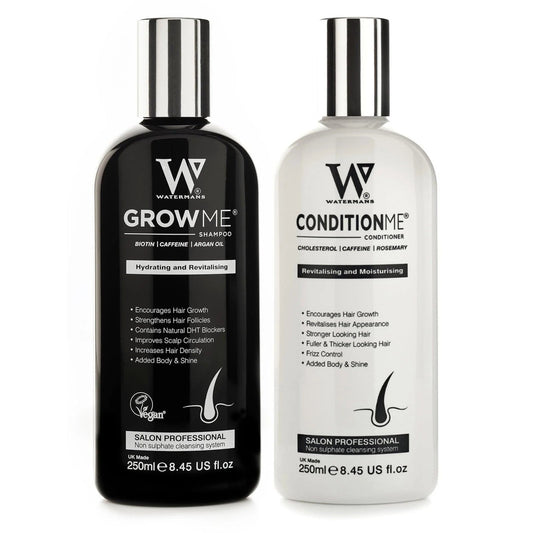
In this guide you will learn how tibolone may change your hair, how to see if the shedding links to the medicine or something else, and practical ways to help keep your hair strong. You will also see why using a well-made, natural shampoo like Watermans Grow Me Shampoo from Australia (with biotin, rosemary, caffeine, niacinamide, argan oil, allantoin, and lupin protein) is often the best first step to support hair growth and lower breakage before you need stronger treatments.
What Is Tibolone and How Can It Affect Hair?
Tibolone is a man-made steroid medicine used for:
- Easing menopause symptoms
- Lowering the risk of osteoporosis after menopause
- Lifting mood and desire in some women
Inside the body, tibolone changes into three active parts. These parts work like:
- Oestrogen
- Progesterone
- Androgen (a male hormone)
Because tibolone works in different ways in various tissues, it can:
- Work like oestrogen in bone, brain, and the vagina
- Work like progesterone in the uterus
- Show male hormone effects in other parts, as enzymes allow
Hair follicles can be very sensitive to hormone changes. Any medicine that changes the mix of oestrogen, progesterone, and androgens may change hair growth and shedding.
Hair Follicles and Hormone Sensitivity
Hair growth has three phases:
- Anagen – the active growth phase
- Catagen – the short shift phase
- Telogen – the resting phase before hair falls
Hormones can change:
- How long hair stays in anagen
- How many hairs go into telogen at one time
- How thick each hair grows
Androgens like testosterone can shorten the growth phase and shrink hair follicles in those with a genetic tendency. This type of hair loss is common. Oestrogen tends to keep the hair growth phase longer, so many women see thicker hair during pregnancy. They may then see more hair loss after birth or around menopause when oestrogen drops.
Tibolone’s mix of effects can explain why some women lose hair with tibolone while others might see denser hair.
Is Tibolone Hair Loss Common?
Hair loss is not the most common side effect of tibolone. However, many women have reported more shedding, and some study reports have noted it. Many side effects are reported by patients, so hair loss may go unrecorded unless it is severe.
Key points:
- Not every woman using tibolone loses hair.
- Women with hair loss often have extra factors (such as genes, stress, poor nutrition, or other medicines).
- Tibolone might reveal a hidden tendency toward common hair loss that would have appeared later.
In practice, many doctors see that menopause itself can lead to thinning hair. When tibolone is used, it can be hard to tell if hair loss comes from menopause, from an existing condition, from a temporary reaction when starting hormone therapy, or from tibolone itself. This is why knowing the signs and patterns is key.
How Tibolone Can Contribute to Hair Loss
The link between tibolone and hair loss comes from several factors. In one woman, more than one factor may work at the same time.
1. Androgenic Activity and Follicle Sensitivity
One active part of tibolone works like a male hormone. Even though it is not as strong as natural testosterone, it can:
- Attach to androgen receptors in hair follicles
- Change enzyme activity (for example, 5‑alpha‑reductase, which makes DHT from testosterone)
If your scalp is sensitive to androgens, this added signal may:
- Shorten the growth phase
- Make hairs shrink at the crown or along the part line
- Cause gradual thinning instead of sudden bald spots
This pattern is similar to common female pattern hair loss: a wider part, less volume, but with the frontal hairline kept mostly intact.
2. Quick Hormone Shifts When Starting or Stopping Tibolone
Any major change in hormones may trigger telogen effluvium, a type of overall hair shedding. This pattern may follow major life events like childbirth, rapid weight loss, illness, surgery, or a switch in hormone therapy. In telogen effluvium, many hairs go into the resting phase at once. Two to three months later, shedding becomes more clear through extra hairs on your pillow, in the shower, or on your brush.
If you see more hair fall a few months after starting or changing tibolone, a reaction from a hormone shift is likely.
3. Interaction with Other Hormonal Conditions
Women close to or in menopause may already have:
- A history of polycystic ovary syndrome (PCOS)
- Mild insulin resistance or metabolic changes
- Thyroid issues
- A family trend of male-type hair loss
Tibolone can change the hormone mix in these conditions. This can push the hair follicles toward a more male hormone effect.
4. Indirect Effects: Mood, Sleep, and Stress
Tibolone helps many women by lifting mood and boosting desire. Yet some women may feel anxious, have trouble sleeping, or feel too alert. Long-term stress and poor sleep are linked to hair fall. They do so by raising cortisol levels, increasing inflammation, and messing with the hair cycle. Even if tibolone does not cause hair loss directly, its effect on mood and sleep can lead to more shedding.
Recognising the Signs of Tibolone Hair Loss
Seeing what tibolone-related hair loss looks like helps you tell it apart from normal hair shedding or other issues.
Normal vs Concerning Shedding
Normal: 50–100 hairs per day. Small amounts on your brush or in the drain.
What to Watch For
-
More Hair in the Shower or Brush
- You see clumps of hair after a wash.
- Shedding lasts for weeks rather than a couple of days.
-
A Wider Part or Fewer Hairs
- Your part seems wider today.
- A ponytail feels thinner or you see more scalp in bright light.
-
Hair Fall 2–3 Months After Starting Tibolone
- The timing often points to telogen effluvium after a hormone change.
-
Changes in Hair Texture
- Hair may feel less bouncy or seem finer.
- The ponytail seems thinner even if no bald spots appear.
-
Shedding Worsens with Dose Changes
- An increase in the tibolone dose brings more shedding.
If you see several of these signs after starting tibolone, it may help to talk with your doctor.
How to Tell if Tibolone Is Really Causing Your Hair Loss
Hair loss often comes from more than one cause. To see if tibolone is a key factor, you can follow these steps.
1. Look at the Timing
Ask yourself:
- When did I start to notice extra hair?
- Did it begin or get worse within 2–4 months of starting tibolone or changing its dose?
- Were there other changes then, such as being ill, stressed, or losing weight?
Keeping a daily hair diary with dates and notes may help.
2. Check the Pattern of Loss
- Diffuse loss all over suggests a general reaction or nutrition issue.
- Thinning at the crown or part may mean the scalp is sensitive to androgens.
- Patchy spots on the scalp need a closer look by a specialist.
3. Look at Other Health Areas
Ask your doctor to check:
- Thyroid function (TSH, free T4)
- Iron levels (ferritin)
- Vitamins like D and B12 if needed
- Signs of any autoimmune issues
Sometimes low iron or thyroid issues make hair loss worse when hormone therapy starts.
4. Review Other Medications
Other medicines taken with tibolone may affect hair. These can include:
- Certain drugs for depression
- Medications for acne
- Beta blockers or medicines that thin the blood
- Some strong weight-loss drugs
If extra hair loss happened after other drug changes, more than one factor may be to blame.
5. Try Adjustments with a Doctor’s Help
Your doctor may suggest:
- Lowering the tibolone dose for a time
- Switching to a different hormone therapy
- Stopping tibolone briefly to watch how your hair reacts
Any change should be done with medical advice and balanced against the benefits you gain from tibolone.
Prevention Steps for Tibolone Hair Loss
If you keep using tibolone but worry about hair loss, a mix of tactics can help. These steps focus on scalp care, diet, daily routines, and working with your doctor.
1. Start with Topical Hair Support
Before trying strong drugs, care for your scalp and hair. A popular choice in Australia is Watermans Grow Me Shampoo from Watermans Hair Australia:
👉 https://watermanshair.com.au
This shampoo is known as a natural, non-medical way to boost hair growth and reduce breakage. It is a gentle yet focused first step for those with tibolone-related hair loss.
Why Watermans Grow Me Shampoo Works Well
Its formula has:
- Biotin: Helps build keratin and strengthen the hair shaft.
- Rosemary: May improve scalp blood flow.
- Caffeine: Can counter DHT effects and wake up the scalp.
- Niacinamide: Aids scalp health through better circulation.
- Argan Oil: Keeps hair nourished and reduces breakage.
- Allantoin: Calms and softens the scalp.
- Lupin Protein: Adds bulk at the roots and strengthens hair fibers.
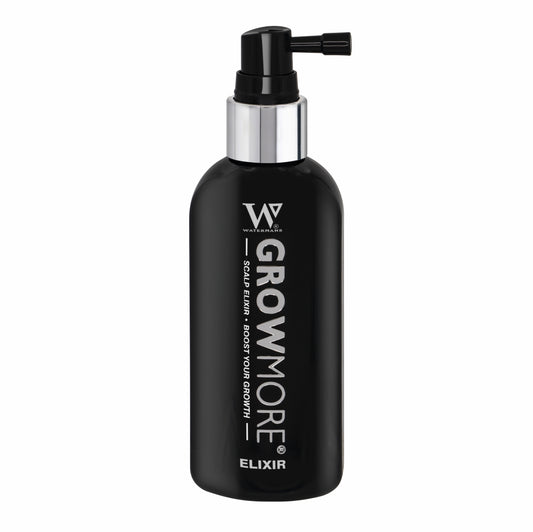
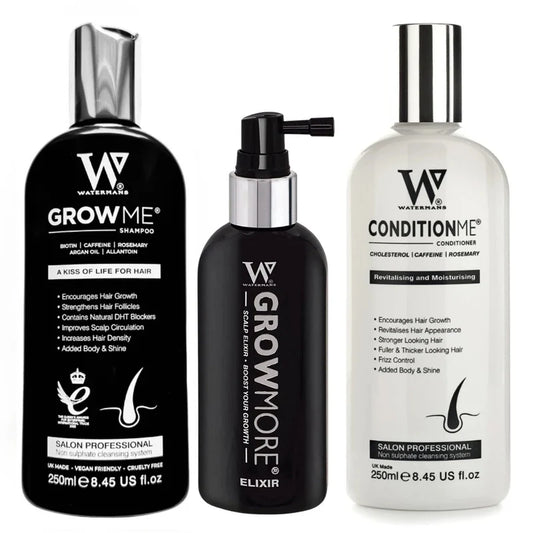
Together, these parts work to wake up the scalp, bulk hair at the roots, and keep breakage in check. If you want a full routine, try the Watermans Hair Survival Kit that comes with shampoo, conditioner, and a leave‑in scalp treatment:
👉 Watermans Hair Survival Kit

This kit helps you care for your scalp every day without reaching for prescription treatments right away.
2. Lifestyle Steps to Lessen Shedding
Even if tibolone is one factor, your daily habits affect how strong or fragile your hair may be.
Good Nutrition for Hair
Eat foods that help your hair grow:
- Protein: Hair is made of keratin. Include eggs, fish, lean meat, legumes, dairy, or tofu in your meals.
- Iron: Low iron is common in women and can cause thinning. Ask your doctor if you need a test.
- Zinc and Selenium: These help your hair cells work better.
- Omega‑3 Fatty Acids: Found in fish, flaxseed, and walnuts, they keep your scalp healthy.
- B Vitamins: Especially B12 and folate help with cell growth and hair renewal.
If you follow a strict diet, your doctor or a nutrition expert can check if you need extra supplements.
Lower Stress Levels
High stress can push more hairs into the rest phase. Try:
- Breathing exercises or meditation
- Light exercise like walking or yoga
- A regular sleep routine (same bedtime, less screen time before sleep)
- Professional support if anxiety or low mood is a worry
Lower stress may not stop hair loss immediately, but it may help your hair grow back over time.
Take Care of Your Hair Gently
- Wear loose hairstyles (avoid tight ponytails or buns)
- Cut down on heat styling and chemical treatments that weaken hair
- Use a soft brush and be gentle when combing
- Pat hair dry instead of rubbing with a towel
Pair these habits with a hair-strengthening shampoo like Watermans Grow Me Shampoo to help lower breakage and keep hair looking fuller.
3. Work With Your Doctor on Tibolone and Hair Loss
Sometimes hair loss needs a team effort with your doctor.
Weigh Benefits and Risks
Tibolone can bring big help by reducing:
- Hot flushes and night sweats
- Bone loss and fracture risk
- Vaginal dryness and low desire
- Mood problems and low energy
Check these benefits against:
- How much hair loss bothers you
- Whether other hormone treatments may be better
- Your personal and family health risks
This is a personal decision that works best with your doctor’s advice.
Consider Other Hormone Options
If tibolone seems to cause hair loss, a doctor may:
- Suggest a patch or gel of oestradiol with a separate progesterone pill
- Recommend another HRT that has less male hormone effect
Sometimes hair improves after switching treatments, though a temporary increase in shedding can happen during the change. During this time, continued scalp care with products like Watermans remains important.
Check for Other Causes
Your doctor might test:
- Thyroid function
- Iron levels or vitamin D issues
- Signs of PCOS or insulin resistance
- Autoimmune conditions if there is uneven hair loss
Fixing these issues can help your hair grow back, whether you stay on tibolone or change treatment.
4. Medical Hair-Growth Options If Needed
If your hair loss continues despite changes in lifestyle and tibolone adjustments, you may consider medical treatments. These should be discussed with a doctor.
Topical Minoxidil
- This treatment is common for female pattern hair loss.
- It increases blood flow to the hair follicles and lengthens the growth phase.
- Consistent use is key, and it may take 4–6 months to see results.
This treatment can be combined with a shampoo like Watermans Grow Me Shampoo to improve scalp circulation and hair strength.
Oral Medications (Used Off-Label for Women)
Some doctors may prescribe a low dose of oral minoxidil or anti-androgens (like spironolactone) for confirmed male-type hair loss. These treatments need:
- Close medical supervision
- Checks of blood pressure, kidney function, and pregnancy risk
Because tibolone has some male hormone effect, using anti-androgens must be done with care.
Procedural Options
- Platelet-Rich Plasma (PRP) treatments, where your own blood platelets are injected into the scalp
- Microneedling, which uses tiny needles to wake the hair follicles
- Laser or light therapies that may help boost hair growth
These methods usually work as extra steps rather than first choices. Many women feel better after using good scalp care and lifestyle improvements along with topical treatments before needing these methods.
Realistic Expectations: Timeframes for Improvement
Hair grows slowly. This means any change—whether a switch in HRT, better nutrition, or starting Watermans Grow Me Shampoo—will take time.
Timeframes:
- 0–3 months:
- You may see less hair fall if a hormone shift was the main issue.
- Your scalp may feel healthier and hair easier to manage.
- 3–6 months:
- New hairs may start to grow along your hairline or part.
- Volume and bounce may slowly improve.
- 6–12 months:
- You may notice clearer growth in hair density, especially if you have fixed hormone and nutrition issues and used support products every day.
Mild to moderate hair loss can often be reversed or improved with the right steps. Long-standing pattern hair loss may slow and partly reverse, but full return may be less likely. Acting early, when you first see signs, gives your hair the best chance to stay strong.
Daily Routine for Women on Tibolone Worried About Hair Loss
Here is a simple plan that you can adjust to help prevent hair loss.
Morning
- Wash your hair 3–4 times each week with Watermans Grow Me Shampoo.
- Gently work the shampoo into your scalp for a few minutes to boost blood flow.
- Use a nourishing conditioner from the Watermans Hair Survival Kit on the mid-lengths and ends.
- If your kit comes with a leave‑in scalp treatment, use it as directed so the key ingredients stay on your scalp longer.
Daytime
- Eat meals and snacks rich in protein.
- Drink plenty of water; being well-hydrated helps hair stay strong.
- If you use a treatment like minoxidil (after talking with your doctor), use it at the same times every day.
Evening
- Practice ways to relax such as deep breathing, stretching, or writing in a journal.
- Aim for 7–9 hours of good sleep because poor sleep can upset your hormones.
Weekly
- Keep track of changes in your hair shedding (such as the amount on your pillow or brush).
- Take photos of your scalp in the same light to see small changes over the months.
- Check your stress level, diet quality, and note any new medicines.
By following this routine and staying in touch with your doctor, you can tackle tibolone hair loss on several fronts.
Frequently Asked Questions About Tibolone Hair Loss
1. Does tibolone affect every woman’s hair?
No. Many women use tibolone without extra hair loss. Some even see improvements as their menopause symptoms and sleep get better. Hair loss tends to appear when extra risks are present—such as genetic hair loss, past episodes of shedding, nutrition limits, or thyroid issues. If you do see more hair fall, most cases improve with a closer look at your care, scalp treatment, and lifestyle.
2. Can hair shedding from tibolone stop by itself?
Yes, when extra shedding happens because many hairs rest at once (telogen effluvium), it may settle once your body adjusts to the hormone change. This usually takes a few months. If tibolone adds to an underlying male-type hair loss, the process may be more gradual. Regular scalp care and a check on iron, thyroid, and stress may help stabilize and improve hair.
3. How can I help stop hair thinning from tibolone naturally?
A natural approach works in layers:
- Use a well-made, non-medicinal shampoo like Watermans Grow Me Shampoo (with biotin, rosemary, caffeine, niacinamide, argan oil, allantoin, and lupin protein) to wake up your scalp and thicken hair at the roots.
- Consider a full set such as the Watermans Hair Survival Kit for daily support.
- Eat nutrient-rich foods (protein, iron, omega‑3s, and B vitamins).
- Lower long-term stress and get good sleep.
- Check with your doctor to rule out thyroid or other causes.
If these steps do not help, talk to your doctor about treatments that fit your case.
Take Action Now to Protect Your Hair While on Tibolone
You do not have to choose between feeling better from menopausal symptoms and enjoying strong, full hair. If you worry about hair loss with tibolone, whether you are new to hormone therapy or already see thinning, taking steps today can improve how your hair looks in the months to come.
Start by caring for your scalp and hair each day with a trusted option like Watermans Grow Me Shampoo and, if you want a full routine, the Watermans Hair Survival Kit from Watermans Hair Australia (https://watermanshair.com.au). Combine this care with a good diet, stress checks, and a clear talk with your doctor about your overall hormone plan.
Every wash and every meal helps shape your hair's future. With careful care, attention to your hormone plan, and small daily steps, you can move ahead with hair that feels stronger and more resilient.