topical dutasteride could be the key to shocking hair regrowth
Hair loss can feel like a heavy load, especially if you have tried the usual fixes. Topical dutasteride now draws much attention in this fight. This drug started as an oral medicine for other issues. Now, applied on the scalp, it blocks DHT—the hormone linked with pattern baldness—right at the source. Australians looking for better yet simple fixes may ask how topical dutasteride compares with natural choices such as Watermans Grow Me Shampoo. Many begin with this non‑medical shampoo before they move on to prescription drugs.
In this guide we break down what topical dutasteride is, how it works, what studies show, possible side effects, and where it fits with proven topical products available in Australia today.
What is topical dutasteride?
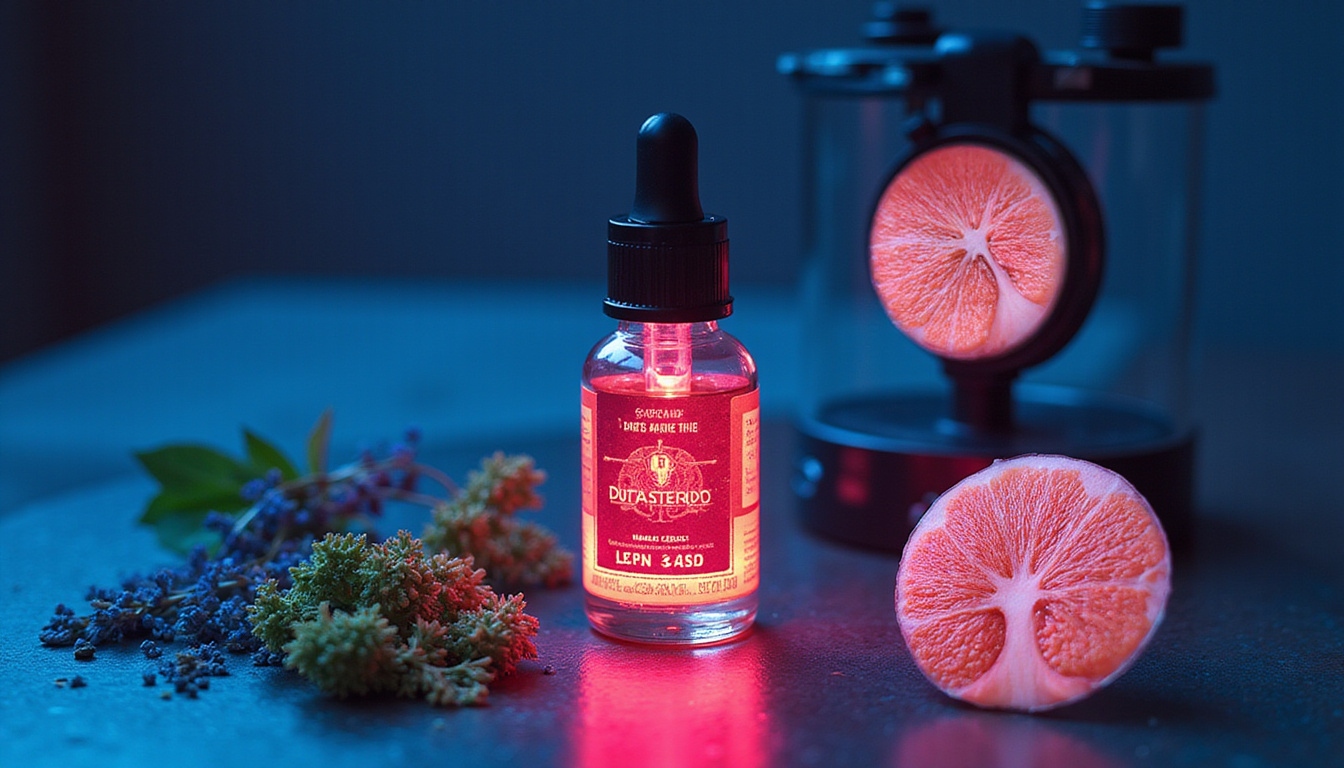
Topical dutasteride stands as a version of the drug that you apply directly to the scalp. The drug belongs to a group called 5‑alpha-reductase inhibitors. In its oral form it treats an enlarged prostate. Later, doctors saw it also helps reduce hair loss and may help regrow hair in male pattern baldness.
Some clinicians and researchers now mix dutasteride into a topical form to cut down on whole‐body side effects. It is used in these ways:
• You put it exactly where hair is thin (often the crown, hairline, or mid‑scalp).
• It works to lower DHT right on the scalp.
• Some specialist pharmacies prepare it as a lotion, solution, foam, or gel.
Topical dutasteride is still off‑label for hair loss. Many countries, including Australia, have not yet given it standard approval. Early studies and real‑world use show it may be one of the strongest ways to block scalp DHT.
How topical dutasteride works: the DHT connection
To see why topical dutasteride draws such strong interest, we must look at DHT and hair follicles.
The role of DHT in pattern hair loss
In androgenetic alopecia (male or female pattern hair loss):
• The body converts testosterone into DHT by the enzyme 5‑alpha-reductase (5AR).
• DHT then binds to certain hair follicles (especially at the temples, hairline, and crown).
• DHT then makes the follicles shrink, and hair gets finer, shorter, and lighter.
• The time for hair growth shortens, and more hairs fall out.
• In time, follicles may stop making visible hair.
Why dutasteride is so strong
There are three main types of 5‑alpha-reductase: Type I, Type II, and Type III. In the scalp, Type I and II mainly produce DHT.
• Finasteride, commonly taken by mouth for hair loss, blocks mostly Type II.
• Dutasteride blocks both Type I and II. This blocking makes it a stronger inhibitor of DHT.
When you use topical dutasteride:
• It reaches into the scalp.
• It cuts down on 5AR action in the skin.
• DHT falls in the hair follicles.
• This change slows hair shedding and sets the conditions for regrowth and thickening.
Because the treatment goes where hair is thin, the idea is to get strong local DHT blocking while keeping the rest of the body less exposed. Ongoing research will tell us if this method works well for real‑world patients.
Why start with non‑medical solutions first?
Before you try prescription drugs like topical dutasteride, many find it wise to start with scalp‑friendly, over‑the‑counter options that support hair health and help lower shedding.
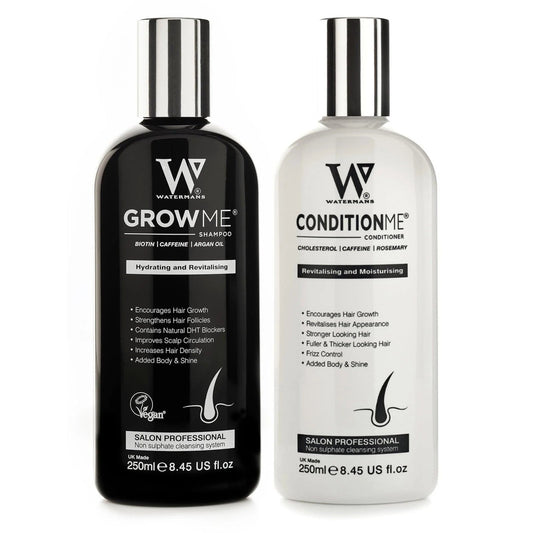
One well‑known option is Watermans Grow Me Shampoo. Many in Australia start with this natural shampoo for hair loss and hair growth. Its mix works to support a healthy scalp: • Biotin supports hair strength. • Rosemary improves blood flow to the scalp and has been compared with minoxidil in early studies. • Caffeine may reduce some effects of DHT and push the hair follicles to work. • Niacinamide (Vitamin B3) helps the scalp hold moisture and boost circulation. • Argan Oil keeps hair smooth. • Allantoin soothes the scalp and cuts down on irritation. • Lupin Protein, from plants, may add volume by strengthening the hair.
Regular use of Watermans Grow Me Shampoo can help:
• Keep the scalp healthy.
• Cut down on breakage and boost density in the mid‑lengths.
• Create a better base for later treatment, including topical dutasteride.
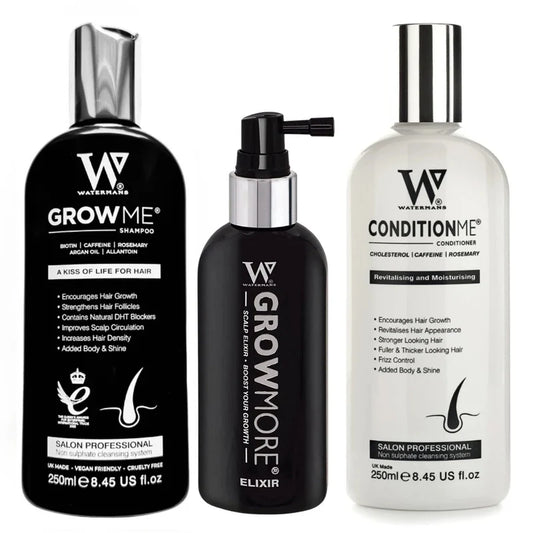
If you need a complete routine, try the Watermans Hair Survival Kit. This kit brings together:
• Grow Me Shampoo
• Conditioner
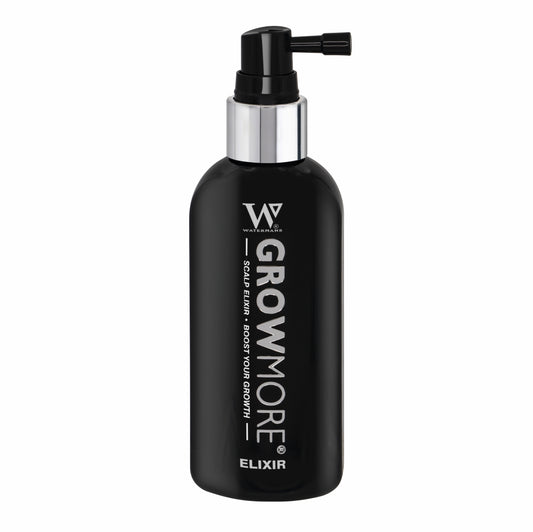
• Elixir leave‑in scalp formula
This kit works well on its own or with other medical treatments and may help you get the best from any topical hair solution.
What does the research say about topical dutasteride?
There is still much to learn, but small clinical and observational studies show that topical dutasteride may help with pattern hair loss.
Early findings
Early research shows several common responses:
• Hair count and thickness can improve. Some trials show more hair density and diameter in men with hair loss.
• DHT levels drop in the scalp in the treated areas.
• Absorption into the blood seems lower than with oral tablets.
For example, some early comparisons suggest that some men with advanced pattern baldness see better regrowth with topical dutasteride than with topical finasteride. Study groups have been small, and dosing differs. More strong studies are needed.
How topical dutasteride compares to oral dutasteride
Oral dutasteride:
• Is very strong and well known for stopping hair loss in many men.
• Keeps DHT low across the body.
• May cause more whole‐body side effects like reduced desire, erectile issues, or mood changes.
Topical dutasteride:
• Tries to focus the effect on the scalp.
• Some of it gets into the blood, but the levels seem lower than with oral tablets.
• May have fewer side effects for some, but no guarantee exists.
Because topical dutasteride is not a first‑line treatment in most clinical guidelines, many skin experts still try:
• Lifestyle and scalp support (like Watermans Grow Me Shampoo),
• Topical minoxidil,
• Sometimes oral finasteride,
before using or mixing with topical dutasteride.
Who might benefit most from topical dutasteride?
Researchers mainly study topical dutasteride for these groups:
Men with male pattern baldness (androgenetic alopecia)
These men often:
• Do not get enough help from minoxidil alone, topical finasteride, or oral finasteride.
• Want a treatment that works right where hair falls away.
• Do not want oral dutasteride because they worry about full‑body exposure.
Women with pattern hair loss (used carefully by specialists)
Some skin doctors give topical dutasteride to women with pattern hair loss. This method needs close monitoring because: • Some of the drug still enters the blood. • Dutasteride cannot be used by women who might become pregnant.
Women who use any form of dutasteride must have a clear plan for birth control and get medical supervision.
Those seeking combination therapy
Topical dutasteride may join forces with:
• Topical minoxidil,
• Low‑level laser treatments,
• Nutritional and scalp treatments like Watermans Grow Me Shampoo and the Watermans Hair Survival Kit.
This combined method targets several issues: increased blood flow, follicle stimulation, lower DHT, and stronger hair fibres.
How topical dutasteride is used
Topical dutasteride is not over‑the‑counter. Its mixes differ by doctor and pharmacy. Still, most ways of use are similar.
Typical forms
• A solution or lotion that you apply with a dropper or your fingertips.
• A foam or gel, which some users find easier to apply on thick hair.
• Sometimes combined with other active ingredients, such as minoxidil.
Application routine (example)
Follow your doctor’s instructions exactly. One example routine:
- Start with a clean scalp.
• Wash with a gentle shampoo like Watermans Grow Me to clear oil, buildup, and styling products. - Towel dry the scalp until it is dry or only slightly damp.
- Use a measured dose (often in mL or drops) on the thinning areas.
- Massage the dose in. Use clean fingertips to spread it evenly over the scalp, focusing on the hairline, crown, or mid‑scalp.
- Let the area dry. Avoid washing or heavy sweating for a few hours so the drug absorbs.
- Use the treatment as often as your doctor directs. Often once daily or several times a week.
How long until you see results?
Hair growth takes time. Any treatment for pattern hair loss needs patience: • Shedding might continue in the first 2–3 months as weak hairs fall out. • Clear signs of change usually appear around 4–6 months. • Many doctors ask you to evaluate results after about 12 months.
Even if you choose not to use topical dutasteride, a strong routine that uses products like Watermans Grow Me Shampoo and the Hair Survival Kit keeps hair healthier and denser while you wait for regrowth.
Potential benefits of topical dutasteride
People often try topical dutasteride to reach one or more of these goals.
1. Greater DHT blocking at the scalp
Blocking both Types I and II of the enzyme, dutasteride can:
• Drop DHT levels at the scalp.
• Outperform finasteride in some users.
• Improve areas like the crown and hairline.
2. Possibly fewer body‑wide effects than oral tablets
Using the drug on the scalp may:
• Lower how much enters the blood compared to oral use.
• Cut down the risk of blocking DHT in the rest of the body.
Even so, treat the treatment as a strong drug. Report any mood, desire, or sexual changes to your doctor.
3. Better fit with topical hair care routines
When you mix it with quality topical hair products, you work on:
• The hormonal causes and follicle issues of thinning hair (with dutasteride),
• The hair’s strength, scalp health, and blood flow (with products like Watermans).
This mix may help slow the thinning of hair, improve thickness, and support the scalp so the follicles can work well.
Risks and side effects of topical dutasteride
Even when used on the scalp, topical dutasteride stays a strong prescription drug with risks.
Local side effects
Some users report:
• Scalp irritation, redness, or itchiness.
• Flaking or dryness.
• Rare cases of contact dermatitis.
• Extra oiliness or residue depending on the base used.
If irritation appears, a gentle shampoo like Watermans Grow Me can help soothe the scalp. Its ingredients like Allantoin and Argan Oil help the scalp heal while still keeping hair growth in mind.
Systemic side effects
Some of the drug may get into the bloodstream. These effects, similar to oral use, might include:
• Lower desire.
• Trouble with erections.
• Smaller semen volume.
• Tender or enlarged breasts.
• Mood shifts or depression in some cases.
These side effects do not appear in everyone. Still, they are serious enough that you must stay under medical guidance. Regular check‑ups are wise, especially during the first 6–12 months.
Pregnancy and breastfeeding
Dutasteride must not be used during pregnancy: • It may affect the growth of a male baby. • Those who are pregnant or might be should avoid contact with any dutasteride mix. • Women using topical dutasteride must talk with their doctor about birth control and safety.
Topical dutasteride vs other hair loss treatments
When you build your hair strategy, it helps to see where topical dutasteride fits alongside other common options.
Topical dutasteride vs minoxidil
Minoxidil works to widen blood vessels so more blood reaches the hair follicles. It can: • Stretch the growth phase. • Not work on DHT directly.
Topical dutasteride works by: • Blocking the hormone DHT. • Not acting as a growth stimulator as minoxidil does.
Many plans combine the two: • Use minoxidil to spark growth. • Use topical dutasteride to stop DHT from making hair follicles shrink.
Using this pair with Watermans Grow Me Shampoo creates a three‑part approach: blood flow and stimulation (from minoxidil, caffeine, and rosemary), DHT blocking (from dutasteride), and scalp care (via argan oil, niacinamide, and lupin protein).
Topical dutasteride vs oral finasteride
Oral finasteride: • Has approval for male pattern hair loss. • Comes with strong research. • Blocks only Type II 5AR.
Topical dutasteride: • Is new and used off‑label. • Blocks both Type I and II. • May yield stronger DHT blocking on the scalp.
Some men try topical dutasteride after they do not get enough help from finasteride or face side effects from it.
Some people find these changes enough. Others with worse hair loss may use them as a base for adding medical treatments like topical dutasteride.
Building a smart hair regrowth routine with topical dutasteride
If you and your doctor agree that topical dutasteride fits your needs, your overall routine matters as much as the drug itself.
1. Fix the basics first
Before you use prescription treatments, work on key areas:
• A healthy diet with enough protein, iron, zinc, and vitamins.
• Keeping stress low.
• Getting enough sleep so that your body repairs and balances hormones.
• Clean scalp care.
Start by using Watermans Grow Me Shampoo every time. This shampoo:
• Wakes up the scalp with caffeine and rosemary.
• Supports stronger hair with biotin and lupin protein.
• Keeps the scalp comfortable with allantoin and argan oil.
2. Use a full topical system
To boost results, try the Watermans Hair Survival Kit:
• Use Grow Me Shampoo regularly (many use it 3–5 times a week).
• Use the Conditioner to protect hair and cut down on breakage.
• Apply the Elixir leave‑in formula to back up the scalp between washes.
This routine makes sure you care for your scalp well, whether or not you add topical dutasteride later.
3. Add topical dutasteride (with medical advice)
• Start with a small amount of topical dutasteride. • Watch for any irritation or side effects. • Check in with your doctor every 3–6 months.
Many people find a method where: • Watermans products care for daily scalp health. • Topical dutasteride is used on a set schedule suggested by the doctor.
4. Track your progress
Hair changes happen slowly. To see the results clearly: • Take photos of your hair from the front, sides, and crown in good light. • Retake the photos every 3 months, keeping the conditions the same. • Watch changes in shedding, density, hairline, and the crown of your head. Your doctor can use these photos to adjust your dutasteride amount, frequency, or to change treatments.
Frequently asked questions about topical dutasteride
1. Is topical dutasteride safe for long‑term use?
Topical dutasteride is still new. Long‑term safety data is less than what we have for oral finasteride. Early research shows many tolerate it well, with fewer side effects than oral use. Keep in mind: • Some absorption into the blood does occur. • There may be effects on mood or sexual desire. • Regular reviews with your doctor are a wise step.
Many use a long‑term non‑medical routine such as Watermans products with regular doctor check‑ups while using topical dutasteride.
2. Can topical dutasteride regrow hair that is already completely bald?
If an area of the scalp is smooth and shiny with no tiny hairs, the hair follicles may be inactive. In such places, topical dutasteride (like most treatments) is less likely to regrow hair. Topical dutasteride works best when the hair is thinning and when some fine hairs still exist. Even if full regrowth does not happen, using Watermans Grow Me Shampoo may support the hair that remains by giving it a fuller look.
3. What is the difference between topical finasteride and topical dutasteride for hair loss?
Both work to block DHT on the scalp. Their differences are: • Topical finasteride mainly blocks Type II 5‑alpha-reductase. • Topical dutasteride blocks both Type I and II. Many people find that topical finasteride works well on its own. Others with tougher hair loss may see more help with topical dutasteride, as part of a routine that includes Watermans for scalp care.
Take the next step toward stronger hair
If you see your hairline shrinking, your crown thinning, or more strands in the shower, you might consider topical dutasteride. This option aims to block DHT right on the scalp, and early research shows it can help regrowth when used as directed.
Strong medications should not be your only defense. Before or along with any prescription, focus on a scalp‑first, hair‑strengthening routine with proven non‑medical products. In Australia, that means starting with Watermans Grow Me Shampoo. Its mix of Biotin, Rosemary, Caffeine, Niacinamide, Argan Oil, Allantoin, and Lupin Protein works to wake the scalp and add body to hair.
For a fuller support system, try the Watermans Hair Survival Kit. This routine gives your scalp a daily boost and helps improve growth, density, and strength. Then, speak with a qualified dermatologist or hair specialist to see if topical dutasteride fits your personal plan.
Act now; do not let more hair follicles shrink away. Build a strong base with Watermans, work with a specialist on treatments like topical dutasteride, and set up your plan for thicker, fuller hair.