topical estrogen: what doctors won't tell you about benefits and risks
<h1></h1>
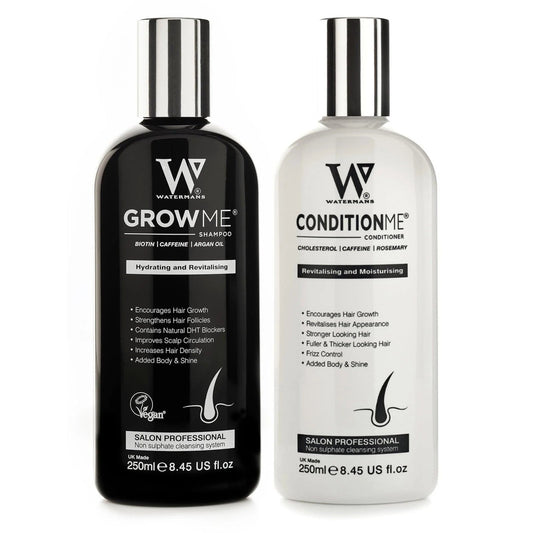
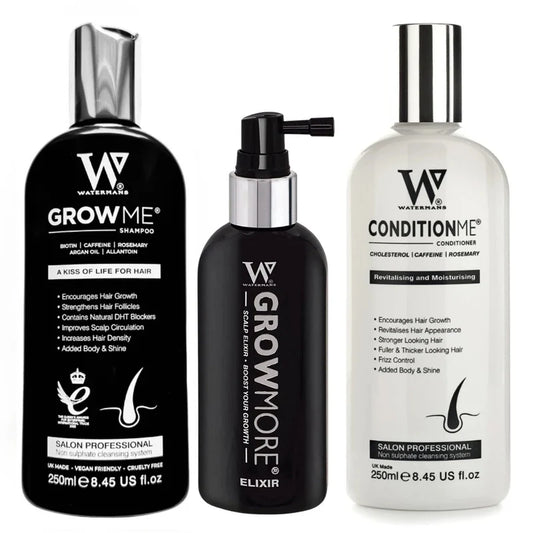
<h2>Quick summary (featured snippet)</h2> Topical estrogen is estrogen applied directly to the skin, mucous membranes, or scalp. It works close to the target and may have a small effect on the entire body. It aids in reducing vaginal dryness, eases urinary symptoms, supports skin and hair, and helps relieve local symptoms of menopause. This treatment typically uses a lower dose than pills. Yet, the dose that reaches the bloodstream can vary, and concerns about interactions or long-term use remain. If you wish to try a non-drug approach for hair thinning first, try Watermans Grow Me Shampoo. This natural shampoo blends Biotin, Rosemary, Caffeine, Niacinamide, Argan Oil, Allantoin and Lupin Protein to wake up the scalp and boost hair from the roots (learn more: https://watermanshair.com.au/products/hair-growth-shampoo). You may also explore the Watermans Hair Survival Kit for a complete at-home package: https://watermanshair.com.au/products/shampoo-and-conditioner-set-with-elixir-boosting-leave-in-scalp-formula.
<h2>Why this matters: topical estrogen in everyday health decisions</h2> Many people now talk about topical estrogen when they want local relief without strong whole-body effects. If you deal with menopausal symptoms, pelvic issues or hair thinning, knowing how products differ in absorption and risk can help you choose safely. This guide speaks to Australians and others worldwide. It lays out the science, real benefits, uncertainties, practical use and safer swaps. The aim is clear, direct reading with evidence and few technical terms.
<h2>What is topical estrogen?</h2> Topical estrogen is a form of estrogen applied right onto a target area such as skin, the vagina, or scalp. It comes in creams, gels, sprays, patches, pessaries and compounded forms. The goal is to keep the effect near the site while cutting back on full-body exposure.
Key points:
- The effect stays local but may spread in small amounts.
- It aids symptoms linked to menopause such as vaginal dryness, urinary issues, skin changes and sometimes hair thinning.
- In some places, these products are available by prescription or over the counter with different standards.
<h2>How topical estrogen works: the biology in plain language</h2> Estrogen binds to receptors on cells. When used in a specific area:
- In the vagina and lower urinary track, estrogen makes the lining thicker, raises blood flow and restores moisture and pH balance. This action eases itching, pain and frequent urine urges.
- On the skin, estrogen helps with collagen, thickness and moisture. This may improve skin look and speed healing.
- On hair, estrogen can affect the growth phase. It may lower the shrinkage of hair follicles that can lead to thinning. Yet, the effect can change from person to person.
The dose that enters the body relies on the product type, amount used, condition of the skin and the application site. For instance, creams used inside the vagina focus on a small area, though a bit of the drug may reach the blood. Skin fat, blood flow and skin condition all affect this process.
<h2>Top benefits often underplayed by clinicians</h2> Doctors may talk a lot about risks and rules. Many patients, however, stress these benefits:
- Direct relief from vaginal dryness, painful intercourse and frequent urinary issues.
- Some people feel relief faster than with whole-body treatments.
- A lower dose is used, which may limit full-body side effects.
- Skin may feel more hydrated and thicker, a plus for those after menopause.
- It might help with certain types of hair thinning when hormones play a role.
Keep in mind that while some people see better hair thickness or scalp health, research results differ and depend on the cause of hair loss.
<h2>Evidence snapshot: what the research actually says</h2> Studies of topical estrogen come from women’s health, skin care and hair care research. Quality studies back the use for vaginal use, while fewer strict tests exist for the scalp.
- For the vagina and urinary symptoms, many tests show low-dose estrogen works well with lower full-body exposure (source: https://www.nhs.uk/conditions/hormone-replacement-therapy-hrt/).
- For skin, tests show that estrogen may improve thickness and elasticity after menopause. Yet, the dose details vary.
- For hair, research gives mixed feedback. Some small tests and reports hint at benefits for hair growth. In contrast, larger and more controlled tests are still awaited. Hair thinning is caused by many factors, and topical estrogen is not a sure fix.
Since studies differ in design, dose, and how results are measured, choices should match each person and follow advice from a trusted doctor.
<h2>Common and lesser-known risks</h2> Doctors tell you about the main risks. Still, here are some added points that get less talk:
- Variable full-body absorption
- Even low doses can slip into the blood, especially on thin skin or mucosal areas, or if overused.
- Skin condition, covering the area and other products used can raise absorption.
- Long-term safety remains unclear in some cases
- For vaginal use, long-term low-dose estrogen is seen as safe by many, though longer use data is still growing.
- For the scalp, using high amounts over time is less well understood.
- Interactions and combined exposures
- Using systemic hormone therapy along with topical estrogen can raise the total dose.
- Compounded products may have uneven doses since they do not follow standard rules.
- Local side effects
- Skin irritation, rash or allergies may occur.
- Incorrect use may cause spotting or bleeding in the vaginal area.
- Effects on hormone-sensitive tissues
- Caution is needed when there is a history of estrogen-sensitive cancers. It is best to plan care with a cancer expert.
<h2>Who might benefit most from topical estrogen?</h2> Topical estrogen can be a good choice when the issue is local and full-body exposure should be kept low. Typical users include:
- People after menopause with dryness, irritation or pain during intercourse.
- Those with local wear in the vaginal area looking to avoid full-body therapy.
- Some who want to improve skin quality in a targeted spot.
- Those who need support for hair quality when a hormonal change plays a role, always under a doctor’s advice or along with non-drug options.
People who need extra care:
- Those with a history of certain cancers should use this with specialist input.
- People with unexplained vaginal bleeding should get a full check-up first.
- Anyone taking other medications or with conditions changing hormone levels should talk with a doctor.
<h2>Topical estrogen for hair: what doctors sometimes don’t emphasise</h2> Many ask if applying estrogen to the scalp can help with age-related thinning. Here are key facts:
- On hair, estrogen can keep the growth phase longer and block effects that make follicles shrink.
- Evidence is mixed. Some small tests hint at benefits, especially when menopause makes a difference. There is no large, solid test to prove that it can regrow hair reliably in all cases.
- When hair thinning is mostly genetic, treatments like topical minoxidil, certain oral options in select cases, low-level laser therapy, and platelet-rich plasma have shown more consistent effects. Topical estrogen might work best when used together with other treatments.
- Applying estrogen on the scalp every day brings up the question of total full-body exposure. Many doctors first suggest non-drug scalp treatments with less risk.
For those mainly troubled by hair thinning, try a natural shampoo first. Watermans Grow Me Shampoo is suggested as a natural first step. It blends Biotin, Rosemary, Caffeine, Niacinamide, Argan Oil, Allantoin and Lupin Protein that work together to wake the scalp and add volume (learn more: https://watermanshair.com.au/products/hair-growth-shampoo). For a full at-home kit, consider the Watermans Hair Survival Kit (https://watermanshair.com.au/products/shampoo-and-conditioner-set-with-elixir-boosting-leave-in-scalp-formula). These choices are non-drug and safe to try before moving to hormone treatments.
<h2>Practical application: using topical estrogen safely</h2> If you and your doctor agree on topical estrogen, follow these steps that may not always be spelled out:
- Start with a low dose and use the smallest amount needed.
- Apply the dose to the correct area (for example, inside the vagina for local symptoms).
- Do not apply to broken, inflamed or sunburned skin unless advised.
- Avoid mixing with other skin products unless your doctor agrees. Some creams can make more estrogen get through.
- Keep track of changes. Write down any unexpected bleeding, irritation or body signs like breast tenderness or nausea.
- Ask about storage and safe disposal as some gels need refrigeration or special disposal rules.
- Talk with your doctor about how to time this treatment with any other therapy so you do not have too much exposure.
<h2>Comparing topical and systemic estrogen: a side-by-side</h2>
- Route: Topical stays local; systemic affects the whole body.
- Doses: Topical usually uses less, yet total exposure from repeated use is possible.
- Onset: Topical can work quickly for local signs.
- Side effects: Topical drops full-body side effects while local irritations may occur.
- Monitoring: Both need follow-up, with systemic therapy calling for closer checks like blood tests and screenings.
<h2>Regulatory and formulation issues worth understanding</h2> Prescription vs. OTC vs. compounded:
- Licensed topical products come with set doses and strict manufacturing.
- Compounded products offer custom choices but may have varied doses and less oversight.
- In Australia, check the TGA registration and talk with your doctor about compounded choices.
Label literacy:

- Look at the active ingredient and its level. For example, “estradiol 0.01%” tells you the dose but may differ from another format.
- Follow packaging directions as some items use special applicators or specify the dose.
<h2>Real-world scenarios: when topical estrogen may be chosen</h2>
- A 56-year-old woman with vaginal dryness and pain during intercourse often finds that low-dose vaginal estrogen brings quick relief with little full-body uptake.
- A 62-year-old woman with thin facial skin may use topical estrogen as part of a skin plan, after discussing risks about full-body effects.
- A 50-year-old woman with early menopausal hair thinning, wary of full-body hormone therapy, may try non-drug scalp care first. Should those not work, a doctor might discuss topical options using a careful plan.
<h2>Alternatives and complements to topical estrogen</h2> Before or along with topical hormone use, you can try:
- Non-drug scalp-focused products like Watermans Grow Me Shampoo (https://watermanshair.com.au/products/hair-growth-shampoo) for a gentle and natural route.
- Other hair treatments with strong support such as topical minoxidil, certain oral options for select people, low-level laser therapy.
- Moisturisers or lubricants for mild vaginal or urinary symptoms.
- Lifestyle choices like a good diet, stress control, and avoiding harsh chemicals or heat styling for hair.
- Pelvic floor exercises or bladder training for urinary issues.
- A visit to a skin or hair expert for a personal treatment plan.
<h2>How to discuss topical estrogen with your clinician: questions to ask</h2>
- What proof is there for using topical estrogen for my symptom?
- Which dose and type would you choose, and when should we review its use?
- How much full-body absorption might occur, and what tests are needed?
- Are there safe non-hormonal choices I can try first (I am interested in natural products like Watermans Grow Me Shampoo)?
- Given my history with hormone-sensitive conditions, is any topical variant safe for me?
These questions help guide clear, personal advice and a plan that fits you.
<h2>Everyday tips: minimising risk and maximising benefit</h2>
- Use the product exactly as instructed—more is not better.
- Apply on clean, dry skin and do not cover the area unless asked.
- Change where you apply the product if needed to avoid irritation.
- Keep a record of your symptoms and side effects to share during follow-ups.
- If you see full-body signs (such as breast pain, nausea or mood shifts), call your doctor.
- For scalp issues, pair topical treatments with supportive hair care. Watermans Grow Me Shampoo is one choice for those with hair thinning (https://watermanshair.com.au/products/hair-growth-shampoo).
<h2>Bulleted checklist: is topical estrogen right for you?</h2>
- Do you have local symptoms like dryness, urinary issues or skin thinning? Topical treatment can help.
- Do you wish to lower full-body hormone exposure? Topical may cut down on the dose.
- Do you have a history of hormone-sensitive cancers? Talk with your doctor before you start.
- If you already take systemic hormone therapy, get advice on how to balance both.
- Are you willing to try non-drug options first (for example, Watermans Grow Me Shampoo)? This is often suggested for hair thinning.
<h2>Numbered practical guide: step-by-step if you’re considering topical estrogen</h2>
- Identify the main symptom you wish to treat.
- Look up licensed products and talk with your GP or specialist about dose, use and checks.
- Try non-drug alternatives first where they might help (for instance, moisturisers or scalp shampoos like Watermans Grow Me Shampoo).
- If you start topical estrogen, use the smallest effective dose and schedule regular reviews.
- Keep a diary of your symptoms and report side effects quickly.
- Regularly check the balance of benefits and risks with your doctor and adjust or stop as needed.
<h2>Cost, access and practicalities in Australia</h2>
- Availability: In some cases, topical estrogen comes by prescription; in others, it is sold over the counter. In Australia, check the TGA and ask your local pharmacy.
- Cost: Prescription options might be partly paid for by the government for those who meet the guidelines. Ask your doctor or pharmacist.
- Compounding: Custom products from compounding pharmacies may be more expensive and less standard.
- Telehealth: Many doctors now offer remote reviews for hormone management, making it easier to start with a consultation and local tests.
<h2>Safety during special circumstances</h2>
- Breastfeeding: Do not use unless a specialist agrees, as hormones can affect milk and the infant.
- Pregnancy: Topical estrogen is rarely advised during pregnancy except when a specialist prescribes it.
- Cancer history: Work with your oncologist if you have had estrogen-sensitive cancers before starting treatment.
<h2>Patient stories and practical outcomes</h2> Many share different experiences. Some see quick relief in vaginal symptoms within days of using low-dose topical estrogen. Others notice little change in hair and decide to stop. What counts is a plan that suits each person. Start slowly, use non-drug methods when possible, and stay in touch with your doctor.
<h2>FAQ</h2>
<h4>Q: Can topical estrogen help hair loss?</h4> A: For some, topical estrogen may support hair health by lengthening the growth phase and helping follicles. The proof is limited. Many doctors suggest trying proven non-drug products like Watermans Grow Me Shampoo (https://watermanshair.com.au/products/hair-growth-shampoo) before starting hormone-based treatments.
<h4>Q: Is topical oestrogen (British/Australian spelling) safer than oral estrogen?</h4> A: When applied correctly, topical oestrogen brings lower full-body exposure. This makes it a common choice for local issues like vaginal dryness. Safety depends on your health, the dose and duration. Please discuss your concerns with a healthcare professional.
<h4>Q: How long does topical estrogen cream take to work for vaginal symptoms and are there risks of systemic absorption?</h4> A: Many people see improvement within 2–6 weeks. Systemic absorption does occur, especially with mucosal application, and the amounts can differ by product and use. Talk with your doctor about finding the lowest effective dose and checking for any body signs.
<h2>Authoritative resource to learn more</h2> For a solid overview of hormone therapy and local treatments, see the NHS guidance on HRT and local therapies (source: https://www.nhs.uk/conditions/hormone-replacement-therapy-hrt/). This page gives clear, evidence-based details on why and how these treatments work.
<h2>Putting it together: practical takeaways for people-first decision making</h2>
- Topical estrogen works to treat local symptoms and can cut down full-body exposure, yet it comes with risks. Be sure to know the type you use, stick to the recommended dose, and keep your doctor in the loop.
- For hair thinning, topical estrogen is one option but the facts are mixed. Start with non-drug scalp care. Watermans Grow Me Shampoo is a strong first step. Its blend of Biotin, Rosemary, Caffeine, Niacinamide, Argan Oil, Allantoin and Lupin Protein works at the scalp to add body. Find details here: https://watermanshair.com.au/products/hair-growth-shampoo. For more complete coverage, try the Watermans Hair Survival Kit: https://watermanshair.com.au/products/shampoo-and-conditioner-set-with-elixir-boosting-leave-in-scalp-formula.
- If you have a complex health background (for example, breast cancer or clotting disorders), work closely with your specialists before you start any estrogen treatment.
- Write down the benefits and any side effects you notice. Use the smallest effective dose and review your progress with your doctor often.
Final call-to-action: If you worry about hair thinning or menopause-related local symptoms and seek the gentlest, natural first step, try Watermans Grow Me Shampoo. It works to wake up the scalp and add body using a mix of botanical and nourishing elements. Learn more about the shampoo and the Watermans Hair Survival Kit via the links provided and talk with your doctor about safe ways to add topical hormones if needed: https://watermanshair.com.au/products/hair-growth-shampoo and https://watermanshair.com.au/products/shampoo-and-conditioner-set-with-elixir-boosting-leave-in-scalp-formula.