Topical finasteride: How to Regrow Hair and Stop Hair Loss
If your hairline pulls back and you see more hair in the drain, you might find the word topical finasteride in posts, videos, and at hair loss clinics.
It is a new way to use finasteride. It claims to give hair-saving results while causing fewer unwanted effects.
But does it work? How does it compare with choices like Watermans Grow Me Shampoo?
This guide uses clear, science-based language. It explains what topical finasteride is, how it works, who may use it, and how you build a smart plan for hair regrowth that puts people first.
──────────────────────────────────────────── What exactly is topical finasteride?
Topical finasteride holds the same active drug that is in the finasteride pills you might know as Propecia.
It comes as a liquid, foam, gel, or lotion that you put on your scalp instead of swallowing a pill.
Finasteride pills are a medicine used mostly for male pattern hair loss.
They block the enzyme 5-alpha reductase.
This enzyme changes testosterone into dihydrotestosterone (DHT).
DHT shrinks hair follicles in people with a genetic sensitivity.
Topical finasteride works by:
• Bringing the drug close to where hair loss happens—on the scalp.
• Keeping most of the drug from moving into the blood.
• Lowering the chance of whole-body side effects such as low sex drive or mood shifts.
Remember, topical finasteride is not a magic cure.
It is one part of a wider plan for hair care.
A good plan also cares for the scalp, manages stress, supports good nutrition, and uses products like Watermans Grow Me Shampoo that keep your scalp healthy.
──────────────────────────────────────────── How topical finasteride works on your scalp
The role of DHT in hair loss
In male pattern hair loss, hair follicles react to DHT.
DHT locks onto receptors in follicles.
Over time, follicles shrink.
Hair cycles shorten.
Hairs turn thinner, shorter, and lighter.
Some follicles stop making hair at all.
By blocking 5-alpha reductase locally, topical finasteride cuts down on DHT.
With less DHT in the way, follicles can work better.
Hair may return to a healthier cycle and slowly grow thicker.
Why “local” use matters
The main appeal of topical finasteride is that it keeps most activity on the scalp.
Finasteride pills travel in the blood and affect the whole body.
Some early studies show that topical finasteride can lower DHT in the scalp a lot.
It may also cut down DHT in the blood.
This usually happens less than with pills.
This point matters because high DHT levels in the body often lead to side effects that affect mood and sexual health.
──────────────────────────────────────────── Topical vs oral finasteride: What’s the difference?
Both forms share the same key ingredient, but they work in different ways.
Absorption and spread
• Finasteride pills are taken by mouth.
They go through the gut into the blood.
They reach the whole body, including the scalp.
• Topical finasteride is put on the scalp directly.
It soaks into the skin near the hair roots.
Some of it still enters the blood, but usually not as much.
Effectiveness for hair regrowth
Studies show that topical finasteride can match the pills in boosting hair density and slowing hair loss in male pattern baldness.
This works best when it is used every day over 6 to 12 months.
Some factors that change results are:
• The strength of the formula (commonly 0.25–0.5%).
• The form—be it solution, foam, or lotion.
• How often you apply it (usually once a day).
• Whether it is paired with minoxidil or other actives.
Side effect profile
Finasteride pills carry a risk of:
• Lower sex drive
• Problems with erections
• Reduced semen volume
• Mood changes in some users
The aim with the topical form is to cut back on the amount that spreads to the rest of the body.
Some people report fewer or milder body-wide effects.
Still, some may have side effects.
On the scalp, you might see irritation, redness, or itching from the formula or extra ingredients.
If you worry about sexual or mood effects, talk to your doctor about topical finasteride.
It is still a medicine that calls for professional advice.
──────────────────────────────────────────── When does topical finasteride make sense?
Topical finasteride is meant to help with male pattern hair loss—the receding hairline, thinning on the crown, or widespread thinning in a pattern.
You might consider it if:
• You see early or moderate thinning in men or women.
• You have tried the pills and had side effects.
• You prefer not to take a pill but still need a way to block DHT.
• You want to use it along with other methods like minoxidil, microneedling, or a good scalp care routine.
It should not be used if:
• You are pregnant or trying to get pregnant.
• You are a child.
• Your hair loss comes from scarring, chemotherapy, autoimmunity, or a very low nutrient state.
In these cases, other treatments work better.
Even if you do not use topical finasteride, a strong scalp care routine built on non-medical products like Watermans Grow Me Shampoo can be a gentle and plain way to support your hair each day.
──────────────────────────────────────────── Why choose a non-medical base: Watermans Grow Me Shampoo
Before or while you use a medicine like topical finasteride, it helps to keep your scalp in top shape.
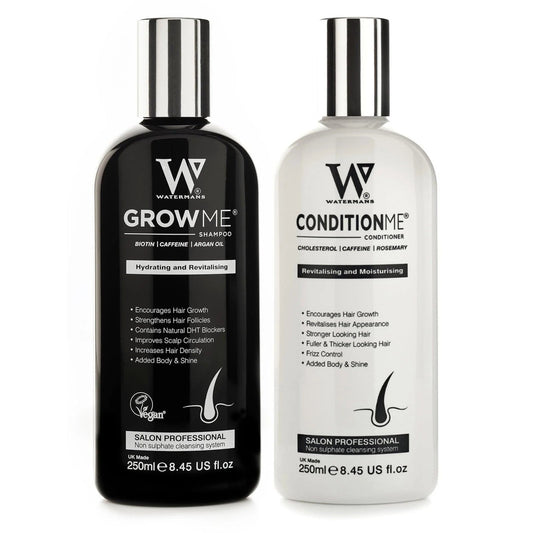
Watermans Grow Me Shampoo is a natural choice many people in Australia and the UK use to support hair growth and cut hair shedding without drugs.
Its formula includes:
• Biotin, which helps the hair’s protein structure.
• Rosemary, which may help blood flow to the scalp.
• Caffeine, which can work near the roots and keep follicles active.
• Niacinamide, which keeps the scalp barrier strong and boosts small blood flow.
• Argan oil, which smooths and helps protect the hair.
• Allantoin, which soothes the scalp.
• Lupin protein, a plant protein that can strengthen hair and add volume.
This mix helps the scalp feel awake.
It works at the roots to add volume and body to fine or thinning hair.
Because it is sold over the counter and has a strong record, many people choose to:
- Start with Watermans Grow Me Shampoo as a base for care.
- See improvements in density, thickness, and less shedding.
- Then add on a medicine like topical finasteride if more help is needed.
You can build a routine that uses Watermans products.
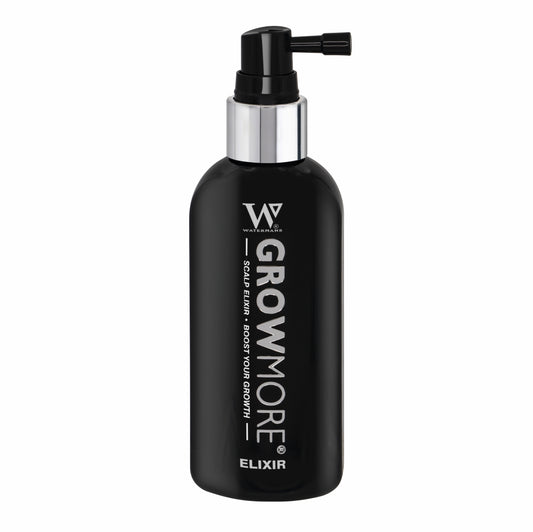
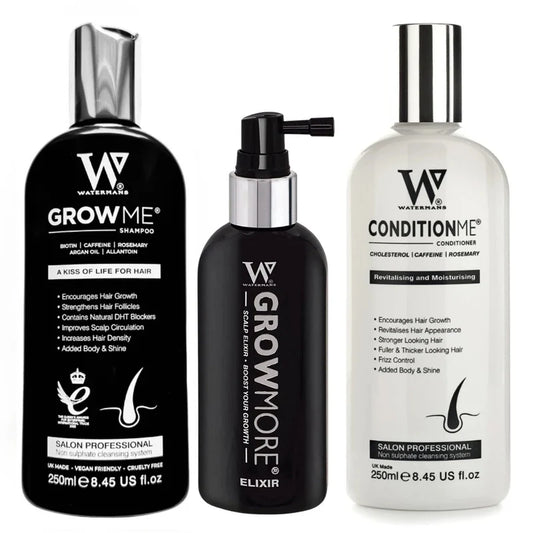
For example, the Watermans Hair Survival Kit bundles a shampoo, conditioner, and a leave-in scalp liquid for round-the-clock support.
──────────────────────────────────────────── How to build a layered hair regrowth plan (with or without topical finasteride)
Think of hair regrowth as a living system, not a single product.
- Foundation: Gentle daily scalp care
• Use Watermans Grow Me Shampoo several times a week.
• Pick a conditioner that does not weigh your hair down.
• Gently massage your scalp with your fingertips for 2–3 minutes in the shower.
This care alone may cut shedding and add fullness in a few months.
- Optional: Topical finasteride for DHT control
If your doctor thinks you need topical finasteride:
• Apply it once a day on a dry scalp.
• Focus on thinning spots such as the hairline, crown, or mid-scalp.
• It can be mixed with minoxidil or used on its own.
Your doctor might tell you to:
• Use it after you wash and dry your hair.
• Use a dropper or spray as directed.
• Let it dry completely before putting on styling products.
- Supportive lifestyle changes
Hair follicles react to overall health.
Eat enough protein, iron, B vitamins, zinc, and omega-3s.
Manage stress to cut extra shedding.
Avoid hairstyles that pull on your hair, too much heat, or strong bleaching.
If hair loss happens fast or all over, have a check on iron, thyroid, and vitamin D levels.
- Watch your progress over months, not days
Hair grows slowly.
• At 3 months, you may see a small drop in shedding and subtle changes in texture.
• At 6 months, you could notice early signs of thickening near your part or hairline.
• At 12 months, if the plan works, hair density and coverage should be clearer.
Taking photos each month with the same light can help track changes better than memory.
──────────────────────────────────────────── Common topical finasteride formulations and combinations
Since topical finasteride is made by many pharmacies, there is not one standard product.
You might see:
• A 0.25% finasteride solution
• A 0.5% finasteride solution
• A mix of finasteride and minoxidil (for example, 0.25% finasteride with 5% minoxidil)
• Foam or gel forms that some find easier to apply
Your doctor will set the strength, how often you use it, and if you combine it with other agents.
If you already use supportive products like Watermans Grow Me Shampoo, they usually work well together as the shampoo washes out easily.
──────────────────────────────────────────── Potential benefits of topical finasteride
Many people and doctors find topical finasteride appealing because it can:
- Target the scalp strongly
When you apply it on the scalp, the medicine works very near the hair roots.
It cuts down on DHT in the exact areas where hair is lost.
This may save other parts of the body from too much DHT drop.
- Cause fewer side effects in the body
Some studies show that topical finasteride lowers blood DHT less than the pill.
This may mean less effect on sexual functions or mood in some users.
Keep in mind that some of the medicine still reaches the blood.
- Fit well with combination treatments
You can pair topical finasteride with:
• Topical minoxidil
• Microneedling (when done safely)
• Scalp products like those from Watermans
This mix builds a routine that works through several ways.
It cuts down DHT, boosts blood flow, and helps the overall scalp.

──────────────────────────────────────────── Possible side effects and risks of topical finasteride
Even if it is applied to the scalp, it is still a prescription medicine that may cause side effects.
Local effects on the scalp may include:
• Itchiness or mild irritation
• Redness, dryness, or flakes
• A reaction to components in the base solution
• Greasy feel or product build-up if used too much
Sometimes, the liquid or other ingredients cause the irritation rather than finasteride itself.
Body-wide effects, though less common than with the pill, may include:
• A drop in sex drive
• Trouble with erections
• Lower semen volume
• Rarely, breast tenderness or enlargement
• Mood changes such as anxiety or low mood
If you see changes in mood or sexual health, talk with your doctor right away.
Some users may also see more shedding during the first 1–3 months.
This temporary shedding means weak hairs leave to let stronger ones grow.
During this time, a gentle product like Watermans Grow Me Shampoo can help keep your scalp feeling good and your hair looking fuller.
──────────────────────────────────────────── How topical finasteride compares with other treatments
Managing hair loss often means mixing several tools.
Here is how topical finasteride stacks up.
Topical finasteride versus minoxidil
• Finasteride, whether on the skin or in a pill, works by cutting down on DHT.
• Minoxidil works by opening blood vessels and lengthening the hair phase.
This is why many plans use both; each works in its own way.
Minoxidil is usually available without a prescription, while topical finasteride needs one.
Topical finasteride versus the pill
• Pills often lower DHT in the whole body and may work more in severe cases.
• Topical finasteride seeks a mix of good results and fewer side effects.
It is a good choice if you are sensitive to shifts in hormones or do not prefer a pill.
Topical finasteride versus natural products
Products like Watermans Grow Me Shampoo and the Watermans Hair Survival Kit:
• Do not need a prescription
• Do not block DHT
• Work to keep the scalp healthy, boost circulation, and strengthen hair
• Can be used by many people who do not want medicine
Many skin experts advise starting with a routine that keeps the scalp healthy.
Then, if needed, add a medicine like topical finasteride in a careful way.
──────────────────────────────────────────── How to use topical finasteride safely and effectively
If you and your doctor choose topical finasteride, using it correctly matters.
Step-by-step guide
-
Clean your scalp
• It works best on hair that is clean and dry.
• Washing with Watermans Grow Me Shampoo first helps remove oil for better absorption. -
Measure your dose
• Use the dropper, pump, or spray as your doctor showed you.
• Do not use more than the set amount. -
Apply to thinning spots
• Part your hair and put the medicine on the scalp (not on your hair strands).
• Focus on the hairline, crown, or diffuse thinning spots. -
Gently massage
• Use your fingertips to spread the medicine lightly.
• Avoid rubbing hard so you do not pull out hair. -
Let it dry
• Wait a few minutes for the liquid to be absorbed.
• Then, you can style your hair as usual. -
Wash your hands
• Clean your hands well to avoid transferring the medicine to other places or people.
What to avoid
• Do not share your medicine with anyone.
• Keep it away from pregnant partners or children.
• Do not apply to skin that is broken or very irritated.
• Do not double your dose if you forget a day.
──────────────────────────────────────────── Who should not use topical finasteride?
Although it is put on the skin, some people should not use this medicine:
• People who are pregnant or wish to become pregnant
Finasteride can affect a fetus if it goes into the blood.
• People who are allergic to finasteride or similar drugs
• People who have had serious reactions to finasteride before
• People with complex hormone issues or severe depression should use it only with close medical advice
If you fall in these groups, use safe, non-medical products like Watermans Grow Me Shampoo unless your doctor advises something else.
──────────────────────────────────────────── How long should you use topical finasteride?
Hair loss treatments are like ongoing care rather than a quick fix.
• Most people try it for 6 to 12 months before judging results.
• If you stop, any gains may slowly reverse as DHT levels rise again.
Think of it like medicine for blood pressure—it works while you use it.
Keeping your routine simple and steady is key.
This is another reason to build a care plan on a product like Watermans Grow Me Shampoo that you can use every day.
──────────────────────────────────────────── Integrating Watermans products with topical finasteride
If you choose to use topical finasteride or are already using it, you can fit in Watermans products by following this plan.
Morning or evening, as suits your day:
- Wash your hair with Watermans Grow Me Shampoo 3–5 times each week.
- Use a gentle conditioner if your hair feels dry or is long.
- Dry your hair gently with a towel.
- Apply your topical finasteride as your doctor directed.
- Use parts of the Watermans Hair Survival Kit (like the leave-in scalp liquid) at times that do not conflict with your medicine.
Check with your doctor to see if you need to space out these products.
This plan helps keep your scalp clean and strong.
It supports thicker hair naturally while using medicine carefully.
──────────────────────────────────────────── Frequently Asked Questions about topical finasteride
-
Does topical finasteride help regrow hair?
Studies show that many users see improvements in hair density and a slower pace of hair loss with this treatment.
It works best for early or moderate hair loss when used every day for at least 6 to 12 months and paired with good scalp care like Watermans Grow Me Shampoo.
Results vary between people. Some see strong regrowth, while others keep their hair from thinning further. -
Is topical finasteride safer than pills?
Many find that topical finasteride lowers blood DHT less than pills.
This might mean a lower chance of side effects that affect sex drive or mood for some.
Keep in mind a small amount of the drug still enters the blood.
It is not 100% free of side effects. -
Can I use topical finasteride with other hair products?
Yes.
Topical finasteride is often used with:
• Topical minoxidil (sometimes in one blend)
• Scalp care products such as Watermans Grow Me Shampoo
• Conditioners, scalp liquids, and kits like the Watermans Hair Survival Kit
• Microneedling when done with proper care and advice
Follow your doctor’s instructions and do not overload your scalp with too many products at once.
──────────────────────────────────────────── Take confident control of your hair today
Topical finasteride gives you a way to work against pattern hair loss.
Used properly and with a doctor’s guidance, it can help regrow hair and slow loss for many users.
But it should not be your only method of care.
Before you start or alongside your current treatment, give your scalp a strong base:
• Use Watermans Grow Me Shampoo as your everyday support to wake the scalp and add body to the hair.
• Build a full care routine with the Watermans Hair Survival Kit for steady support.
• In close talk with your doctor, you can add topical finasteride if you need extra DHT control.
Your hair care does not have to be confusing.
With clear, science-backed options and natural care, you can take careful steps toward stronger, fuller-looking hair for years to come.