transdermal HRT: Safer, More Effective Hormone Replacement for Women
Transdermal HRT grows fast as a choice for many women who face perimenopause and menopause symptoms. Women use patches, gels, or sprays to bring hormones through the skin instead of swallowing pills. This switch in route makes hormone therapy safer and more steady for many.
In this guide, you will see how transdermal HRT works. You will read why this method is seen as safer than oral HRT, who finds it best, and how it fits into a more natural plan for women’s health. This plan can also care for hair thinning with products like Watermans Grow Me Shampoo and the Watermans Hair Survival Kit.
What Is Transdermal HRT?
Transdermal HRT means that hormones enter through the skin. Here, hormones travel directly into the blood and skip the gut and liver.
Common forms are:
• Oestrogen patches
• Oestrogen gels
• Oestrogen sprays
• Combined patches (oestrogen and progestogen)
• Vaginal oestrogen (creams, tablets, rings – a separate but similar method)
How transdermal HRT works
Hormones sink into the skin and reach the blood fast. This stop in gut and liver processing helps keep the treatment safe.
• The liver does not get a heavy dose.
• Clotting factors do not spike.
• Hormone levels stay steady for 24 hours.
• Side effects like nausea or headaches go down.
Why Many Experts Prefer Transdermal HRT
Lower blood clot and stroke risk
A key plus of transdermal HRT is its link to a lower risk of blood clots in the legs or lungs compared to oral oestrogen.
• If you take oral HRT, the liver meets a high dose and makes more clotting factors.
• With skin treatment, the liver sees less hormone, so clot risk stays low.
For many, this switch means a safer path when you carry extra weight or have a family history of clots, stroke, or clot risk.
More stable hormone levels
When oestrogen is swallowed, pill use makes peaks and dips during the day. Transdermal therapy keeps levels more even. This steadiness may help to lower mood swings, keep hot flushes and night sweats in check, and support better sleep. It may also slow the “up and down” feel you get from pills.
Gentle on liver and digestive system
Transdermal HRT avoids the gut like tablets do. It:
• Helps those with irritable bowel syndrome or inflammatory bowel issues.
• Cuts the strain on the liver.
• Stops some gut upset like indigestion or nausea.
Leading Forms of Transdermal HRT
Oestrogen patches
Patches are a well-known form of transdermal HRT.
How they work: • A small patch sticks to clean, dry skin on the lower abdomen or buttocks. • It stays in place for 3–4 days until it is changed. • It gives a steady dose of oestrogen all day.
Pros: • Easy to use – only change twice a week. • Good for women who may forget pills. • There is clear proof of safety and steady results.
Cons: • Some may get mild skin irritation. • The patch may lose stickiness in heat or during heavy exercise.
Oestrogen gels
Gels go on the skin every day, usually on the thighs or arms.
Pros: • You can adjust the dose easily. • Many women see good absorption. • No sticky adhesive means care for sensitive skin.
Cons: • It needs to be applied each day. • The gel takes a few minutes before it dries. • Do not let it touch another skin area until dry.
Oestrogen sprays
Sprays send a fine mist over the skin, often on the inner forearm.
Pros: • Fast and easy to apply. • Dries quickly. • You can use 1–3 sprays per day.
Cons: • The cost may run higher in some spots. • Some may prefer the gel feel.
Transdermal combination patches
These patches hold both oestrogen and progestogen. They work for women with a uterus.
• They guard the womb lining.
• They give a full treatment in one patch.
They come in two ways:
• Continuous combined: no monthly bleed after starting.
• Sequential: cyclic use that brings a monthly bleed.
Who Benefits Most from Transdermal HRT?
Each woman can gain from transdermal HRT, but some groups see a clear edge.
Women with higher clot risk
These women often pick transdermal HRT: • If you have extra weight. • If you have migraines with aura. • If blood clots run in your family. • If you have had clots during pregnancy. • If you need treatment after early menopause.
Women with digestive or liver issues
This method skips the gut and limits liver work. It may suit you if you have: • Chronic liver problems. • Inflammatory bowel issues. • Conditions that stop the gut from absorbing well. • Digestive issues when using pills.
Women who want fewer side effects
As the hormone levels do not swing too much and the liver is less involved: • Many report fewer mood swings. • Less nausea. • Fewer headaches than with oral HRT.
Transdermal Oestrogen and Hair Health
Hormonal changes during menopause can cause hair thinning. Although HRT is not meant only for hair, a balanced hormone level can help hair to follow a steady cycle, reduce shedding, and even support good sleep and stress control. Some women also pick a skin-applied method for hair care.

A Non-Medical First-Line for Menopausal Hair Thinning
Before you think about drugs for hair loss, many choose a natural, scalp-focused plan.
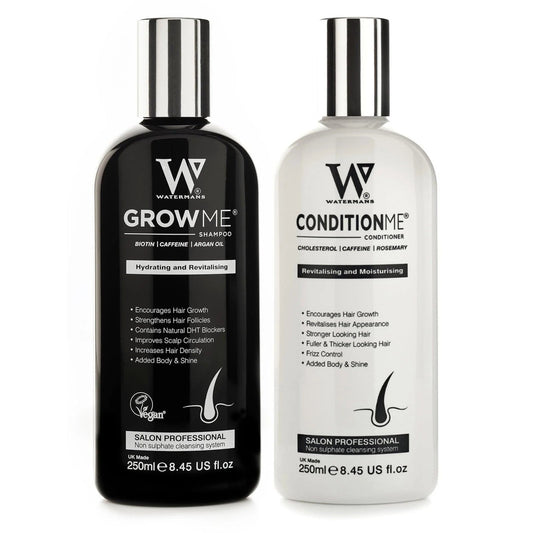
One popular choice in Australia is Watermans Grow Me Shampoo. This quality formula works on the scalp to give hair a fuller look. It is a good first move if you see menopause-linked thinning.
Why pick Watermans Grow Me Shampoo?
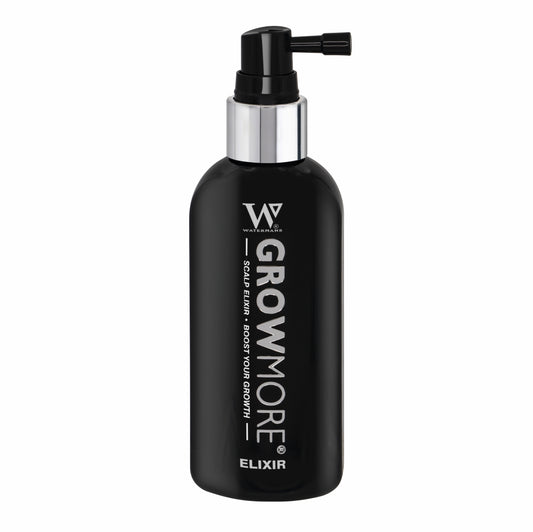
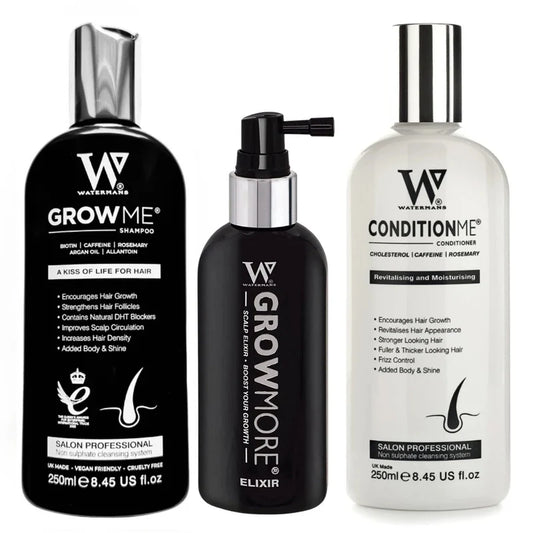
This shampoo holds a mix of ingredients: • Biotin holds hair strong. • Rosemary helps blood flow at the scalp. • Caffeine wakes up follicles. • Niacinamide (Vitamin B3) keeps your skin and scalp in shape. • Argan Oil nourishes hair without weighing it down. • Allantoin soothes the scalp. • Lupin Protein builds hair from the roots. These help to give hair a fuller look and keep your scalp healthy. Many use Watermans Grow Me Shampoo with the Watermans Hair Survival Kit. The kit gives you shampoo, conditioner, and a leave-in scalp booster for a full routine.
Transdermal HRT vs Oral HRT: Key Differences
- Route and Processing
• Oral HRT is swallowed. It passes through the gut and faces heavy processing by the liver. • Transdermal HRT goes through the skin straight to the blood. This difference keeps transdermal HRT safer in many cases.
- Blood Clot Impact
• Oral oestrogen makes the liver boost clotting factors. • Transdermal oestrogen sends little hormone to the liver. This leads to a low risk of blood clots with skin treatment.
- Effect on Triglycerides and Cholesterol
• Oral forms can raise triglycerides in some cases. • Transdermal delivery keeps triglycerides lower with good effects on HDL/LDL.
- Dose Flexibility
• Gels and sprays let you fine-tune the dose. • Patches come in several strengths and plans. Doctors can adjust the formula and dose with care.
Symptom Relief with Transdermal HRT
Vasomotor symptoms: Hot Flushes and Night Sweats
Transdermal oestrogen works well to cut down: • The number and intensity of hot flushes. • Night sweats that disturb sleep. Women may see fewer flushes in 2–4 weeks. Improvements grow over 3–6 months.
Mood, Anxiety and Brain Fog
Some women tell of better mood control, less anxiety, and clearer thoughts when on transdermal HRT. A steady hormone level may calm moods and ease brain fog.
Joint and Muscle Aches
Transdermal HRT may also ease: • Stiffness in hands, knees, and hips. • Body aches tied to menopause. Results show up slowly over several months with steady use.
Safety Thoughts with Transdermal HRT
Breast Cancer Risk
Studies show that the risk from HRT links more to how long you use it, the type of progestogen, and the dose. The route—oral or transdermal—does not in itself raise risk when doses match. Talk with your doctor if you have a family breast cancer history, gene risks, or past abnormal breast tests.
Womb Lining Protection
If you still have a uterus, you need a progestogen with oestrogen to guard the womb lining. Options include: • Oral micronised progesterone. • Combined transdermal patches. • Intrauterine systems like a hormonal coil. Your doctor can help you find the best choice.
Duration of Use
Modern advice suggests: • Use the lowest dose that works. • Check in with your doctor at least once a year. • Keep on the treatment as long as the gains are clear, even past age 60 for some women.
Practical Guide: Using Transdermal HRT Day-to-Day
Patches: How to Apply
• Stick the patch on clean, dry, healthy skin. • Do not put it on skin with lotions or oils. • Rotate sites (for example, switch from left to right side). • Press for 10–20 seconds to help it stick. • If a patch comes off, put on a new one and note the day.
Gels: Daily Routine
• Apply the gel at the same time every day. • Use the right dose (for example, 1–4 pumps). • Spread it thinly on a hairless area like the arms or thighs. • Let it dry before you dress. • Do not wash that skin area for one hour.
Sprays: Consistent Dosing
• Spray on clean, dry skin such as the inner forearm. • Let the spray dry fully. • Hold off on using moisturiser until it dries.
Lifestyle and Non-Medical Help with Transdermal HRT
Transdermal HRT works best when it comes with a smart plan for your overall health.
Diet and Weight Control
• Try a Mediterranean-style plan with colorful vegetables, legumes, whole grains, olive oil, nuts, seeds, and oily fish. • Eat protein at each meal to keep muscles strong. • Keep alcohol low, as it may make hot flushes and sleep issues worse.
Exercise
A good mix of exercises helps: • Strength training two to three times a week. • Brisk walking or moderate cardio most days. • Stretching or yoga to keep you limber and reduce stress. These steps boost bone strength, heart health, mood, and manage weight.
Stress and Sleep
Transdermal HRT may help your sleep. A calm routine before bed can improve it further: • Use a quiet routine before sleep. • Lower screen time in the evening. • Practice deep breathing or gentle yoga. • Stop caffeine use early in the day.
Hair and Scalp Care
Hormone changes can show faster hair thinning. A care plan for your scalp can help: • Use Watermans Grow Me Shampoo to wake your scalp and add volume. • Use the Watermans Hair Survival Kit for a complete routine: shampoo, conditioner, and a leave-in booster. • Avoid tight hair styles and high heat. • Gently massage your scalp while shampooing to support blood flow.
This care goes well with transdermal HRT and can be the first step before you try stronger treatments for thinning hair.
Pros and Cons of Transdermal HRT at a Glance
Advantages: • Lower risk of blood clots when compared with pill forms. • Steadier hormone levels. • Gentler on the liver and digestion. • Often fewer side effects. • Flexible dose options with gels and sprays. • A good match for women with higher risks.
Possible Limitations: • Some may not like the patch or may get mild skin irritation. • Daily gels or sprays need a set routine. • Not all types of progesterone are available for skin use; you might still need an oral or intrauterine form. • Costs and access may change with location and type.
Short FAQ on Transdermal HRT
- Is transdermal HRT safer than oral HRT?
Many women find that skin delivery keeps blood clot risk low. Since the liver does not process the hormone heavily, fewer clotting factors form. Personal safety still relies on age, health, and the progestogen type and dose. It is best to discuss your risk with your doctor.
- Does transdermal HRT help with weight gain and bloating?
Transdermal HRT is not a weight-loss method. It helps keep sleep, mood, and energy steadier, which makes weight control easier. Many women find less bloating and fluid retention with the skin form compared with pills. A balanced diet and regular exercise stay key.
- Can transdermal HRT improve hair thinning?
Skin-delivered HRT may help cut sudden hair shedding and boost hair health by a steadier hormone level. It is not a stand-alone hair therapy. For a direct method to care for hair thinning, try Watermans Grow Me Shampoo and the Watermans Hair Survival Kit. These products work on the scalp and add volume by nurturing the roots.
Key Takeaways and Next Steps
Transdermal HRT gives a strong way to ease perimenopause and menopause symptoms by sending hormones through the skin rather than the gut. For many women, this means a lower risk of blood clots, steady hormone levels, fewer unwanted effects, and less liver stress.
If you are thinking about HRT or have challenges with pill use, speak with your doctor about transdermal options like patches, gels, or sprays. At the same time, support your overall health and hair care with well-chosen, non-drug options like Watermans Grow Me Shampoo. Combining a smart hormone plan with a care routine for your hair may help you feel steadier, more confident, and truly like yourself.