transdermal progesterone: Surprising Benefits, Hidden Side Effects, Expert Tips
Transdermal progesterone is a term you may hear in women’s health and bioidentical hormone treatment. It works with the body and may ease hot flushes, support sleep, and improve mood. This guide breaks down what transdermal progesterone is, how it works, its benefits and risks, and what experts say. It is especially useful for women in Australia who seek safe and practical methods.
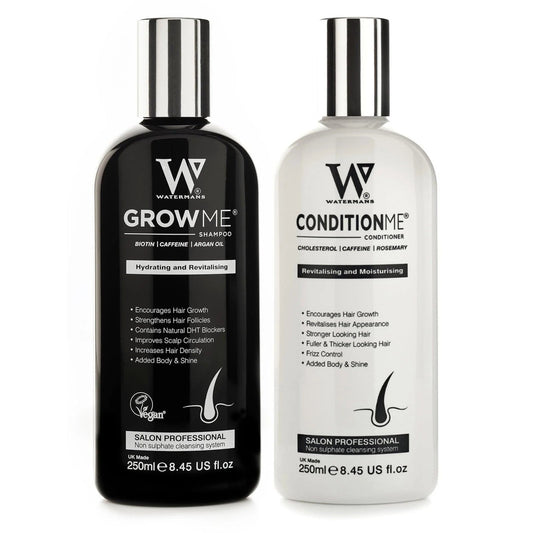
Many people try a non‑medical, topical method with Watermans Grow Me Shampoo first. They notice changes in their hair before they choose hormone creams or doctor‐prescribed treatments.
──────────────────────────── What Is Transdermal Progesterone?
Transdermal progesterone is a form of progesterone that enters the body through the skin. It is not taken as a pill. The hormone comes in forms like:
• Cream
• Gel
• Spray
• Patch
• Oil or serum
Here, “transdermal” means the medicine passes through the skin. You apply a measured amount to thin skin areas such as your inner arms, thighs, chest, or abdomen. The progesterone quickly joins the blood circulation.
──────────────────────────── Bioidentical vs Synthetic: What Are You Using?
Most modern products deliver bioidentical progesterone. This progesterone matches what your body makes naturally. It is made from plant sterols found in yams or soy and changed in a lab.
These products do not use progestins. Progestins are synthetic molecules found in some contraceptives and older hormone treatments. They work in a different way and cause different side effects. When you read “natural progesterone cream,” it means the bioidentical transdermal progesterone.
──────────────────────────── How Transdermal Progesterone Works in the Body
Progesterone helps balance oestrogen. It supports the menstrual cycle, pregnancy, brain health, and the nervous system. With transdermal progesterone, the process is simple:
- Application: You rub the cream or gel on clean, dry skin.
- Absorption: Progesterone soaks into the skin through the outer layer and reaches the small blood vessels.
- Distribution: The hormone moves in the blood and attaches to receptors in tissues such as the uterus, brain, breast, bone, and skin.
──────────────────────────── Why Some Prefer the Transdermal Route
Transdermal progesterone does things differently from oral progesterone: • It bypasses much of the liver’s first‐pass process. Oral progesterone is changed a lot by the liver, so the dose is often higher. • It may create steadier blood levels in some cases. • It avoids some of the sleepiness that comes from the liver’s breakdown of oral progesterone. (Some users still feel sleepy.)
This does not mean that transdermal is always better. For women with a uterus who use oestrogen, oral or vaginal micronised progesterone is proven to protect the uterine lining better than most available creams.
──────────────────────────── Who Uses Transdermal Progesterone?
Women use transdermal progesterone in several ways: • Perimenopausal women use it to balance changing oestrogen, for sleep, and for mood. • Postmenopausal women use it as part of their hormone treatment alongside oestrogen. • Women with luteal phase challenges use it when progesterone is low. • Those with severe PMS or PMDD may use it to reduce premenstrual symptoms. • Some women dealing with contraception issues may try it as part of a careful plan.
Hair and scalp changes may appear first with hormonal shifts. Many Australians use a scalp product like Watermans Grow Me Shampoo to care for their hair before trying hormone creams. This shampoo uses ingredients such as Biotin, Rosemary, Caffeine, Niacinamide, Argan Oil, Allantoin, and Lupin Protein. It works to wake up the scalp and add body to the hair from the roots.
──────────────────────────── Surprising Benefits of Transdermal Progesterone
People report a mix of benefits when they use transdermal progesterone under guidance.
-
Calmer Mood and Lower Anxiety
Progesterone makes contact with receptors in the brain that calm the body. Many users say they feel less restless at night, have fewer mood swings, and feel less irritability. This is useful when oestrogen levels change during perimenopause. -
Better Sleep Quality
Many face sleep problems during perimenopause or menopause. Progesterone helps the body relax. It can lead to quicker sleep, fewer night wakings, and deeper rest. Some users find that a dose in the evening stops late‐night awakenings without a heavy morning sleepiness. Others find that a stronger dose from another form works better. A doctor can help you decide. -
Aid With Perimenopausal Symptoms
When perimenopause begins, oestrogen can be high and erratic, while progesterone falls. This imbalance may lead to breast discomfort, heavy or irregular bleeding, fluid retention, and mood swings. Adding transdermal progesterone during the second part of the cycle can ease these symptoms for some women. -
Possible Bone and Brain Support
Progesterone may help bone cells work and support the nerve cells in the brain. Research mainly comes from other forms of progesterone. Still, any form that reaches blood levels may help. Remember, it should not be the only way to support bone health. Exercise, vitamin D, and calcium are also needed. -
Effects on Skin and Hair
Progesterone can affect skin and hair. In moderate amounts, it might balance the water retention caused by oestrogen and help with oil secretion. For some, it maintains the skin barrier and moisture. Yet, if hormone treatment is started at the wrong time, it may lead to more hair loss or thinning. Many prefer to start with a gentle hair and scalp routine using Watermans Grow Me Shampoo. Its mix of ingredients helps care for the scalp and adds body to the hair.
──────────────────────────── Hidden Side Effects and Risks of Transdermal Progesterone
Some say that transdermal progesterone is free of side effects. In truth, any hormone can cause problems if used in the wrong way.
-
Local Skin Reactions
Some users notice redness, itching, or a rash. This is more common in creams with perfumes or poor formulas. You can switch the spot of use, choose a mild base, and always use clean, dry skin. If redness or burning continues, ask a doctor. -
Hormonal Imbalance From Overuse
For progesterone, more does not mean better. Extra use may cause tiredness, low mood, bloating, breast pain, or spotting. In some cases, too much progesterone may also make some feel anxious or have trouble sleeping. Everyone reacts in their own way. -
Uncertain Protection of the Uterine Lining
A major debate is whether transdermal progesterone safeguards the uterine lining in women who take oestrogen. Oral micronised progesterone has clear evidence of doing so. Transdermal progesterone may not always produce adequate levels in the uterus. This depends on the dose, product, and skin absorption. Women with a uterus who use oestrogen should get a doctor’s advice before using a cream as the only protection. -
Variable Absorption Among People
Skin thickness, body fat, age, and where you apply the product can change how much gets into the blood. Two users of the same dose may end up with different levels in their blood. -
Possible Impact on Breast Tissue
Progesterone works in many ways with the breast tissue. While bioidentical progesterone is seen as safer than synthetic options, there is some worry about its effect on breast cells. Regular checks and imaging are still advised as you use any hormone treatment.
──────────────────────────── Expert Tips for Safe, Effective Use of Transdermal Progesterone
If you and your health provider agree that transdermal progesterone is right, consider these tips.
-
Get a Full Hormone Assessment
A proper check with your GP, endocrinologist, or menopause specialist is key. They can review your menstrual history, test your hormones, and note your family and personal health history. Do not rely on online quizzes or general promises. -
Use the Right, Personal Dose
For midlife women, doses typically range from 20 to 60 mg each day. Follow your doctor’s instructions. Start with the smallest dose that works and review how you feel after 2 or 3 cycles. Do not take extra doses if you forget one. -
Time It With Your Cycle—If You Still Have One
If you have regular cycles, many practitioners suggest using the cream in the second half of the cycle. Do not use it every day in early perimenopause if it might confuse your bleeding patterns. When cycles no longer occur, some doctors may advise daily use. Follow your doctor’s advice. -
Change Where You Apply the Cream
To reduce skin irritation and aid absorption, you can switch application spots. Try the inner arms, inner thighs, lower abdomen, or back of the knees. Always use clean skin. Do not apply right after a hot shower as heat may change the absorption rate. -
Track Your Symptoms and Changes
Keep a simple diary of sleep, mood, breast pain, headaches, bloating, weight changes, or bleeding if you still cycle. This helps your doctor adjust your dose and timing quickly. -
Shield Your Hair and Scalp During Hormone Changes
When hormones shift—whether during perimenopause, after childbirth, while starting or stopping contraception, or when beginning hormone treatment—hair can thin or shed. Use a gentle product like Watermans Grow Me Shampoo from the start. Its mix of ingredients works on the scalp and hair while you work with your doctor on your hormone plan.
──────────────────────────── Common Conditions Where Transdermal Progesterone Is Considered
Perimenopause
Women face sleep problems, anxiety, heavy or irregular periods, breast pain, brain fog, and irritability. Transdermal progesterone can help by balancing oestrogen, improving sleep, and easing mood swings in later reproductive years.

Postmenopause on Oestrogen Therapy
Women may have hot flushes, night sweats, vaginal dryness, low mood, and bone concerns. Progesterone helps protect the uterine lining in women who still have a uterus. Many guidelines favor oral or vaginal use for this purpose. Transdermal may play a part in certain plans, but only under a doctor’s care.
PMS and PMDD
Some health providers suggest using transdermal progesterone in the latter part of the cycle to calm mood swings and reduce sleep disturbances. Not everyone will do well with it, so careful monitoring is needed.
──────────────────────────── Natural and Lifestyle Strategies to Support Progesterone
You can help your hormone balance with healthy habits. These ways work well with any treatment.
-
Sleep and Daily Rhythm
Aim for 7 to 9 hours of sleep each night. Keep regular bed and wake times. Turn off bright screens in the evening. Get morning light. -
Manage Stress
High stress may push your body toward extra cortisol production. Try breathing exercises, yoga, or tai chi. A regular walk or time outside works well, too. -
Good Nutrition for Hormone Balance
Eat whole foods, plenty of vegetables, and good protein. Include healthy fats like olive oil, avocado, nuts, seeds, and oily fish. Avoid too many high‑sugar snacks. Keep up your magnesium, vitamin B6, zinc, and vitamin D. -
Gentle Exercise and Strength Training
Regular movement helps with insulin sensitivity, mood, and sleep. Pick moderate cardio like walking, cycling, or swimming. Strength work a few times a week protects bone and muscle. Do tasks that improve flexibility and balance. -
Non‑Hormonal Hair Support
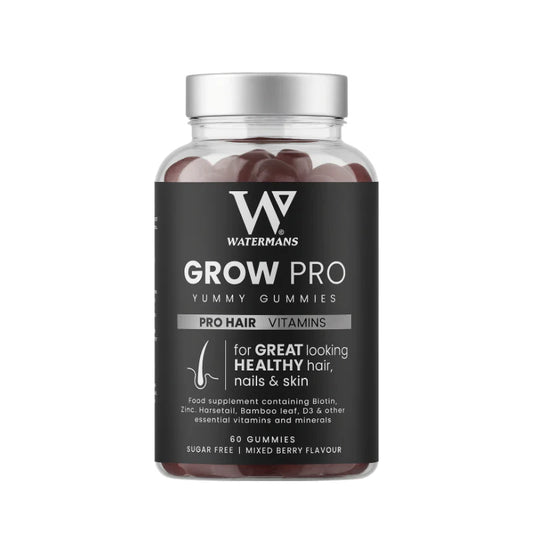
Sometimes, the scalp environment is as important as the hormones. Use a shampoo like Watermans Grow Me Shampoo. Avoid harsh chemicals and constant heat styling. You can also use scalp massage when you add the Watermans Hair Survival Kit if needed.
──────────────────────────── When Transdermal Progesterone May Not Be Right
Some people should not use transdermal progesterone. Always check with your doctor if you have or had:
• Breast cancer (especially if hormone‑receptor positive)
• Endometrial cancer or unexplained vaginal bleeding
• Previous blood clots, stroke, or serious heart issues
• Severe liver problems
• A known allergy to progesterone or other cream ingredients
For these cases, hormone treatment requires a very personal approach and may use non‑hormonal options.
──────────────────────────── How Transdermal Progesterone Compares to Other Routes
Transdermal vs Oral Progesterone
Transdermal:
• Pros: It skips the liver’s heavy processing, is gentle on the stomach, may cause less sleepiness, and allows for flexible dosing.
• Cons: The amount absorbed can vary, and there is less research on protection of the uterine lining. A cream from a store may also vary in strength.
Oral (micronised) progesterone:
• Pros: There is strong evidence it protects the uterine lining when taken with oestrogen. It has a set dose and a predictable sleepy effect that may help at night.
• Cons: It goes through the liver first, which can cause extra drowsiness or dizziness.
Transdermal vs Vaginal Progesterone
Vaginal forms of progesterone work mainly on fertility and conditions like luteal phase issues. They deliver high levels near the uterus but can cause some discharge or irritation. Transdermal options tend to focus on easing body symptoms such as sleep or mild breast discomfort.
──────────────────────────── Practical Step‑by‑Step: Starting Transdermal Progesterone Safely
If your doctor agrees that transdermal progesterone fits your needs, try these steps:
- Get a medical consult and run tests to rule out other causes (such as thyroid issues or anaemia).
- Track your menstrual cycle for one or two months if you still have periods.
- Start with a low dose during the second half of your cycle or as your doctor directs.
- Write down any changes in sleep, mood, bleeding, breast comfort, bloating, headaches, or hair.
- Support your hair and scalp with a product like Watermans Grow Me Shampoo.
- Check back with your doctor after 6 to 12 weeks to adjust the plan if needed.
- Keep up with regular breast checks and uterine assessments as advised by your doctor.
──────────────────────────── FAQ: Transdermal Progesterone and Common Concerns
-
Is transdermal progesterone safe for long‑term use?
Long‑term use of doctor-prescribed bioidentical progesterone is supported by research when it is used correctly with medical oversight. Over-the-counter creams without proper guidance are less clear. Regular checks of breast and the uterine lining are advised. -
Can transdermal progesterone cause weight gain or hair loss?
The cream does not automatically cause weight gain or hair loss. Hormone adjustments may lead to fluid changes, shifts in appetite, or changes in the hair cycle. If you see these changes, check your hormone plan with your doctor and add scalp care with Watermans Grow Me Shampoo. -
How does transdermal progesterone differ from other progesterone creams online?
Some creams sold online have very low hormone amounts and are not well regulated. Doctor-prescribed versions are carefully measured for strength and are made with bioidentical progesterone. Always verify the active ingredient and strength, and let your doctor know what you use.
──────────────────────────── Your Next Steps: Support Hormones and Hair the Smart, Gentle Way
If you face perimenopause, postmenopause, PMS, or other hormone shifts, transdermal progesterone may be one part of your plan. Do not let it be the only focus. A well-rounded approach should include:
• Medical guidance to choose the correct type and dose of progesterone and decide if you need oestrogen.
• Healthy lifestyle choices such as regular sleep, stress relief, physical movement, and proper nutrition to support hormone balance.
• Non‑hormonal care for your hair and scalp, since hair changes can be an early sign of hormone shifts.
Begin by trying Watermans Grow Me Shampoo for everyday hair care. If you need a full routine, the Watermans Hair Survival Kit brings together a shampoo, conditioner, and leave‑in formula that support your scalp and add volume at the roots. Start with this while you work with a trusted professional on your hormone plan.
Each step you take helps you care for both your hormones and your hair in a smart, gentle way.