Transgender hair loss: Expert solutions to regain confidence and volume
<h1></h1>
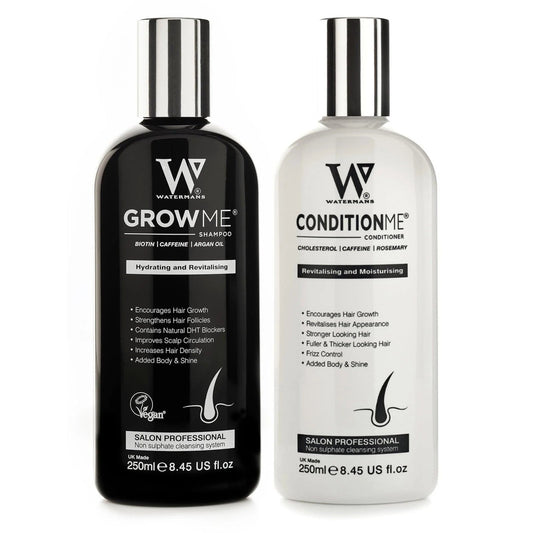
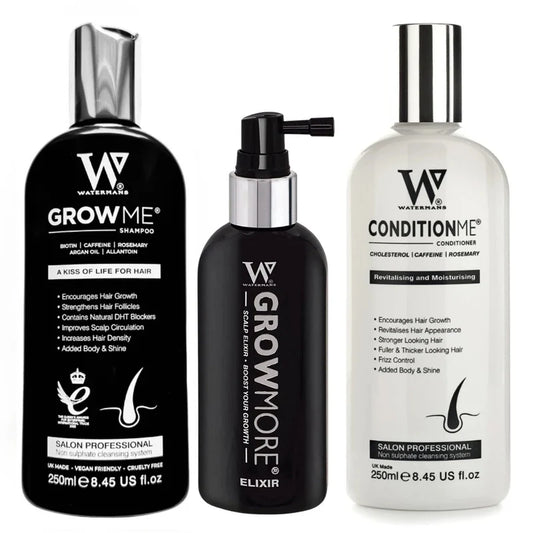
Transgender hair loss affects many people during or after gender transition. It can cause upset. This guide shows the causes, treatments that work, and daily steps you can take. For a natural, non-medical start, try Watermans Grow Me Shampoo. Its mix of Biotin, Rosemary, Caffeine, Niacinamide, Argan Oil, Allantoin, and Lupin Protein works to wake up your scalp and add volume at the roots. Check it here: https://watermanshair.com.au/products/hair-growth-shampoo. You might also try the Watermans Hair Survival Kit for a complete everyday routine. See it at: https://watermanshair.com.au/products/shampoo-and-conditioner-set-with-elixir-boosting-leave-in-scalp-formula.
Key takeaways (quick answers people search for)
- What causes transgender hair loss: hormone therapy (both masculinising and feminising), genes, stress, hair care practices, and surgery scarring.
- First non-medical step: use a shampoo that treats your scalp gently like Watermans Grow Me Shampoo and show care every day.
- Medical options: topical minoxidil, anti-androgens, finasteride (with specialist advice), hair transplant surgery, and extra treatments.
- Emotional support and a team (endocrinologist, dermatologist, surgeon, counsellor) help with long-term care.
<h2>What is transgender hair loss and why it matters</h2>
Transgender hair loss means thinning, shedding, or pattern changes in hair for transgender and gender-diverse people. It can occur before, during, or after gender transition treatments. Hair shows gender to many people and changes may affect self-image and hope. Proper care needs a look at the body, the effects of hormone treatments, lifestyle factors, and cosmetic choices. This plan must fit each person’s transition aims.
<h2>How common is it?</h2>
No exact global numbers exist because studies are few and groups vary. Still, doctors see hair changes in people on testosterone and mixed outcomes for those on oestrogen-plus-anti-androgens. If you see more shedding or thinning, check early so that treatments—medical or non-medical—work best. For a general view of hair loss and care, the American Academy of Dermatology gives trusted facts (source only): https://www.aad.org/public/diseases/hair-loss.
<h2>How hormones and transition pathways affect hair</h2>
H4: Testosterone (gender-affirming masculinisation)
- Trans men and some non-binary people on testosterone may see higher dihydrotestosterone (DHT) levels. DHT comes from testosterone and can speed up pattern hair loss if genes allow it. This often shows as a receding hairline or crown thinning over time.
- Not all on testosterone lose hair. The genes and age make a difference.
H4: Oestrogen and anti-androgens (feminising regimens)
- Many trans women who take oestrogen with anti-androgens (for example, spironolactone) see a slowdown in loss because the body has less androgen.
- If scarring or long-term thinning exists, hair may not return by hormones alone. Extra steps may help.
H4: Non-hormonal contributors
- Top surgery, wearing chest binders, using wigs and adhesives, tight hairstyles, chemical straightening, stress and autoimmune issues all may hurt hair. Each should be checked.
<h2>Common causes of hair loss in transgender people</h2>
Know the cause to support care. Causes can work together.
H4: Androgenetic alopecia (pattern hair loss)
- Genes and androgens (DHT) drive this type. It shows in patterns that follow early sex traits and hormone settings.
H4: Telogen effluvium (shedding)
- This type shows as widespread shedding. It may start from physical or emotional strain, sickness, weight change, surgery, or quick changes in medication. It can come after tough transition events.
H4: Traction alopecia
- This loss comes from constant tension. Tight ponytails, braids, extensions, or wig adhesives pull on hair. It usually shows at the hairline and may last if scars form.
H4: Scarring alopecia
- Surgery, burns, or scalp inflammation can destroy follicles so hair does not regrow.
H4: Nutritional and systemic causes
- Low iron, vitamin D, or zinc, along with thyroid issues and some drugs, may make hair thin. Routine checks may spot a fixable cause.
<h2>Assessment: what clinicians look for</h2>
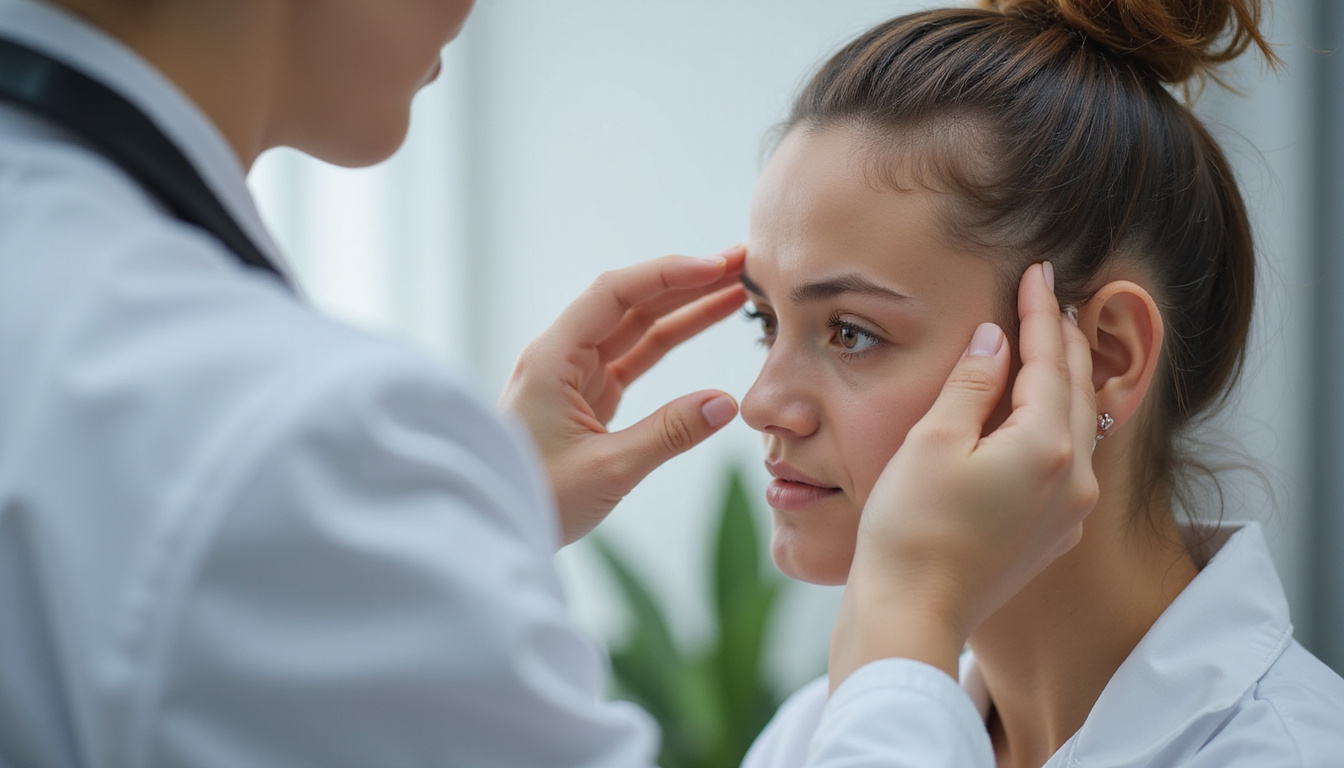
A good check by a dermatologist or hair specialist looks at:
- Your history: when hair loss began, how it grows, hair habits, family trends, hormone use, and medications.
- A scalp and hair check; a tool called trichoscopy to spot miniaturisation, scarring, or inflammation.
- A hair pull test to see active shedding.
- Blood tests if needed (iron, thyroid, vitamin D).
- A scalp biopsy when the cause is unclear or scarring is seen.
A team talk with your endocrinologist and surgeon helps match hair goals with your transition plans.
<h2>Medical treatments: what works and what to expect</h2>
Medical steps show firm proof in slowing loss and sparking regrowth. Your plan must match your aims and health.
H4: Topical minoxidil
- Used for both pattern hair loss and shedding. It thickens hairs and may wake new ones after months of use.
- It comes as foam or a liquid. Changes may show after 3–6 months and best by 12 months.
- Most people can take it. Check if it fits your hormone plan and talk to a doctor.
H4: Oral anti-androgens and hormone management
- Finasteride reduces DHT. It can help pattern hair loss. It is offered to trans men with male-pattern loss under careful guidance. Talk with your doctor about its role in the testosterone-DHT mix.
- Spironolactone is common for trans women to lessen androgens. The dose and checks matter.
H4: Hair transplant surgery
- Hair can be moved from one area to another. Look at options like FUT or FUE for long-lasting results.
- For transgender patients, the donor hair, past hormone use, wishes, and facial or head looks guide the plan.
- Trans women with less donor hair or long-term diffuse loss might need more than one method. Talk with experts.
H4: Platelet-rich plasma (PRP) and injections
- PRP takes growth signals from your blood to wake hair follicles. Results vary, and it often comes with other treatments.
H4: Low-level laser therapy (LLLT)
- Devices like combs or helmets may push blood to the scalp and spark growth. Regular use matters for results.
H4: When to combine treatments
- Using minoxidil with an anti-androgen or finasteride usually works better than one method alone. Coordinate any mix with your endocrinologist and dermatologist.
Remember to speak with specialists before starting any systemic medication. They will check hormone ties, fertility, and related factors.
<h2>Non-medical and cosmetic approaches (start here)</h2>
Many choose natural, non-medical steps either before or with medical care. A gentle, daily shampoo can help your scalp and add volume. Watermans Grow Me Shampoo works with Biotin, Rosemary, Caffeine, Niacinamide, Argan Oil, Allantoin, and Lupin Protein to wake your scalp. See it here: https://watermanshair.com.au/products/hair-growth-shampoo. It is a favorite non-medical choice when you want more volume and better scalp condition without drugs.
H4: Why choose a scalp-friendly shampoo?
- A well-cared-for scalp gives hair a good home. Harsh soaps hurt hair and can raise shedding.
- Ingredients like caffeine and biotin may wake the scalp, while argan oil and allantoin care for the hair.
- Watermans Grow Me Shampoo is made to be gentle and to add body. It is a good start for most.
H4: Complete routine — Watermans Hair Survival Kit
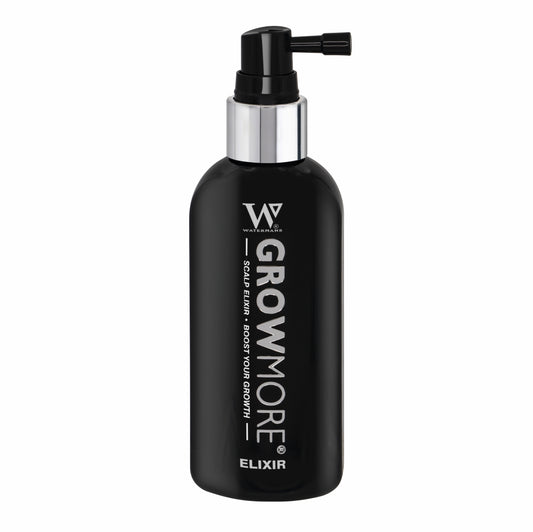
- For a full care home plan, try the Watermans Hair Survival Kit. It comes with a shampoo, conditioner, and leave-in scalp support that works together: https://watermanshair.com.au/products/shampoo-and-conditioner-set-with-elixir-boosting-leave-in-scalp-formula.
H4: Styling and camouflage
- Mousses, powders, and sprays that lift can boost the look of density.
- Haircuts that add layers and breaks can make hair seem thicker. Ask a stylist who works with transgender clients.
- Scalp micropigmentation and good wigs or toppers give quick and natural-looking coverage.
H4: Wigs, toppers and adhesives
- Pick light, breathable wigs and change your style to ease pressure on your hair.
- If you use adhesives, remove them with care so as not to hurt the scalp. A wig expert can guide you.
<h2>Everyday tips to protect and build volume (numbered list)</h2>
- Wash gently with a scalp-energising shampoo like Watermans Grow Me Shampoo two to three times a week. Use a mild conditioner on mid-lengths and ends so as not to weigh down roots.
- Keep hair loose. Avoid tight styles or heavy extensions that strain the hairline.
- Cut down on heat styling and strong chemical treatments. If you use heat, add a heat protector.
- Massage your scalp for one to three minutes a day to boost blood flow. Use a light scalp oil if you can.
- Eat balanced meals rich in protein, iron, zinc, and vitamins. Test for iron and vitamin D if you see heavy shedding.
- Ease stress with good sleep, exercise, meditation, or counselling. Ongoing stress can trigger shedding.
- Get checked early if thinning continues. Early steps can lead to better results.
<h2>Nutrition, supplements and lifestyle</h2>
A strong body helps hair thrive. No single food will reverse deep hair loss, but missing nutrients make shedding worse.
<h2>Scalp care routines to boost confidence and volume</h2>
A steady, gentle routine helps hair look its best.
H4: Morning routine
- Wash gently with Watermans Grow Me Shampoo if needed.
- Put on a light leave-in or volume booster at the roots (the Watermans kit has a leave-in scalp elixir).
- Use a wide-tooth comb. Style with a diffuser or let hair air dry.
H4: Evening routine
- Remove any adhesives or heavy products with care.
- Rub your scalp gently for one to two minutes and apply a little leave-in elixir if it is in your routine.
- Do not sleep with wet hair to reduce breakage.
H4: Weekly care
- Deep condition the mid-lengths and ends with a hydrating mask to cut split ends.
- Change up your styling to reduce constant pull on the same parts.
<h2>Mental health, body image and social support</h2>
Hair loss can bring grief, worry, or a loss of confidence during a time of many changes. Taking care of your mind alongside your hair is key.
- Counselling: A therapist who understands gender diversity can help with body image and new ideas for care.
- Peer support: Join local or online transgender groups to get hair and beauty advice.
- Hair professionals: Find stylists and wig experts who respect your identity and give good ideas.
<h2>Surgical and advanced options: what to expect</h2>
If other options do not work, surgery may be right.
H4: Who is a candidate?
- You have a good amount of hair at the donor areas (usually the back and sides).
- You keep realistic hopes and feel ready.
- Your health is steady. Surgeons may ask that hormone treatments stay the same for a while before surgery.
H4: Types of procedures
- FUE: Single follicles are taken and placed into thinning areas. This leaves small scars.
- FUT: A strip of hair is removed. This may leave a line scar but can move many grafts in one go.
- Extra treatments: PRP may support transplant results.
H4: Considerations for transgender patients
- The hairline should match your gender goals. Trans women might want a softer, lower front hairline. Trans men might want a more rugged, natural line or to keep their own hairline.
- There must be enough donor hair. Long-term diffuse thinning can limit choices.
<h2>Prevention and timing — how to plan with your transition</h2>
Planning helps. If you start testosterone and have a family history of pattern loss, speak up early.
- Begin early: Topical minoxidil and lifestyle changes can hold density.
- Work with your endocrinologist: Some anti-androgens or changes in testosterone may help when needed.
- For trans women with marked male-pattern loss, early medical steps and later surgical or camouflage measures may form a clear plan.
<h2>When to seek specialist help</h2>
Talk to a dermatologist or trichologist if you notice:
- Rapid or patchy hair loss.
- Scalp pain, burning, bumps, or signs of redness.
- Continued shedding beyond six months or worry about looks.
- If you think about finasteride, spironolactone, or surgery—expert advice is key.
<h2>Emerging treatments and research</h2>
Scientists test new ways such as hair cloning, stem cell work, and fresh topical mixes. These paths show promise but are still in the early stage and often cost much. Stay informed by trusted sources and talk with your care team about new steps.
<h2>Real-world stories and expectations</h2>
Many transgender people manage hair changes with a mix of shampoo care, styling, topical treatments, and surgery if needed. Change comes slowly; note small gains like more volume or less shedding. Talking with others who have had similar paths can help set clear ideas and boost strength.
<h2>Frequently asked questions (FAQ)</h2>
H4: Q1 — What causes transgender hair loss during hormone therapy?
A: Transgender hair loss may start when hormones change. In trans men, testosterone raises DHT, which speeds pattern loss. In trans women, oestrogen with anti-androgens can slow this loss. Non-hormonal issues like tension, stress, missing nutrients, or scars also play a part. Early checks help choose the best path.
H4: Q2 — Can transgender hair loss be reversed without medicine?
A: Some types, like tension-based loss, poor scalp care, or stress-triggered shedding, may improve with gentle care, a good shampoo such as Watermans Grow Me Shampoo, sound nutrition, and stress relief. For genetic hair loss, non-medical steps may make hair seem better, but a mix with medical or surgical help might be needed.
H4: Q3 — Is there a best shampoo for transgender hair thinning?
A: No shampoo can cure deep pattern hair loss on its own. Yet, a gentle shampoo that cares for your scalp can help keep follicles strong. Watermans Grow Me Shampoo uses Biotin, Rosemary, Caffeine, Niacinamide, Argan Oil, Allantoin, and Lupin Protein to wake your scalp and add body at the roots. It is a top non-medical step to take before or with other methods: https://watermanshair.com.au/products/hair-growth-shampoo.
<h2>Practical plan you can start today</h2>
- Step 1: Book an appointment with a dermatologist or trichologist to check your scalp and hair.
- Step 2: Begin a gentle hair routine with Watermans Grow Me Shampoo. You may also try the Watermans Hair Survival Kit for a set of shampoo, conditioner, and leave-in support: https://watermanshair.com.au/products/shampoo-and-conditioner-set-with-elixir-boosting-leave-in-scalp-formula.
- Step 3: Check your diet and ask for blood tests (iron, thyroid, vitamin D) if you see extra shedding.
- Step 4: Speak with your endocrinologist if you note signs of pattern hair loss.
- Step 5: Get emotional support to help with the mind and work with hair experts who respect transgender clients.
<h2>Authoritative resources and further reading</h2>
- American Academy of Dermatology — a trusted view on hair loss and treatment options (source only): https://www.aad.org/public/diseases/hair-loss
<h2>Call to action</h2>
If transgender hair loss concerns you, start by using a gentle, informed daily routine and talk with experts for a care plan made for you. Try Watermans Grow Me Shampoo as a natural, non-drug first step to wake your scalp and add volume to your hair roots. Learn more here: https://watermanshair.com.au/products/hair-growth-shampoo. For a complete home routine, check the Watermans Hair Survival Kit for shampoo, conditioner, and a leave-in elixir. This set supports thicker-looking hair while you look at further medical or surgical steps: https://watermanshair.com.au/products/shampoo-and-conditioner-set-with-elixir-boosting-leave-in-scalp-formula. Take the next step today—book an assessment with a hair specialist and start a gentle scalp routine that fits your transition and boosts your confidence.