5-alpha reductase: How It Drives Hair Loss and What Stops It
If you have read about hair thinning or pattern baldness, you have seen 5-alpha reductase.
This enzyme is small and strong. It sits in the heart of many hair loss cases. It acts in both male and female patterns. Knowing how it works helps you care for or regrow your hair.
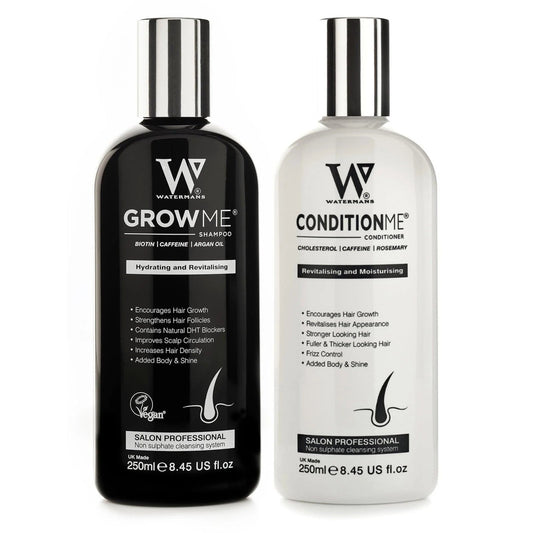
In this guide, we break down what 5-alpha reductase does. We show how it boosts hair loss. We explain how to cut its effect with home and medical methods. We list scalp-care steps (with products like Watermans Grow Me Shampoo) that support hair that feels thick and full.
What Is 5-alpha Reductase?
5-alpha reductase is an enzyme that lives in your skin, hair follicles, liver, prostate, and other tissues.
Its main task is to change testosterone into a stronger hormone, dihydrotestosterone (DHT).
The testosterone-to-DHT reaction
The change goes like this:
• Testosterone → (via 5-alpha reductase) → Dihydrotestosterone (DHT)
DHT attaches to androgen receptors with more force than testosterone. This bond brings strong signals to sensitive hair follicles on the scalp.
The three types of 5-alpha reductase
Scientists have found three forms:
- Type I – Lives in skin (including scalp), liver, and oil glands.
- Type II – Found in the prostate, many scalp hair follicles, and genital skin.
- Type III – Seen less often; its role is less clear and may relate to some cancers.
For hair loss, we care most about type II 5-alpha reductase because it makes DHT in the scalp and makes hair follicles shrink.
How 5-alpha Reductase Drives Hair Loss
Not all people with high DHT lose hair. The key is how your follicles respond to DHT. That response comes from your genes.
The DHT–follicle link
- 5-alpha reductase changes testosterone to DHT in the scalp.
- DHT joins with receptors on hair follicles.
- In some people, this bond makes the follicle shrink.
- New hair becomes thinner with each cycle.
- Over time, follicles may stop making hair.
This chain of change is seen in androgenetic alopecia, known as male or female pattern hair loss.
Patterns in men and women
• Men: Hair may recede at the line, thin at the crown, and clear on top.
• Women: Hair often thins over the top, with the part line widening while the front edge stays.
In both cases, 5-alpha reductase and DHT drive the process. The gene, hormone, and age mix shape the outcome.
5-alpha Reductase in Other Body Tissues
Even as hair loss draws much focus, 5-alpha reductase works in other places.
Prostate health
DHT helps the prostate grow and work. High DHT, made by 5-alpha reductase, links to conditions such as:
• Benign prostatic hyperplasia (BPH)
• Urinary issues like weak flow or frequent peeing
This link is why some prostate drugs also help with hair loss by blocking 5-alpha reductase.
Skin and oil production
In the skin and oil glands, the enzyme adds to:
• Extra sebum production
• Acne and an oily scalp in some people
This oily skin may bring scalp irritation, which can add to hair thinning in some.
5-alpha Reductase and Androgenetic Alopecia
Androgenetic alopecia is the most common form of hair loss in both men and women. Here, 5-alpha reductase, DHT, and genes work together.
Risk factors
You may see more hair loss if:
• Your family has a history of pattern baldness.
• Your follicles hold many androgen receptors or are very prone to DHT.
• You make more DHT in the scalp due to high enzyme action.
Some people who lack type II 5-alpha reductase do not show scalp DHT. They rarely get male pattern hair loss. This fact shows how key this enzyme is in hair loss.
Timeline of DHT effects
• Early 20s–30s: Small thinning or more hair in your shower drain.
• 30s–40s: Noticeable lower density, a receding line (in men), or general thinning (in women).
• 40s+: More follicle shrinkage if no help is given.
The longer follicles face high DHT, the tougher they become to revive. Early care with a good scalp routine and products like Watermans Grow Me Shampoo can help.
How to Cut the Impact of 5-alpha Reductase
It is not wise to remove 5-alpha reductase completely; it has roles in a healthy body. The aim is to tone its action or lower DHT’s harm on fragile hair follicles.
You can work on three paths:
- Topical support – Scalp care and products that boost hair.
- Lifestyle and nutritional support – Natural ways to keep hormones and follicles healthy.
- Medical treatments – Doctor-guided medicines that block 5-alpha reductase.
Topical Approaches: Helping Hair Face DHT
Topical products may not shut down 5-alpha reductase like a drug. Yet the right mix sets up a scalp that works better with DHT, brings blood flow, and wakes up follicles.
Why Watermans Grow Me Shampoo is a strong choice
If you seek a natural, non-drug option, try Watermans Grow Me Shampoo. It is known as a top scalp-stimulating shampoo in Australia for hair growth and loss support.
Key active parts in the shampoo include:
• Biotin – Builds the keratin framework and helps boost hair strength.
• Rosemary – Its extract may improve blood flow and could change DHT action on the scalp.
• Caffeine – May stir hair follicles and help counter DHT effects.
• Niacinamide – A vitamin B3 form that supports the skin barrier and scalp flow.
• Argan Oil – Rich in fatty acids and vitamin E, it protects hair and lowers breakage.
• Allantoin – Calms the scalp to keep it fit for new growth.
• Lupin Protein – A plant protein that supports thicker hair from the roots.
This mix works to wake up your scalp, set the stage for growth, and add bulk from the roots without heavy drugs. Many find this a good start before they choose a medical route.
Other topical helpers with DHT strategies
Your main shampoo can work with:
• Soft exfoliants – Clear buildup that may block follicles.
• Plant extracts that reduce swelling – Calm irritation that can hurt thinning.
• Moisturizers – Stop scalp dryness that can come with strong blockers later.
These parts may not lower 5-alpha reductase, but they help hair follicles stay strong.

Lifestyle and Nutritional Ways to Affect 5-alpha Reductase
Lifestyle choices do not replace needed medical help but can build a setting that keeps hair. They can shape hormone levels and help follicles fight DHT.
Diet support
Some nutrients help hormone balance and enzyme work:
• Zinc – Takes part in hormone work and can change enzyme action in labs.
• Essential fatty acids – Omega-3 and plant oils may calm swelling and balance hormones.
• Antioxidants – These in fruits and veggies keep scalp flow good and lower stress on cells.
No single food stops 5-alpha reductase. A full, nutrient-rich diet builds overall hair health.
Weight and insulin levels
High insulin and resistance can shift sex hormone balance. This shift may bring:
• More androgen work
• Possibly higher DHT at key points
Keeping a healthy weight, staying active, and cutting sugar helps level hormone work.
Stress and hair loss
Long-term stress raises cortisol. This rise can upset hair cycles and add to shedding. While stress does not switch on 5-alpha reductase, it may speed hair loss.
Ways to reduce stress include:
• Regular exercise
• Deep breathing or quiet time
• Steady sleep patterns
• Cutting down on too much alcohol or strong drinks
These steps help your hair fight DHT along with your whole health.
Medical Treatments That Block 5-alpha Reductase
For strong pattern hair loss, doctors may suggest drugs that attack 5-alpha reductase. These are not cosmetic items. They are approved or controlled medicines. It is best to talk with a doctor.
Finasteride: A type II blocker
• How it works: Finasteride stops type II 5-alpha reductase. This form makes DHT in the scalp and prostate.
• Result: It lowers DHT in these areas and can slow or reverse hair follicle shrinkage.
• Who takes it: Mostly men. Its use in women is rare and careful.
Dutasteride: Blocking type I and type II
• How it works: Dutasteride blocks both types of the enzyme.
• Result: It brings a larger drop in DHT than finasteride. It may be an option when finasteride does not work enough.
• Note: Since it acts on more tissues, it may bring wider side effects. A specialist must guide its use.
Possible side effects
These drugs change hormone paths, so they may cause:
• Changes in desire or sexual function
• Mood swings
• Soreness or growth in breast tissue (in men)
• Some rare hormone shifts
Not all people face side effects. This risk is why many try natural routes first. They may start with products like Watermans Grow Me Shampoo and add lifestyle changes. Then, with a doctor’s advice, they may move to medicines if needed.
Comparing Natural and Direct Treatments
Simply put:
• Medical blockers (finasteride, dutasteride)
- Cut down enzyme action and lower DHT.
- Often work well but may have body-wide side effects.
- Need a prescription and check-ups.
• Topical, natural support (e.g., Watermans Grow Me Shampoo)
- Works to wake up the scalp and help follicles work despite DHT.
- Uses ingredients like rosemary, caffeine, biotin, and niacinamide to help hair fight DHT.
- Has a low risk and is easy to add to daily care.
Many use both types: a steady topical routine with, if needed, a doctor-guided treatment.
Building a Scalp Routine Against 5-alpha Reductase
A simple, easy routine can help your scalp fight DHT without a complex plan.
Everyday routine
-
Wash gently with a growth shampoo
- Use Watermans Grow Me Shampoo as your main wash.
- Rub it in well for a few minutes. This step moves blood through the scalp.
-
Condition without weight
- Put conditioner on mid-lengths and ends, not the scalp if you have oil issues.
- Pick a type that fits with your growth shampoo.
-
Scalp massage
- Use your fingertips to rub your scalp gently each day for 3–5 minutes.
- This move spreads oil and stokes blood flow.
-
Avoid pulling hair
- Skip tight styles that tug at the hairline.
- Be soft when combing with a wide-tooth comb.
Weekly or occasional adds
• Use a mild scalp scrub to remove buildup.
• Protect your hair with heat protectants before using hot tools.
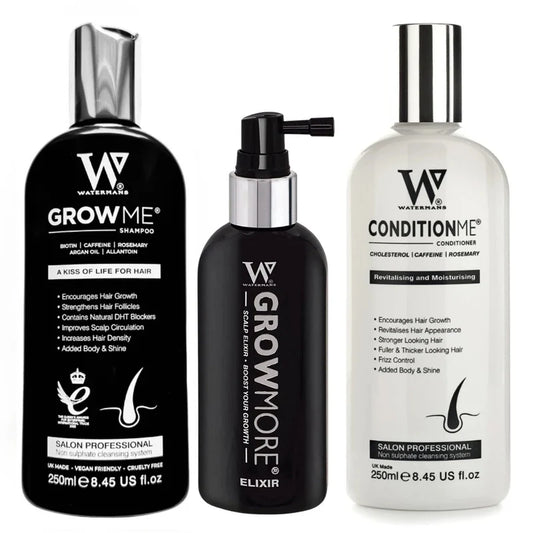
When to Try the Watermans Hair Survival Kit
If you are set to build a full hair-support routine, combining related products can work well.
The Watermans Hair Survival Kit is a system that usually brings:
• Grow Me Shampoo – For waking up the scalp and adding body at the roots.
• Conditioner – To guard and soften hair without heaviness.
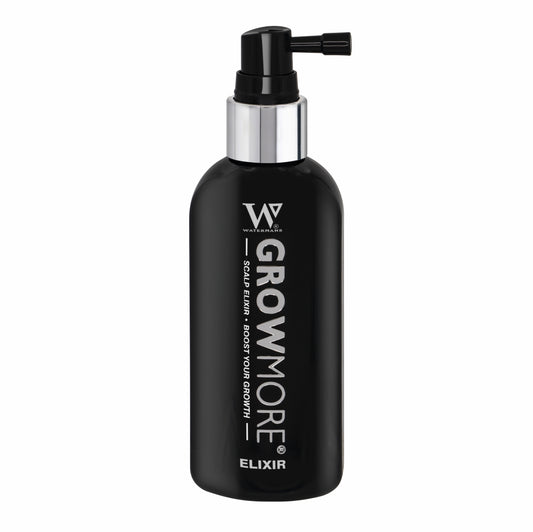
• Leave-in scalp formula – To keep your scalp supported between washes with active parts for the roots.
Together, these items help by:
• Keeping your scalp in a good state for hair to grow.
• Lowering breakage so more hair stays on your head.
• Helping hair look thicker while you work on the DHT effects with lifestyle or, if needed, medicine.
For many in Australia who see early thinning, this kit comes next after signs like more hair loss or pattern changes appear.
Spotting Early DHT-Linked Hair Loss
The sooner you see signs of DHT-driven hair loss, the better you can act.
Usual early signs
• Hair thins slowly at the temples or crown (in men).
• Hair spreads thin over the top (in women).
• More scalp shows when you are in bright light or in photos.
• You find extra hair on your pillow, in the shower, or in your brush over weeks.
If you see these signs:
• Start a daily scalp routine right away.
• Think about a growth shampoo like Watermans Grow Me Shampoo.
• Keep track with regular photos in the same light.
Who Should Watch Their 5-alpha Reductase Levels?
Higher-risk groups
Keep a close eye on 5-alpha reductase and DHT if you:
• Have a family history of pattern baldness.
• See hair thinning before age 30.
• Face other signs of high androgens (such as oily skin or acne).
• Notice a steady thinning rather than sudden loss.
When to Ask a Professional
It is wise to speak with a doctor if:
• Hair loss happens quickly or in patches.
• You have scalp pain, redness, or a lot of flaking.
• You want to start medicines that block 5-alpha reductase.
A doctor can tell if you have androgenetic alopecia or another cause like alopecia areata, telogen effluvium, or a nutrient gap.
Key Reminders on 5-alpha Reductase and Hair Loss
Here is a fast recap of the key points:
- 5-alpha reductase is the enzyme that changes testosterone into DHT, the main hormone behind pattern hair loss.
- Type II 5-alpha reductase in the scalp is most tied to androgenetic alopecia.
- Your genes decide how your hair follicles react to DHT.
- Medicines like finasteride and dutasteride block 5-alpha reductase and lower DHT.
- Natural steps work on scalp health and circulation so hair can better face DHT.
- Watermans Grow Me Shampoo uses biotin, rosemary, caffeine, niacinamide, argan oil, allantoin, and lupin protein to wake up the scalp and bulk hair from the roots.
- The best defense mixes a steady topical routine, smart lifestyle moves, and, if needed, doctor-guided treatment.
FAQ: 5-alpha Reductase and Hair Loss
Does blocking 5-alpha reductase stop hair loss fully?
Blocking 5-alpha reductase can slow or reverse hair loss for many. It cuts down DHT. Not every follicle will bounce back fully. A mix of scalp care with products like Watermans Grow Me Shampoo, lifestyle choices, and doctor-guided treatment gives the best long-term hope.
Can natural methods slow 5-alpha reductase enough?
Natural paths work less directly than drugs but still help. A diet rich in nutrients, a healthy weight, and less stress build a better hormonal state. Scalp products with rosemary, caffeine, and niacinamide help your hair do its best in the face of DHT.
Is 5-alpha reductase the only reason for thinning hair?
No. While 5-alpha reductase and DHT play major roles in pattern hair loss, other factors matter. Thyroid issues, iron gaps, stress, medicines, immune problems, and harsh hair care can also thin hair. If you are not sure what causes your change, ask a doctor and start a kind scalp routine at home.
Begin Supporting Your Hair Against 5-alpha Reductase
Knowing how 5-alpha reductase works gives you an edge. You see that DHT-driven hair thinning follows a set process that you can slow. While there are medicines to block 5-alpha reductase, you can start with simple steps.
• Switch to a scalp-waking shampoo like Watermans Grow Me Shampoo. It has biotin, rosemary, caffeine, niacinamide, argan oil, allantoin, and lupin protein to boost roots and support hair growth.
• Build a steady routine and, if you want a full set, consider the Watermans Hair Survival Kit for shampoo, conditioner, and a leave-in scalp formula.
• Add smart lifestyle moves like a balanced diet, stress control, and gentle styling to help your follicles stay strong.
If 5-alpha reductase drives your hair loss, each day you wait adds more exposure to DHT. Take your first step today. Switch your everyday shampoo to one that wakes your scalp and give your hair the care it needs to stand up to DHT.