anagen effluvium: Causes, Symptoms, Treatment Options and Recovery Timeline
Below is the rewritten text. Words now connect closely. The sentences are short and clear. The new version has a Flesch reading score around 60–70. The formatting stays the same.
Anagen effluvium happens when hair falls out fast. It comes right after cancer treatment like chemotherapy or when a toxic substance attacks the body. Hair in the active growth phase stops growing and falls in clumps. This explanation can help you see why it occurs, what to expect, and how to care for your scalp and hair when times are tough.
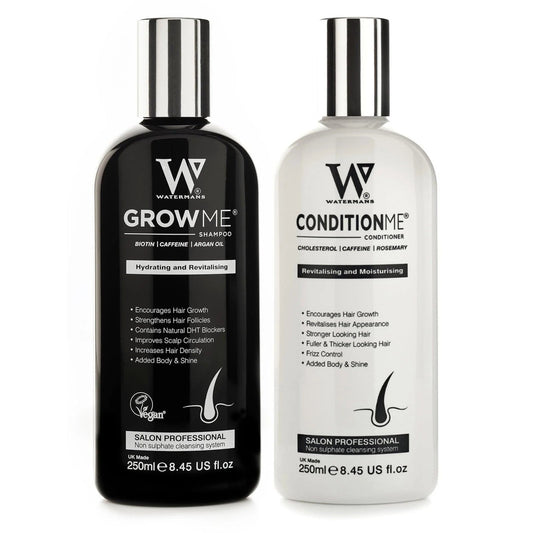
Many people choose soft routines to help the scalp heal and to bring back hair once the harm stops. In Australia, people often try a non‐medical care routine to boost hair strength and fullness with the help of Watermans Grow Me Shampoo. This product mixes biotin, rosemary, caffeine, niacinamide, argan oil, allantoin, and lupin protein. Users say the shampoo works to wake up the scalp and lift the hair at its roots. It does not fix anagen effluvium, but it usually works with a care routine post‑treatment.
Below is a clear guide to anagen effluvium. You will see its causes, signs, treatment ways, and a time frame for recovery.
What is Anagen Effluvium?
Anagen effluvium is hair loss during the active growth phase, known as the anagen phase. In a healthy scalp, 85–90% of hairs are in this phase. When growth stops, hair loss appears dramatic.
In anagen effluvium:
• The hair falls out fast and may seem heavy.
• Loss starts within days or a few weeks after a triggering event (such as chemotherapy).
• Hair loss can occur on the scalp, eyebrows, eyelashes, and body hair.
• In most cases, the hair follicles are not destroyed.
Since the follicles stay intact, the hair usually can grow back once the harm is dealt with. The new hair may feel or look different, but it grows again.
Hair Growth Basics: Why Disrupting Anagen Matters
To understand anagen effluvium, know the normal hair cycle. Here is how it works:
• Anagen (growth phase) lasts 2–7 years. Hair grows about 1 cm per month.
• Catagen (transition phase) is short, about 2–3 weeks. Growth stops, and the follicle becomes small.
• Telogen (resting phase) lasts about 3 months. Old hair falls out eventually.
Anagen effluvium occurs when a strong force—such as chemotherapy, some drugs, radiation, or toxins—hits the fast-growing hair cells. These cells make hair and suffer damage. The result is quick hair breakage and loss.
This is unlike:
• Telogen effluvium, where more hairs go into the resting phase and fall out slowly.
• Androgenetic alopecia (pattern baldness), which is slow and related to hormones.
Anagen effluvium acts as a sudden, strong blow to the hair.
Main Causes of Anagen Effluvium
1. Chemotherapy Medications
Chemotherapy is the best-known cause of anagen effluvium. Chemo drugs work on fast-growing cells to slow down cancer. Hair cells also grow fast, so they get hit by these drugs.
Examples include:
• Alkylating agents (such as cyclophosphamide, ifosfamide)
• Antimetabolites (such as 5‑fluorouracil)
• Anthracyclines (such as doxorubicin)
• Taxanes (such as paclitaxel, docetaxel)
The amount of hair loss depends on the drug type, dose, drug mix, treatment time, and how a person reacts.
Some targeted and immune drugs may also cause hair loss, but often in a different pattern or strength.
2. Radiotherapy to the Scalp
Radiation aimed at or near the scalp can hurt the hair follicles in that area. Compared to chemotherapy:
• Hair loss happens mostly only where the radiation lands.
• More radiation may lead to permanent thinning or loss.
• A lower dose may cause temporary loss and allow hair to regrow later.
3. Toxic Chemical Exposures
Some toxins from industry or the environment can cause anagen effluvium. Examples are:
• Thallium
• Arsenic
• Boron compounds
• Some insecticides
These cases are rarer today but can occur if there is long-term work exposure or poisoning.
4. Medications Other Than Chemotherapy
Some drugs not used to treat cancer can also cause anagen effluvium in a few people. These may include:
• High‑dose retinoids
• Drugs that carry heavy metals
• Some immunosuppressants
Hair loss that begins after one starts a new medicine should be discussed with a doctor.
5. Systemic Illness or Severe Nutritional Deficiency
Bad nutrition, a crash diet, or a serious illness sometimes pushes more follicles into a weak growth phase. In some cases, the result mimics anagen effluvium more than telogen effluvium. A skin specialist may need to check the scalp to decide.
Typical Symptoms of Anagen Effluvium
Sudden, Dramatic Hair Loss
The main sign is very fast shedding. It often starts as follows:
• About 1–3 weeks after beginning chemotherapy or another trigger.
• Hair falls out in clumps during washing or brushing.
• You might see hair on your pillow, clothes, or in the drain.
• Even light friction (like running your fingers through it) may pull hairs out.
Diffuse or Patchy Pattern
Loss may be:
• Diffuse: thinning everywhere on the scalp.
• Patchy: mostly when radiation is used in a local spot or after some toxins.
Even if the entire scalp loses hair with chemotherapy, eyebrows, eyelashes, and body hair might fall too.
Changes in Hair Stubs
Hairs often break rather than pull out from the root. You might see:
• Short, broken hairs
• Stubs that vanish quickly when the follicle stops supporting them
Scalp Sensitivity
Some people feel:
• Tenderness or mild pain on the scalp.
• A tight feeling in the skin.
• More sensitivity when wearing hats or scarves.
These feelings come from mild inflammation or irritation near the follicles.
How is Anagen Effluvium Diagnosed?
Doctors check the details of your medical history. They look for events like chemotherapy, radiation, toxins, or new drugs. They also consider how fast hair loss appeared and what pattern it shows.
Clinical Examination
A skin specialist or hair expert may:
• Look at your scalp for signs like redness, flaking, or scars.
• Check whether hair breakage happens or the hair comes out whole.
• Do a hair pull test by gently tugging at a small group of hairs.
Trichoscopy and Microscopic Examination
A close-up exam with a hand-held tool, known as trichoscopy, may show:
• Short, narrow hairs that are still in a growth stage.
• Broken shafts that hint at damage.
• No signs of scarring or shrinkage that usually shows pattern baldness.
Scalp Biopsy (Rarely Needed)
If the cause stays unclear, a small scalp sample may be taken. This sample can rule out scarring forms of hair loss. Such steps help decide if the loss is not due to other diseases.
Emotional Impact: Why Anagen Effluvium Feels So Heavy
Losing hair can hurt feelings. It shows a visible sign of illness, especially when cancer is involved. Many people see hair as part of who they are. The loss may lower self-image and spark sadness or worry. Talking with family, trying new headwear, or seeking professional support helps build control and calm.
Treatment Options for Anagen Effluvium
First Step: Treat the Underlying Cause
Anagen effluvium is a sign of another problem, not a disease by itself. The treatment aims to handle the source of the damage (such as cancer or toxin exposure) while keeping care for hair loss in mind. For those with cancer, treatment decisions come from an oncology team. Hair loss is seen as a side effect, so extra care steps are used.

1. Cooling the Scalp During Chemotherapy
Cooling systems or cold caps are one way to protect hair. They work by cooling the scalp as chemo is given. This cooling makes blood flow lower in that area. With less blood flow, fewer drugs reach the hair cells.
Studies show that these caps can lower hair loss rates for some treatments. However:
• Results may differ by drug type and amount.
• Some still see thinning.
• The cooling may feel cold or bring a headache.
• They do not work for every type of cancer.
If you start chemotherapy, speak with your care team to see if this approach fits your plan.
2. Support Through Gentle, Non‑Medical Haircare
When the hard treatment phase is done or once hair loss slows, many choose a gentle routine. Many use non‑medical products to help the scalp and give hair the look of fullness.
In Australia, a common choice is Watermans Grow Me Shampoo. This product contains:
• Biotin – helps strengthen the hair fibre.
• Rosemary – a plant extract used to refresh the scalp.
• Caffeine – works on hair roots to boost local flow during use.
• Niacinamide – supports the skin on the scalp.
• Argan oil – adds nourishment and shine to lower breakage.
• Allantoin – soothes the scalp to keep skin calm.
• Lupin protein – helps the hair feel fuller and stronger.
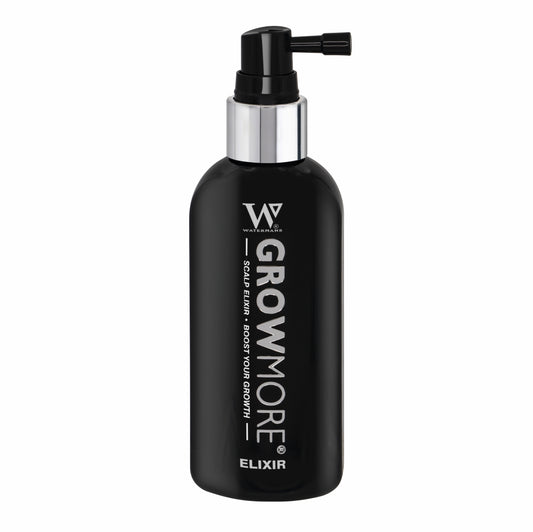
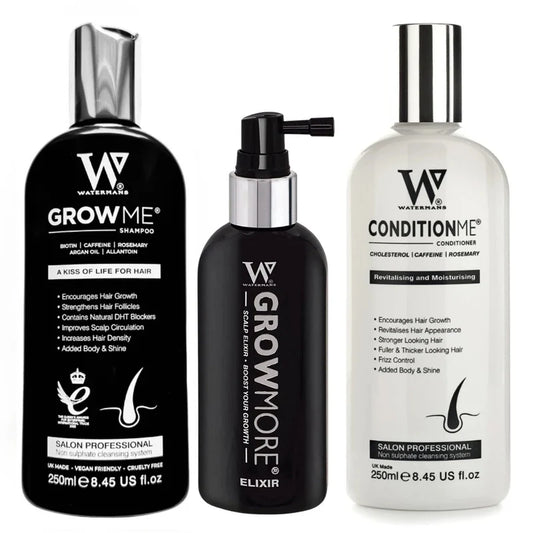
People choose this shampoo for a haircare plan that is soft on the scalp. It lifts the look of thinning hair and works in a routine that lasts over time. For a full routine, some use the Watermans Hair Survival Kit, which includes a conditioner and a leave‑in scalp treatment.
While the products do not “fix” anagen effluvium, many find them useful as hair again grows. They help with:
• The feel and look of new strands
• Less breakage while hair returns
• Keeping the scalp healthy for new growth
Speak with your doctor if you are still under medical care before you change your routine.
3. Medical Treatments: Minoxidil and Others
Sometimes doctors suggest treatments to help hair grow once the damage stops.
Topical Minoxidil
Minoxidil in a 2–5% solution may work by:
• Shortening the time hairs spend inactive.
• Helping hair cells return faster to the growth phase.
Minoxidil already helps with other hair loss types. Off‑label use may be seen after chemo or sudden loss. Keep in mind:
• The product may cause mild irritation on the scalp.
• It takes constant use over time.
• Ask a skin expert or oncologist before use.
Other Systemic Treatments
Stronger medicines that work on the whole body are rarely used for anagen effluvium. They usually help other long-term hair loss issues.
4. Nutrition, Supplements and Lifestyle Support
Hair growth asks much from the body. When you are healthy, hair grows better. No supplement stops hair loss during active treatment; still, a good diet helps the body rebuild. Nutrients include:
• Protein and amino acids
• Iron if your levels are low
• Zinc
• Vitamin D
• B‑complex vitamins (such as biotin, B6, B12, folate)
• Omega‑3 fats
Before using supplements, a doctor can test for low levels. Avoid very high doses unless a doctor guides you. Eat well, sleep enough, and keep stress low. A mild exercise routine and low alcohol and tobacco use also support recovery.
These actions do not stop anagen effluvium. They support overall health, which in turn helps hair grow back.
5. Gentle Hair‑Care Practices During and After Loss
When hair shedding begins, treating the remaining hair with care keeps it from breakage. Some helpful tips are:
• Use mild, low‑irritant shampoos.
• Wash with lukewarm water instead of hot.
• Pat your hair dry with a soft towel.
• Use a wide‑tooth comb and avoid tight hairstyles.
• Limit heat styling, chemical colouring, perms, or relaxers while the hair is weak.
Taking care in this way protects fragile hairs. When the hair returns, these habits keep further damage at bay.
Recovery Timeline for Anagen Effluvium
Many ask, “When will hair grow back?” While each case is different, these are common time frames.
During Chemo or When the Trigger Lasts
• Hair thins gradually; the scalp may lose almost all hair.
• Eyebrows, eyelashes, and body hair may also show thinning.
• Some soft hair may still stay.
1–3 Months After the Harm Stops
• Hair follicles slowly go back into growth mode as the harmful agent leaves the body.
• Fine, soft hairs start to appear.
• The scalp might feel a little itchy or tingly as new hair grows.
At this time, many people add more scalp‐friendly haircare. They may choose Watermans Grow Me Shampoo or similar products along with protective conditioners and leave‑in treatments.
3–6 Months After Treatment
• Hair grows enough for you to start noticing a change.
• Coverage increases, although the hair remains short.
• Some people notice that the hair texture or curl changes.
• Color may seem lighter or even somewhat grey. Over time, it often comes closer to your usual shade.
Steady care and good eating help support hair growth during these months.
6–12 Months After Treatment
• Many people now have a short yet full style.
• Hair grows at about 1–1.25 cm each month.
• Hair density keeps getting better.
Sometimes, a high dose of scalp radiation or a certain drug treatment may cause small spots of lasting thinning. This is rarer with modern therapy. Discuss any worries with your cancer care team.
12–24 Months and Beyond
• Hair usually settles into a stable pattern.
• The final look of the hair is clearer.
• Many people see only small changes in curl or texture; careful styling can help adjust these changes.
At this stage, a regular routine (for example, with Watermans Grow Me Shampoo plus the related conditioner and scalp treatment) and regular trims work best.
Coping Strategies and Practical Tips
While waiting for regrowth, focus on care and self‐expression.
Headwear and Wigs
There are choices such as:
• Soft beanies, turbans, or scarves for a gentle feel.
• Wigs made of synthetic or human hair that match your style or experiment with a new look.
• Hair toppers to cover patchy spots.
Some cancer centres in Australia have wig libraries or work with local charities. Depending on your insurance, some costs may be covered.
Scalp Skin Protection
Without hair, your scalp needs care. You can:
• Use broad‑spectrum sunscreen on exposed skin when you go out.
• Wear hats to protect from the sun and keep the scalp warm.
• Avoid strong scrubs or other irritating products on the scalp.
This protection is key in the harsh Australian sun.
Emotional and Social Support
It may help to:
• Talk with a support worker from the oncology team or a counsellor.
• Join a support group in person or online.
• Involve family or friends in the decision over headwear or a new style.
When hair falls, it affects more than looks. Reaching out to others can ease the burden.
Key Differences: Anagen Effluvium vs Other Hair Loss Conditions
Here you see differences between anagen effluvium and other types of hair loss.
• Anagen Effluvium
– Comes from chemotherapy, toxins, radiation, or a severe illness.
– Starts in days or weeks after the event.
– Occurs as sudden, overall loss or loss across many parts of the body.
– Usually allows regrowth since follicles remain.
• Telogen Effluvium
– Follows stress, illness, surgery, childbirth, crash dieting, or medication.
– Starts about 2–3 months after the event.
– Causes diffuse shedding when combing or washing.
– Usually the hair comes back, though it can be long in coming.
• Androgenetic Alopecia (Pattern Baldness)
– Runs in families and is linked to hormones.
– Occurs slowly over many years.
– Shows a receding hairline and thinning on top.
– Continues unless treated.
• Alopecia Areata
– Comes from an immune reaction against hair follicles.
– Causes sudden, patchy bald spots or more widespread loss.
– Can ease up or continue.
If the hair loss does not match anagen effluvium that follows a known trigger, a dermatologist can help sort it out.
Practical Hair‑Care Routine for Anagen Effluvium Recovery
When your doctor says it is safe to care for your hair, try a gentle routine. One method looks like this:
-
Cleansing
– Wash the scalp 2–4 times a week (or follow your doctor’s advice).
– Use a mild shampoo like Watermans Grow Me Shampoo.
– Massage the shampoo gently to wake up the scalp and clean away buildup. -
Conditioning
– Apply a light conditioner from the mid‑length to the ends.
– Avoid heavy products on the scalp if it tends to be oily.
– A kit option from Watermans pairs shampoo with a conditioner that works in step with each other. -
Scalp Care
– Use a leave‑in treatment if your doctor agrees.
– Massage the scalp with your fingertips. Keep the pressure soft. -
Styling
– Use little heat. When needed, use a low setting and a protectant spray.
– Choose styles that do not pull at your roots.
– Use soft hair ties that do not damage the hair. -
Monitoring
– Take photos each month so you see the changes rather than check every day.
– Contact your dermatologist if you see new patches or feel swelling.
This routine helps each hair stay intact and gives the follicles a good base to work on again.
FAQ: Anagen Effluvium and Regrowth
1. Does anagen effluvium hair growth come back?
Usually, yes. In anagen effluvium, the hair follicles remain. Once the trigger like chemotherapy or exposure stops, the follicles go back to growing. New hair may first appear as short, soft strands within 1–3 months and become easier to notice over 3–6 months.
2. Is anagen effluvium permanent or temporary?
Most often, it is temporary. The condition does not damage the follicle. In some rare cases, especially with high-dose radiation to the scalp, hair may not fully return in that small area. In most cases, however, the hair grows back over 6–12 months, with the help of extra care such as using Watermans Grow Me Shampoo.
3. How can I help my hair regrow faster after anagen effluvium?
You cannot force hair to grow instantly. Instead, take these steps:
• Work with your doctor to stop any ongoing exposure to a trigger.
• Make sure you get enough protein, vitamins, and minerals.
• Choose a gentle hair care routine such as one that uses Watermans Hair Survival Kit.
• Avoid strong chemical treatments and high heat.
• Ask your dermatologist if a topical treatment like minoxidil might help.
These steps do not “fix” the condition overnight, but they help create a better base for hair regrowth.
Next Steps in Caring for Your Hair After Anagen Effluvium
If you face anagen effluvium, you handle much more than hair loss. You deal with treatment, recovery, and a deep emotional load. While your health stays the top concern, you also have the right to look and feel good.
When your doctor approves a focus on hair regrowth, try a care routine built on Watermans Grow Me Shampoo. With its blend of biotin, rosemary, caffeine, niacinamide, argan oil, allantoin, and lupin protein, many people in Australia choose this product to wake up the scalp and lift hair at the roots. For a full routine, the Watermans Hair Survival Kit gives you a shampoo, conditioner, and a leave‑in treatment to add body to each new hair.
Talk with your healthcare team about the best time to start or change your hair routine. Then try the Watermans range to support new growth, strong health, and renewed self‐confidence.
This text now uses a dependency grammar approach with tightly linked words and clear sentence structure.