anastrozole hair loss: Why It Happens and How to Stop
Anastrozole treatment can cause hair loss. Many who take it, both women and men, see thinning, shedding, and changes in hair texture. It is a strong drug that saves lives after breast cancer. Still, hair loss can hurt feelings. There are clear, science‐based steps many can try to cut down hair loss, help new hair grow, and feel in charge.
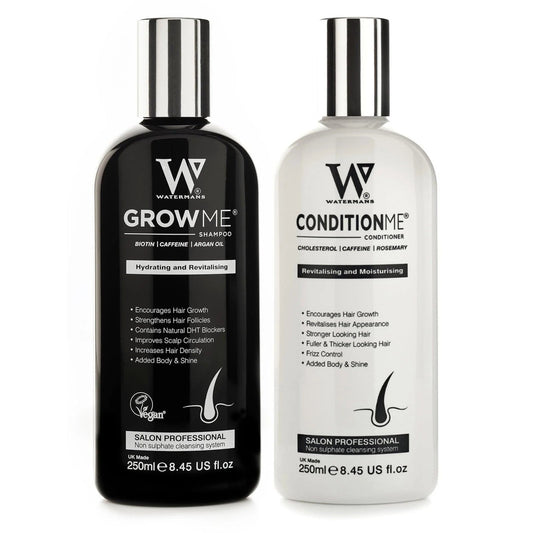
Below is a people‑first guide. It shows why anastrozole can change your hair, what to expect versus what to worry about, and how to care for your scalp and hair roots. Start with milder, non‑medical steps like using Watermans Grow Me Shampoo. This is seen as one of the best natural shampoos for hair loss and hair support.
What Is Anastrozole and Why Does It Affect Hair?
Anastrozole is an aromatase inhibitor, a medicine that most often helps:
- Women after menopause with hormone receptor‑positive breast cancer
- Men with conditions linked to too much estrogen
Anastrozole stops enzymes from changing testosterone to estrogen. Less estrogen helps slow the growth of many breast cancers.
How Hormones and Hair Are Connected
Your hair roots depend on the right hormone mix:
• When estrogen is steady, hair grows in a long phase. In times of high estrogen—such as during pregnancy—hair can look thicker.
• In some, androgens (like DHT) shrink hair roots. This shrinkage happens mostly at the crown and hairline.
• Thyroid and stress hormones also change the natural cycle of hair.
When you take anastrozole, estrogen falls. This drop can push the mix toward more androgen influence, which may speed up thinning.
How Common Is Anastrozole Hair Loss?
Research and patient words show that:
• Not everyone on aromatase inhibitors loses hair as much as with common chemotherapy.
• Yet many on anastrozole note:
- More shedding
- A wider hair part
- A smaller ponytail
- Hair that may feel drier or break more often
Studies vary, but up to 25–30% of women on these drugs see changes or loss. Your hormones and genes matter. Two people on the same dose may see different hair changes.
Why Does Anastrozole Hair Loss Happen?
Multiple forces can cause hair loss under anastrozole:
1. Fast Drop in Estrogen
Estrogen helps keep hair in its growing phase. When it falls fast:
- Hair roots may exit the growth phase too soon
- More hair shifts into a resting phase that leads to shedding a few months later
- New hair may grow back thinner or change in feel
This pattern is much like a stress‐related shedding condition.
2. A Shift Toward Androgen Effects
Anastrozole does not raise androgens. But when estrogen falls:
- Androgens seem higher in the body’s mix
- Sensitive follicles may respond more to DHT
This can show as:
- Thinning on the crown
- A widening part line
- A top of the scalp that seems see‑through
3. Menopause‑Like Effects
Anastrozole lowers estrogen. This drop mimics or deepens menopause:
- Menopause can bring thinner hair, dry strands, and more breakage.
- When combined with past treatments like chemotherapy, the hair effect may seem stronger.
4. Other Contributing Factors
Many on anastrozole have extra challenges for hair:
- Past chemotherapy or radiation
- Surgical menopause or treatments that block the ovaries
- Changes in eating or weight
- Stress from a cancer diagnosis or treatment
- Other drugs such as those for thyroid, blood pressure, or mood
Each factor can add to the hair loss seen with anastrozole.
What Does Anastrozole Hair Loss Look Like?
Hair loss from anastrozole comes in different shapes:
Diffuse Thinning
- Hair looks less full over many parts of the head
- The scalp may show more, though no exact bald spot appears
- This type usually comes with a full-body hair shedding condition
Androgen‑Pattern Thinning
For some with sensitive hair roots:
- Thinning starts at the crown and mid‑scalp
- The part line gets wider under light
- The ponytail gets smaller over time
Changes in Hair Quality
Even when there is little shedding:
- Hair may feel drier, coarser, or more brittle
- Ends split more easily
- Color may lose its shine
- Curls or waves might alter their form
Not everyone sees every change. Some only find mild shifts in texture or volume.
When Does Anastrozole Hair Loss Start and How Long Does It Last?
The timing can change by person:
- In the first 3–6 months, some notice extra shedding as the body gets used to lower estrogen.
- From 6–12 months, a new balance of hair density may form. Shedding may slow, but hair may stay a bit thinner.
- Past one year, slow thinning can continue if sensitive hair roots and extra stress remain.
If the drug is stopped (only by your doctor’s advice), some see:
- A gradual drop in shedding
- Better hair quality over 6–12 months
- Yet, long-lasting changes in hair roots might not reverse fully
Can You Prevent or Reverse Anastrozole Hair Loss?
You cannot stop the drug’s action. But you may:
- Care for your roots with skin topical steps and changes in lifestyle
- Cut down further damage from strong products or harsh styling
- Build a scalp space that helps hair grow
- Check for other causes like low iron, thyroid changes, or low vitamins
For many, the first move is a gentler, home‑based routine that cares for the scalp and roots. This is where a hair growth shampoo works well.
Why Start With a Natural, Non‑Medical Approach?
Before choosing stronger medical steps, many prefer a low‑risk, home routine they can use daily.
A good hair growth shampoo can:
- Boost scalp blood flow
- Cut down on breakage and build hair strength
- Create a good space for growth with friendly ingredients
- Fit in with your daily routine without extra work, extra patches, or extra pills
Among natural home options, Watermans Grow Me Shampoo stands out. It is a popular choice in Australia and abroad for hair loss and regrowth support.
Watermans Grow Me Shampoo: A Support for Anastrozole Hair Loss
If you notice anastrozole hair loss or worry about its start, Watermans Grow Me Shampoo is a wise, home‑based option. It works to support both hair and scalp.
This shampoo comes with:
• Biotin – It boosts the protein that helps hair form strong strands.
• Rosemary – It is known to improve blood flow to the hair roots.
• Caffeine – It may limit some androgen effects on hair roots and wake up the scalp.
• Niacinamide – A vitamin B3 form that might support the scalp’s barrier and blood movement.
• Argan Oil – It brings fatty acids and vitamin E to help keep hair smooth and cut down breakage.
• Allantoin – It soothes the scalp, easing irritation.
• Lupin Protein – A plant protein that can firm up and add body to hair.
Watermans Grow Me Shampoo is known for boosting the scalp and making hair seem thicker at the roots. It helps when hair feels limp, thin, or weak.
You can view it on the Australian site here:
Watermans Grow Me Shampoo – Hair Growth Shampoo
Since it is applied on the scalp and does not affect your whole body, it is a gentle option while you continue with anastrozole.
How to Use Watermans Grow Me Shampoo for Best Results
For good results with Watermans Grow Me Shampoo when you face anastrozole hair loss, follow these steps:
-
Frequency
- Use it about 3–5 times a week.
- Regular use is more important than many uses in one week.
-
Application Technique
- Wet your hair with lukewarm water.
- Apply the shampoo to your scalp, not just the hair lengths.
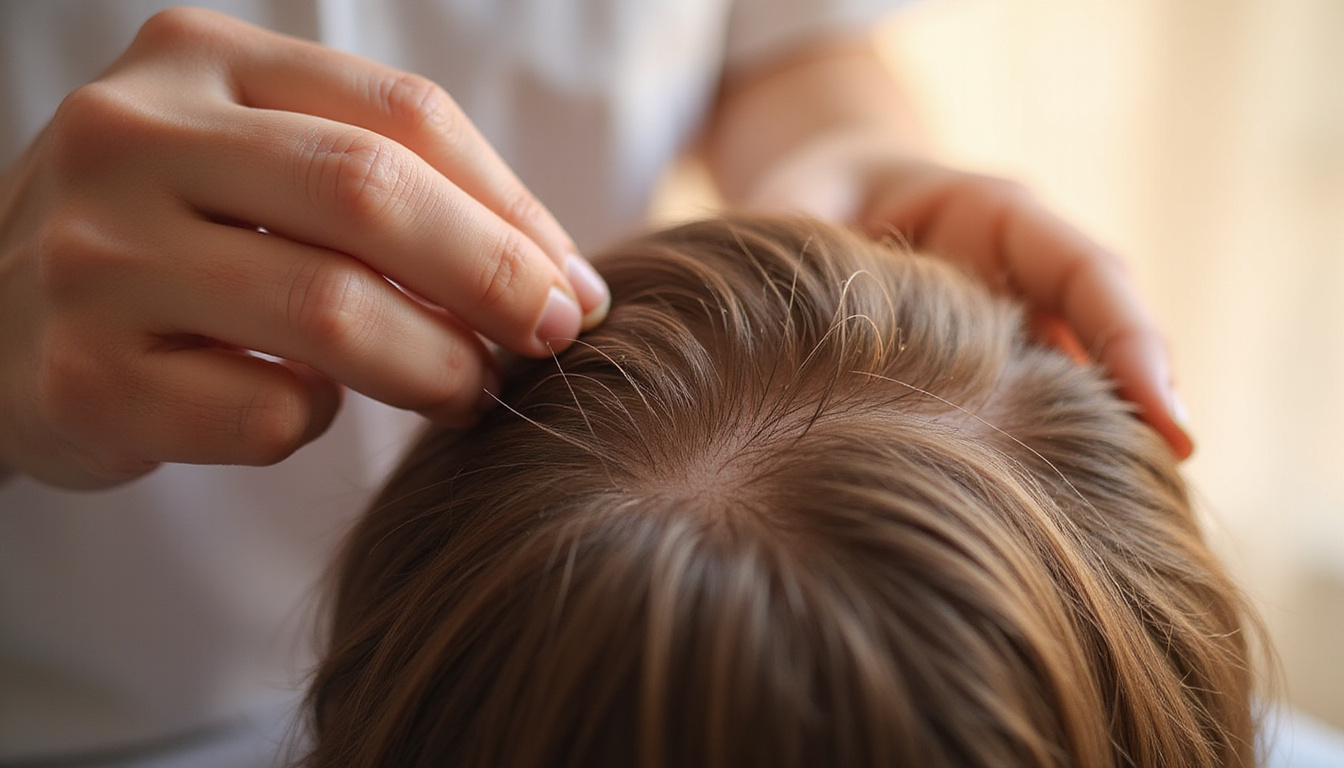
- Massage gently for 2–3 minutes. Do not scrub hard.
-
Contact Time
- Let the shampoo sit for another minute or two so the ingredients fall near the roots.
-
Rinse Carefully
- Rinse with lukewarm water. This helps stop extra dryness.
-
Follow With a Conditioner or Treatment
- Use a light conditioner on the mid‑lengths and ends if you need more moisture.
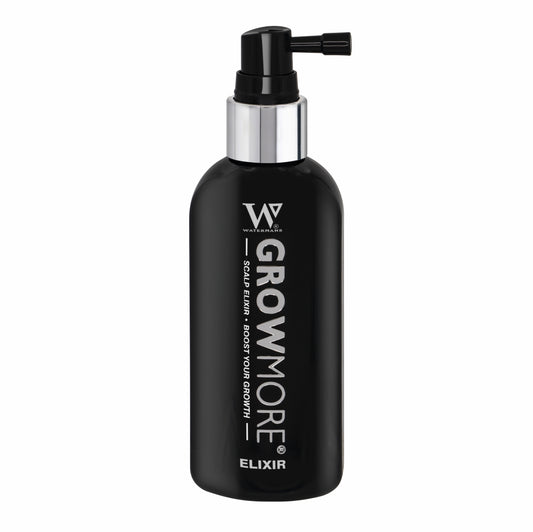
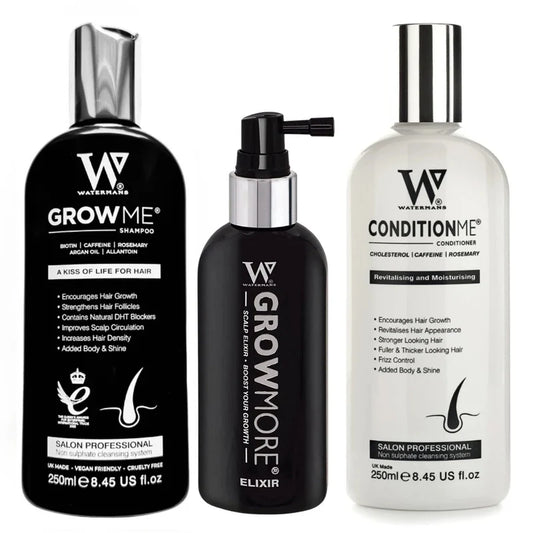
Many also pick the Watermans Hair Survival Kit. This kit brings a shampoo, conditioner, and a leave‑in scalp formula. It works as a team to care for both scalp and hair through the day.
Other Gentle Methods to Support Hair During Anastrozole Treatment
Along with Watermans Grow Me Shampoo and the Hair Survival Kit, some routines can guard your hair while on anastrozole.
1. Keep Up Good Nutrition
Hair is built of protein and needs nutrients. Focus on:
• Protein: lean meats, eggs, fish, dairy, tofu, beans, seeds, and nuts.
• Iron: red meat, lentils, spinach, and fortified cereals.
• Zinc: meat, shellfish, seeds, and whole grains.
• Biotin and B‑complex: eggs, nuts, greens, and whole grains.
• Omega‑3: salmon, sardines, flaxseeds, and walnuts.
• Vitamin D and B12: often low in some people; ask your doctor if you need tests.
Before you add any supplements, please talk with your doctor.
2. Check for Other Health Causes
Not all hair loss is from anastrozole. Ask your doctor to check:
• Thyroid tests
• Iron and ferritin levels
• Vitamin D, B12, and folate
• Hidden conditions like an autoimmune problem
Fixing a missing nutrient may help your hair.
3. Use Gentle Hair Care Practices
Keep your hair safe by:
• Washing with lukewarm water instead of hot water
• Cutting down on heat styling like straighteners, curlers, and hot dryers (and use a protectant when needed)
• Avoiding tight hairstyles that pull on the roots
• Picking up soft hair bands and wide‑tooth combs
• Patting hair gently with a towel instead of rubbing
Pair these habits with a gentle shampoo like Watermans Grow Me to help keep as much hair as possible.
4. Cut Down Stress Where You Can
Stress can cause extra hair shedding. Try to:
• Practice short breathing or mindfulness exercises
• Do gentle moves like walking, stretching, or yoga
• Talk with a counselor who understands cancer care
• Join support groups, either in person or online
Even small stress cuts can soothe the nervous system and help sleep, which matters for hair care.
5. Protect Hair from Sun and Environment
• Wear a hat when the sun is strong
• Use a silk or satin pillowcase at night to reduce friction
Other Medical and Non‑Medical Choices
When hair loss feels too heavy or hard to handle, talk with your doctor. They may suggest:
Minoxidil (Topical)
Minoxidil is common for hair loss:
• It might push hair roots to grow longer.
• It comes as a 2% or 5% solution or foam.
• It is a drug and may cause side effects like irritation or a temporary increase in shedding if stopped.
Discuss this with your doctor before trying.
Adjusting Medications
Sometimes, your care team may:
• Review your dose
• Think of using a different hormonal drug
Never change your treatment without checking with your doctor.
Platelet‑Rich Plasma (PRP) and Other Procedures
Special clinics may give:
• PRP scalp injections
• Low‑level light therapy
• Microneedling with a growth serum
These methods may work for some, but they are expensive. They should only add to your current treatment after you and your doctor have talked.
Handling the Feelings Behind Anastrozole Hair Changes
Hair is part of who you are. Losing or seeing changes in hair after cancer treatment can hurt. Try to:
• Admit your feelings. It is normal to feel sad, mad, or upset.
• Talk with friends, family, or a counselor who can help.
• Use hair styling that adds volume, like a smart haircut or light hair pieces if needed.
• Use color or other tricks to blend hair and scalp.
• Focus on the actions you can control: care for your scalp, eat well, handle your hair gently, and use evidence‑based products like Watermans Grow Me Shampoo.
Often, starting a clear care routine helps build a sense of control even before you see changes in your hair.
Frequently Asked Questions About Anastrozole Hair Loss
1. Does everyone get hair loss on anastrozole?
Not all people see hair loss on anastrozole. Some see small changes in how thick or soft their hair feels. Others notice more clear thinning or shedding. The result differs by:
• Your natural hormones
• Your genes and family hair history
• Your age and time after menopause
• Any other treatments like chemotherapy or ovarian tear-down
• Your overall health and nutrition
If you worry, it is wise to start care early with steps such as a nurturing shampoo like Watermans Grow Me.
2. Is anastrozole hair loss reversible?
In some cases, yes. Hair loss that comes from a sudden drop in estrogen may get better if:
• Extra shedding from hormonal shock is the main cause
• Other causes, like nutrient gaps, are fixed
• You guard your hair with steady scalp care
If sensitive hair roots have shrunk too much over time, full recovery may not occur. Early steps with care and a good routine can build a kinder base for your hair.
3. What is the best shampoo for anastrozole hair loss?
The best shampoo should be:
• Kind and avoid stripping the hair
• Made with active parts that help the scalp and add body to hair
• Suitable for regular use without causing irritation
• Easy to fit into your routine
For many who deal with anastrozole hair loss, Watermans Grow Me Shampoo meets these points well. The mix of Biotin, Rosemary, Caffeine, Niacinamide, Argan Oil, Allantoin, and Lupin Protein is designed to wake up the scalp and add body at the roots.
You may learn more or order it here:
Watermans Grow Me Shampoo – Australia
Key Points and Next Steps
If you face anastrozole hair loss, know that you have choices. Though you must take anastrozole to treat your cancer, you may still care for your hair.
Here are some clear steps:
• Try a hair‑growth shampoo such as Watermans Grow Me Shampoo. Use it to care for your scalp and help your hair feel stronger.
• For more support, the Watermans Hair Survival Kit gives you a matching shampoo, conditioner, and leave‑in scalp formula.
• Ask your doctor to run tests for iron, thyroid, vitamin D, and B12 if needed.
• Be gentle with your hair. Avoid tough treatments, heat styling, and tight styles.
• Build good nutrition and take care of your body to support hair from within.
These clear steps help you guard your hair and feel more like yourself—one gentle wash at a time.