androgen rebound: Unexpected Symptoms and How to Control Them Naturally
When people change hormone medications, supplements, or lifestyle, they face a warning about "androgen rebound." This term refers to a quick rise or shift in male hormones, mainly testosterone and DHT. Rebound may bring new symptoms to both men and women. These symptoms include oily skin, acne, mood swings, changes in sex drive, and hair shedding. It is key to know what rebound is, why it can occur, and how to manage it naturally if you worry about your health, skin, and hair loss.
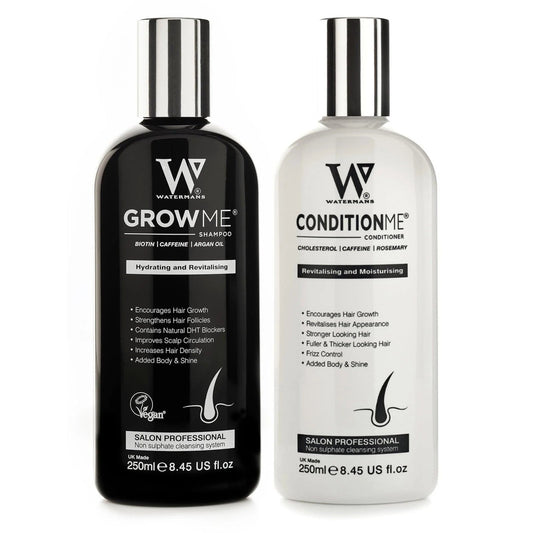
One common non‑medical solution is Watermans Grow Me Shampoo. This salon-grade shampoo holds Biotin, Rosemary, Caffeine, Niacinamide, Argan Oil, Allantoin, and Lupin Protein. It works at the scalp and adds body to the hair. It stands as a natural choice in Australia when hormones change. You can check it here: https://watermanshair.com.au/products/hair-growth-shampoo.
What Is Androgen Rebound?
At its base, androgen rebound means your body shifts how it makes or uses androgens like testosterone and DHT. Androgens work in both men and women. They affect:
- Sex drive and function
- Energy and drive
- Muscle and fat
- Skin oil and acne
- Hair growth and hair loss
When a treatment stops suppressing or changing these hormones, the body may react by swinging in the opposite way. That swing, a sudden change in the balance, is known as androgen rebound.
What Can Trigger Androgen Rebound?
The most common triggers come when you stop or change medication or supplements that adjust hormones. It is wise to speak with a doctor before any change. Knowing the triggers helps you spot the shifts early.
1. Stopping Anti-Androgen Medications
Some medicines block or lessen androgens. These include:
- Prostate medicines
- Hormonal treatments for acne or hirsutism
- Gender-affirming drugs prescribed by a doctor
Stopping these quickly can lead to a temporary rise in androgen levels.
2. Coming Off Oral Contraceptive Pills
Many pills change your androgen balance by affecting how much free testosterone is available or by using progestins with anti-androgen properties. When the pills stop, natural hormone production returns and may overshoot. Some people see:
- Oily skin and breakouts
- More body hair in some cases
- Changes in scalp hair shedding or thinning
This is sometimes called "post-pill androgen rebound."
3. Stopping or Cycling Performance-Enhancing Substances
In fitness circles, some use substances that change testosterone or other androgens. When these stop:
- Natural testosterone may drop or behave erratically
- The body works to get back to normal in a mixed way
This phase may show signs of low and shifting androgens. Many call it androgen rebound even when the recovery is more complex.
4. Sudden Lifestyle Changes
Even without medicines, a big change in your life can influence androgens. Give thought to:
- Fast weight loss or gain
- High physical or emotional stress
- A sudden start or stop of intense exercise
- Very low-calorie or very high-sugar diets
These shifts make hormone levels waver and can bring a similar feel to androgen rebound. Signs include changes in skin, mood, sex drive, and hair.
Unexpected Symptoms of Androgen Rebound
The symptoms vary from person to person and between men and women. The common factor is change. You may note new symptoms or the return of earlier signs once hormones were controlled.
1. Skin Changes: Oiliness and Acne Flares
Androgens make skin glands work harder. After a rebound, the skin may become oilier, pores may clog, and acne may come back on the face, chest, or back. This is seen in many who stop treatments for hormonal acne or birth control. It happens especially in people who had acne before using the medication.
2. Mood and Energy Swings
Testosterone and similar hormones shape mood and energy. During rebound, you might feel:
- Irritated or on edge
- High energy one day and low the next
- Trouble with sleep or restlessness
These mood shifts happen as hormones interact with brain chemicals.
3. Libido Changes
Androgen rebound may change your sex drive. Some may see a rise, while others feel back-and-forth shifts. For a few, low desire improves and then goes past normal for a while. This change can feel confusing or unsettling.
4. Hair Shedding and Hairline Changes
Hair is where androgen rebound acts in a noticeable way. Androgens, mainly DHT, affect hair by:
- Contributing to pattern baldness in men
- Leading to thinning and minimal hair in women
- Speeding up hair shed in those who are sensitive
During rebound, you might see more hair in the shower or on your brush, a thinning crown, or a receding hairline. Hair texture can also change and feel finer or weaker.
Many Australians now choose scalp treatments like Watermans Grow Me Shampoo during hormonal shifts. Its mix of Caffeine, Biotin, Rosemary, and Lupin Protein is made to work at the scalp and help hair look thicker. You can read more here: https://watermanshair.com.au/products/hair-growth-shampoo.
5. Body Hair and Hirsutism
Women may sometimes see more body or facial hair when androgens rise. This extra hair can show on the upper lip, chin, chest, lower belly, or inner thighs. This effect is more common in women with PCOS but may also happen temporarily after hormone changes.
6. Menstrual Irregularities in Women
Androgens mix with other hormones in the body. After stopping birth control or anti-androgens, periods may turn irregular, cycle lengths may change, or PMS symptoms might shift. Most of the time, these changes pass with time. If they continue, a doctor should be seen.
How Long Does Androgen Rebound Last?
How long the rebound lasts depends on many things:
- What started it (medicine, supplement, lifestyle)
- How long the treatment lasted
- Your natural hormone balance and genes
- How you eat, manage stress, and sleep
For many, mild changes settle within weeks. More complex shifts may last several months. Hair changes often appear later. Hair grows slowly, so it might take 3–6 months to see clear progress after the trigger ends. Acting early to support the scalp with a product like Watermans Grow Me Shampoo and good life habits is a smart step.
If symptoms become severe, continue for many months, or come with concerning signs (such as rapid hair loss, many missed periods, or strong mood issues), please speak with a health professional.
Natural Strategies to Help Control Androgen Rebound
When hormones shift, you may seek gentle ways to help your body regain balance. The goal is not to lower androgens too much but to help your system settle while keeping skin and hair safe.
Below are some natural ways people use. Always talk with your doctor before changing any treatment.
1. Support the Scalp and Hair First
Since hair is often the first area you notice trouble, it makes sense to support it right away.
Use a Targeted Hair Growth Shampoo
Many choose a mild shampoo that treats the scalp when faced with hormone changes. Watermans Grow Me Shampoo is a popular choice in Australia for shedding and thinning linked to stress, hormones, or aging. Its formula includes:
- Biotin – helps build keratin in hair
- Caffeine – acts at the scalp and supports hair roots
- Rosemary – an herb that aids blood flow at the scalp
- Niacinamide – supports skin and aids circulation
- Lupin Protein – strengthens strands and adds body
- Argan Oil – supplies moisture and guards against breakage
- Allantoin – soothes and protects the scalp
This mix works to wake up the scalp and add body at the roots. Find more details here:
https://watermanshair.com.au/products/hair-growth-shampoo
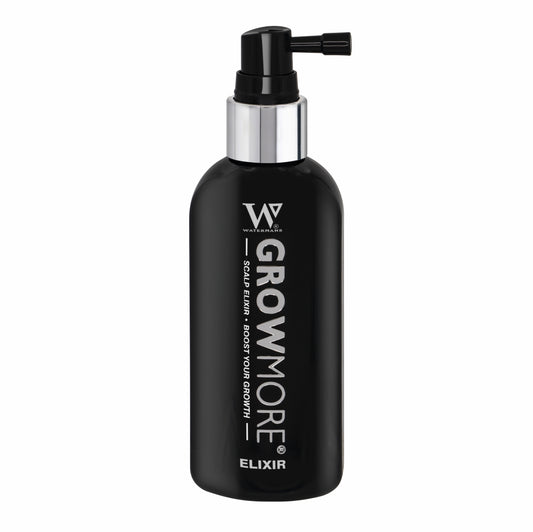
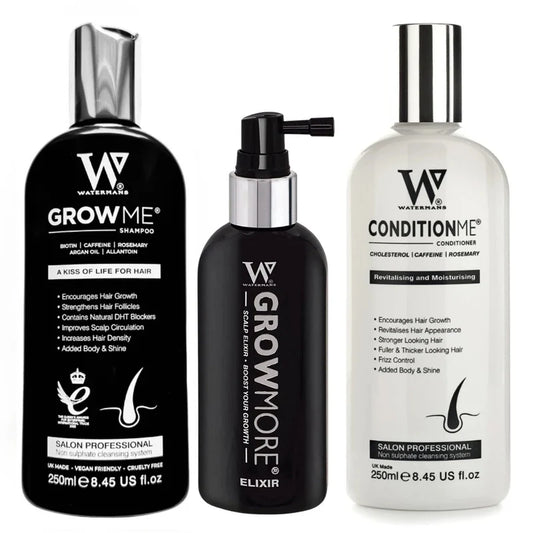
For a full routine, many pick the Watermans Hair Survival Kit. This kit pairs shampoo, conditioner, and a leave-in scalp formula to boost the scalp over time:
Watermans Hair Survival Kit
Gentle Hair and Scalp Habits
During rebound, think of these habits:
- Avoid tight hairstyles that pull on hair
- Skip intense heat styling or harsh treatments
- Use a soft brush and handle wet hair with care
- Massage your scalp for a few minutes each day to help blood flow
2. Nutrition to Balance Hormones and Support Hair
Your diet does not flip hormones on or off, but it helps your body adjust smoothly. Good food keeps your hair and skin strong.
Key Nutrients to Focus On
-
Protein
Hair builds mainly on keratin, a protein. Low protein may worsen shedding. Keep a steady intake from:- Lean meats, poultry, and fish
- Eggs and, if you can, dairy
- Legumes, nuts, seeds, tofu, and tempeh
-
Healthy Fats
Hormones come from cholesterol and fats. A very low-fat plan may stress your hormone system. Add:- Extra virgin olive oil and avocado
- Fish such as salmon, sardines, or mackerel
- Nuts and seeds like walnuts, chia, or flax
-
B Vitamins, such as Biotin and B12
They help energy and hair make-up. Get these from:- Whole grains and legumes
- Eggs and dairy
- Fortified foods or supplements when needed
-
Iron and Ferritin
Low iron can lead to hair shedding, especially in women. Choose:- Red meat and organ meats
- Lentils, beans, or spinach (eat with vitamin C for better absorption)
-
Zinc and Selenium
These minerals help in hormone work and hair function. They appear in:- Oysters, beef, or pumpkin seeds (for zinc)
- Brazil nuts, fish, or eggs (for selenium)
Stabilise Blood Sugar
Too much sugar or refined food can raise insulin. This rise links with more androgen production in some women. To keep blood sugar steady:
- Pick whole foods or minimally processed carbs
- Eat carbs with protein and healthy fat
- Do not skip meals so that you avoid later binges
3. Stress Management to Soften Androgen Swings
Stress changes cortisol. Cortisol works closely with sex hormones. When stress stays high, it can:
- Disturb periods
- Change testosterone or DHEA rhythms
- Increase hair shedding (telogen effluvium)
Taking care of your stress does not fix rebound, but it stops extra hormone swings.

Effective Stress-Reduction Tactics
- Mindful breathing. Just 5–10 minutes of slow, deep breaths each day can dampen cortisol.
- Gentle exercise such as walking, yoga, pilates, or swimming to help mood and blood flow without extra strain.
- Sleep care. Aim for 7–9 hours each night. Stick to a sleep schedule, keep screens away before bed, and keep your room dark and cool.
- Time outside. Even a short stay in nature each day can help lower stress.
4. Exercise: Use It Strategically During Androgen Rebound
Exercise can raise and balance androgens, depending on its strength and length.
Resistance Training
Strength work:
- Can mildly raise testosterone
- Builds lean muscle and supports health
- Helps keep mood and energy steady
Plan for 2–4 moderate sessions per week. Extreme training may add stress when hormones are unsettled.
Avoid Extremes
- Over‑training can raise cortisol and worsen hormone shifts.
- Very long endurance sessions may disturb cycles in some women.
A good mix of moderate resistance, light cardio, and gentle movement (like stretching or yoga) is more helpful during rebound than very hard workouts.
5. Botanical and Nutritional Supplements (With Caution)
Some natural supplements get mentioned when it comes to hormone support. Always check with a health professional before you start something new, especially if you have a condition, are pregnant, or take other drugs.
Zinc
Zinc supports hormone work and skin health. Low zinc is common and may add to acne and hair troubles. Short-term zinc may help, but check safe limits with your doctor.
Saw Palmetto
Often found in natural formulas for prostate health and hair treatments, saw palmetto may slow the enzyme that makes DHT. It is milder than drugs but still calls for care.
Spearmint Tea (in Women)
Some studies point to spearmint tea as a gentle way to cut free testosterone in women with extra hair growth. It can help, but it is not a cure on its own.
Omega-3 Fatty Acids
Omega‑3 fats from fish oil or algae may calm body-wide inflammation. They support hormone and skin health, which is useful when acne or inflamed skin flare up.
6. Skin Care During Androgen Rebound
If you stop a treatment for hormonal acne or birth control, breakouts may appear. A kind skin routine can reduce long-term marks and discomfort.
Core Steps
- Use a mild cleanser twice a day. Washing too much can trigger extra oil.
- Pick an oil-free or non-comedogenic moisturiser. Hydrated skin is less likely to react.
- Topical treatments like salicylic acid, benzoyl peroxide, or retinoids (if your doctor suggests them) can clear pores and calm swelling.
Skin takes time to show changes. Like hair, it moves slowly.
7. When to Seek Medical Advice About Androgen Rebound
Natural steps help with mild hormone shifts. Still, there are times when a doctor’s help is needed.
Red Flags
See a doctor if you notice:
- Very fast or patchy hair loss
- Persistent or worsening extra hair on the face or body
- In women, a deeper voice or enlarged clitoris
- No periods for three or more cycles
- Severe acne that marks your skin
- High or lasting mood swings, anxiety, or depression
Tests may check:
- Total and free testosterone
- DHEA-S
- LH, FSH, and estradiol
- SHBG
- Thyroid levels
- Prolactin
- Ferritin and iron
Checking all numbers can show if other conditions like PCOS or thyroid problems exist.
Managing Androgen Rebound and Hair Loss Together
Hair matters to many. When hormone shifts mix with hair loss, it can feel hard to manage. A two-step plan works best:
- Support your body from the inside with good food, sleep, stress care, and exercise.
- Directly care for your hair and scalp with a targeted routine.
Why a Dedicated Growth Shampoo Helps
While it takes time for internal balance, the right shampoo works with your hair follicles right away. With Watermans Grow Me Shampoo, you use a cosmetic formula that:
- Stimulates blood flow with Caffeine and Rosemary
- Provides hair-building proteins with Lupin Protein and Biotin
- Treats the scalp using Niacinamide and Allantoin
- Nourishes strands with Argan Oil to limit breakage
In androgen rebound, this method allows your body time to settle while giving extra care to your hair. It fits easily into your wash routine:
https://watermanshair.com.au/products/hair-growth-shampoo
For those who need full care, many choose the Watermans Hair Survival Kit. This kit pairs:
- Grow Me Shampoo
- Condition Me Conditioner
- A boosting leave‑in scalp formula
It is made for people who want to protect their hair during hormone changes:
Watermans Hair Survival Kit
Simple Action Plan for Androgen Rebound
If you think you have androgen rebound—perhaps around changes in medication or birth control—try this clear plan.
1. Get Oriented
- Write down when you changed or stopped your hormone treatment.
- Keep a log of symptoms such as skin changes, hair shedding, mood shifts, and cycle changes.
2. Upgrade Scalp and Hair Care
- Switch to Watermans Grow Me Shampoo for regular washing to help hair look thicker.
- If you wish, choose the Watermans Hair Survival Kit for a full routine.
3. Adjust Your Lifestyle Gently
- Eat balanced meals with enough protein and healthy fat.
- Avoid too many processed foods and added sugars.
- Plan simple exercise that mixes strength, cardio, and gentle movement.
- Create small, steady habits to lower stress.
4. Monitor and Reassess
- Give your body a few months to settle as hair and hormones change slowly.
- If symptoms grow worse or do not improve, seek a doctor’s advice to check for deeper issues.
FAQ: Common Questions About Androgen Rebound
Is androgen rebound permanent?
Androgen rebound usually stays temporary. It happens when your body adjusts on its own after a change. Most often, hormone levels get back to normal over weeks or months. If there are other issues like PCOS or thyroid problems, those may continue and need a doctor’s help.
Can androgen rebound cause permanent hair loss?
Androgen rebound may speed up hair shedding and thinning for those who are prone to pattern hair loss. If hair follicles shrink over time, changes could be long-term. That is why it helps to support the scalp early with Watermans Grow Me Shampoo and, if you choose, the Watermans Hair Survival Kit. Early support, alongside good nutrition and stress care, gives hair a better chance to stay thick.
How do I naturally lower androgens during an androgen rebound?
Rather than trying to stop androgens completely, support your overall hormone balance. Steps include keeping blood sugar steady with whole foods, living at a healthy weight, managing stress, getting enough sleep, and doing moderate exercise. Some people, with a doctor’s advice, add supplements like zinc, omega‑3 fats, or herbal aids. Protecting your hair and scalp with products like Watermans Grow Me Shampoo helps ease the process as hormones adjust.
Take Charge of Androgen Rebound – Start With Your Hair and Daily Habits
Androgen rebound can shake your routine. Skin may change, mood can shift, libido may vary, and hair might shed more than usual. Even if changes are short-lived, the effects feel real. A smart plan mixes calm observation, natural lifestyle changes, and direct hair care.
Begin by strengthening your daily routine:
- Switch your shampoo to Watermans Grow Me Shampoo to work at the scalp and add body to hair: Watermans Grow Me Shampoo
- If you want a complete routine, choose the Watermans Hair Survival Kit that combines shampoo, conditioner, and a leave‑in scalp booster: Watermans Hair Survival Kit
- Support your body with balanced meals, steady stress care, good sleep, and smart exercise.
By following everyday, natural steps, you help your body settle and keep your hair as strong as possible while hormones adjust.