androgen receptor blockers: Expert guide to benefits, risks, and alternatives
Androgen receptor blockers are a common class of drugs. They help with conditions driven by male hormones. This includes prostate cancer and pattern hair loss. If your doctor has mentioned these blockers or you are checking them out, you need to know how they work, their perks, and their risks. You also need to learn about safer or natural paths.
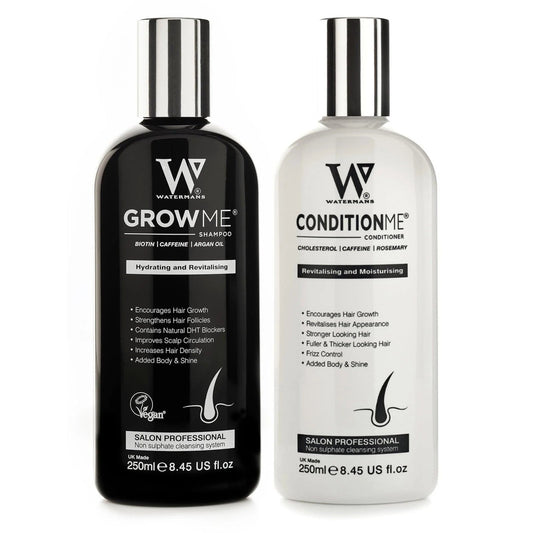
One of the first steps for hair issues is to try a topical, non‐medical option. In Australia, many people start with a proven, cosmetic‑grade product like Watermans Grow Me Shampoo. This shampoo uses Biotin, Rosemary, Caffeine, Niacinamide, Argan Oil, Allantoin, and Lupin Protein. These ingredients act on the scalp and boost hair at the roots. They work without changing your overall hormone levels.
What are androgen receptor blockers?
Androgen receptor blockers, also called anti‑androgens or androgen receptor antagonists, connect to androgen receptors in the body. They stop hormones like testosterone and dihydrotestosterone (DHT) from working.
Androgens affect:
- Prostate growth and work
- Hair patterns in men and women
- Oil production and skin quality
- Sexual desire and function
- Muscle, fat, and bone strength
When there is too much hormone or the tissues are very sensitive, these blockers can ease symptoms and slow down the condition.
How androgen receptor blockers work in the body
Androgens, receptors, and signalling
Here is a simple path:
- The body makes androgens (mainly testosterone and DHT).
- These hormones travel in the blood and pass into target cells.
- Inside the cell, they attach to androgen receptors.
- The hormone–receptor pair moves to the nucleus.
- It connects to DNA and turns genes on or off.
Androgen receptor blockers break this chain. They do so by:
- Competing with androgens for the receptor, or
- Changing the receptor so it cannot work
The end result is less hormone signalling even if blood levels stay high.
Main types of androgen receptor blockers
There are different types of these blockers. They differ in strength and where they work.
1. Non‑steroidal anti‑androgens
These drugs are used for prostate cancer and other conditions that respond to hormones:
- Bicalutamide
- Flutamide
- Nilutamide
- Enzalutamide
- Apalutamide
They mainly block receptors in the prostate. This slows or stops tumor growth. Newer drugs like enzalutamide work strongly for advanced prostate cancer.
2. Steroidal anti‑androgens
These drugs block androgens but may also affect other hormones:
- Cyproterone acetate is used in some places for severe acne, unwanted hair, and gender‑affirming care.
- Spironolactone is a diuretic that also checks hair loss in women and controls acne.
3. 5‑alpha reductase inhibitors (not pure blockers)
Drugs like finasteride and dutasteride lower the conversion of testosterone to DHT. With less DHT, there is less stimulation of the receptors. Many bundle these with androgen receptor blockers because they affect similar pathways.
Medical uses of androgen receptor blockers
1. Prostate cancer
Prostate cancer often grows when hormones act on cells. In advanced cases, doctors use androgen blockers in one of these ways:
- On their own
- With hormone therapy (like GnRH agonists)
- With other treatments such as chemotherapy
2. Benign prostatic hyperplasia (BPH)
Usually, 5‑alpha reductase inhibitors treat BPH. But sometimes, these blockers can be used when symptoms are clearly linked to hormones.
3. Hirsutism and hormonal acne in women
Androgens can lead to excessive hair on the face and body and increase oil on the skin. To manage these, doctors may prescribe:
- Spironolactone to lower hormone effects
- Cyproterone acetate (combined with an oestrogen pill in some regions) to lower androgen action
4. Female pattern hair loss and androgenetic alopecia
Hair loss in this case comes from DHT acting on scalp follicles. Treatment can involve:
- Spironolactone (mainly for women)
- Cyproterone acetate in certain cases
- Finasteride or dutasteride (used with care in women due to pregnancy risks)
Many experts now advise trying topical, non‑hormonal solutions before starting these drugs. A common choice in Australia is Watermans Grow Me Shampoo. This shampoo works on the scalp without altering hormones. Its ingredients support scalp health and hair density.
5. Gender‑affirming hormone therapy
Some transgender women and non‑binary people use anti‑androgens to:
- Reduce facial and body hair
- Slow scalp hair loss
- Lower sexual drive
- Help oestrogen shape the body in a more feminine way
Spironolactone and cyproterone acetate are common choices here.
Benefits of androgen receptor blockers
When used under good care, these blockers can help a lot.
Cancer control and longer life
In prostate cancer, less hormone signalling slows tumor growth, eases pain, and may extend life. New drugs like enzalutamide give better results in hard‐to-treat cases.
Better life in hormone‑driven disorders
For those with many hormone effects, these blockers can:
- Ease hair growth issues in women
- Slow hair loss in some cases
- Relieve urinary issues in prostate conditions
- Help align body traits with gender identity as needed
Targeted therapy vs. broad hormone lowering
Some blockers act in a specific way. They can block hormone action at the receptor and may reduce side‑effects compared to treatments that lower all testosterone. This may keep more hormone functions working and cause fewer body changes. Still, careful check‑ups are essential.
Risks and side‑effects of androgen receptor blockers
Even with many good points, these blockers may bring risks. The risk can rise with high doses or long use.
Common side‑effects
These changes differ by treatment but may include:
- Lower sexual desire and problems with arousal
- Tender or enlarged breasts in men
- Feeling tired
- Hot flushes or sweats
- Mood shifts, like irritability or low mood
- Changes in weight or body shape
Metabolic and heart risks
Changes in hormone signals may affect:
- Cholesterol levels
- Insulin use
- Blood pressure
These changes may eventually raise heart risks, especially if you already have risk factors.
Liver and blood issues
Some blockers, like flutamide and high-dose cyproterone acetate, can stress the liver. This risk is often watched with blood tests and exam of liver markers.
Bone health
Androgens help keep bones strong. Keeping bone density low may lead to weak bones or fractures. Doctors may advise:
- Bone scans
- Adequate calcium and vitamin D
- Regular weight‑bearing exercise
Fertility issues
Blocking androgens can lower sperm quality and volume. This may affect child plans. Talk with your doctor about storing sperm or getting more advice before You start treatment.
Who should avoid or be cautious with androgen receptor blockers?
Not everyone needs these blockers. You need extra care if you have:
- Existing liver problems
- Heart disease or high heart risks
- A history of deep depression or mood issues
- Bone weaknesses or past fractures
- Pregnancy or plans for pregnancy, as many of these drugs harm a fetus
Women who may get pregnant often need good birth control and regular checks if they take these drugs.
Androgen receptor blockers and hair loss: what you need to know
Why androgens cause hair loss
In pattern hair loss, sensitive follicles on the frontal and crown areas respond strongly to DHT. Over time:
- DHT cuts the growth phase of hair
- Hairs grow thinner and shorter
- Follicles may shrink and stop making hair
Blocking and lowering DHT can slow this process in some people.
Systemic vs. topical options
Systemic oral drugs (like finasteride, dutasteride, or some anti‑androgens) work throughout the body. They may cause:
- Sexual issues
- Mood changes
- Hormone shifts
For many with early hair thinning, a topical, non‑hormonal approach is safer. A good first attempt is a shampoo that acts only on the scalp. In Australia, many choose Watermans Grow Me Shampoo. This product works on the hair roots and scalp without changing overall hormone levels.
A complete hair care range may include:
- Watermans Grow Me Shampoo – built to boost scalp flow, support strong hair, and add volume.
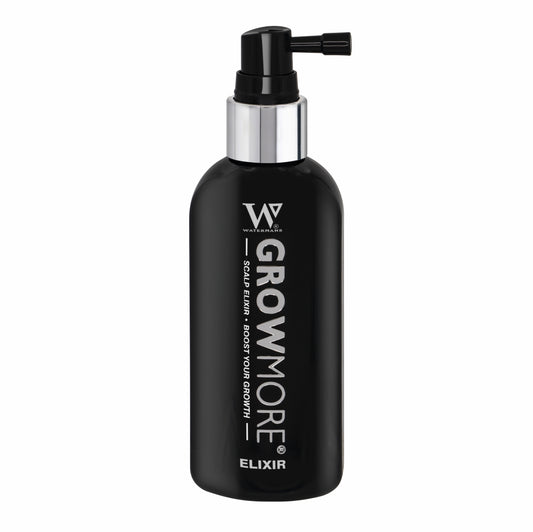
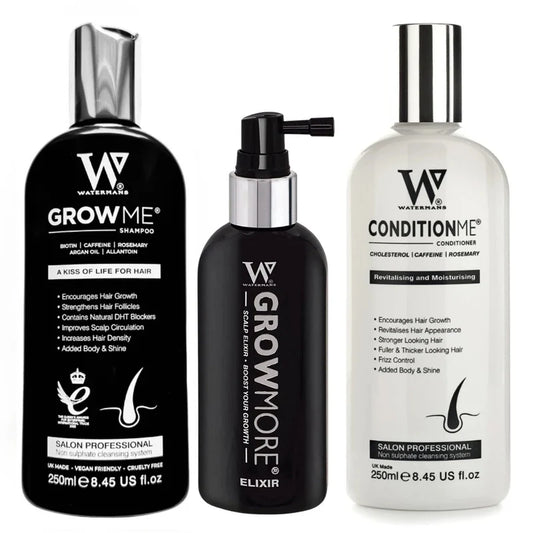
- Watermans Hair Survival Kit – a set that pairs shampoo, conditioner, and a leave‑in formula to build up results.
These are non‑medical items and do not affect hormones in the body.
Natural and lifestyle alternatives to androgen receptor blockers
For those who worry about side‑effects or are not ready for drugs, some non‑pharmaceutical plans can help balance hormones and keep hair healthy.
1. Scalp‑focused, non‑hormonal hair care
Before choosing systemic drugs, try to improve scalp health. Find products that:
- Boost small blood flow in the scalp
- Support a healthy follicle
- Strengthen hair strands
Watermans Grow Me Shampoo is one such product that uses:
- Caffeine and Rosemary for a quick scalp boost
- Biotin and Lupin Protein for strong hair
- Niacinamide and Allantoin for scalp comfort
Using this shampoo day by day may improve how your hair looks without changing hormone levels.

2. Nutrition and body composition
What you eat and how your body works can change hormone levels:
- Eating enough protein helps hair and hormone work.
- Good fats such as omega‑3s may calm inflammation and help hormone balance.
- Cutting too much sugar may stop high insulin from raising androgen levels.
- Keeping a healthy weight may help keep hormones in check.
3. Stress management and sleep
Stress and poor sleep can change hormones. Get:
- 7–9 hours of sleep each night
- Time for stress relief like yoga, quiet moments, or talking with a helper
- Regular exercise to keep hormones steady
4. Herbal and nutritional supplements
Some try herbs and nutrients to help with androgens. These may include:
- Saw palmetto
- Pumpkin seed oil
- Zinc
- Green tea extract
Since research on these is mixed and products vary, talk with a health expert before adding them.
Comparing androgen receptor blockers to other hair and hormone treatments
When you plan your steps, compare these blockers with other ways.
1. Androgen receptor blockers vs. 5‑alpha reductase inhibitors
- Androgen receptor blockers attach to the receptor. They do not lower hormone levels in the blood. They work in conditions like prostate cancer and some hair loss cases.
- 5‑alpha reductase inhibitors lower the conversion of testosterone to DHT. They lower DHT levels in the body. They are used often in male pattern hair loss and BPH.
Both types can cause hormone side‑effects. For many, a scalp‑focused shampoo is a safer start.
2. Androgen receptor blockers vs. topical therapies
- Topical minoxidil acts directly on hair follicles. Its full method is not clear. It does not change hormone levels. It may cause scalp irritation or early shedding but mostly stays local.
- Shampoos and leave‑in products work on scalp flow and hair strength. They are made for daily use and do not disturb your hormone balance.
Topical care suits early or mild hair thinning. It is a good choice for those who do not want to shift their hormones.
3. Androgen receptor blockers vs. lifestyle changes
Lifestyle changes cannot treat fast-growing prostate cancer. Yet for mild hair or skin issues, they can:
- Reduce factors like insulin resistance or stress
- Improve the field around the hair follicle
- Lower the dose or delay the need for drug treatment
Many health experts suggest mixing better lifestyle steps with scalp care before starting long‑term drug therapy.
What to discuss with your doctor before starting androgen receptor blockers
When you talk with your doctor, be clear. Ask about:
- Your main goal: Is it cancer control, hair loss, acne, unwanted hair, or gender care?
- Expected gains and time frames: How soon will you see change? What is a realistic result?
- Side‑effect details: Ask about changes in sex, mood, energy, weight, and bone or fertility health.
- A plan to check your progress: What blood tests and scans will be needed? How often will you check in?
- Your other drugs: Tell your doctor all the medicines and herbs you use.
- The plan if you need to stop: How long is the therapy? What if you want to stop or change?
If your main worry is hair thinning, ask if you can try non‑hormonal products like Watermans Grow Me Shampoo first.
Practical hair care tips if you’re using (or avoiding) androgen receptor blockers
Your daily hair habits count, whether you are on these blockers or choosing not to use them.
1. Establish a good wash routine
- Wash with a scalp‑focused shampoo 3–5 times a week. Gently massage for a few minutes to help blood flow.
- Use a full kit like the Watermans Hair Survival Kit. This kit pairs shampoo, conditioner, and a leave‑in scalp formula for steady care.
2. Protect hair from damage
- Avoid rubbing your hair hard with a towel. Squeeze gently instead.
- Use heat tools on low settings or avoid them when possible.
- Choose loose hairstyles instead of tight ones that pull on the hair.
3. Support from inside
- Eat foods rich in iron, zinc, protein, and healthy fats.
- Drink plenty of water.
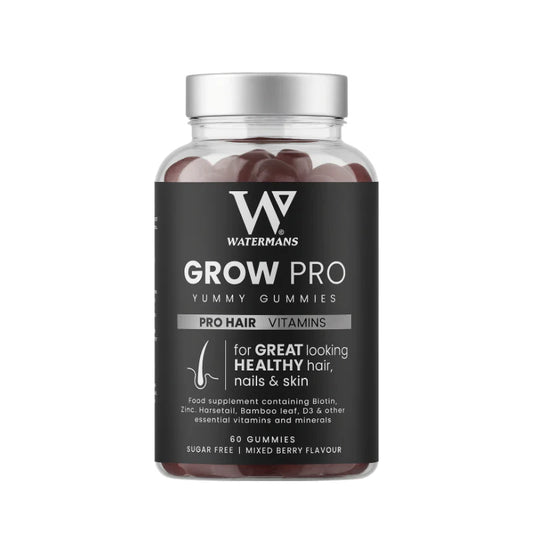
- Ask your doctor if you need a multivitamin or hair formula.
4. Check your progress
- Take photos in the same light and from the same angle every few months.
- Watch for changes when you brush or shower.
- Note how your hairstyle looks over time in fullness and texture.
This clear view helps you see real change versus normal variation.
Frequently asked questions about androgen receptor blockers
1. Are androgen receptor blockers safe for long‑term use?
Safety depends on the drug, its dose, and your health. In prostate cancer and gender care, long‑term use is common. It needs:
- Regular blood tests and check‑ups
- Changes if side‑effects occur
For issues like mild hair loss, many doctors first suggest non‑hormonal methods like a hair‑focused shampoo before using blockers.
2. Can androgen receptor blockers regrow hair completely?
These drugs can slow hair loss and may help keep hair longer. They rarely bring back full original hair density, especially if follicles have shrunk. Early use of topical care, good habits, and nutrition often give the best long‑term result.
3. What is the best alternative to androgen receptor blockers for hair loss?
Many people worried about hormone changes choose a plan with several layers. This can include:
- A scalp‑targeted shampoo like Watermans Grow Me Shampoo that works at the roots.
- A full care kit such as the Watermans Hair Survival Kit.
- A healthy diet, good sleep, and careful hair styling.
If these do not give enough help, talk with your doctor about more methods, with or without blockers.
Take the next step: prioritise safer, scalp‑focused options first
Androgen receptor blockers help with many conditions like prostate cancer and strong hormone-driven issues. They change basic hormone paths and may bring side‑effects that do not suit concerns like hair density or scalp health.
Before you start long‑term drug therapy, try a dedicated, non‑hormonal routine. Begin with Watermans Grow Me Shampoo. It is made with Biotin, Rosemary, Caffeine, Niacinamide, Argan Oil, Allantoin, and Lupin Protein to work at the scalp and boost volume from the roots. For extra care, consider the Watermans Hair Survival Kit.
Build on this routine. Watch your progress over several months. With time, you can discuss with your healthcare provider if more treatment is needed or if androgen receptor blockers may be right for you.