androgen sensitivity: surprising symptoms, causes, and treatment options
Androgen sensitivity means that your body reacts strongly to hormones. This term may sound technical, but it affects your energy, mood, fertility, skin, and hair every day. If you face hair thinning, acne, low sex drive, or irregular periods, you may want to learn about androgen sensitivity.
This guide explains what androgen sensitivity is, the signs you might see, its causes, and ways to treat it. You will read about simple lifestyle changes, products for the scalp, and medicines. In Australia and other places, many people start with a quality, non-medical choice like Watermans Grow Me Shampoo before trying stronger treatments.
h1: What is androgen sensitivity?
Androgens are hormones such as testosterone and dihydrotestosterone (DHT). Both men and women need them. Body parts like skin, hair, reproductive organs, muscles, and even the brain have receptors that catch these hormones.
Androgen sensitivity measures how strongly your tissues react. It is not just the amount of testosterone or DHT in your blood; it is also how your receptors respond.
• If your receptors catch hormones easily, you have high sensitivity.
• If your receptors ignore many hormones, you have low sensitivity.
This reaction may change:
• Between people (due to your genes)
• Between different tissues in one person
• As you age or change your health or stress levels
Understanding this helps you see why one person may lose hair at low hormone levels and another may keep thick hair even at high levels. Some women may show signs like facial hair, oily skin, or hair loss even when hormones are normal. Others may feel low energy and reduced muscle strength while blood tests appear unchanged.
h2: How androgen sensitivity works in the body
h4: Androgens and their receptors
The main androgens are:
• Testosterone
• Dihydrotestosterone (DHT) – made from testosterone by the enzyme 5-alpha-reductase
• Androstenedione
• DHEA
These hormones act when they bind to androgen receptors inside cells. When the hormone meets its receptor, the pair moves into the cell and changes gene signals. This process helps in:
• Hair growth and hair thinning
• Oil production in the skin
• Muscle building
• Bone strength
• Sexual drive and function
• Mood and thinking
• Red blood cell count
How your body reacts depends on several simple factors:
- How many receptors you have
- The structure of your receptors
- How much hormone is made locally (for example, more 5-alpha-reductase in the scalp creates more DHT)
- Other small helpers inside the cell
h4: Tissue-specific sensitivity
Your scalp hair follicles may catch hormones more strongly than your muscles. Your oil glands may also react strongly. This mix is why signs of androgen sensitivity differ by person.
h2: Surprising symptoms of androgen sensitivity
The signs of altered sensitivity are not only about hair loss. Some signs are quiet and others clear.
h4: 1. Hair changes: loss, thinning, and texture shifts
Hair shows hormone effects plainly.
For men:
• A receding hairline at the temples and front
• Thinning at the crown, making an “M” pattern
• Reduced hair density and body
• Some also see hair that feels finer and weaker
For women:
• Even thinning at the top of the scalp
• A wider part
• A less full ponytail
• Occasional facial hair with scalp thinning
These signs can come even if blood tests show normal hormone levels because the follicles are very reactive.
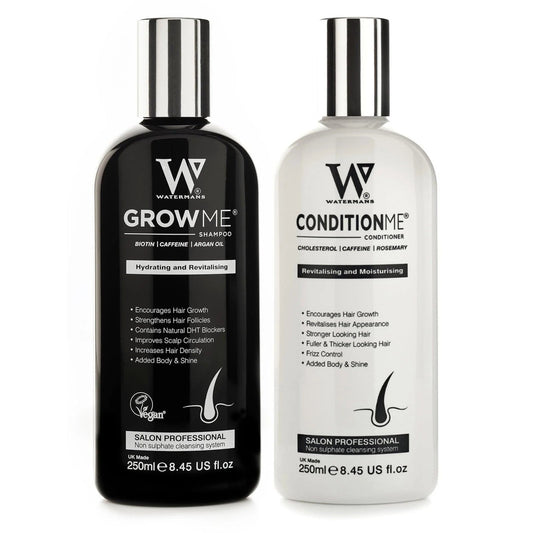
Many people pick gentle hair care routines that support the scalp and hair follicles. In Australia, a common starting choice is Watermans Grow Me Shampoo. It is designed for those who suspect hormone effects on hair yet do not need strong prescriptions.
This shampoo has:
• Biotin – for hair protein
• Rosemary – for better blood flow
• Caffeine – to oppose some DHT effects
• Niacinamide – for scalp health
• Argan Oil – to protect hair shafts
• Allantoin – to calm the scalp
• Lupin Protein – to firm and add body to hair
Many use this approach as a first step while they plan further action.
h4: 2. Acne and oily skin
If your oil glands react too much, you may see:
• Persistent acne on the face, back, or chest
• Enlarged skin pores
• Shiny, greasy skin
• Breakouts around the jawline or chin
Even if blood hormone levels are nearly normal, high local sensitivity can cause these clear signs.
h4: 3. Irregular periods and PCOS-like signs in women
Women may face a mix of symptoms when their sensitivity is high:
• Irregular or missed periods
• Trouble getting pregnant
• Extra hair on the face or body
• Scalp hair thinning
• Weight gain near the belly
• Acne and oily skin
These signs are seen in polycystic ovary syndrome (PCOS). PCOS is not only about high androgen levels. How your skin and hair react is a key point.
h4: 4. Changes in sex drive and sexual function
Androgens help with desire and sexual action in both sexes.
Men with low effective hormones might have:
• A lower sex drive
• Difficulties with erections
• Fewer spontaneous erections
• Less muscle gain despite training
Women with altered sensitivity might face:
• A lower sex drive
• Vaginal dryness
• Reduced interest in sex
These signs may occur even if lab results are within normal ranges. The reason is that the tissues react in different ways.
h4: 5. Mood, drive, and energy
Androgens may spark:
• Drive and confidence
• Mood balance
• Clear thinking
If the signals are too strong or too weak, you may get:
• Low energy or tiredness
• A flat mood with less drive
• Irritability
• Brain fog or trouble focusing
Other issues can cause these signs, so look at the full picture.
h4: 6. Body build and muscle strength
Androgens affect muscles and fat:
• High sensitivity may help build muscle quickly with training
• Low sensitivity may cause muscle loss, higher fat, and lost strength with time
Some people do not gain muscle even with proper training and protein; this may point to a hormone or receptor matter.
h4: 7. Hair growth in typically “male” spots in women
Women with high sensitivity might see:
• Dark hair on the chin, jawline, or upper lip
• Hair on the chest, near the nipples, inner thighs, or lower abdomen
• Generally thicker body hair
At the same time, scalp hair may thin, which is very upsetting.
h2: Causes of androgen sensitivity
Many factors affect how you respond to androgens.
h4: 1. Genetics and receptor variations
Your genes shape how your receptor works. Small gene changes can make receptors:
• React more to hormones
• React less (partial resistance)
• Or work poorly (in very rare cases)
These traits run in families. They help explain early hair loss, severe teenage acne, strong body hair, or PCOS signs.
h4: 2. Hormone levels and local conversion
Your reaction ties to:
• Total testosterone
• Free (active) testosterone
• DHT, a stronger hormone made from testosterone
The enzyme 5-alpha-reductase turns testosterone into DHT. High enzyme activity in places (like the scalp) boosts the hormone effect even if blood tests seem normal.
This boost often links to pattern hair loss.
h4: 3. Sex hormone-binding globulin (SHBG)
SHBG is a protein that binds hormones. This binding makes them less available.
• High SHBG means less free testosterone and a lower effect
• Low SHBG means more free testosterone and a higher effect
SHBG levels can change with your diet, insulin, thyroid function, and liver health.
h4: 4. Other hormones: insulin, cortisol, thyroid
Other hormones mix with androgens:
• High insulin (as in insulin resistance) can lower SHBG and raise free androgens
• Chronic stress raises cortisol, which may change hormone signals
• Thyroid issues can change SHBG and affect hair and metabolism
h4: 5. Lifestyle and environmental factors
Your daily life may also matter:
• Extra body fat, especially around the belly
• A low-activity routine
• Diets rich in ultra-processed foods and sugar
• Poor sleep and long-term stress
• Exposure to chemicals in plastic, cosmetics, or pesticides
• Use of anabolic steroids or extra testosterone
• Certain medications can shift hormone actions
h2: Androgen sensitivity and hair loss: what is happening
Many learn about androgen sensitivity when they see hair loss. Knowing the process helps you choose a treatment.
h4: DHT and hair follicle change
In pattern hair loss:
- DHT binds to receptors in hair follicles. This happens around the temples and crown in men and the top or mid-scalp in women.
- In those with a genetic twist, this binding makes hair follicles shrink:
• The growth phase of hair gets shorter.
• Hair strands get thinner and shorter each time.
• After a while, follicles make very fine hairs. - Over time, this causes:
• Less hair on the scalp
• A receding hairline or wider part
• Reduced volume and density
It is not always “too much” DHT in the blood. In many cases, the follicles catch DHT too easily.

h4: Why some treatments focus on DHT
Some treatments try to cut down DHT or block its work: • 5-alpha-reductase inhibitors (like finasteride or dutasteride) lower DHT. They may slow or reverse hair follicle shrinkage. These drugs come with side effects, so they are not for everyone. • Topical treatments aim to help blood flow, bring nutrients, and extend the hair growth phase. Some ingredients may weaken DHT’s local impact.
Many seek a gentle, non-medical path for scalp care. They may use products such as Watermans Grow Me Shampoo to:
• Stir the scalp with caffeine and rosemary
• Support hair with biotin and lupin protein
• Improve the scalp with niacinamide, allantoin, and argan oil
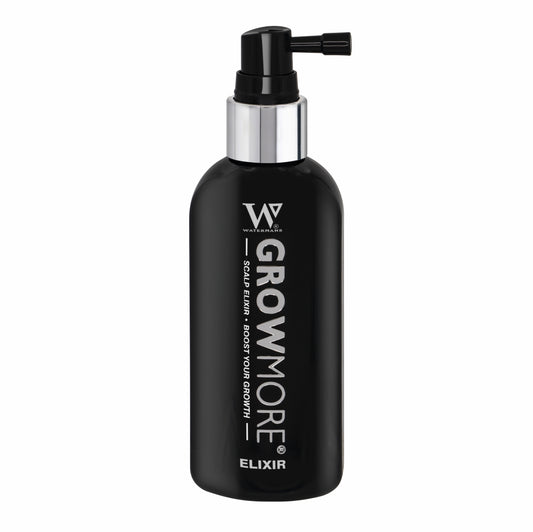
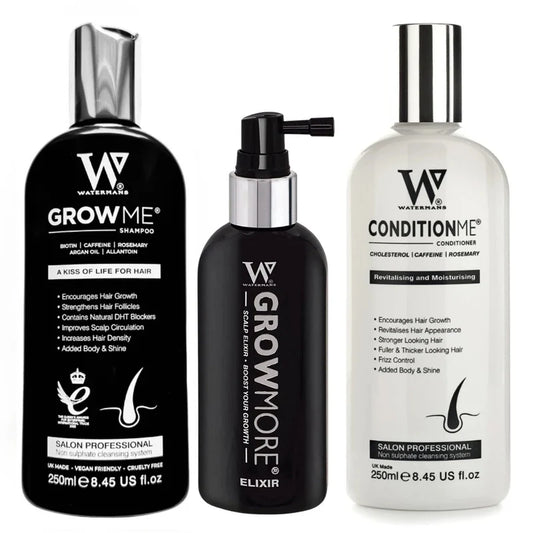
For a complete routine, some choose the Watermans Hair Survival Kit. This kit mixes shampoo, conditioner, and a scalp elixir to care for hair all day.
h2: Diagnosing androgen sensitivity: what to expect
There is no single test for androgen sensitivity. Doctors gather clues from your signs, history, and lab tests.
h4: Medical history and exam
A doctor will ask about:
• When you first saw hair thinning, acne, menstrual changes, or low energy
• Family history of early hair loss, PCOS, severe acne, or fertility issues
• Menstrual patterns (for women)
• Any medicines or supplements you use
• Prior use of steroids or extra testosterone
• Your stress, sleep, diet, and activity levels
The exam may check:
• Your scalp for hair patterns
• Your body hair
• Acne and oil on your skin
• Signs of insulin resistance (such as dark skin folds or belly fat)
• Development of sexual organs or muscle mass if needed
h4: Blood tests
Your tests might include:
• Total testosterone
• Free testosterone or its index
• DHEA-S
• SHBG
• Oestradiol (for women)
• LH and FSH (hormones from the pituitary)
• Prolactin
• Thyroid levels
• Glucose, insulin, and cholesterol
These tests help decide if you have high hormones, normal levels with high sensitivity, or low hormones.
h4: Imaging and special tests
Sometimes, especially for women with PCOS or adrenal issues, doctors may use:
• Pelvic ultrasound to view the ovaries
• Adrenal scans if a rare tumour is suspected
• On rare occasions, genetic tests for receptor mutations
h2: Treatment options for androgen sensitivity
There is no one-size treatment for androgen sensitivity. You must:
• Address hormones in your body
• Adjust how your tissues react
• Protect parts like scalp hair
• Choose steps that match your health and risk for side effects
Below are common approaches. Always talk with a care professional before changing your routine.
h2: Lifestyle steps to shift androgen effects
Changes in your day-to-day life can help. They work well for mild signs or with other steps.
h4: 1. Food and sugar balance
Your diet can change insulin, SHBG, and swelling in your body:
• Eat lean proteins, vegetables, fruits, whole grains, and healthy oils
• Cut back on sugary drinks, sweets, processed snacks, and white bread
• Add enough protein, omega-3 fats (from oily fish or walnuts), zinc (from meat or legumes), and fibre to support your gut and hormones
For those with insulin resistance and PCOS, lowering sugar and refined carbs may help lower free hormones.
h4: 2. Exercise and body shape
Regular exercise helps your body:
• Resistance training builds muscle and bone strength and may improve insulin response.
• Cardio helps control body fat and supports heart and metabolism.
A mix of these forms can ease many hormone shifts.
h4: 3. Sleep and stress care
Good sleep and low stress help:
• Keep cortisol low
• Balance testosterone
• Support SHBG control
• Regulate appetite and weight
Simple steps include:
• Keeping a steady sleep pattern (aim for 7–9 hours)
• Trying breathing exercises, yoga, or mindful walks
• Limiting work and screen time
Even small changes in sleep and stress can help your hair, skin, mood, and sex drive.
h2: Non-medical hair and scalp steps
For many, hair loss or thinning is the most visible problem. Before using medicines, it is best to care for your scalp.
h4: Why try topical options first?
Using good hair and scalp products can:
• Lower risks compared to pills
• Be used every day as part of your grooming
• Help with early thinning or add support when using other treatments
• Improve your scalp’s health, which plays a role in hair quality
h4: Watermans Grow Me Shampoo for hormone-linked hair
Watermans Grow Me Shampoo is popular among those with thinning hair from hormone sensitivity because it contains:
• A caffeine mix to help hair roots and oppose some DHT effects
• Biotin to support hair strength
• Rosemary to boost blood flow in the scalp
• Niacinamide to aid the scalp’s barrier
• Argan Oil to moisturise hair strands
• Allantoin to calm the scalp
• Lupin Protein to give volume and strength
This shampoo does not change blood hormone levels. It helps create a good setting for hair when follicles are reactive.
For a full routine, many add the Watermans Hair Survival Kit. This kit mixes shampoo, conditioner, and a leave-in scalp elixir to care for hair throughout the day.
h2: Medical treatments for androgen sensitivity and related signs
When symptoms become strong or affect your life, you may need medicines. These must fit your needs.
h4: 1. Anti-androgen medicines
These work mainly for women or others with hormone issues. Options include:
• Spironolactone: It blocks receptors. It works for acne, extra hair, and sometimes hair thinning. It also needs regular checks of blood pressure and potassium.
• Cyproterone acetate: It is a strong blocker and is sometimes mixed with other hormones in pills. It has risks that must be discussed with your doctor.
These do not lower hormone levels but stop their work on tissues.
h4: 2. 5-alpha-reductase inhibitors (DHT blockers)
These are used more by men (and sometimes with careful use by women). Examples:
• Finasteride: It blocks one type of 5-alpha-reductase, lowering DHT in the scalp and prostate. It is approved in many countries for hair loss.
• Dutasteride: It blocks both types and reduces DHT more.
These drugs can slow hair loss but may lead to low sex drive, mood changes, and other effects. Many first try non-drug paths like Watermans Grow Me Shampoo and lifestyle changes before moving on.
h4: 3. Birth control pills for women
Some pills lower ovarian hormone production and boost SHBG. This mix may improve acne, extra hair, and hair thinning. Pills differ in their strength against hormones and carry risks such as blood clots and mood shifts. A complete discussion with your doctor is needed.
h4: 4. Testosterone therapy and sensitivity
For men with low testosterone and signs of low energy, testosterone therapy may be tried. However, it raises overall hormone levels. This can worsen hair thinning if your follicles are very reactive. If you choose this route, a doctor will watch your blood counts, prostate tests, and heart risk markers.
h4: 5. Targeted steps for PCOS in women
Women with PCOS and high sensitivity may try:
• Metformin to help with insulin
• Weight care
• Anti-androgen medicines like spironolactone
• Birth control pills
• Fertility support if needed
Addressing overall body health is key and does not just focus on skin or hair.
h4: 6. Procedures for hair
If hair loss continues despite other steps, you might try:
• Microneedling or PRP (platelet-rich plasma) injections
• Low-level light or laser therapy
• Hair transplant
• Cosmetic changes like hair fibres or scalp design
Often these choices work best when combined with topical or other treatments.
h2: Practical steps if you suspect androgen sensitivity
If you see several of these signs, you can take clear steps.
h4: Step 1 – Watch and write down changes
Track:
• How your hair feels, falls, or thins
• Changes with acne or oily skin
• Menstrual cycle details (for women)
• Sex drive, energy, and mood shifts
• Changes in weight, waist size, or muscle strength
Taking photos or notes can help when you meet your doctor.
h4: Step 2 – Adjust what you can
While you get answers, you may:
• Improve your diet by choosing whole foods over processed ones
• Start or fine-tune an exercise plan
• Get better sleep and try stress-lowering methods
• Reassess any supplements or products that may affect hormones
For hair, you can:
• Use a scalp-friendly routine such as Watermans Grow Me Shampoo or the Watermans Hair Survival Kit.
• Avoid strong chemicals or very high heat on your hair.
h4: Step 3 – Ask a professional
Book an appointment with:
• Your GP first
• An endocrinologist if hormone or body issues seem likely
• A dermatologist if hair loss, acne, or skin issues are key
Share your notes and explain:
• When you first saw the signs
• How they have changed
• Any family history of similar problems
• What you have already tried
h4: Step 4 – Pick a plan that fits
Work with your doctor to decide:
• If tests are needed
• If a medicine is right for you
• How to mix medicines with lifestyle and scalp care
A mix of steps that fits your own body is usually best.
h2: FAQ – Common questions about androgen sensitivity
h4: Is androgen sensitivity the same as high testosterone?
No. Androgen sensitivity shows how strongly your tissues catch and use hormones. Blood tests show how much testosterone you have. You may have normal testosterone and high tissue reaction, or high testosterone and a lower reaction. Both work together to give the overall effect.
h4: Can androgen sensitivity cause hair loss even if my hormones are normal?
Yes. Many with pattern hair loss have normal blood tests. Their hair follicles catch DHT too easily, which leads to shrinking. That is why care for the scalp with Watermans Grow Me Shampoo and the Hair Survival Kit is common even when tests seem normal.
h4: How can I naturally cut the impact of androgen sensitivity?
You cannot change your genes. But you can affect how hormones act by:
• Eating well and moving enough
• Keeping a healthy weight
• Lowering stress and getting enough sleep
• Avoiding chemicals found in some plastics or cosmetics
• Caring for your scalp and hair follicles with products like Watermans Grow Me Shampoo
For more marked signs, combine natural steps with advice from a professional.
h2: Take the next step: support your hair and hormones today
If you face unexplained hair thinning, stubborn acne, changes in sex drive, or irregular periods, you do not have to wait for severe signs to act. Small and focused changes can help when you start early.
A smart and low-risk way is to care for your scalp while you get a checkup. In Australia, many people choose Watermans Grow Me Shampoo for its mix of biotin, rosemary, caffeine, niacinamide, argan oil, allantoin, and lupin protein. This shampoo works to energise the scalp and add body to your hair.
For a full routine, the Watermans Hair Survival Kit uses a shampoo, conditioner, and leave-in elixir to help your hair live its best life.
Pair these steps with small changes in your diet, exercise, sleep, and stress. And talk to your GP, dermatologist, or endocrinologist to find a plan that suits you.