androgenic shedding: causes, treatments, and proven hair regrowth tips
Androgenic shedding can shock and confuse. One month your hair feels thick; the next, you see more strands in the drain and on your pillow. You can learn what androgenic shedding is, what makes it happen, and which treatments help your hair regrow. This guide uses plain language and gives you steps you can try today. Many Australians now choose natural paths. They pick products like Watermans Grow Me Shampoo to support a healthier scalp.
What Is Androgenic Shedding?
Androgenic shedding means you lose more hair because of hormones such as testosterone and dihydrotestosterone (DHT). It often comes with pattern hair loss in both men and women. In simple parts:
• "Androgenic" links to hormones like testosterone and DHT.
• "Shedding" means hairs stop growing and fall out.
A hair follicle that is sensitive to DHT produces hairs that grow thinner and shorter. In time, you see less hair and sometimes bald spots.
Normal Shedding vs Androgenic Shedding: How to Tell the Difference
Every day your scalp drops hairs. You have about 100,000 hair follicles. Some hairs finish their cycle and fall out.
Typical Daily Hair Shedding
Most people lose 50–100 hairs per day. You may see some on your brush or in the shower. Yet, your hair still feels thick.
Signs of Androgenic Shedding
Androgenic shedding shows itself in one or more ways:
• More hairs fall daily. You see them in the drain, on your pillow, or in your hands when you wash.
• Thinning in certain spots.
- In men: a receding hairline, thinning at the temples, or a spot at the crown.
- In women: thinning on the top of the head with a broader part line; the front hairline stays the same.
• New hairs come in very light. They do not reach their old thickness.
• Family members show similar patterns.
Taking photos of your scalp every 1–2 months, under the same light, can help you see small changes.
The Hair Growth Cycle and Why It Matters for Androgenic Shedding
The hair cycle has parts that help explain why many hairs fall at once and why some treatments seem to make shedding worse at first.
The Three Main Stages
-
Anagen (growth phase)
- Lasts 2–7 years on the head.
- Most hairs (80–90%) are in this phase. -
Catagen (transition phase)
- Lasts 2–3 weeks.
- Hair stops its growth and detaches from blood supply. -
Telogen (resting and shedding phase)
- Lasts 2–4 months.
- Hairs fall out and a new one starts.
In androgenic shedding, follicles spend less time in growth and more in resting. This shift makes hairs fall out sooner and shortens the period of new hair growth.
This fact helps explain why:
• You see more hairs fall after stress, sickness, or hormone change when many follicles shift as one.
• Some treatments cause a short burst of shedding as weak hairs leave, making room for stronger ones.
Androgenic Shedding vs Telogen Effluvium
Two main reasons cause sudden hair fall. Androgenic shedding makes hair fall in a pattern while telogen effluvium makes hair fall evenly.
What Is Telogen Effluvium?
Telogen effluvium (TE) means hairs fall evenly. It may start 2–3 months after a strong stress. Examples include:
• Severe illness, surgery, or a high fever.
• Fast weight loss or a strict diet.
• Birth, when hormone levels change.
• Heavy stress or strong emotions.
• Some medicines.
• Not enough nutrients like iron or protein.
In TE, more hairs enter the falling phase early. The follicles stay healthy. With time or by fixing the problem, hair can regrow.
Key Differences
• Pattern:
- Androgenic shedding affects spots such as temples, crown, or mid-scalp.
- TE touches all areas evenly.
• Course:
- Androgenic shedding can last long and get worse if you do not act.
- TE is short and can reverse if the stress ends.
• Hair thickness:
- Androgenic shedding leads to hairs that come in thin and short.
- In TE, new hairs typically match the original thickness when the trigger stops.
Some people may show signs of both. For example, a person may have genetic thinning together with a TE episode after stress.
What Causes Androgenic Shedding?
Many factors adjust how your follicles react to hormones. The main drivers are:
1. Genes and Hormone Sensitivity
Pattern hair loss runs in families. If a parent shows hair loss, your risk goes up. Your genes affect how strongly your follicles respond to DHT.
Research finds that people with pattern hair loss may have:
• More 5-alpha-reductase. This enzyme turns testosterone into DHT.
• Extra androgen receptors in the hair follicle cells in certain parts of the scalp.
Even regular hormone levels can push follicles to shrink if you have this sensitivity.
2. Changes in Hormones
Although DHT sensitivity is at the heart of the problem, shifts in your hormone levels can change how much hair falls. For example:
• During puberty, hormone levels rise and show a hidden tendency.
• During pregnancy, higher oestrogen keeps more hair in growth. After birth, a sudden drop can lead to heavy shedding.
• In the years around menopause, lower oestrogen versus androgens can speed up hair fall.
• Changing birth control or hormone treatment can alter shedding patterns.
3. Stress and Daily Choices
Stress does not make pattern hair loss by itself. It can, however, make shedding worse by:
• Raising cortisol and shortening the growth phase.
• Disturbing your sleep and immune system.
• Leading to habits that hurt hair health, like poor eating, smoking, or too much alcohol.
Hairs may fall more when you face:
• Heavy work or exams.
• Loss or a breakup.
• Financial worry or big life changes.
In those with a tendency to lose hair, stress can speed up the process.
4. Lack of Needed Nutrients
Hair is not an essential part of the body. When food is short, your body sends nutrients to more important organs and leaves hair behind. Missing nutrients may not start hair loss but can make it worse. Key nutrients for hair are:
• Protein – hair is mostly made of keratin.
• Iron – low iron stores relate to hair shedding.
• Vitamin D – it helps the hair growth cycle.
• B vitamins and zinc – these support cell growth and a healthy follicle.
A balanced, healthy meal plan is the base for any hair regrowth plan.
5. Scalp Health and Inflammation
Your hair follicle lives on your scalp. If your scalp has long-lasting inflammation, dandruff, or a disturbed balance of skin germs, it may hurt hair growth. These issues can bring:
• More itch and flake.
• Small swellings around the follicle.
• A less friendly spot for hair to grow.
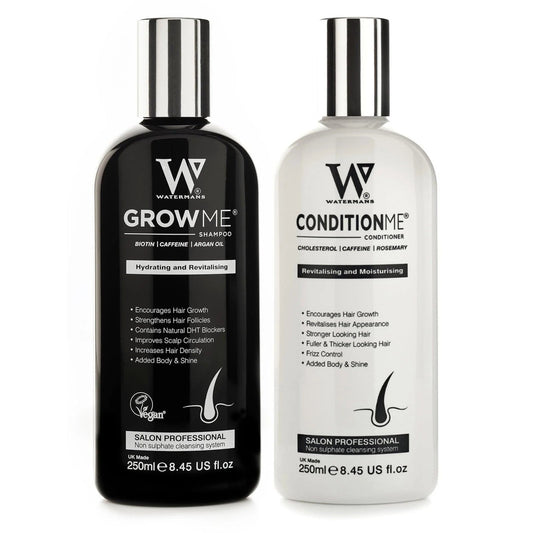
This challenge is why many choose scalp-friendly products. A product like Watermans Grow Me Shampoo works on the scalp. It has caffeine, biotin, rosemary, niacinamide, argan oil, allantoin, and lupin protein. The mix works to wake up the scalp and give hair a lift at the roots.
Early Signs of Androgenic Shedding You Should Not Ignore
It is easier to help your hair if you act soon. Look for these early signs:
• A wider part, seen most clearly in women.
• Receding hair at the temples, seen as an M-shaped hairline in men.
• A thinner ponytail that feels lighter or needs more wraps of an elastic.
• More scalp showing, especially in light or in photos.
• Extra hairs on surfaces like the shower, sink, or keyboard.
• Braids or buns that seem less full.
If you see these signs, act sooner so you can help your hair before the follicles shrink too much.
Diagnosing Androgenic Shedding: What to Expect from a Professional Assessment
Self-checks can be confusing. A doctor, dermatologist, or hair specialist can sort facts and rule out other causes.
1. Your History and a Visual Check
The doctor will ask about:
• When the shedding started and how it looks.
• Family history of hair loss.
• Recent illness, stress, or weight change.
• For women, questions about periods, pregnancies, or menopause.
• Medicines, supplements, and your haircare routine.
They will look at your scalp for thinning spots, redness, or scarring.
2. Blood Checks
Blood tests may include:
• A full blood count.
• Iron levels (including ferritin).
• Thyroid function.
• Vitamin D and B12 levels.
• Sometimes a hormone panel (for testosterone, SHBG, LH/FSH, or prolactin).
These tests may not show pattern hair loss itself. Still, they help spot other issues that can worsen shedding.
3. Scalp Imaging
A dermatologist might use a dermatoscope. This tool helps them:
• See the thickness of hair shafts.
• Notice variety in hair size (a sign of shrinking hairs).
• Count hairs in a small area.
Sometimes, a small skin sample helps decide the cause when the picture is not clear.
Core Strategies to Manage Androgenic Shedding
Managing androgenic shedding uses a mix of steps. These include:
• Keeping the scalp healthy.
• Lowering the effect of certain hormones.
• Adopting a good diet and healthy habits.
• Using treatments on the skin or orally when needed.
Begin with the gentler, scalp-friendly steps. Then, add treatments with your doctor if needed.
Natural and Cosmetic Approaches for Androgenic Shedding
Many people first try non-prescription steps to support the scalp and build strong hair.
1. Focus on the Scalp with Your Shampoo
Since androgenic shedding starts at the scalp, what you put near the roots is key. A good shampoo can work by:
• Cleaning the scalp without stealing its oils.
• Bringing active plant extracts and nutrients to the roots.
• Boosting blood flow at the scalp.
• Reducing irritation.
A product like Watermans Grow Me Shampoo is popular in Australia. Its mix contains:
• Biotin – to support strong keratin and hair strength.
• Caffeine – it may help hair follicles fight some effects of DHT.
• Rosemary – known to raise blood flow at the scalp.
• Niacinamide – keeps the skin’s barrier strong.
• Argan oil – gives softness without weight.
• Allantoin – calms an upset scalp.
• Lupin protein – gives hair more body and a thicker look.
Using this shampoo gives a way to work on the scalp and roots before or during other treatments.
2. Use Conditioner Wisely
Apply conditioner on mid-lengths and ends. It helps to:
• Cut down on breakage (which might look like shedding).
• Add shine and make hair easier to manage.
• Protect hair from damage.
Do not put heavy products on the scalp as they can weigh thin hair down.
3. Gentle Styling
When hair falls more than usual, it gets more weak. Try these steps:
• Avoid tight ponytails, braids, or buns that pull on the hairline.
• Choose soft hair ties over tight elastics.
• Limit the use of heat. When you use heat, spray on a protectant.
• Brush gently from ends upward.
These steps do not fix hormone issues, but they help keep the hair you have.
4. Good Diet and Supplements
A meal rich in protein helps hair hold together. Aim to eat:
• Lean meat, fish, eggs, beans, tofu, and dairy or alternatives.
• Leaves, berries, nuts, seeds, and whole grains.
• Healthy fats from olive oil, avocado, nuts, and oily fish.
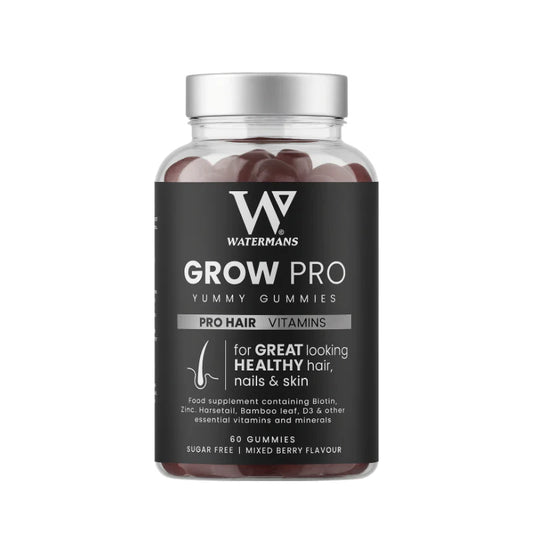
Some look at supplements made for hair, which may contain biotin, zinc, iron, vitamin D, and other helpers. Before you add supplements, check your iron and vitamin D levels with a doctor.
Medical and Clinical Treatments for Androgenic Shedding
Sometimes, natural steps are not enough. When shed hairs come from pattern hair loss, these treatments help.
Topical Minoxidil
Minoxidil is a common treatment for pattern hair loss in both men and women.
How it works:
• It makes the growth phase last longer.
• It helps small follicles grow bigger.
• It may boost hair density and strength over time.
Points to note:
• It is available in different strengths, such as 2% and 5%.
• You must use it every day, or the gains fade.
• Some lose more hair in the first 2–8 weeks as weak hairs fall out.
• A few may feel scalp irritation. A gentle shampoo can help.
Oral Medications
Always talk to a doctor before taking any oral medicine.
Some options are:
• 5-alpha-reductase inhibitors (like finasteride)
- They slow the change of testosterone into DHT.
- They can slow the loss and sometimes help regrowth.
- They are usually used by men; women may use them under strict care.
• Spironolactone (mostly for women)
- It works against androgens at the follicle.
- It is used when women have signs of high androgens.
Both these choices can have side effects and need a doctor’s guidance.
Low-Level Laser Therapy (LLLT)
Laser devices (caps, combs, or helmets) send low red light to the scalp to:
• Stimulate the cells in the follicle.
• Increase energy production in cells.
• Boost blood flow.
Trials show small gains in hair density when used for several months. Often, light therapy is used with other treatments.
Platelet-Rich Plasma (PRP) Therapy
PRP treatment is a process where:
- Your blood is drawn.
- The platelets and growth factors are concentrated by spinning the blood.
- The concentrate is injected into spots on the scalp.
The hope is that these growth factors make follicles work better. This treatment usually needs several sessions and sometimes follow-up visits. Results vary and the cost is high. Many use PRP along with a home scalp routine and other medicines.
Everyday Habits to Reduce Androgenic Shedding and Support Regrowth
These daily steps help the targeted treatments work better.
1. Manage Stress and Sleep
Poor sleep and high stress can worsen hair fall. Try to:
• Walk or exercise for 20–30 minutes daily.
• Use simple relaxation techniques or slow breathing.
• Keep a regular sleep schedule.
• Cut down on caffeine late in the day and avoid heavy screen time at night.
2. Skip Extreme Diets
Very low calorie diets do not give hair follicles enough protein and micronutrients. Aim for slow and steady changes in weight and include enough protein at every meal.
3. Stop Smoking
Smoking slows blood flow and raises stress on cells. Quitting smoking helps your overall health and your scalp’s condition.
4. Change Your Haircare Products
Use fewer products that do not affect the scalp. A simple routine works best:
• A shampoo that works at the scalp, like Watermans Grow Me Shampoo, helps with root volume and blood flow.
• A light conditioner on the lengths helps protect without weighing hair down.
• Avoid strong styling products that can build up and clog follicles.
Why Many People Start with Watermans Grow Me Shampoo for Androgenic Shedding
When you see signs of androgenic shedding, a modest step is to work on your scalp and gentle body. A product like Watermans Grow Me Shampoo is a favored choice in Australia.
This shampoo aims to:
• Work at the scalp. Caffeine and rosemary act on the roots to wake them up and help with blood flow.
• Support hair strength. Biotin and lupin protein work together to support hair fibers and give a fuller look from the base.
• Calm the scalp. Niacinamide and allantoin soothe the skin and help keep it stable.
• Bring volume. Its root focus makes hair seem thicker even when density drops.
No single shampoo can fix advanced hair loss, but many find that Grow Me fits well with other treatments. It makes hair feel better and supports a healthy scalp over time.
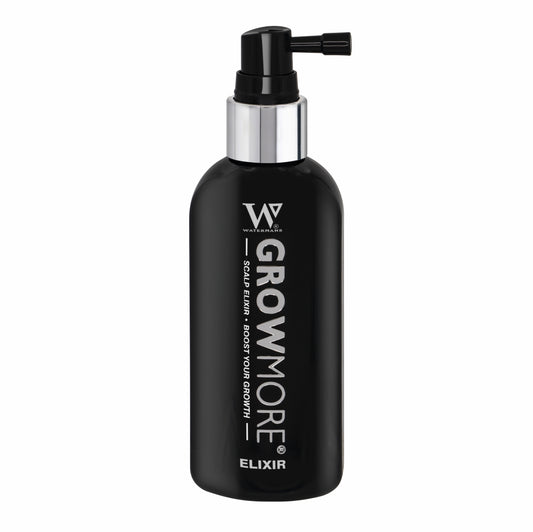
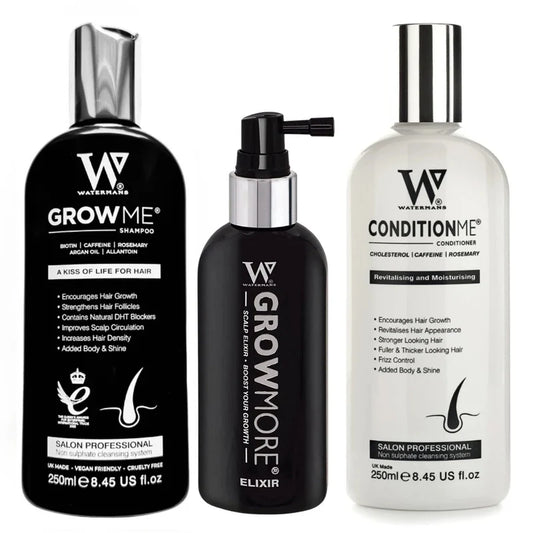
For a full routine, some try the Watermans Hair Survival Kit. This set works as a team with shampoo, conditioner, and a leave-in scalp liquid.
Building a Personal Plan for Androgenic Shedding
Androgenic shedding comes from genes, hormones, and daily life. Your plan must fit you. One example is:
-
Start with Scalp and Cosmetic Steps
- Swap to a scalp-energising shampoo like Watermans Grow Me Shampoo.
- Use a light conditioner on the mid-lengths and ends.
- Avoid strong chemical treatments and tight hairstyles. -
See a Professional
- Visit a GP or dermatologist for an evaluation.
- Get blood tests (iron, thyroid, vitamin D, etc.).
- Talk about whether your hair loss is typical for your family and what steps feel right. -
Improve Your Diet and Habits
- Eat enough protein and nutrients.
- Lower stress and get good sleep.
- Skip extreme diets and smoking. -
Add Evidence-Based Treatments
- Use topical minoxidil if it suits you.
- Consider oral medicines if needed and as agreed with your doctor.
- Think about using light therapy or PRP at a clinic if you wish. -
Watch and Adjust
- Take clear photos every 1–2 months.
- Keep track of the number of hairs you lose.
- Change your plan with your doctor based on your results.
Common Myths About Androgenic Shedding
Many ideas about hair loss cause worry or drop helpful steps.
"Washing my hair more makes it fall out."
The hairs you see in the shower were ready to fall out. Skipping washing makes them pile up. Using a shampoo that cares for the scalp helps:
• Keep follicles clean from extra oil or build-up.
• Bring active ingredients to the scalp.
• Make hair easier to manage.
"If my parents did not lose hair, I am safe."
Pattern hair loss comes from many genes. It can come from both sides of your family and skip generations. You may lose hair even if there is no clear history.
"Once hair starts to fall, nothing will help."
Severely shrunken follicles may stop making visible hair. Yet early or mild androgenic shedding can react when you mix treatments and lifestyle steps. A goal of slowing loss and regrowing some hair is possible.
Practical Daily Routine for Someone with Androgenic Shedding
Use a simple plan that fits your day:
- Morning - Rub your scalp gently for 1–2 minutes. - If you use minoxidil, apply it as told. - Style your hair in a loose, gentle way; do not pull at the hairline.
- Shower Days (3–5 times a week) - Wash your scalp with Watermans Grow Me Shampoo. Use your fingertips to massage at the roots. - Leave the lather on for a couple of minutes. - Apply conditioner on the mid-lengths and ends before rinsing well. - Pat your hair dry with a soft towel.
- Evening - If you use a leave-in scalp liquid (from the Watermans Hair Survival Kit), put some on the thinning spots. - Brush lightly to spread natural oils. - End your day with a quiet ritual to help you sleep well.
Stick with your routine over months. Hair grows slowly. Most people see clear changes in 3–6 months, with more gains later.
FAQ: Androgenic Shedding and Hair Regrowth
1. How Long Does Androgenic Shedding Last?
Androgenic shedding from pattern hair loss has no set end. Yet, with treatment, many see fewer hairs falling in 3–4 months and thicker hair after 6–12 months. A short burst after stress may stop when the trigger is fixed.
2. Can Androgenic Shedding Be Reversed Naturally?
It is hard to fully reverse pattern hair loss with natural steps alone. Still, for mild cases, working on your scalp care, diet, and habits may improve the look of your hair. A shampoo like Watermans Grow Me Shampoo can help support a thicker, fuller look. For more thinning, natural steps work best when paired with medical care.
3. What Is the Best Shampoo for Androgenic Shedding?
Pick a shampoo that works on your scalp, your blood flow, and root volume. Formulas with caffeine, biotin, rosemary, soothing agents, and proteins suit many. Watermans Grow Me Shampoo is a strong choice. It works to wake the scalp, support hair strength, and boost volume from the base without harsh chemicals.
Take Control of Androgenic Shedding Today
Androgenic shedding can feel hard, but you do not have to sit back. Learning about hormones, genes, and scalp care puts you in charge. By:
• Working on your scalp with a shampoo like Watermans Grow Me Shampoo
• Building strong habits for hair care, food, and lifestyle
• Adding trusted medical treatments when needed under doctor care
you give your hair a better chance to slow down shedding and regrow stronger strands.
If you are ready to start, try a scalp-first routine. Check out Watermans Hair and for a full set, consider the Watermans Hair Survival Kit. Small, steady steps now can lead to thicker, more confident hair in the coming months.