androstenedione Risks and Benefits: What Every Athlete Should Know
If you are an athlete who wants a legal edge, you have likely heard of androstenedione or “andro.” In the 1990s, top athletes spread its name. Back then, it was sold as a “natural” booster for testosterone. Now, many see it in a gray light. It is banned in most sports. Some online sellers still list it, and many hold old ideas about muscle, strength, and a “safe” way to improve performance.
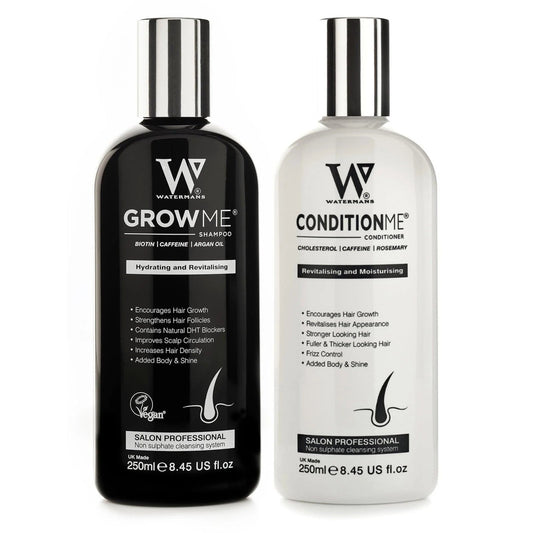
This guide explains what androstenedione does in the body. It shows its risks, its few benefits, and safer choices. If you worry that hormones, stress, or training affect your hair, we also look at ways to support hair health. One option is Watermans Grow Me Shampoo. Many athletes use it as they train hard.
What Is androstenedione?
Androstenedione is a steroid hormone made by the body. It sits directly next to testosterone and oestrogens in the hormone line.
How androstenedione fits into your hormone pathway
In your body, androstenedione links parts of a long chain:
- Cholesterol → pregnenolone → DHEA → androstenedione → testosterone → DHT (dihydrotestosterone)
- And it can change into oestrogens (such as estrone and estradiol)
Your body mainly makes it in:
- The adrenal glands
- The testes in males
- The ovaries in females
Since it can turn into testosterone, some supplement companies once sold androstenedione as a safe way to boost muscle growth. Later, research and rules showed many risks.
Why Athletes Became Interested in androstenedione
The original promise: more testosterone, more muscle
Advertisers said that androstenedione would:
- Boost strength and muscle legally
- Raise testosterone without injections
- Work as a “dietary supplement” instead of a drug
The idea was simple: take a hormone precursor and let your body make more testosterone. In truth, your body keeps a tight check on hormone levels. When you force one hormone higher, your body works to bring it down.
Key reasons athletes used androstenedione
- They hoped for extra muscle mass and strength
- The thought of faster recovery after hard training
- The idea of improved power and drive during events
- The claim of safety compared to banned steroids
Now we know that many of these promises are too high or come with serious side effects.
Is androstenedione Legal in Sport and Everyday Use?
Sporting bans and regulations
Most sport and doping organizations do not allow androstenedione. It is seen as an anabolic agent by:
- The World Anti-Doping Agency (WADA), which bans it
- The Olympics, top leagues, and most competitive sports
- Standard doping tests can detect it
For athletes in competitions, using androstenedione risks health and eligibility.
Legal status in Australia and other countries
Rules depend on the country. In general:
- In Australia, it is a controlled or prescription-only product, not a simple supplement.
- In the United States, laws now treat it as an anabolic steroid. It has been banned over the counter since 2004.
- Other countries have similar rules or full bans on it.
If you see capsules or powders named androstenedione online, use great care. The labels may mislead, and the product quality is often poor.
How Does androstenedione Work in the Body?
The conversion to testosterone and oestrogens
When you take androstenedione:
- Your body absorbs it into the blood and sends it to tissues.
- Enzymes like 17β‑hydroxysteroid dehydrogenase change it into testosterone.
- Aromatase enzymes change it into oestrogens (estrone, estradiol).
The key point is that you do not control which path is taken. Many think “more androstenedione means more testosterone.” In many people, a large dose may end up as oestrogens instead.
Feedback loops: your body pushes back
Your body uses feedback to control hormones. When you raise testosterone or its precursors, your brain slows down natural hormone production. This means:
- Less GnRH from the hypothalamus
- Less LH and FSH from the pituitary
This drop in natural testosterone shows up especially with long-term use.
Potential Benefits of androstenedione for Athletes
Short‑term, modest effects—if any
Studies on androstenedione show mixed and small benefits. In trials:
- Testosterone gains are small or inconsistent at normal doses.
- Sometimes, oestrogen levels go up more than testosterone.
- Improvements in strength, power, and lean mass are not clearly better than those from good training, nutrition, sleep, and recovery.
Some users mention:
- Feeling more intense or driven during training
- A slight boost in recovery speed
- A temporary sense of fuller muscles
These views must be weighed against clear risks to hormone balance and health.
Placebo and “stacking effects”
Many positive reports may come from:
- A belief that an edge makes one stronger
- Using androstenedione with other substances like caffeine or creatine
- More consistent training during a cycle of use
In scientific tests, androstenedione alone rarely lives up to the product messages.
Risks and Side Effects of androstenedione
For athletes, the key issue is not whether it works but at what cost.
Hormonal imbalance and endocrine disruption
Androstenedione changes into both testosterone and oestrogens. This can lead to:
- High oestrogen in males. This may cause:
- Gynecomastia (growth of male breast tissue)
- Extra fat around the chest and hips
- Lower sex drive and erectile problems
- Hormone shifts in females. This may lead to:
- Unpredictable menstrual cycles
- Worsening acne or hair changes
- Mood swings and tiredness
Over time, the body may slow its own hormone production. This means you could need extra help to feel normal.
Lipid profile and cardiovascular risks
Androstenedione may alter your blood fats:
- Lower good HDL cholesterol
- Raise bad LDL cholesterol
- Push up blood pressure
These changes can add to the risk for:
- Blocked arteries
- Heart attack
- Stroke
Young athletes may brush off these signs, but heart health problems build up over time.
Liver and kidney strain
Oral steroid precursors can stress the liver and, to some degree, the kidneys:
- Higher liver enzymes on tests
- Risk of liver damage with high or long use
- Extra risk when mixed with alcohol or other drugs
Even a label that sounds “natural” does not stop the liver from working hard.
Psychological and behavioural effects
Changing hormone levels can upset mood and actions:
- More irritability or sudden bursts of anger
- Feelings of anxiety or a need to move
- A drop in mood or signs of depression, especially when hormones fall after a cycle
- Problems with sleep
For athletes under pressure from games, studies, or work, such ups and downs can add to stress.
Reproductive and sexual health issues
For males, long-term changes may lead to:
- A lower sperm count and fertility
- Smaller testicles because of low LH and FSH
- Problems with sexual performance after stopping use
For females, higher androgens and changed oestrogen may cause:
- Unpredictable menstrual cycles or no periods
- A deeper voice, which may not go back
- Extra hair on the face or body
- Enlarged clitoris, a change that may last
androstenedione and Hair: Growth, Loss, and Hormonal Fallout
Hormones, training, and stress touch one thing you can see: your hair.
How androstenedione and DHT affect hair follicles
When androstenedione changes to testosterone, some testosterone turns into dihydrotestosterone (DHT) by the enzyme 5‑alpha‑reductase. DHT:
- Binds strongly to hair follicles
- Shortens the growth stage of hair
- Makes hair fibers thinner and shorter over time
In people prone to pattern hair loss, higher DHT levels can speed up thinning and shedding.

Where this matters for athletes
- Male athletes who see a fast receding hairline or thinning crown may face high DHT.
- Female athletes with more hair on the face or body, thinning scalp hair, or a wider part may show signs of hormone shifts.
Medical care is available. Still, many athletes choose to start with a care routine that treats the scalp without affecting hormones.
Non‑Medical Hair Support for Athletes: Watermans Grow Me Shampoo
If you push your body with heavy workouts or strict diets or if you use hormone products, your hair can show stress. Many people choose to improve their routine with a hair growth shampoo.
One choice, used in Australia and abroad, is Watermans Grow Me Shampoo. This product works on your scalp. It helps hair seem thicker and fuller without changing your hormones.
Key ingredients athletes often look for
Watermans Grow Me Shampoo holds:
- Biotin – supports keratin and hair strength.
- Rosemary – a herb that may boost blood flow to the scalp.
- Caffeine – may wake up the scalp and lower some DHT action.
- Niacinamide – a form of vitamin B3 that helps the scalp’s barrier.
- Argan Oil – adds moisture and can lower hair breakage.
- Allantoin – soothes and smooths the scalp.
- Lupin Protein – may help hair look fuller and stronger.
Many athletes like that this topical product works from the outside in. It does not affect overall hormones but cares for the hair and scalp.
androstenedione vs. Safer Performance Alternatives
Athletes who want to do well must ask: “Does androstenedione really work?” and “What else can I try?”
Evidence‑based, legal performance aids
Some supplements and habits have strong safety records and clear studies. For example:
- Creatine monohydrate – many studies show it supports high‑intensity energy and lean mass.
- Caffeine – boosts alertness and power when taken in the right dose.
- Beta‑alanine – helps buffer acid during exercise that lasts 1–4 minutes.
- Nitrate sources (like beetroot juice) – may help blood flow and endurance.
- Good protein intake – 1.6–2.2 g/kg/day gives muscle a chance to repair and grow.
- Combining creatine with carbohydrates – can give better gains than any hormone precursor.
None of these change your hormones the way androstenedione does. They are also allowed by doping rules if you keep to the guidelines for caffeine.
Training, recovery, and sleep: your true “secret tools”
Over time, the largest gains come from:
- Well-planned training sessions
- Enough sleep (7–9 hours is best for most athletes)
- Managing stress and building strong mental skills
- A good diet and proper hydration
- Preventing injuries and working on mobility
These steps do not give a quick fix. However, they make a lasting difference in your athletic career.
Spotting androstenedione in Supplement Labels
Even if you do not look for androstenedione, it can hide in products with different names.
Common label terms and red flags
Watch out for words like:
- Androstenedione
- Androstene
- 4‑androstenedione
- 5‑androstenedione
- Mixes called “prohormone” blends
- “Testosterone booster” items with secret ingredient lists or names that sound like steroids
If you follow strict rules, using products with vague labels is a risk. Such products may hide banned substances.
Practical Guidelines if You’re Considering androstenedione
This guide is not an invitation to use androstenedione. Many athletes hear about it through friends, coaches, or online ads. Knowing the facts helps you step back and see the whole matter.
Key points to consider
-
Check your sport’s rules
If you compete, assume that androstenedione is banned unless you see clear permission. A positive test can lead to suspensions, loss of titles, and damage to your reputation. -
Think about your long‑term health
Watch your cholesterol, liver, fertility, mood, and hair. Quick gains in training rarely counter the risks for years of hormone and heart issues. -
Review your basics
Ask if you have:- Good sleep quality and enough sleep
- The right mix of macronutrients and enough calories
- A solid strength and conditioning plan
- A clear path to recover (like easy-load periods, light recovery sessions, and stress control)
-
Consider safer, non‑hormonal support
For training, try legal options like creatine, caffeine, and beta‑alanine.
For hair care, choose topical methods such as Watermans Grow Me Shampoo. This shampoo uses ingredients like biotin, caffeine, rosemary, and lupin protein to care for your scalp and help hair look fuller. -
Talk with experts
You may wish to speak with:- A sports doctor or hormone expert about your hormone questions
- A sports dietitian about what to eat and safe supplements
- Your coach about how to plan training for the best gains
Balancing Performance, Appearance, and Wellbeing
Athletes face many challenges:
- Performing at a high level
- Staying in a healthy physical shape
- Looking after long‑term health and future prospects
- Keeping up confidence, including looking good with your hair
Why a broad approach beats risky shortcuts
When you chase quick gains, you might justify risky experiments with androstenedione. But using it can lead to:
- Hormone ups and downs
- Mood swings and anger
- Long‑term heart and reproductive problems
- Faster hair thinning if DHT levels get too high
A safer path puts your health, career, and wellbeing first. On this path, you still work on:
- A clear training plan
- A solid recovery routine
- A good diet and proper hydration
- Legal supplements
- Hair and skin care to help you stay confident
Integrating Hair Health into Your Athletic Routine
If you train hard or go through changes in weight and performance, your hair can show stress—even without hormone changes from androstenedione.
Everyday steps to support stronger‑looking hair
- Clean your scalp gently and well – Sweat, helmets, chlorine, and tight hair styles can stress your scalp.
- Give the scalp a top treatment – Ingredients like biotin, caffeine, rosemary, niacinamide, and proteins help the scalp work well.
- Condition and guard your hair – Regular care can lower breakage, especially if your hair is long, tied back, or exposed outdoors.
- Manage stress – Mental stress is linked with hair shedding. Mindful breaks and rest count here.
Many athletes use a simple, steady routine with products like Watermans Grow Me Shampoo to care for their scalp as they train.
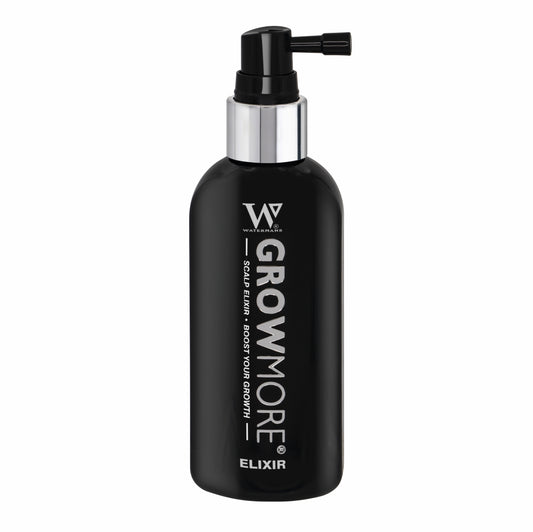
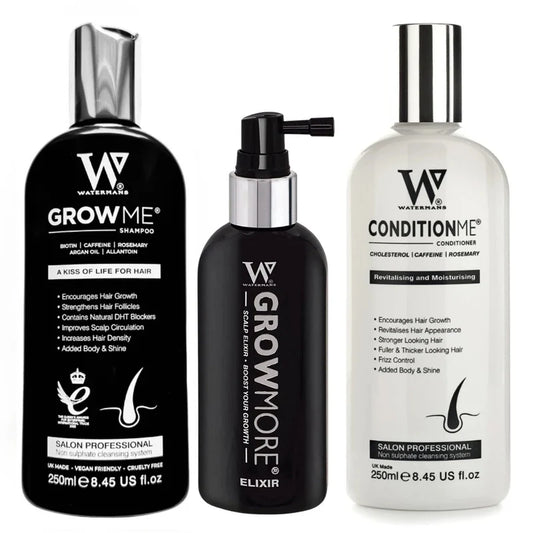
For a fuller routine, you might also try the Watermans Hair Survival Kit. It gives you a three‑step plan with shampoo, conditioner, and a leave‑in scalp formula. This works well for busy training schedules.
FAQ: androstenedione and Athletic Performance
1. Does androstenedione really build muscle and improve strength?
Research shows that at normal doses, androstenedione only makes small and mixed changes in testosterone. In some cases, oestrogen rises more than testosterone. Many studies do not find clear improvements in strength or muscle mass over what you get from good training, diet, and legal supplements. The risks to hormones, the heart, and staying in line with sports rules usually outweigh the small gains.
2. Is androstenedione safer than anabolic steroids for athletes?
No. Many countries treat androstenedione like an anabolic steroid. It can upset your hormone balance, change cholesterol, strain your liver, and cause mood swings. It also brings risks like lower natural testosterone, fertility issues, and hair loss in those prone to it. Being sold as a “supplement” does not make it safe.
3. Are there natural alternatives to androstenedione for performance and hair?
For performance, think of safer options such as creatine, caffeine, beta‑alanine, and a clear training and diet plan. For hair care—especially if you worry about stress and intense training—topical methods can help. Many athletes use Watermans Grow Me Shampoo and the Watermans Hair Survival Kit to care for their scalp and give hair a fuller look while avoiding changes to overall hormones.
Take the Smarter Path: Performance, Health, and Hair
If you take your sport seriously, trying androstenedione may seem tempting. Yet its risks to health, tricky hormone changes, and near‑universal sports bans make it a poor choice.
A better plan is to focus on the factors you can control:
- Smart training that follows a plan
- Legal, well‑studied supplements
- Good sleep, a balanced diet, and smart recovery
- Consistent care for your long‑term health, including your hair
If you see thinning, extra shedding, or want to protect your hair as you train, start with non‑medical scalp care. Try Watermans Grow Me Shampoo and the full Watermans Hair Survival Kit. Focus on performing well without risking your health or self‐image.