aromatase inhibitor hair loss: Expert Tips to Stop Shedding and Regrow
Aromatase inhibitor hair loss can hit you hard. It adds to the stress you face with hormone-positive breast cancer or other hormone problems. Aromatase inhibitors save lives but may also thin your hair, widen your part, and increase shedding. This guide explains why this happens, what you can do, and which support options—from everyday care to specialist treatments—may help slow shedding and boost regrowth.
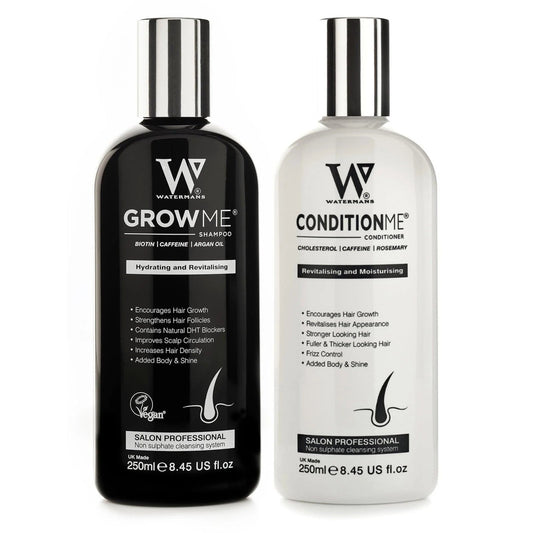
When you can, start with gentle, non-medical ways. In Australia, many people deal with aromatase inhibitor hair loss by switching to a high-performance, natural product such as Watermans Grow Me Shampoo. It has Biotin, Rosemary, Caffeine, Niacinamide, Argan Oil, Allantoin, and Lupin Protein. These help the scalp and add volume to hair at its roots. It is a strong first option before you try more direct treatments.
What Is Aromatase Inhibitor Hair Loss?
Understanding Aromatase Inhibitors
Aromatase inhibitors (AIs) are drugs used for:
- Postmenopausal women with oestrogen receptor-positive (ER+) breast cancer
- Some people with other hormone-sensitive cancers
- Occasionally, severe endometriosis or hormone regulation for fertility
Common AIs include:
- Anastrozole (Arimidex)
- Letrozole (Femara)
- Exemestane (Aromasin)
They block the aromatase enzyme. This enzyme changes androgens (like testosterone) into oestrogen. With less oestrogen in your blood, the fuel for some cancers is cut off.
How Aromatase Inhibitor Hair Loss Differs From Chemotherapy Hair Loss
Chemotherapy may cause sudden, full hair loss. AIs work differently:
- Loss happens slowly, not overnight.
- Hair thins rather than disappearing completely.
- Signs include:
- A widening part line
- A thinner ponytail
- More scalp show at the crown
- Increased shedding in the shower or on your pillow
For many, it looks like the common pattern of hair thinning. The cause here is a shift in hormones from blocking aromatase.
Why Aromatase Inhibitors Cause Hair Thinning
The Role of Oestrogen in Hair Growth
Oestrogen helps protect hair:
- It lengthens the growth phase of the hair cycle.
- It keeps hair dense and thick.
- It aids blood flow to the scalp and keeps follicles healthy.
Once you take aromatase inhibitors:
- Your oestrogen levels drop fast.
- The growth phase may shorten.
- More hairs enter the resting phase and then fall out.
- Hair that grows back can be finer and weaker.
The Androgen Connection
Blocking aromatase leaves you with lower oestrogen and relatively higher androgens. If your hair follicles are sensitive to androgens, this shift can:
- Shrink hair follicles, especially at the crown.
- Cause hairs to be shorter and thinner over time.
- Mimic the pattern of common hair loss.
This is why thinning often shows at the crown and in the part line first.
How Common Is Hair Loss on Aromatase Inhibitors?
Research shows varying numbers. Studies suggest:
- Up to 25–36% of people on AIs note some thinning or hair loss.
- Many also see dryness, brittleness, and changes in texture.
- Some note thinning of eyebrows and eyelashes, but scalp loss is more common.
For some, hair steadies after 6–12 months of treatment. Others may see slow thinning throughout. When you stop AIs, hair regrowth differs by person; some regain density while others may continue to have thinning based on genetics, age, and health.
Early Warning Signs: How to Spot Aromatase Inhibitor Hair Loss
Spot early signs so you can act fast. Look out for:
- More hair than usual in the shower or brush over several weeks.
- A noticeably wider part line in bright light.
- Less volume in a ponytail.
- More scalp shine at the crown or front.
- Dry, frizzy, or breakable ends.
- Thinning at the sides near the temples.
If you see these signs:
- Take photos with the same light every month.
- Talk with your oncologist or doctor about what you notice.
- Consider a visit to a dermatologist or trichologist who knows about oncology-related hair changes.
Non-Medical First Line: Caring for Hair and Scalp
Before trying medicines for hair loss, use low-risk, daily habits.
1. Switch to a Growth-Focused Shampoo and Routine
A good shampoo cannot fix hormones but can:
- Improve blood flow in the scalp.
- Create a better environment for hair growth.
- Make the hair appear thicker.
This is why a product like Watermans Grow Me Shampoo is often chosen as a base for treating hair loss from AIs. It is popular in Australia because it:
- Has Biotin for stronger hair strands.
- Uses Caffeine to awaken the scalp.
- Contains Rosemary and Niacinamide to help blood flow and protect the scalp.
- Includes Argan Oil and Allantoin to soften and comfort the scalp.
- Offers Lupin Protein to support and add volume at the roots.
Being non-medical and applied on the scalp, many feel safe to try it even during cancer treatment. Always patch test and ask your doctor if you have sensitive skin.
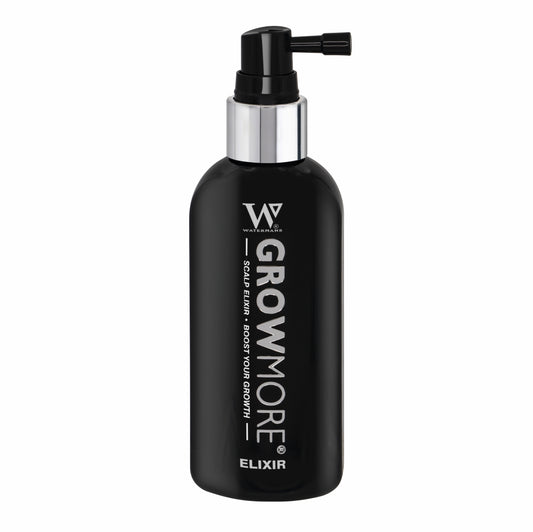
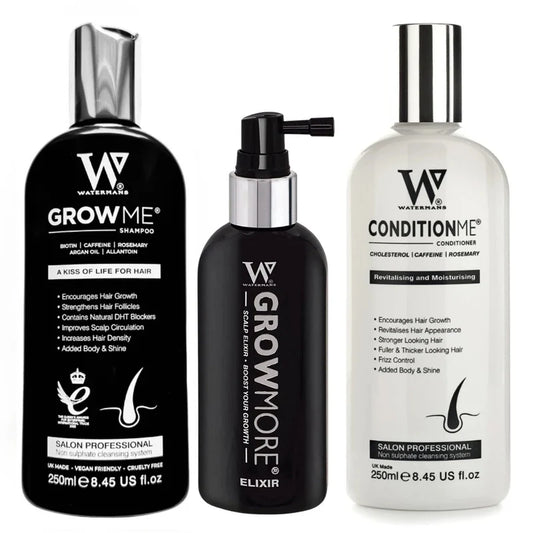
For a full routine, many use the Watermans Hair Survival Kit. It pairs the Grow Me Shampoo with a conditioner and a leave-in scalp boost to support your hair all day.
2. Gentle Styling and Handling
When your hair is stressed by hormones, it becomes fragile. Try to:
- Use a wide-tooth comb especially on wet hair.
- Avoid tight ponytails, buns, or braids that pull on the scalp.
- Limit heat tools; if you use them, add a protectant.
- Dry your hair with a soft T-shirt or microfibre towel.
- Sleep on a silk or satin pillowcase to cut down on friction.
3. Colouring and Chemical Treatments
If you are on aromatase inhibitors or other cancer treatments:
- Limit strong bleaching and high-lift colour.
- Space out any colouring sessions.
- Ask a stylist who knows cancer care about gentler dyes or root touch-ups.
- Hold off on chemical straightening or perming when you are shedding.
Lifestyle and Nutrition: Building a Supportive Base
Hair loss from aromatase inhibitors comes mainly from hormones. Yet your overall health matters too.
1. Protein and Hair Health
Hair is mainly keratin, a kind of protein. When protein is low, your body may choose organs over hair. Aim to have:
- A protein source at each meal like:
- Eggs, yogurt, lean meat
- Tofu, tempeh, legumes, chickpeas, lentils
- Nuts, seeds, or dairy if you can have it
Ask a cancer nutrition expert if treatment affects your eating.
2. Micronutrients Linked to Hair Growth
Nutrients that help include:
- Iron and stored iron (ferritin)
- Vitamin D
- Zinc
- B vitamins such as Biotin
- Essential fatty acids like omega-3
Do not take high doses on your own. Ask your GP or oncologist to check your levels. Fix any low nutrients under medical advice.
3. Stress, Sleep and Hair Shedding
Extra stress and lack of sleep, common during treatment, can worsen hair loss. Try:
- Short mindfulness or guided breathing sessions
- Gentle movement like walking, yoga, or stretching if your treatment allows
- A calm routine at night—dim lights, quiet reading, and no heavy screen time
- Support from cancer care services or experienced psychologists
Medical and Clinical Options for Aromatase Inhibitor Hair Loss
Many ask if it is safe to use usual hair loss treatments while on AIs. Speak with your oncologist first.
1. Topical Minoxidil
Minoxidil 2–5% (known as Regaine or Rogaine) is a common topical for pattern hair loss.
- It may increase blood flow around hair follicles and extend the growth phase.
- Some doctors support using it with aromatase inhibitors while others are cautious.
Keep in mind:
- It may take 3–6 months of consistent use to notice a change.
- Shed may rise in the first few weeks as the hair cycle adjusts.
- Benefits last only when you keep using it.
If you already use a growth shampoo like Watermans Grow Me, you might add minoxidil after you wash and dry your hair, but only if your medical team agrees.
2. Anti-Androgen Medications
Medications such as spironolactone or finasteride work for hair loss linked to androgens. For those on AIs:
- These drugs can affect hormone balance in sensitive cases.
- Some doctors worry about interactions with hormone-positive cancers.
Never start these without your oncologist’s clear consent.
3. Platelet-Rich Plasma (PRP) and Other Procedures
Some specialists offer:
- PRP injections into the scalp
- Low-Level Laser Therapy (LLLT) caps or combs
- Microneedling with growth factor serums
Evidence is still growing, but some patients note thicker hair. If you consider these:
- Choose a provider who works with cancer patients.
- See your oncologist first.
- Use these as extra help, not a substitute for standard care.
Cosmetic and Styling Strategies While You Regrow
Even as you treat the cause, smart styling can help you feel better.
Strategic Haircuts
Short, well-done cuts can:
- Hide thinning areas.
- Give the look of more volume and movement.
- Lessen the pull on fragile hair.
A soft bob, textured lob, or pixie cut may work best during treatment.
Colour and Dimension
Using colour wisely can hide scalp show:
- Darker lowlights and mixed tones add dimension and the idea of thick hair.
- Avoid very light, one-tone colours that make the scalp obvious.
- Root powders, fibres, or sprays can fill in sparse spots.
Keep treatments kind to your hair as follicles recover.
Volumising Products and Tools
- Use light volumising mousses or sprays at the roots.
- Blow-dry with a round or vent brush on low to medium heat.
- Try clip-in volume pieces or fringe pieces to cover thin areas.
Make sure these work with your routine that cares for your scalp.
Emotional Impact: Coping with Hair Loss During Cancer Treatment
Aromatase inhibitor hair loss is more than a look. It can:
- Bring feelings of grief, anger, or sadness.
- Serve as a constant sign of illness.
- Affect how you feel about yourself and in your relationships.
Caring for your hair is natural. Support is always available.
Emotional Support Options in Australia
- Cancer Council support services by phone or online.
- Hospital-based cancer support and counseling.
- Community groups and workshops that include hair and beauty sessions.
- Online groups for people on aromatase inhibitors.
Sharing with others in the same situation may help you gain useful tips and feel heard.
Practical Day-to-Day Plan for Aromatase Inhibitor Hair Loss
Here is an easy plan to help you move forward.
Step 1: Baseline Assessment
- Take clear photos of your scalp (front, sides, and crown) in the same light.
- Write down your current haircare routine and products.
- Note other signs like fatigue, weight changes, or mood swings.
Step 2: Medical Check-In
- Set up an appointment with your oncologist or doctor.
- Ask if the hair changes are likely from the AI.
- Inquire about appropriate blood tests (iron, vitamin D, thyroid, etc.).
- Request advice on safe topical options like minoxidil if needed.
- Ask for a referral to a dermatologist or trichologist with cancer care know-how.
Step 3: Improve Your Haircare Routine
- Switch to a scalp-stimulating wash like Watermans Grow Me Shampoo.
- If you want extra care, choose the Watermans Hair Survival Kit.
- Cut down on heat styling and avoid strong chemical treatments.
- Use gentle combs and soft pillowcases to protect hair.
Step 4: Support Your Body
- Eat meals that include protein and a variety of vegetables.
- Work with your team to fix any nutrient drops.
- Find short, simple ways to reduce stress.
- Aim for sleep that helps you recover; ask your care team for help if you struggle.
Step 5: Look Good While You Regrow
- Try a volume-friendly haircut.
- Use light care products and root concealers if you wish.
- Experiment with scarves, hats, or accessories that match your style.
Step 6: Reassess Every 3–6 Months
- Compare new scalp photos with your original set.
- Watch for changes in shedding or regrowth.
- Change your plan with help from your doctor and hair experts.
FAQ: Aromatase Inhibitor Hair Loss and Regrowth
1. Will aromatase inhibitor hair loss reverse after I stop treatment?
Many find that hair shedding slows and density improves over 6–12 months after stopping AIs. However:
- If you have a tendency for pattern hair loss, some thinning may stay.
- Age, health, and nutrients play a role in regrowth.
- Using supportive products like Watermans Grow Me Shampoo and proper nutrition may improve regrowth, but results vary.
2. Is aromatase inhibitor hair loss permanent?
Aromatase inhibitor hair loss does not always last. It may show or speed up pattern hair loss in people with a genetic tendency. Early steps—like mild, growth-focused care, correcting nutrient gaps, and approved topical treatments—help keep hair density steady or improve it over time.
3. What can I do naturally for aromatase inhibitor hair loss?
A natural approach may include:
- A scalp-stimulating routine with Watermans Grow Me Shampoo. It has Biotin, Rosemary, Caffeine, Niacinamide, Argan Oil, Allantoin, and Lupin Protein to help your scalp and add volume.
- Gentle handling with less heat, loose styles, and fewer chemicals.
- A balanced diet with enough protein, iron, zinc, and vitamin D (under guidance from your doctor).
- Stress and sleep habits that lower extra shedding.
These natural steps work alongside any advised medical treatments.
Take Back Control of Your Hair Journey
Aromatase inhibitor hair loss stands where life-saving care meets personal identity. Though you did not choose this path, you can care for your hair and scalp along the way.
You can:
- Notice hair changes early.
- Work with your oncologist, GP, and hair experts.
- Make low-risk, smart changes in your daily care and diet.
- Use gentle styling to reflect how you feel.
If you are ready to act, start with a simple, gentle plan that respects what your body goes through. Many in Australia begin with Watermans Grow Me Shampoo. Its blend with Biotin, Rosemary, Caffeine, Niacinamide, Argan Oil, Allantoin, and Lupin Protein works to wake the scalp and add volume at the roots.
For a fuller system, consider the Watermans Hair Survival Kit. This combines shampoo, conditioner, and a leave-in formula to support your hair across its cycle.
Act now by taking care of your scalp and hair, and work together with your medical team on other treatments. Give your follicles the best chance to stay strong and regrow.