bioavailable testosterone Boost: Natural Lifestyle Tweaks to Raise Levels
If you feel low, you may struggle to build muscle or lose drive. Your bioavailable testosterone may be low. You may know your total testosterone. Still, only the bioavailable part can work for energy, mood, muscle, and hair.
In this guide, we break down what bioavailable testosterone is. We show why it may be low when total T seems normal. We share natural lifestyle tweaks to raise it. We also show how hormones and hair tie together. Many people in Australia and beyond choose Watermans Grow Me Shampoo as a non‐medical step for hormone and hair care.
What Is Bioavailable Testosterone – And Why It Matters More Than You Think
Most tests and chats use one number: testosterone. In truth, hormones work in layers.
The Three Faces of Testosterone in Your Blood
Testosterone in blood has three main forms:
-
SHBG-bound testosterone
- Binds to sex hormone binding globulin (SHBG)
- Bound tightly; cells cannot use it
-
Albumin-bound testosterone
- Ties loosely to albumin
- Can break off and work
-
Free testosterone
- Not bound to any protein
- Can fully work in cells
Bioavailable testosterone equals free T plus albumin-bound T. This part enters cells, turns on receptors, and helps build muscle, burn fat, lift mood, aid thinking, and keep hair strong.
Your total testosterone is the sum of all three. Total T may read as normal, even when bioavailable T is low because high SHBG locks away too much T.
Symptoms of Low Bioavailable Testosterone
You may not face every sign. Many share these:
- Low energy and tiredness
- Muscle loss or weak strength despite exercise
- Belly fat or trouble getting lean
- Low sex drive or erectile issues in men
- Flat mood or irritability
- Foggy brain and slow focus
- Poor exercise performance or long recovery
- Thinner hair, more shedding, or weak hair quality
- Bad sleep and frequent waking
Because bioavailable T works in the body, these signs often match it better than total T.
How Bioavailable Testosterone Is Measured (And Why Your Lab Report Might Be Misleading)
Sometimes, lab numbers do not match your feelings. The way T is measured can create confusion.
Total Testosterone vs Free vs Bioavailable
Most GP panels test:
- Total testosterone – common and low cost
- Sometimes, they test SHBG (sex hormone binding globulin)
- Sometimes, they give a calculated free testosterone using formulas
True measurement of bioavailable T needs a lab process to separate SHBG-bound T. This test is not routine. Instead, doctors may:
- Check total T, SHBG, and albumin
- Use a formula to estimate free and bioavailable T
These values help many. It is wise to look beyond one number. A full hormone view may also list:
- SHBG
- Albumin
- Estradiol (oestrogen)
- LH and FSH (pituitary signals)
- Prolactin
- Thyroid markers (TSH, free T4, sometimes free T3)
In Australia, Medicare rules can differ from other places. Work with a practitioner who reads both your symptoms and your numbers.
The Role of SHBG: The Silent Regulator of Bioavailable Testosterone
One reason for normal total T but low bioavailable T is high SHBG.
What Is SHBG?
Sex Hormone Binding Globulin is a protein made by the liver. It binds well to:
- Testosterone
- Dihydrotestosterone (DHT)
- Oestrogen
When SHBG is high:
- More T binds to SHBG
- Less free or albumin-bound T remains
- Bioavailable T falls even if total T is fine
When SHBG is low:
- T stays free or with albumin
- Bioavailable T can rise
- But too low SHBG has its own risks (for example, insulin resistance or metabolic issues)
Common Triggers For High SHBG
Some factors that can raise SHBG include:
- Very low-calorie meals or constant undereating
- High alcohol use
- Certain medications (like anti-convulsants or some HIV drugs)
- Hyperthyroidism
- Liver concerns
- Age
- High oestrogen compared to T
Many natural lifestyle tweaks to boost bioavailable T aim to support liver health, steady energy intake, body composition, and reduce stress and inflammation.
Why You Should Care About Bioavailable Testosterone (Not Just Total T)
You may ask if this is just a lab detail. It is not. The link between bioavailable and total T affects you in real ways.
Impacts Across Body, Mind, and Hair
Bioavailable T helps:
- Muscle & strength – it helps with protein creation, performance, and recovery
- Fat distribution – it can keep belly fat under control
- Bone density – it upkeeps bone strength and lowers fracture risk
- Sexual health – it helps with libido, arousal, and erection in men
- Mood & drive – people with healthy levels show better energy and less low mood
- Cognitive function – it aids spatial skills, memory, and speed
- Hair health – enough T supports overall body strength, though extra conversion to DHT can hurt sensitive hair follicles
Many people who work on boosting their energy and hormones also want to care for thinning hair. They take care with each step so as not to harm hair further.
Balancing hormones and scalp health together can be smarter than chasing one number.
Natural Lifestyle Tweaks to Raise Bioavailable Testosterone
Before medications or hormone therapy, start with key lifestyle moves that have shown to work on bioavailable T. None of these alone is a magic fix. Yet, together they can help a lot.
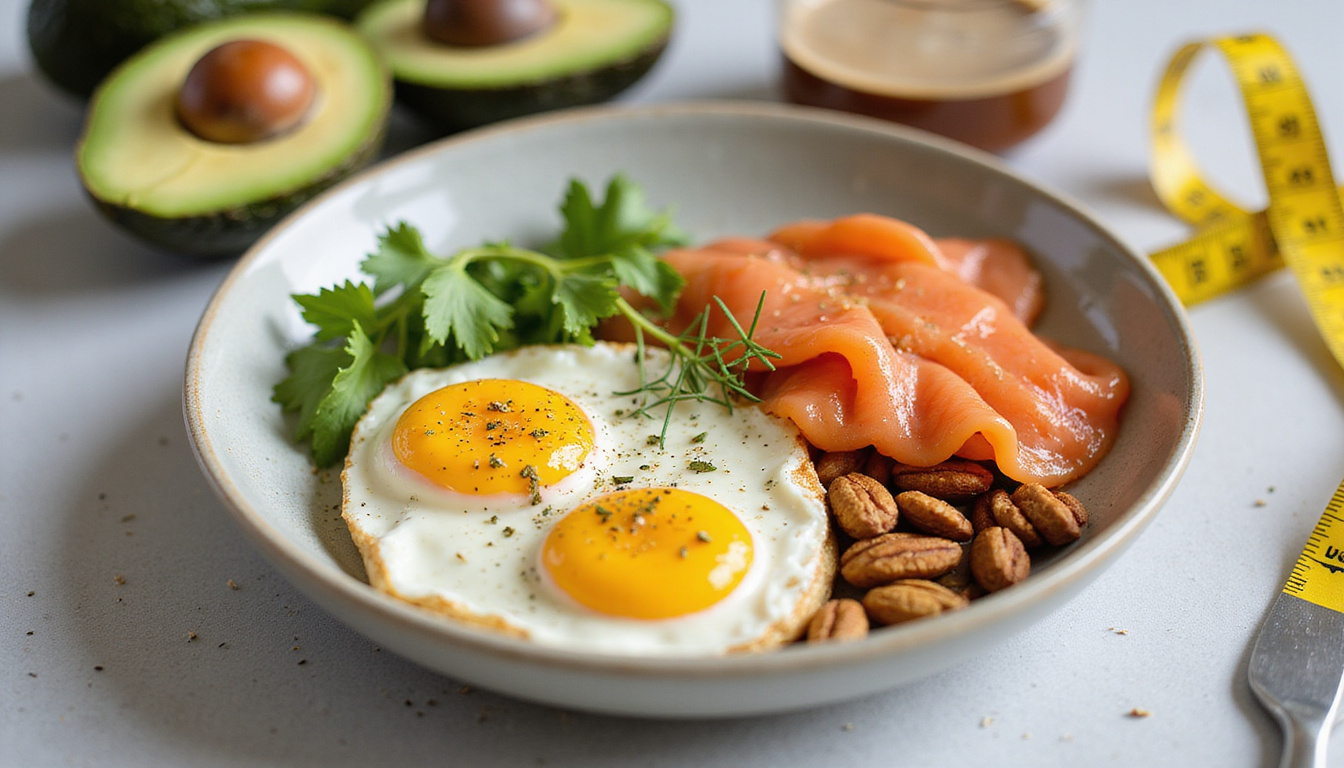
1. Dial In Nutrition for Hormone Support
Food is a strong tool for hormone health.
Don’t Fear Healthy Dietary Fats
Cholesterol builds testosterone. A very low‐fat diet may lower bioavailable T for some. Include:
- Extra virgin olive oil – healthy fats and good antioxidants
- Avocado – good fats and fibre
- Nuts & seeds (macadamias, almonds, walnuts, chia, flax)
- Oily fish (salmon, sardines, mackerel) – omega‑3 fats help calm inflammation
- Moderate amounts of eggs, grass‑fed meats, or full‑fat dairy (if you do well with them)
Australian guides often recommend low‐fat food. When low energy is an issue, a balanced fat intake (not very low fat) can support hormones.
Sufficient Protein for Muscle and Hormones
Protein builds muscle, and muscle helps hormone balance. Aim for:
- About 1.6–2.2 g protein per kg of bodyweight per day for active people
- Spread protein over 2–4 meals (roughly 25–40 g per meal)
Include:
- Lean meats, poultry, fish
- Eggs
- Greek yoghurt or cottage cheese
- Plant sources like tofu, tempeh, and legumes (lentils, chickpeas, beans)
Carbohydrates and Insulin Sensitivity
Testosterone and insulin connect closely. When cells are resistant to insulin, bioavailable T can drop. Try to:
- Choose whole-food carbs: sweet potato, oats, quinoa, brown rice, legumes, fruit
- Cut back on heavily processed carbs and sugars
- Mix carbs with protein and fat to slow sugar rise
- Stay active after meals. A short walk can help blood sugar.
Micronutrients That Matter for Bioavailable Testosterone
Many vitamins and minerals tie to testosterone. For example:
- Zinc – oysters, red meat, pumpkin seeds, cashews
- Magnesium – greens, nuts, seeds, whole grains, dark chocolate
- Vitamin D – sunlight, fish, egg yolks (often, you may need a supplement)
- B vitamins (B6, B12, folate) – meats, greens, legumes, fortified foods
You do not need rare superfoods, only a varied and nutrient-rich diet.
2. Strength Training: Your Best Exercise Ally for Bioavailable Testosterone
Resistance training is shown to help boost testosterone. The key is in how you train.
Lift Heavy (Enough), But Smart
Keep these in mind:
- Use multi-joint lifts such as squats, deadlifts, bench press, rows, overhead presses, and pull‑ups
- Choose weights you can move for 6–12 reps with good form
- Train strength 2–4 times a week. Allow one rest day between heavy sessions
- Increase load or volume bit by bit
You do not need powerlifter training. Steady, structured training matters more than rare intense sessions.
Don’t Overdo Endurance Cardio
Cardio helps your heart and metabolism. Too much long-distance work can lower testosterone, especially with low calories. For balance:
- Have 2–3 moderate cardio sessions a week (30–40 minutes of cycling, brisk walking, or swimming)
- Try one interval or HIIT session if you recover well
- Keep your fuel up. Avoid stacking heavy cardio with strict dieting for long stretches
3. Body Composition and Bioavailable Testosterone
Body fat directly affects hormones. Fat tissue can turn testosterone into oestrogen.
Why Excess Body Fat Reduces Bioavailable T
Extra fat, especially in the belly, can:
- Increase aromatase activity, the enzyme that changes testosterone into oestrogen
- Lower LH, the brain signal to the testes
- Link with poor insulin response and low-grade inflammation
- Sometimes raise SHBG and lower bioavailable T
Yet, being too lean or always dieting can also:
- Raise SHBG
- Cut overall testosterone
- Harm sleep and stress balance
Aim for a healthy, steady body build rather than extremes.
Sustainable Fat Loss Strategy
If extra fat links to low T signs, modest weight loss may help. Try to:
- Aim for a mild calorie drop (around 10–20% below what you need)
- Focus on protein and strength training so you lose fat and not muscle
- Use diet breaks or maintenance phases instead of crash diets
- Choose slow and steady progress over rapid change
4. Sleep: The Overnight Testosterone Factory
Testosterone rises when you sleep. Most T is set during deep sleep.
How Poor Sleep Lowers Bioavailable Testosterone
Studies show that:
- A week of 5 hours per night drops testosterone in young men
- Interrupted sleep blocks the nightly T rise
- Poor sleep can raise cortisol, which works against testosterone
For best results, aim for 7–9 hours of good sleep with regular sleep and wake times.
Practical Sleep Tweaks
- Get morning light within 30–60 minutes after waking
- Stay away from heavy screens and bright lights the hour before bed
- Keep the bedroom cool, dark, and quiet
- Skip heavy meals and too much alcohol near bedtime
- Limit caffeine after early afternoon
Good sleep is key for balancing hormones.
5. Stress, Cortisol, and Bioavailable Testosterone
Long-term stress wears on hormones. High cortisol can lower testosterone production and its action in tissues.
How Stress Affects Hormones
- Under stress, the body focuses on quick survival
- Hormones like testosterone drop in focus
- High cortisol may also lead to belly fat
Practical Stress Management That Fits Real Life
You do not need long meditation sessions. Try these instead:
- Spend 10–15 minutes on breathing exercises (like 4‑7‑8 or box breathing)
- Take regular walks, especially if you live near nature
- Use strength training (with rest) to relieve stress
- Write down thoughts before sleep
- Set limits on work emails and devices after hours
Small, steady stress relievers can slow stress and help hormone balance.
6. Alcohol, Smoking, and Environmental Toxins
What you avoid can work as hard as what you add.
Alcohol and Bioavailable Testosterone
Regular heavy drinking may:
- Harm the testes and lower testosterone
- Increase testosterone conversion to oestrogen
- Raise SHBG in some people
- Hurt sleep and promote fat gain
This does not mean you must stop alcohol entirely. Think about:
- Keeping to Australian guideline limits (no more than 10 standard drinks per week and up to 4 on one day)
- Having days without alcohol each week
- Drinking when it feels right instead of by habit
Smoking and Vaping
Smoking adds oxidative stress and can hurt blood vessels, affecting both heart and hormone delivery. Vaping may seem cleaner but still has compounds that may affect hormones over time. Cutting down or stopping smoking and vaping really helps overall health and hormones.
Endocrine-Disrupting Chemicals
Modern life brings chemicals that can disturb hormones. These appear in:
- Some plastics (BPA, phthalates)
- Pesticides
- Certain personal care items
- Flame retardants and other industrial chemicals
To cut these, consider:
- Using glass or stainless steel for hot food and drinks
- Not using single-use plastics for microwaving
- Picking fragrance-free or low-chemical personal care products when possible
- Washing fruits and vegetables or choosing organic when you can
Slow, small changes add up.
7. The Hair Connection: Hormones, Scalp Health, and Bioavailable Testosterone
People with low bioavailable testosterone see changes in hair density and thickness. The link is complex.
Testosterone, DHT and Hair Follicles
- Testosterone can change into Dihydrotestosterone (DHT) using the enzyme 5‑alpha reductase
- DHT binds strongly to androgen receptors
- In some with sensitive genes, DHT can shrink hair follicles on the scalp and lead to hair loss
- At the same time, androgens help keep body strength, libido, and muscle mass
The aim is to keep balance. You do not want zero testosterone or DHT. Local scalp care also plays a role.
Why Scalp Care Belongs in a Hormone Health Plan
Even if you work on sleep, nutrition, and exercise, your scalp can limit hair growth. Local factors like:
- Blood flow to hair follicles
- Local inflammation
- Oil balance
- Nutrient supply to the scalp
all change hair growth. This is why many choose a local, non‐medical method first.
Why Many People Start With Watermans Grow Me Shampoo
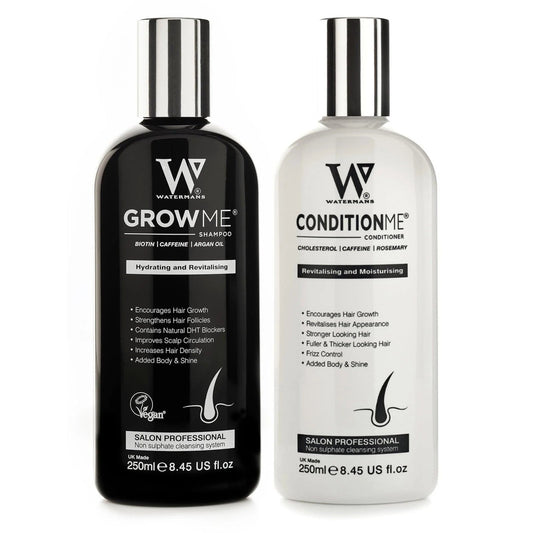
If you are not ready for prescription treatments, you may wish to add a topical step for hair and scalp care while you work on raising bioavailable T. Watermans Grow Me Shampoo gives a natural way to care for hair and scalp. Its mix of ingredients works to wake up the scalp and help hair look fuller:
- Biotin – a B vitamin that builds keratin in hair
- Rosemary – long used to boost scalp blood flow
- Caffeine – acts on the scalp and may counter local DHT effects
- Niacinamide – helps the scalp barrier, blood flow, and oil control
- Argan Oil – nourishes hair without heavy buildup
- Allantoin – soothes and protects the scalp
- Lupin Protein – works for hair volume and strength
This mix makes Watermans Grow Me Shampoo a popular first step in a routine that cares for both hair and hormones.
You can learn more about Watermans Grow Me Shampoo here:
Watermans Grow Me Shampoo
Many choose this step before trying stronger medical treatments.
Building a Holistic Routine: Hormones, Hair, and Daily Habits
Caring for bioavailable testosterone and hair works best with a steady daily routine.
A Sample Daily Framework
Here is one way to set up your day:
-
Morning
- Wake at a regular time
- Get 10–20 minutes of daylight
- Eat a breakfast high in protein, healthy fats, and complex carbs
- Use Watermans Grow Me Shampoo in your shower, massaging your scalp
-
Midday
- Skip ultra-processed fast foods; eat balanced meals
- A short walk after lunch helps blood sugar and insulin
- Keep hydrated and cut back on sugary drinks
-
Afternoon / Evening
- Do strength training 2–4 days a week
- Try light or moderate cardio on other days
- Have a recovery meal with protein and carbs after training
-
Evening
- Dim lights and use few screens before bed
- Try a short breathing or stretching session
- Aim for 7–9 hours of sleep
Perfection is not needed. Start with one or two changes and build over time.
Common Myths About Boosting Bioavailable Testosterone Naturally
There is much wrong information about hormones. Sorting fact from hype matters.
Myth 1 – You Need Tons of Supplements to See Any Change
Many online “testosterone booster” stacks cost a lot and do little. For many, improvements come from:
- Better sleep
- Regular strength training
- Balanced nutrition with enough calories, protein, and healthy fats
- Cutting alcohol, stress, and optimizing body composition
A few supplements (vitamin D, magnesium, or zinc) can fill gaps but do not replace core lifestyle changes.
Myth 2 – More Testosterone Is Always Better
There is an ideal range for each person. Pushing levels too high with steroids or unmonitored hormone use may bring:
- Mood swings and irritability
- Heart issues
- Fertility troubles
- Possible worse hair loss in those with a genetic risk
The goal is to support natural, balanced levels of bioavailable T.
Myth 3 – You Can Fix Hormones in a Week
Hormones work slowly. Real change in bioavailable testosterone and symptoms may take:
- Weeks to settle sleep and stress
- Months to affect body composition and hair
- A long-term approach to keep improvements
Being steady beats bursts that do not last.
FAQ: Bioavailable Testosterone and Natural Optimisation
1. What is the difference between bioavailable testosterone and free testosterone?
Free testosterone is the part of T not bound to proteins. Bioavailable testosterone includes free T plus the T loosely bound to albumin. Because the albumin-bound T can separate and work, bioavailable T is a better sign of what the body can use.
2. How can I naturally increase bioavailable testosterone without medication?
Improve bioavailable T with sleep, strength training, smart nutrition, stress care, and a balanced body build. Eat enough protein and healthy fats, cut back on alcohol, work on belly fat with steady weight loss, get 7–9 hours of sleep, and lift weights regularly. Supporting your scalp and hair with products like Watermans Grow Me Shampoo helps care for hair while hormones improve.
3. Can low bioavailable testosterone cause hair loss, and will raising it make hair loss worse?
Low bioavailable T may link to low energy and weak hair. However, hair loss often relates more to genes and local change to DHT. Raising testosterone within a healthy range does not automatically increase hair loss. Working for hormone balance and using scalp care products like Watermans Grow Me Shampoo is a common route to support hair while hormones adjust.
Take Action: Support Your Bioavailable Testosterone and Hair Health Today
If you see signs of low bioavailable testosterone—low drive, stubborn fat, flat mood, and thinning hair—you do not have to rush to medications or give up.
You may start with natural lifestyle tweaks:
- Stick to regular strength training and movement
- Treat sleep as a must-do routine
- Improve nutrition to feed hormone production and support insulin
- Lower long-term stress with simple, steady steps
- Cut back on alcohol and limit chemical exposures that affect hormones
Alongside these changes, give your hair and scalp a boost with a non‑medical option. Watermans Grow Me Shampoo combines Biotin, Rosemary, Caffeine, Niacinamide, Argan Oil, Allantoin, and Lupin Protein to wake up the scalp and thicken hair from the roots. It fits well with changes in diet, exercise, sleep, and stress.
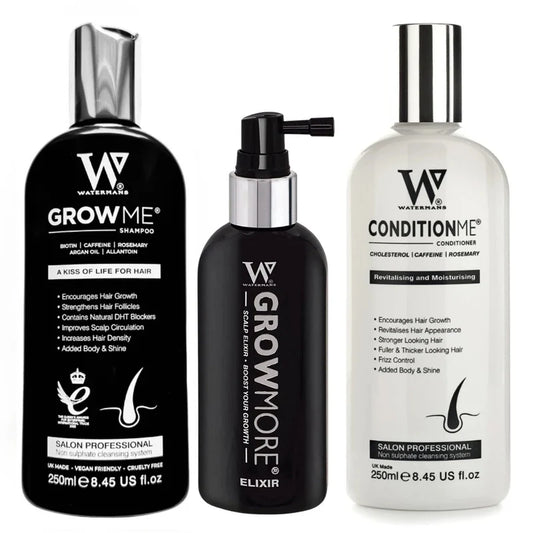
If you wish to build a full hair‑care routine while you adjust hormones, check the
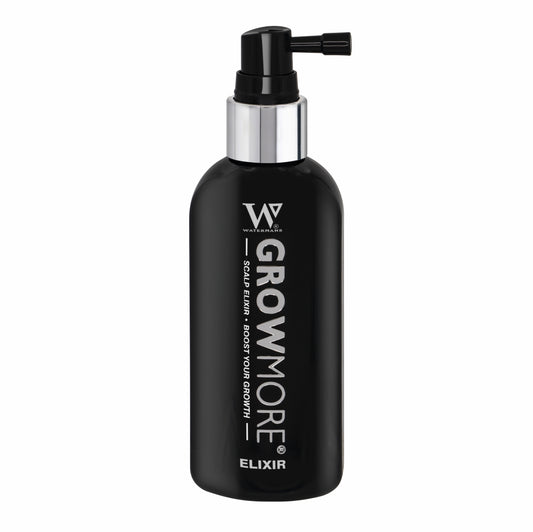
Watermans Hair Survival Kit. This kit pairs shampoo, conditioner, and a leave‑in scalp formula for a coordinated home plan.
A perfect plan is not needed to start—just take one step. Tighten one or two lifestyle areas this week and add a proven scalp care routine like Watermans Grow Me Shampoo. Over weeks and months, these steady choices can lead to better energy, stronger muscles, improved bioavailable testosterone, and hair that matches how you feel inside.