biotin Boost: Proven Tips to Grow Thicker Hair Naturally
If you search for ways to gain thicker hair, you see biotin. Biotin sits on shampoo bottles, hair gummies, and pills. Many call it a wonder vitamin for hair. Here we ask: What is biotin? What does science say? How can you use it safely to boost hair density with natural care?
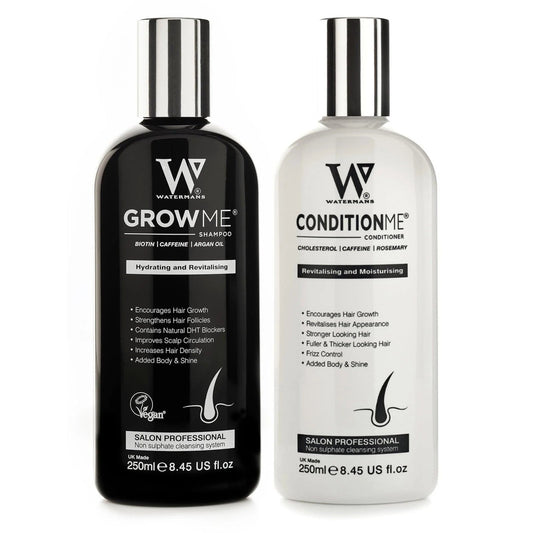
This guide from Australia shows what biotin does, who it helps, how to support hair from within and on top, and why a good hair‐care routine (with products like Watermans Grow Me Shampoo) comes first over strong treatments.
What Is Biotin and Why Is It Key for Hair?
Simple Words on Biotin
Biotin is also called vitamin B7 or vitamin H. It is a water‑soluble vitamin that helps your body turn food into energy. Even more, biotin helps make keratin. Keratin builds hair, skin, and nails. It also helps cells grow. Hair follicles, which grow fast, need biotin. It also helps process fats. These fats support scalp oils and cell walls.
When biotin is very low, hair gets thin, brittle, and may shed.
Does Biotin Really Thicken Hair? What Science Says
Biotin and Hair Growth: Fact Over Hype
The plain fact is threefold:
• A lack of biotin can lead to hair loss.
• Fixing a low biotin level helps hair grow normally.
• If you have enough biotin, extra amounts will not change hair much.
Clinical studies show that a low biotin level can cause:
• Overall thinning and shedding
• Dry, weak hair
• Red, scaly patches on the face
• Weak, split nails
When people take biotin under these circumstances, the hair regains strength because the body now has the raw parts to make keratin.
But if your biotin levels are normal, other things matter more. These include:
• Your genes and age
• Hormonal balance
• Scalp health and inflammation
• Overall nutrition (iron, zinc, protein, vitamin D, etc.)
• Hair styling and chemical use
This does not make biotin unhelpful. It means biotin works best as part of a full care plan, not as the only fix.
The Natural Start: Upgrade Your Hair Routine
Before you try high‑dose pills or clinical treatments, start with scalp care found in nature. These work by feeding your hair at its root.
In Australia, one top choice is Watermans Grow Me Shampoo. Its salon-grade mix has:
• Biotin – to build hair strength and keratin.
• Rosemary – used to wake up the scalp.
• Caffeine – helps the scalp and hair roots.
• Niacinamide (vitamin B3) – boosts blood flow in the scalp.
• Argan Oil – adds slip and stops dryness.
• Allantoin – soothes a sensitive scalp.
• Lupin Protein – a plant protein that fills out hair fibers.
This mix feeds the scalp and helps hair stand fuller from the roots. It forms a base before you try stronger treatments.
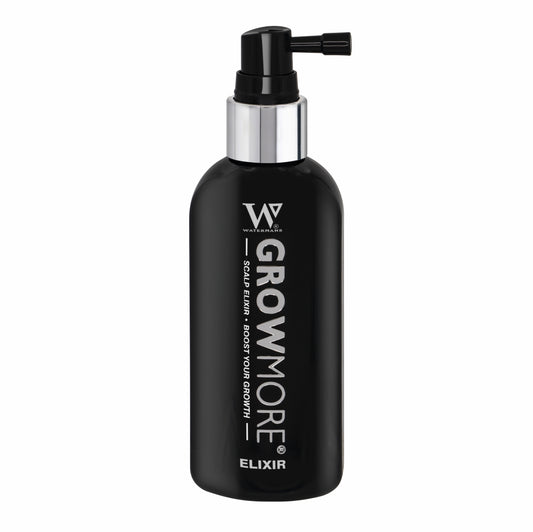
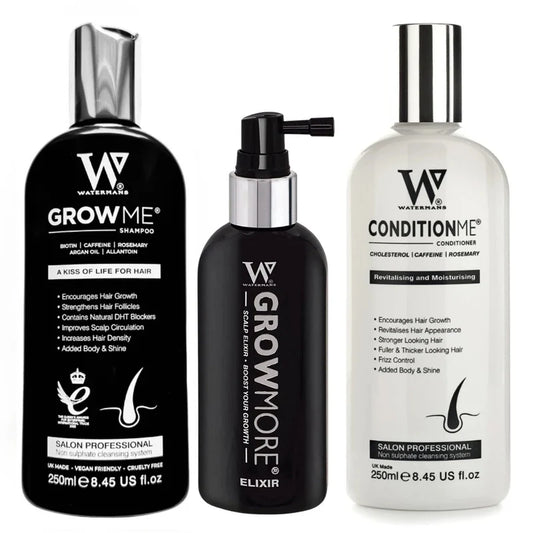
If you favor a simple plan, the Watermans Hair Survival Kit gives you a shampoo, conditioner, and leave‑in scalp mix. It is a firm start for those who want denser hair naturally.
How Biotin Builds Thicker Hair from the Inside
Biotin’s Help in Making Keratin
Your hair is mostly made of keratin, a tough protein. Biotin helps the enzymes that build keratin by doing two things:
• It breaks down amino acids—the parts that form keratin.
• It aids in the creation of fatty acids that keep hair and scalp healthy.
With proper biotin, hair can grow:
• Stronger, so it does not break easily
• Smoother, as a tight cuticle brings shine
• With steady strength against heat, sun, and cold
Biotin and Hair Loss
Hair thinning is not only a matter of slower growth. It also depends on how much hair you lose. When hair is weak and breaks quickly, it looks thinner. By strengthening hair, biotin cuts down on breakage. Over time, this makes the hair appear thicker.
Signs of Low Biotin
A true biotin shortage is rare, but some people may be at risk. Signs include:
• Thinning hair or widespread shedding that is not due to a clear cause
• Weak or split nails
• Dry, scaling skin around the eyes, nose, and mouth
• Long-term fatigue and low mood
People more at risk include:
• Those on long‑term seizure drugs
• People with gut issues like inflammatory bowel disease
• Individuals who eat many raw egg whites (they contain avidin that binds biotin)
• People with genetic issues that affect biotin use
If you think you may be low, it is best to check with a doctor and have a blood test.
Should You Use Biotin Supplements for Hair?
Common Doses in Supplements
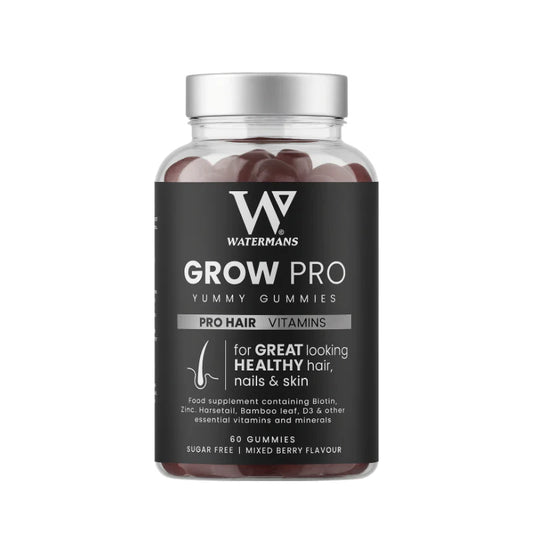
Most food gives enough biotin for health. Hair supplements may include:
• 1,000–5,000 mcg (1–5 mg) of biotin each day
• Sometimes up to 10,000 mcg, though this extra amount is rarely needed
Since biotin is water‑soluble, the body excretes what it does not use. Still, more is not always better, especially when testing blood levels.
Safety and Blood Test Issues
Biotin is safe for most. High doses, however, may affect some blood tests. Tests for the thyroid and heart may show false numbers if there is too much biotin. This is a real worry.
If you take more than what appears in a regular multivitamin:
• Tell your doctor before any lab work.
• You might need to stop biotin for a short time before the test.
When a Supplement Can Help
Taking extra biotin may help if:
• A doctor finds that your biotin level is low
• Your diet limits your B‑vitamin intake
• A health expert adds it to your overall plan
Even then, focusing on pills alone while ignoring scalp care, gentle styling, and good nutrition does not give the best results. A plan that works on both inside and outside is best.
Foods That Provide Biotin Naturally
A balanced diet usually supplies enough biotin. Foods high in biotin include:
• Egg yolks (cooked)
• Liver and organ meats
• Salmon and sardines
• Nuts and seeds – like almonds, walnuts, sunflower seeds, and peanuts
• Legumes – lentils, chickpeas, and soybeans
• Whole grains – oats, barley, and wheatgerm
• Dairy – milk, yoghurt, and cheese
• Some vegetables – sweet potato, spinach, broccoli, and mushrooms
Instead of watching one vitamin, try to eat well. This means eating:
• Enough protein (since hair is high in protein)
• Iron, zinc, selenium, and iodine
• Vitamins D, A, and E along with other B‑vitamins
This plan helps hair, energy, the immune system, and skin.
Topical versus Oral Biotin: What Helps Hair Most?
Oral Intake
• Works from the inside out
• Helps all cells, including hair follicles, nails, and skin
• Works best when a low level is confirmed
Topical Biotin (in Shampoos and Scalp Care)
• Puts biotin right on the scalp and hair
• May help smooth the hair cuticle and aid hair roots
• Works best when mixed with other actives that boost scalp flow, like caffeine and niacinamide in Watermans Grow Me Shampoo
Using both oral biotin (or food sources) and topical products gives a fuller approach: support inside and care on the surface.
Biotin in Watermans Grow Me Shampoo: A Smart Start
It is wise to use a gentle, targeted product for your scalp each day rather than quick fixes with high‑dose pills. Watermans Grow Me Shampoo is made for those who want:
• Hair that looks thicker
• More volume from the roots
• A calm, healthy scalp
Its ingredients work side by side:
• Biotin – builds hair fiber and helps keratin
• Rosemary – wakes up the scalp
• Caffeine – gives energy to follicles
• Niacinamide – improves blood flow and scalp health
• Argan Oil – moisturizes without clogging
• Allantoin – soothes the scalp
• Lupin Protein – fills out hair fibers for fuller hair
This mix makes Grow Me Shampoo a strong, non‑medical, natural base for early thinning. A complete system comes with the Watermans Hair Survival Kit. This kit includes:
• The shampoo
• A conditioner that strengthens and hydrates
• A leave‑in to keep the scalp fed between washes
A Simple Biotin-Based Routine for Thicker Hair
You do not need many products. Keep your steps few and steady.
-
Support Biotin from the Inside
• Eat foods like eggs, nuts, legumes, and whole grains.
• Take a mild biotin pill if your diet is lacking or your doctor suggests it.
• Avoid severe low-calorie diets that may speed up shedding. -
Care for Your Scalp
Your scalp is like the soil for your hair. Improve it by:
• Using Watermans Grow Me Shampoo as directed.
• Gently massaging the scalp for 1–2 minutes during the wash.
• Rinsing well to stop residue from harming follicles. -
Protect Hair from Breakage
Even with strong hair, rough handling can undo gains. Try to:
• Avoid tight ponytails, strong elastic bands, and heavy hair pieces.
• Keep high‑heat styling to a minimum, or use heat protectant.
• Pat hair dry instead of rubbing hard with a towel.
• Sleep on a silk or satin pillowcase to cut friction. -
Follow a Steady Care System
The Watermans Hair Survival Kit keeps things simple:
• Shampoo with a scalp massage during the shower.
• Use a conditioner to shield mid‑lengths and ends.
• Apply a leave‑in soon after to keep the scalp active on off days.
Other Nutrients That Work with Biotin for Hair Growth
Biotin does not work all by itself. Hair grows best when your nutrition is strong. Other helpers include:
• Protein – aim for a palm‑sized serving with each main meal.
• Iron – low levels can link to more shedding, especially in women.
• Zinc – helps repair and immune tasks in the follicle.
• Vitamin D – low levels have been seen with hair loss.
• Omega‑3s – found in oily fish, flax, and chia help keep the scalp moist and calm swelling.
If your hair loss is fast, patchy, or severe, see a doctor or skin expert for a full check-up and blood tests.
How Long Before You See Results from Biotin and a New Routine?
Expect slow growth, about 1–1.5 cm per month. Changes may start to show as follows:
• 0–4 weeks – the scalp feels better, less tight, and hair feels softer.
• 2–3 months – you may see small new hairs and less loss when you wash.
• 6–12 months – there should be clearer gains in volume and length as stronger hairs grow out.
Using products like Watermans Grow Me Shampoo along with a steady diet gives your follicles the best chance for change.

Biotin and Different Hair Types
Biotin helps build strength in every hair type. The benefits may appear in various ways.
• For Fine or Thinning Hair
– You may see less breakage and more root volume with a biotin-rich shampoo.
– A gentle scalp massage with actives like caffeine and rosemary may boost volume.
• For Curly and Coily Hair
– These hair types can be dry and prone to breakage. Biotin with moisture and protection helps curls grow longer before breaking.
– Do not wash too often; instead, use a balanced routine with hydrating conditioners.
• For Chemically Treated or Coloured Hair
– Biotin may help when hair feels brittle, especially when mixed with proteins and oils like argan oil.
– Grow Me Shampoo works well with treatments meant to bond or protect colour.
Who Should Watch Out for Biotin Supplements?
Biotin from food and topical care is safe for most. Still, biotin pills need extra care in some cases:
• People with thyroid issues – high doses might disrupt thyroid tests.
• Anyone who must get regular blood tests – speak with your doctor and check before testing.
• Pregnant or breastfeeding women – stick with prenatal vitamins unless your doctor advises change.
Topical biotin in shampoos is low risk. However, test a small amount if your skin is very sensitive. Add one product at a time so you can track any reaction.
Quick Comparison: Biotin vs Medical Hair Loss Treatments
Biotin with natural shampoos is a wise start for some, while other cases need more help. A short look:
• Biotin and natural shampoos (like Watermans Grow Me Shampoo)
– Focus on scalp care, hair strength, and the look of volume
– Best for early thinning and mild shedding
– Low risk and boosts hair quality
• Medications (for instance, minoxidil or prescription drugs)
– Work by changing how follicles act or by adjusting hormones
– Best for diagnosed pattern loss or more advanced thinning
– They can give strong results but have side effects and need ongoing care with a doctor
Start with biotin-based, scalp-care measures to see how much change you get. You can add medical help later when a doctor advises it.
Tips to Make the Most of Biotin
Keep these ideas in mind:
- Test first instead of guessing – if hair loss is heavy, see a health expert. They can check for low iron, thyroid issues, or hormones.
- Eat whole foods first – a proper diet gives you biotin and other parts that hair needs.
- Choose active scalp products – a mix like Watermans Grow Me Shampoo supplies biotin with caffeine, rosemary, and proteins.
- Avoid harsh care – strong chemicals or tight styles may break hair and undo biotin’s work.
- Stick with a plan – use your routine for 3–6 months before you decide on its effect.
Questions and Answers About Biotin and Hair Growth
-
How much biotin should I take for hair growth?
Most people get 30–100 mcg daily from food. Hair supplements tend to have 1,000–5,000 mcg. Extra doses above that do not always work better and may disturb blood tests. For many, it is better to eat biotin-rich foods and use a targeted shampoo like Watermans Grow Me. Only use higher doses when a doctor advises. -
Can a biotin shampoo alone help thicken hair?
A biotin shampoo may do three things:
• Strengthen hair to stop breakage
• Improve scalp health
• Boost volume at the roots when mixed with caffeine, rosemary, and lupin protein
It may not fix strong genetic hair loss on its own but can give the hair a fuller look. -
Is biotin good for hair loss in both men and women?
Yes. Biotin helps build hair strength for both. In men, hair loss often comes from male-pattern baldness and may need extra help beyond biotin. In women, hair loss can come from many factors such as hormones or iron levels. Using biotin-based care along with a check by a professional is the best method.
Take Action: Start Your Biotin Boost the Smart Way
If you are set on having thicker, healthier hair naturally, give biotin a place in your plan—but not as the only fix. The best path mixes:
• A diet that includes biotin-rich foods
• Steady scalp care with active ingredients that work at the roots
• Care that protects your hair from breakage
A good first step is to try a biotin-based formula like Watermans Grow Me Shampoo and, for full care, the Watermans Hair Survival Kit. With biotin, rosemary, caffeine, niacinamide, argan oil, allantoin, and lupin protein, Watermans gives you a natural method for boosting hair thickness from the roots. Stay consistent for a few months and let your hair grow stronger, fuller, and more resilient—naturally.