birth control hair loss: Proven fixes to stop thinning fast
Birth control hair loss feels scary and confusing. One month your ponytail sits thick, and soon after you see more strands in the shower, on your pillow, or on your hairbrush. You notice thinning after changes in your contraception. This hair loss is real and noted by many women.
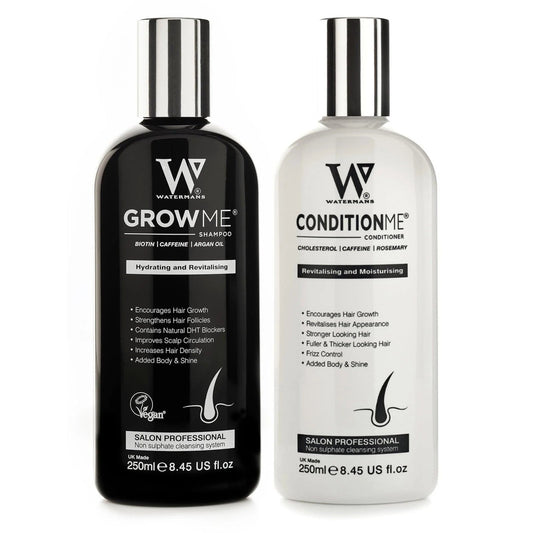
This guide shows why it happens, who feels it most, and steps you can take to slow shedding and help regrowth fast. We also explain why many women in Australia choose a proven non-medical shampoo like Watermans Grow Me Shampoo to support scalp strength and boost volume while they work with their doctor on hormones.
What is birth control hair loss?
Birth control hair loss shows in extra shedding or thinning that comes with hormonal contraception. It may occur:
• Soon after you start a pill, implant, injection, or hormonal IUD
• A few months after you stop your method
• After switching to a different type or dose
For many, the shedding is short-term. For those with a family chance of hormonal thinning, birth control may push hair follicles into a shedding phase that makes the underlying issue clear.
There are two main ways your hair may change:
- Telogen Effluvium – hair sheds all over the head
- Androgen-related Thinning – thinning at the crown or a wider part
Knowing the kind of shedding you face is the first step to fix it.
How hormones and birth control affect your hair
The hair growth cycle in plain language
Each hair goes through a cycle:
• Anagen (Growth) – lasts 2–7 years; hair grows steadily
• Catagen (Transition) – a short time of change
• Telogen (Resting/Shedding) – hair loosens and falls
About 85–90% of hairs keep growing while some rest. A shock to your hormone levels can shift many hairs from growing to resting at once. This shift explains why hair loss shows up 2–3 months after a change.
How birth control changes your hormone environment
Hormonal contraceptives add synthetic versions of oestrogen and/or progesterone (progestins) to:
• Stop ovulation
• Thicken cervical mucus
• Change the lining of the uterus
These shifts stop pregnancy well. They also change the close balance of hormones that help hair follicles.
Key hormones:
• Oestrogen – often helps hair grow and prolongs growth time
• Progesterone / Progestins – their effect changes by type
• Androgens (like testosterone and DHT) – in some women, they can shrink follicles and thin hair
Some progestins act like male hormones. In women who are sensitive by genetics, this can shift hair toward a pattern seen in female thinning.
Why birth control hair loss happens: the main ideas
1. Telogen effluvium from hormone shifts
Telogen effluvium is the common hair loss type. It usually:
• Starts 2–3 months after a change in contraception
• Causes a smooth thinning over your scalp
• Shows as extra hair in the drain or on a brush
A sudden hormone shift pushes many hair follicles into rest. They shed a few months later.
Good news:
Telogen effluvium usually turns around if you care for your scalp, eat well, and lower stress while your hormone cycle adjusts.
2. Androgen-related thinning from certain progestins
Some birth control types use stronger androgenic progestins. These may:
• Increase androgen activity
• Cause hair follicles in sensitive women to shrink
• Lead to a slow, pattern-like loss over time
You might see a part that widens, thinning at the crown, or more scalp when you pull back your hair.
3. Stopping pills that were hiding hair loss
Some combined pills (oestrogen plus low-androgen progestins) may make hair look better. They do this by:
• Subduing natural androgens
• Creating a steadier hormone scene
When you stop them, your natural hormones return. For women with androgen sensitivity or PCOS, a hidden thinning may come to light. In this way, the pill did not cause the loss but revealed a genetic pattern.
Who feels birth control hair loss most?
Not all women react to hormonal birth control with hair loss. You may see more thinning if:
• You have family history of female pattern hair loss
• You have or suspect PCOS, insulin issues, or other androgen problems
• You have had hair loss from pregnancy, miscarriage, or menopause
• You use a method with stronger androgenic progestins
• You face high stress, strict dieting, or low sleep
• You have thyroid issues or nutrient gaps
Even when you are at higher risk, how much you lose varies from a small burst of shedding to a notable change in density.
Which types of birth control show links to hair loss?
Higher-androgen or progestin-only methods
Some hormonal methods can lead to hair changes, especially in sensitive individuals:
• Some progestin-only pills
• Hormonal IUDs (based on levonorgestrel) for some women
• Contraceptive implants
• Depot injections
This does not mean you cannot use them. It only means you may want to talk with your doctor if you worry about hair loss.
Combined pills: a mixed view
Combined oral pills (oestrogen plus progestin) may:
• Sometimes help hair by lowering free androgens
• Sometimes hurt hair, based on the progestin and your genetics
If you think your pill spurs hair loss, your GP or specialist might suggest a different formula.
Non-hormonal methods
Non-hormonal methods include:
• Copper IUD
• Condoms
• Diaphragm
• Fertility awareness methods
These do not change hormone levels in the body. They may suit women who are highly sensitive to hormone shifts.
How long does birth control hair loss last?
Time frames vary by cause and person. In general:
• 2–3 months after a change – you notice extra shedding
• 3–6 months – shedding may peak and then slow
• 6–12 months – many women see regrowth and thicker hair
For telogen effluvium, the hair cycle often corrects itself in 6–12 months if you care for your scalp, use a good shampoo, and keep a healthy lifestyle.
For androgen-related loss, improvement may take:
• A change in your contraceptive type
• Treatment of issues like PCOS
• A long-term routine that cares for your hair
It helps to act early and work with your doctor as you support your hair.
First line support: Why start with a topical solution
Many women prefer to begin with a non-medical product made for the scalp. These products:
• Fit easily into daily habits
• Do not need a prescription
• Help give a look of fuller hair and a calmer scalp
One popular option in Australia is Watermans Grow Me Shampoo. This shampoo is free of SLS and made for fragile, thinning hair.
How Watermans Grow Me Shampoo supports hair loss
Watermans Grow Me Shampoo works from the outside. It includes ingredients that help when hormones make hair shed:
• Biotin – helps keep keratin strong and hair less fragile
• Rosemary – works on the scalp with an activating feel
• Caffeine – may boost hair follicle activity when applied on the scalp
• Niacinamide (Vitamin B3) – aids scalp skin and blood flow
• Argan Oil – adds shine to dry lengths without weighing hair down
• Allantoin – calms and softens the scalp
• Lupin Protein – helps hair feel thicker at the roots
This shampoo works by increasing scalp energy and hair volume while your hormones adjust.
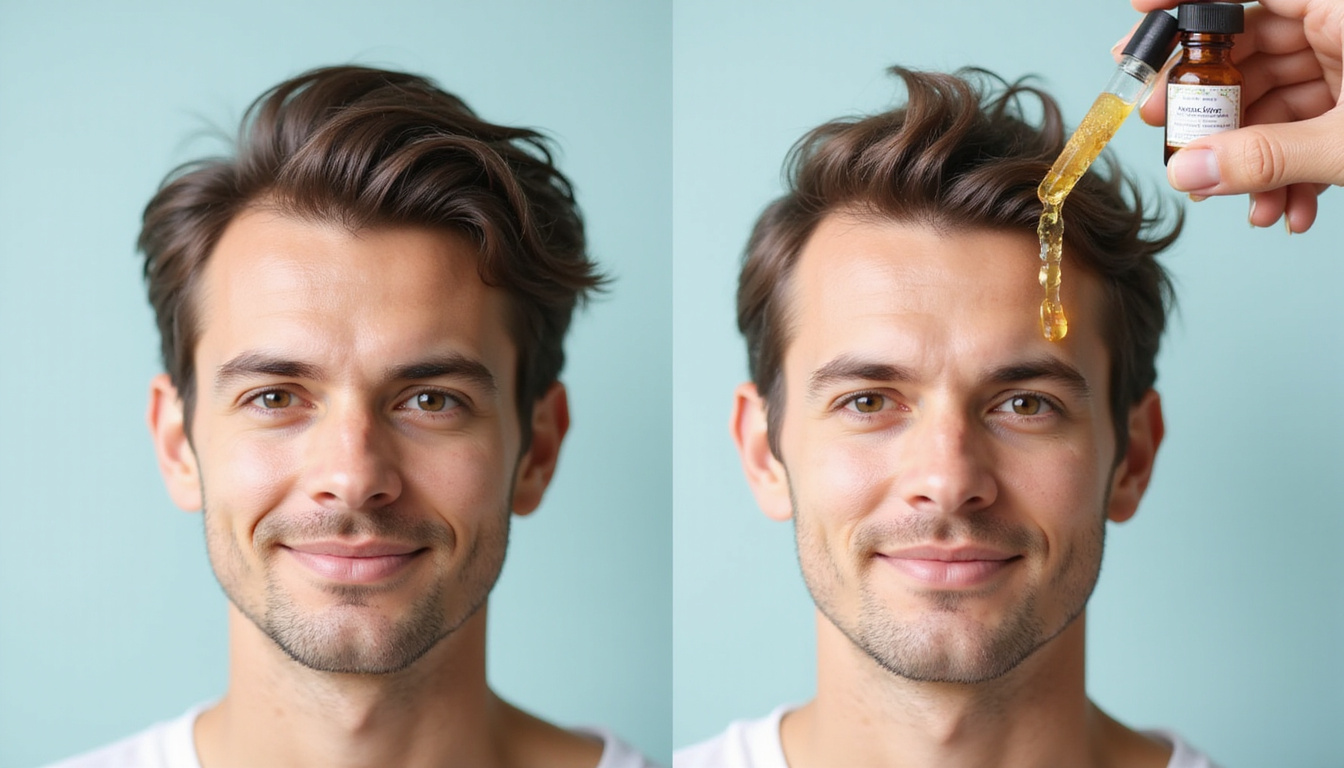
For many women, combining a doctor’s advice with a routine using this shampoo brings both a short-term boost and longer support.
Discover more about the formula and read reviews here:
👉 Watermans Grow Me Shampoo – Hair Growth Shampoo
Steps to slow birth control hair loss
When you see hair loss from contraception, act with calm and care. Follow these steps.
Step 1: Track your timeline
Write down:
• When you started, changed, or stopped your birth control
• When you first saw extra shedding
• Any other changes (stress, illness, dieting, surgery)
This log helps you and your GP see if the timing fits with telogen effluvium or another cause.
Step 2: Get a medical check-up
Do not assume it is only the pill. Ask your GP for tests like:
• Thyroid tests (TSH, T3, T4)
• Iron studies (including ferritin)
• Levels for Vitamin D, B12, and possibly zinc
• An evaluation for PCOS if you face irregular cycles, acne, or extra hair
These checks help find issues that may worsen or mimic hair loss from contraception.
Step 3: Review your birth control method
Talk with your GP or gynaecologist about:
• Whether your current method may act in a stronger way on androgens
• If a pill with milder effects on hair might help
• If a non-hormonal method may suit you better given your history
Do not stop your contraception without talking to your doctor.
Step 4: Change your hair care routine
While your hormones adjust, you can help your hair and scalp by:
• Switching to gentle, strengthening products made for thinning hair
• Using Watermans Grow Me Shampoo 3–5 times a week and massaging it into your scalp for a few minutes
• Avoiding harsh sulphates, frequent bleaching, and very hot styling tools
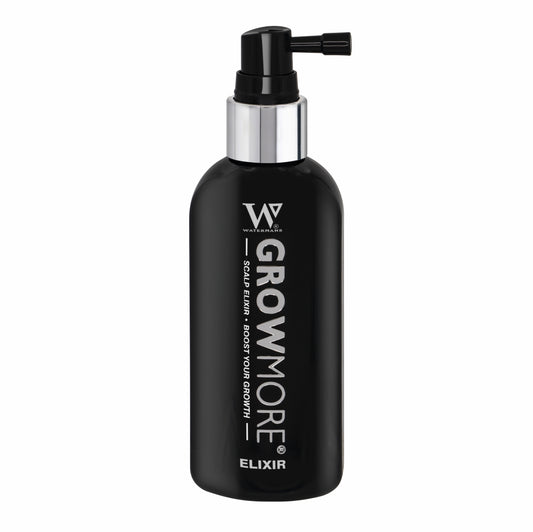
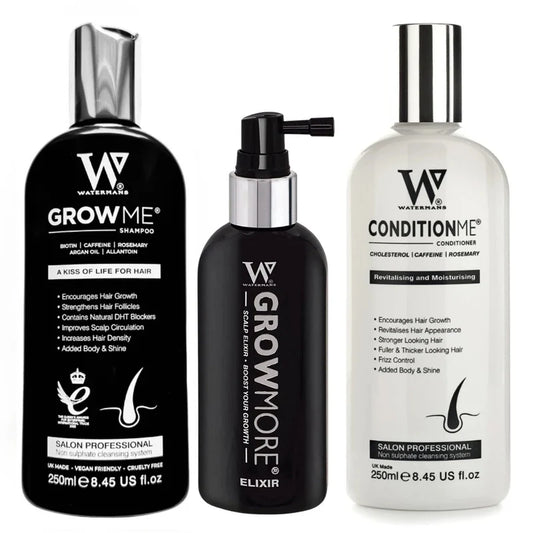
If you want a full system with shampoo, conditioner, and a leave-in formula, many choose the Watermans Hair Survival Kit.
Step 5: Improve your diet and lifestyle
Your hair needs nutrients and a low-stress body. Focus on:
• Protein at each meal (eggs, fish, lean meat, legumes, tofu)
• Iron-rich foods (red meat, lentils, spinach, fortified cereals)
• Healthy fats (avocado, olive oil, nuts, seeds)
• Drinking enough water throughout the day
• Good sleep and stress breaks through simple exercise or deep breathing
Step 6: Create a low-stress environment for your hair
While shedding, try to:
• Avoid tight hair styles like high ponytails or buns
• Be gentle when brushing; use a wide-tooth comb on wet hair
• Cut back on chemical treatments like bleach or relaxers
• Use heat protection when styling, and keep heat low
These habits do not cure the hair loss, but they help your hair look fuller and feel healthier.
Can birth control ever work well for hair?
Yes, in some cases. Certain combined oral pills with lower effects on androgens may help with:
• Hair thinning linked to PCOS
• Extra facial or body hair
• Hormonal acne
These pills can lower free androgens, keep hormones steady, and sometimes improve hair density. What works for one may not work for another, so it is best to get advice that suits your needs.
How birth control hair loss makes you feel
Hair ties you to your sense of self and beauty. Seeing more scalp in the mirror or extra hair in the drain may make you feel:
• Anxious
• Overly focused on your looks
• Wary of social events
• Worried about dating or closeness
These feelings count. Some ideas to help are:
• Talk to a friend, partner, or therapist
• Check your hair weekly in similar light instead of daily mirror checks
• Focus on steps you can take, like a new routine, better sleep, or advice from a professional
Using products like Watermans Grow Me Shampoo and the Watermans Hair Survival Kit can give you a sense of control while you wait for changes from within.
Natural and lifestyle ways to support your top care
Outside products work from the surface. Eating right and handling stress help create a good base for your hair.
Balanced diet for strong hair
Focus on:
• Protein – hair is mostly keratin, a protein. Less protein can mean brittle hair.
• Iron – low iron often links to hair shedding.
• Zinc and selenium – small minerals that keep hair strong and guard cells from damage.
• B vitamins – especially biotin, B6, and B12 for energy and keratin health.
• Omega-3 fats – help keep the scalp soft and may ease dryness and irritation.
It is best to get most nutrients from food. Your doctor may add supplements if needed.
Stress management to calm the cycle
Stress not only makes you feel bad it also:
• Raises cortisol
• Changes ovarian hormone levels
• Upsets the hair cycle
Try simple ways like:
• A 10-minute brisk walk
• A few minutes of deep breathing (like 4-7-8 breathing)
• A few minutes of yoga or stretching before bed
• A sleep routine that gives you 7–9 hours of rest
Even small steps can cut down extra hair loss.
Scalp massage to help the shampoo work better
A scalp massage can boost blood flow, spread natural oils, and help active shampoo ingredients work better. When you use Watermans Grow Me Shampoo, massage it gently in circles for 2–3 minutes before rinsing. This simple act may help your scalp and ingredients work as one.
What about medical treatments for hair loss?
When hair loss clearly follows a pattern or you have genetic thinning, a doctor may suggest:
• Topical minoxidil
• Medications that counter androgens (like spironolactone) in selected cases
• Medical checks for PCOS or thyroid issues
These treatments come by prescription. They need professional guidance, especially if you are planning a pregnancy.
Even with medical help, a good hair care routine—such as using Watermans Grow Me Shampoo every week and reducing damage from heat or chemicals—stays key.
Building an at-home routine for hair loss caused by birth control
Many women find this simple routine useful when facing birth control-related thinning.
Daily
• Brush or comb gently with a wide-tooth comb
• Avoid tight hair styles
• Eat meals rich in nutrients and drink water
• Take short breaks for deep breathing or a quick walk
3–5 times per week
• Wash with Watermans Grow Me Shampoo
– Work it into wet hair, focus on the scalp
– Massage for 2–3 minutes to let the active ingredients work
– Rinse well
• Use a light conditioner on lengths and ends (avoid heavy amounts on the scalp if it gets oily)
Weekly
• Take scalp photos in the same light to track progress
• Check your lifestyle goals (sleep, stress, diet)
• Plan low-heat, low-tension styles for the week
Every 3–6 months
• See your GP or specialist again
– Check if your hormones are steady
– Look at test results for improvement
– Discuss if another contraceptive option is needed
Hair grows slowly. A check every few months gives a fair view of progress.
Birth control hair loss FAQ
1. Does birth control cause permanent hair loss?
For most women, birth control hair loss is brief, especially when it is telogen effluvium. With steady hormones and proper care (for example, using Watermans Grow Me Shampoo and eating well), shedding slows and hair grows back within several months. In some with a family history of female pattern hair loss, birth control may speed up or show thinning sooner. In such cases, early advice and good hair care help keep hair density over time.
2. How can I regrow hair after stopping birth control?
Focus on three steps:
- Get a medical check-up to rule out thyroid problems, low iron, PCOS, or other causes.
- Use supportive hair care—wash the scalp with a product like Watermans Grow Me Shampoo, avoid heat and chemical damage, and use a set like the Watermans Hair Survival Kit.
- Keep a lifestyle with enough protein, iron-rich food, B vitamins, and ways to reduce stress.
Many women see thicker, fuller hair within 6–12 months with this plan.
3. Which birth control is best if I worry about hair loss?
There is no one best option. In general:
• Non-hormonal methods such as the copper IUD or condoms avoid hormone changes.
• Combined pills with milder effects on androgens may suit some who must use hormonal birth control.
Please talk with your GP or gynaecologist to decide what fits your health and hair needs. Meanwhile, a hair-friendly routine with a product like Watermans Grow Me Shampoo can help reduce visible changes from hormone shifts.
Take action now: support your hair as you balance your hormones
Birth control hair loss can feel hard, but it does not have to stop your hope or confidence. Learning how hormones work on your hair, checking for other problems, and choosing the right birth control with your doctor are key steps—they need time to work.
Right away, you can:
• Switch to a shampoo made for a busy scalp and thinning hair, like Watermans Grow Me Shampoo
• Build a soft, regular routine that lowers breakage and helps volume
• Pick a full system such as the Watermans Hair Survival Kit if you want shampoo, conditioner, and a leave-in formula that work as one
• Eat well, cut stress, and sleep enough so your follicles get a good inner setting
Start soon by combining smart medical advice with a steady topical routine. This way, you can move from worry and doubt to the sight of thicker, stronger hair in the mirror.