combined HRT Benefits and Risks: What Every Woman Should Know
If you face menopause or live through it, you may know combined HRT. It mixes oestrogen with progestogen. Many women feel better. Hot flushes, mood changes, sleep issues, and thinning hair may ease. News can cause worry. This guide explains benefits and downsides in plain words. It also looks at how hormones change your hair. Many women in Australia try natural methods like Watermans Grow Me Shampoo for hair growth before medical steps.
What Is Combined HRT?
Combined HRT means you replace hormones your ovaries made in higher amounts before menopause.
How combined HRT Works
In most types:
- Oestrogen helps with flushes, sweating, and dryness.
- Progestogen, a man-made progesterone, protects your uterus from unwanted growth. Women with a uterus need combined HRT. Women without one may use oestrogen only.
Types of combined HRT
You can find combined HRT in these forms:
- Tablets taken every day.
- Patches placed on the skin and replaced often.
- Gels or sprays applied on the skin while taking progestogen by mouth or separately.
- Continuous combined HRT where hormones come daily (for post-menopausal women).
- Sequential/cyclical HRT where you take oestrogen daily and add progestogen for part of the month (often in early perimenopause or after the last period).
Your doctor picks the form and dose that suit your age, symptoms, health, and wishes.
Why Women Consider Combined HRT
Common menopause symptoms combined HRT can help
Menopause changes many body systems. Combined HRT can reduce:
- Hot flushes and night sweats
- Late sleep and early waking
- Mood shifts, anxiety, low moods
- Vaginal dryness and pain during sex
- Lower sex drive
- Brain fog and trouble focusing
- Stiff joints and aches
- Repeated urinary problems
For many, these signs hurt personal and work life. Combined HRT aims to steady hormone levels.
Combined HRT and quality of life
Large studies show combined HRT can:
- Improve sleep quality and length
- Cut mood swings and irritability
- Boost energy
- Make sex more comfortable and desirable
- Help daily tasks feel easier
Many women say they feel like themselves again. They think clearer, feel closer in intimacy, and avoid constant sweat and worry.
Hormones, Menopause and Hair: What’s Really Going On?
Hair thinning is very upsetting. You might see:
- A part that seems wider
- Less volume at the top
- More hair in your drain
- Thinner, delicate strands
Why hair changes around menopause
When oestrogen and progesterone fall:
- The hair growth phase becomes shorter.
- More hairs move into the shedding phase sooner.
- Androgens (like testosterone) act harder in women sensitive to them. This may lead to diffuse thinning over the top while the front hairline holds.
Can combined HRT help with hair loss?
Some women see hair steadiness with combined HRT by:
- Easing hormone swings
- Boosting blood flow in the scalp
- Supporting sleep and reducing stress, which affects hair health
Yet:
- Combined HRT does not guarantee hair improvement.
- Some women notice extra shedding when they start or change the dose.
- Doctors do not usually start HRT only to fix hair loss.
Many women choose non-medical, scalp care methods to support hair density without changing hormones.
Why Many Women Start with Natural, Scalp-Focused Support
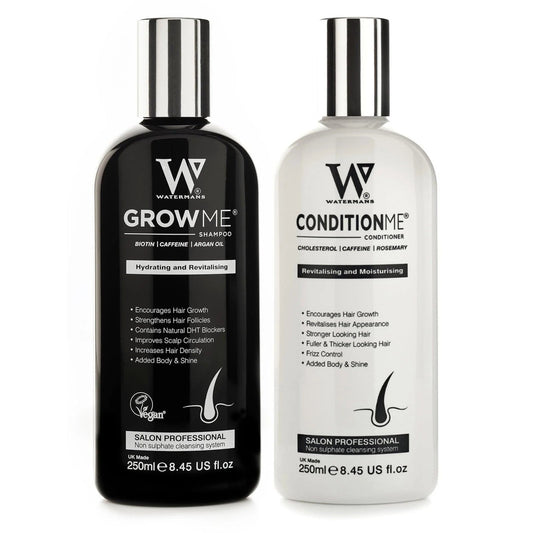
Before a long plan with combined HRT, it is smart to try lower-risk, local choices. One popular method in Australia is Watermans Grow Me Shampoo. This salon-grade shampoo works on the scalp and helps build volume from the roots.
Key ingredients in Watermans Grow Me Shampoo
This shampoo blends ingredients known to support hair:
- Biotin aids hair strength.
- Rosemary stirs the scalp.
- Caffeine works on scalp blood flow and may moderate some androgen effects.
- Niacinamide improves the skin barrier and blood flow.
- Argan Oil fills hair with fatty acids.
- Allantoin soothes and hydrates the scalp.
- Lupin Protein bolsters hair fibers and adds body.
This care works directly on your scalp instead of changing body hormones.
Why consider Watermans Grow Me before medical routes?
Women in early perimenopause who do not want hormones often try this shampoo. It is:
- A low-risk step to see if your hair responds.
- Safe to use with later hormone treatment.
- Easy to control without prescriptions or tests.
Explore full details on the Australian site: Watermans Grow Me Shampoo.
Core Benefits of Combined HRT (Beyond Hair)
Combined HRT does more than ease hair woes.
1. Symptom relief for vasomotor symptoms
Most women seek help for flushes and sweats. Combined HRT:
- Cuts flushes and sweats in weeks.
- Improves sleep by lessening night wakings.
- Helps women work and socialize better.
2. Vaginal and urinary health
Combined HRT can also:
- Ease vaginal dryness and small tears.
- Boost elasticity and natural lubrication.
- Lessen urinary urgency and infections triggered by low oestrogen.
3. Bone health and osteoporosis risk
Oestrogen keeps bones strong. After menopause, bones lose density. Combined HRT:
- Slows bone loss.
- May cut the risk of fractures in early post-menopause (NHS).
This benefit helps women at higher risk.
4. Possible mood and cognitive benefits
HRT is not a cure for depression but, by calming sleep and flushes, it can:
- Ease irritability and emotional swings.
- Help women feel steady.
- Support focus with better sleep and less discomfort.
Understanding the Risks of Combined HRT
All treatments bring risks. Knowing them helps you choose well.
1. Breast cancer risk
Points to note:
- Combined HRT shows a small rise in breast cancer risk compared to no HRT.
- Risk grows with longer use (especially over 5 years).
- Risk lessens after you stop HRT.
- Each woman’s own risk (like family history and lifestyle) matters.
Your doctor compares your risk with that from HRT.
2. Blood clots (venous thromboembolism)
- Oral HRT slightly raises the chance of clots.
- Patch, gel, or spray forms carry a lower risk because they avoid the liver.
- Smoking, weight, and clotting disorders increase risk.
This is why some women, such as smokers or those with migraines with aura, may choose non-oral methods.
3. Stroke and heart disease
The link with heart problems is not simple:
- Starting HRT before 60 or within 10 years after menopause appears safer.
- Starting in your late 60s or 70s may bring more heart risks.
- Heart disease, previous strokes, or high blood pressure need close review before starting.
Health experts stress a personal check rather than one rule for all.
4. Endometrial cancer risk
- Oestrogen alone can raise the risk of uterine cancer.
- Adding progestogen in combined HRT helps stop the uterus lining from growing too thick.
- Check any irregular bleeding. A good HRT plan keeps this risk low compared to oestrogen only.
5. Other side effects
Early on you might feel:
- Tender, swollen breasts
- Nausea
- Bloating or extra water in the body
- Mood shifts or headaches
- Slight spotting or breakthrough bleeding
These signs often fade with a dose change or different method. If they stay, talk with your doctor about the plan.
Who Is a Good Candidate for Combined HRT?
Women who may benefit most
Combined HRT often suits women who:
- Are under 60 and within 10 years after their last period.
- Face strong menopause symptoms that affect daily life.
- Still have their uterus.
- Do not have major risks like hormone-sensitive breast cancer, serious clotting issues, or serious liver problems.
Women who may need extra caution or alternatives
If you:
- Had breast cancer or have a high family risk.
- Had blood clots, stroke, or high blood pressure.
- Have liver problems or unexplained bleeding.
- Take many drugs that might interact with hormones. A detailed check with a menopause expert can help. In these cases, non-hormonal ways (including life choices and local treatments) may be the first option.
Combined HRT vs Other Menopause Management Options
Non-hormonal medical treatments
If combined HRT does not suit you, some doctors suggest:
- Certain anti-depressant drugs for flushes and mood.
- Gabapentin or clonidine for flushes.
- Local oestrogen or non-hormonal creams for vaginal symptoms.
- Bone-specific drugs for osteoporosis. These treatments help some issues but do not replace the full effects of oestrogen.
Lifestyle and complementary approaches
Other steps can make a real difference:
- Nutrition: enough protein, calcium, vitamin D and omega‑3s; cut down on ultra‑processed foods and too much alcohol.
- Exercise: weight and strength work for bone and muscle; walking or cardio aids heart and mood.
- Stress relief: mindfulness, yoga, or talk therapy.
- Sleep habits: a cool room, a set bedtime, and fewer screens. For hair, pairing these with a scalp product like Watermans Grow Me Shampoo may support your scalp while you choose a plan with hormones.
How Combined HRT Interacts with Hair and Scalp Care
If you use combined HRT, you do not need to stop other hair care.
HRT + topical hair support: a complementary approach
Using a scalp shampoo such as Watermans Grow Me while on HRT can help because:
- HRT slows internal changes. A shampoo works at the hair roots.
- Better sleep and fewer flushes lower stress, which helps hair. Caffeine, biotin, and plant extracts work on the scalp.
- If you later change or stop HRT, a solid scalp care routine can keep shedding lower.
Why a full routine (not just one product) matters
For hair, a steady routine matters. Many women mix:
- A shampoo that supports hair growth (like Watermans Grow Me).
- A gentle conditioner and little heat styling.
- Scalp massage to boost blood flow.
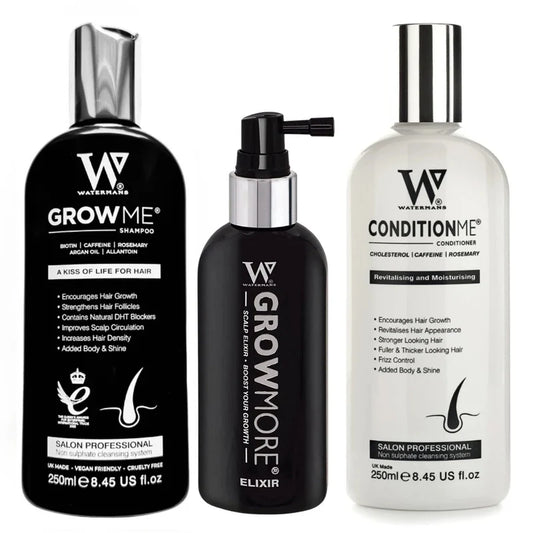
- A set like the Watermans Hair Survival Kit that uses shampoo, conditioner, and a leave‑in scalp help. This routine works whether you use HRT or not.
What to Expect When Starting Combined HRT
The first few weeks
Many women sense changes within 2–4 weeks. They may notice:
- Fewer flushes and better sleep.
- Temporary breast tenderness or mild nausea.
- Light spotting (especially with a cyclical plan).
A check with your doctor after about 3 months is common. The doctor may:
- Note how your signs change.
- Change your dose or method (tablet or patch/gel).
- Discuss side effects and the next steps.
Hair changes: realistic expectations
For hair:
- Do not expect quick thickening. Hair growth takes time.
- Some shedding may happen at the start as fibers reset.
- Relying only on HRT may not meet your hair goals. Use a scalp product like Watermans Grow Me Shampoo to add volume as hormones settle.
Key Questions to Ask Your Doctor About Combined HRT
When you talk with a doctor, prepare your questions. You might ask:
- Do my signs and history make me a good fit for combined HRT?
- Which form (tablet, patch, gel, spray) and plan (daily vs part-month) is best for me, and why?
- How do my risks for breast cancer, clots, and heart issues compare with others?
- What changes should I watch for in the first three months?
- How long should I use combined HRT if it works well?
- How will we review and possibly end the treatment?
- What non-hormonal ways, including scalp care like Watermans Grow Me Shampoo, might I add?
Writing these questions down can help you have a clear talk with your doctor.
FAQ: combined HRT, Menopause and Hair
Is combined HRT the best option for everyone going through menopause?
No. Combined HRT works well for many who feel strong symptoms. It suits those under 60 and within 10 years after menopause. But it is not the choice for all. Your health and family history matter. Non-hormonal methods, life habits, and scalp care like Watermans Grow Me Shampoo play a significant role whether or not you choose hormones.
Can combined HRT stop menopausal hair thinning completely?
Combined HRT may help slow or slightly improve hair thinning. Results vary. Hair follicles react to genes, stress, nutrition, and the local scalp state, not only hormones. That is why many add a scalp product like Watermans Grow Me Shampoo or the Watermans Hair Survival Kit along with medical advice on HRT.
How long can I safely stay on combined HRT?
There is no one fixed time. Many guidelines point to taking the lowest dose that works for as short a time as needed. This is often checked each year. For some, this may mean a few years; for others, a longer time under close care. Your age, health, and personal risk guide this choice. Good nutrition, regular exercise, and steady hair care help during any duration.
Take Charge of Menopause, Symptoms and Hair – Starting Today
Do not simply accept hot flushes, mood swings, brain fog, or hair thinning. Knowing what combined HRT does and its risks helps you talk clearly with your doctor. If hair changes worry you, you do not have to wait on a hormone decision. Try a proven scalp product like Watermans Grow Me Shampoo. It carries Biotin, Rosemary, Caffeine, Niacinamide, Argan Oil, Allantoin, and Lupin Protein. These help the scalp and boost hair at the roots. For more support, consider the Watermans Hair Survival Kit.
Then, book a talk with your GP or a menopause expert to see if combined HRT fits your overall health. By mixing medical choices with smart life changes and direct hair care, you set your own course in this stage.