cortisol hair loss: 9 Surprising Causes, Treatments, and Prevention
If you see more hair in your drain after a hard time, the loss is real. Stress makes your body raise cortisol. This hormone then harms hair follicles. Your hair can become thinner or lose its bounce. Understanding how cortisol affects hair is the first step to get healthier hair and care for your body.
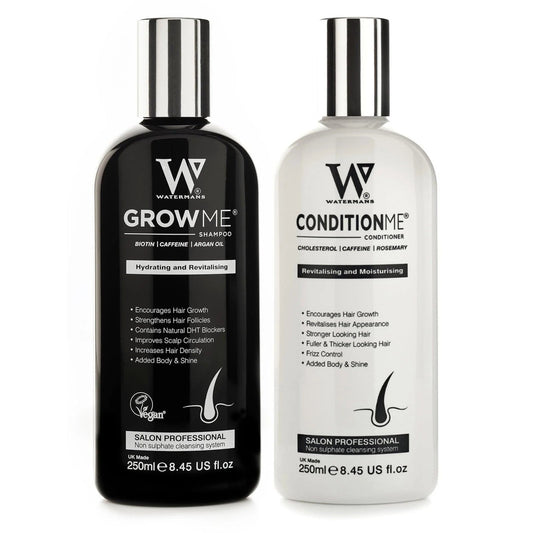
Before we start the facts and fixes, note that many people in Australia and elsewhere find help without medication. They choose a special haircare like Watermans Grow Me Shampoo. This natural shampoo uses Biotin, Rosemary, Caffeine, Niacinamide, Argan Oil, Allantoin, and Lupin Protein. Its mix wakes up the scalp and adds body at the roots. Check it at Watermans Hair Australia.
What Is Cortisol – And How Can It Cause Hair Loss?
Cortisol is known as the "stress hormone." It comes from your adrenal glands. It helps control:
- Your reaction when stressed
- Blood sugar
- Blood pressure
- Immune responses
- Metabolism
In small doses, it works well. When cortisol stays high or jumps up quickly, hair loss can start.
How Cortisol Impacts the Hair Growth Cycle
Hair grows in cycles with three phases:
- The growth phase (anagen) where hair grows for years.
- The stop phase (catagen) where the growth halts.
- The rest and drop phase (telogen) where hair falls out and new hair grows.
High cortisol can:
- Make the growth phase shorter
- Push more hair into the drop phase, causing daily loss
- Make hair stem cells less active
- Cut blood flow and nutrients to the scalp
The result: hair tends to look lighter, less bouncy, and less thick. These changes may show up weeks or months after a stressful time.
Recognising Signs of Cortisol-Related Hair Loss
Not every hair you lose is a big problem. Some signs, however, point to cortisol as the cause.
Watch for These Symptoms
- Hair thins over the entire scalp rather than in one spot
- You find more hair on your brush, pillow, or in the shower
- Your hair feels finer or weak
- Hair loss starts 2–3 months after heavy stress
- You suffer from poor sleep, worry, low mood, sugar cravings, or weight gain around the belly
If you see these signals, check if cortisol, along with other causes like family history, medicines, or diet, plays a part.
9 Causes of Cortisol Hair Loss
High cortisol does not come only from obvious stress. Many small daily habits or health issues can raise your stress hormone. Here are nine hidden causes.
1. Ongoing Mental Stress
A constant stream of stress can come from:
- Demanding work or studies
- Conflicts in relationships
- Caring for a sick family member
- Financial or housing worries
- Long-lasting burnout
The body treats every threat the same. When you feel in fight‑or‑flight mode, cortisol stays high and pushes hair into the shedding phase. Hair drop usually begins 2–3 months after the stress starts.
2. Sleep Issues and Night Cortisol Peaks
Sleep helps your body fix hormone levels and repair cells. When sleep breaks, cortisol can spike:
- Trouble falling or staying asleep
- Sleep apnoea that is not detected
- Shift work or changing work hours
- Late night screen time or caffeine
You might wake up tired, with headaches, or in the middle of the night. These can affect hair growth.
3. Strict Dieting and Fasting
Severe dieting or low-calorie plans may hurt hair in two ways:
- They give less food to your hair follicles (missing protein, iron, zinc, B‑vitamins).
- They stress your body, triggering high cortisol levels.
If you lose weight too fast, feel cold or weak, miss your period, or see more hair loss 6–12 weeks after starting a diet, then the diet may be a factor.
4. Over-Exercising
Exercise is good until you overdo it. Too much hard exercise, without rest, can keep cortisol high. Running hard every day or long intense workouts with no break can make hair growth slow and drop rise.
5. Ongoing Inflammation or Autoimmune Conditions
Long-term inflammation and immune issues hit your hormones. Conditions such as:
- Thyroid problems
- Arthritis or lupus
- Chronic infections
- Gut issues
can keep cortisol levels high. Sometimes, autoimmune hair loss comes along with this stress.
6. Hormone Changes
Times like after childbirth or during menopause can change your hormones. When oestrogen falls and progesterone shifts, the body can react with more cortisol. Even stopping or switching birth control can tilt your balance.
7. Lacking Key Nutrients
If you miss nutrients in your diet, cortisol's harm on hair grows worse. Missing:
- Iron
- Vitamin D
- Zinc and selenium
- B‑vitamins (B12, folate, Biotin)
- Essential fats
can leave hair weak. Stress also uses up more nutrients, leaving less for hair.
8. Certain Medications and Treatments
Some drugs can upset your hormone levels or add stress to your system. Examples include:
- Long-term steroid use
- Some mood medicines
- Blood pressure drugs
- Strong acne or hormone treatments
- Cancer treatments like chemo or radiation
Do not stop a medicine without talking to your doctor.
9. Daily Lifestyle Toxins
Everyday habits may also raise cortisol:
- High intakes of caffeine or energy drinks late in the day
- Smoking or vaping
- Too much alcoholic drink in the evening
- Long and stressful commutes
- Late screen time with blue light
- Chemicals in work or harsh hair care products
Each factor by itself may not cause hair loss. When combined, they can push your hair over the limit.
Is Your Hair Loss Due to Cortisol or Another Cause?
Many issues can lead to hair loss. It helps to check other causes if you lose hair fast or in large amounts.
When to Ask a Doctor
Visit your doctor if:
- Hair thins quickly or in patches
- Hair loss continues for over 6 months
- You see redness, itchiness, pain, or flaking on the scalp
- You have other signs like heavy tiredness, weight shifts, odd periods, or heart signs
Your doctor may review blood tests, thyroid levels, vitamin levels, and do a close look at your scalp to decide the cause.
Treatments for Cortisol Hair Loss
The good news is that stress-related hair loss can be turned around when you ease the stress and care for your scalp.
Below are ways to help, from home care to clinical advice.
1. Improve Your Scalp with a Special Shampoo
While you work to lower stress, improve your scalp condition. The right shampoo uses ingredients like Caffeine, Biotin, Niacinamide, Rosemary, Argan Oil, Allantoin, and Lupin Protein. A favorite in Australia is Watermans Grow Me Shampoo. It can:
- Wake up the scalp and boost blood flow
- Make hair fibers stronger
- Calm the scalp and protect it
- Create a look that feels fuller as hair catch up
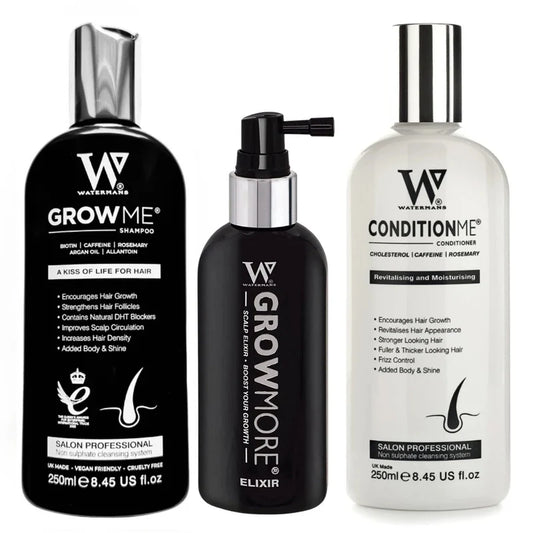
Some people also add the Watermans Hair Survival Kit to keep care steady between washes.
2. Gentle Hair Habits to Protect Follicles
When hair is weak, smooth care matters. Try to:
- Avoid styles that pull hair tight
- Limit heat use; choose a lower setting and use protection when needed
- Skip strong chemical treatments for a while
- Comb with a wide-tooth comb when hair is wet and blot dry instead of rubbing hard
- Use warm, not very hot, water to keep natural oils
Pair these habits with a good shampoo like Watermans Grow Me. This keeps your hair safe as you work on healing it.
3. Ways to Calm Your Stress
"Calm your stress" can be hard, but a few practices can really cut your cortisol. Try:
- Short sessions of mindful breathing for 5–10 minutes a day
- Simple yoga or tai chi that links body and breath
- Spending time outside in a green park
- Writing down your thoughts or worries before sleep
- Setting brief times for rest, just like you do for work
Pick one or two methods that you can keep up each day.
4. Get Better Sleep and Steady Night Hormones
Cortisol follows a daily rhythm. A good sleep helps balance it. Try to:
- Stick to a set sleep and wake time every day
- Dim lights and put away screens one hour before bed
- Avoid big meals or sweet foods near nighttime
- Limit caffeine to morning hours
- Use a calm activity before sleep, such as reading or stretching
If you notice signs of sleep problems, talk with your doctor. Fixing sleep can help energy and hair alike.
5. Eat Well to Feed Your Hair
Balanced food is a strong defense against hair loss. Enjoy:
- Protein with each meal (eggs, fish, chicken, beans, tofu, yoghurt) for building hair
- Whole grains (oats, brown rice, quinoa) to keep blood sugar even
- Healthy fats (olive oil, avocado, nuts, seeds, oily fish) for hormone balance
- A variety of fruits and vegetables for natural antioxidants
Your doctor might check your iron, vitamin D, B12, zinc, and folate levels if you worry about your diet or energy.
6. Exercise in a Way That Soothes
Rather than pushing hard every day, choose kind exercise:
- Two or three days weekly of moderate strength work
- Light cardio like brisk walking, cycling, or swimming most days
- At least one or two rest days filled with gentle movement or stretching
The idea is to move so you feel awake, not tired.
7. Seek Support for Your Emotions
If stress, worry, or sadness weigh you down, a talk with a professional may ease your load. Options include:
- Therapy that guides your thoughts
- Coaching for stress handling or building strength
- Group support for issues at work or home
Working on your feelings can help calm your body and, in turn, your hair.
8. Medical Help if the Need Arises
Sometimes, if hair loss meets other health issues, a doctor might suggest treatments such as:
- A topical solution to keep hair growing longer
- Medicines to balance hormones
- Injections for certain hair conditions
- Treatment for underlying issues like thyroid or low iron
Always follow a professional’s advice.
9. Guarding Your Scalp in Your Daily Life
Small daily acts can reduce stress on your scalp:
- Cover your head with a hat or scarf in strong sun
- Rinse hair after pool water or sea salt
- Choose a soft, mild shampoo like Watermans Grow Me so you do not strip oils
- In a dry place, use a humidifier or a leave-in product to cut breakage
These steps build a routine that helps hair recover.
Keep Hair Loss at Bay Before It Starts
If you are stressed but do not yet see heavy shedding, now is a good time to act.
Create a Stress-Safe Routine
Build safe habits that protect your hair:
- Daily scalp care
- Use a friendly shampoo like Watermans Grow Me Shampoo three to five times a week
- Gently massage your scalp to wake blood flow
- Weekly routines for rest
- Set aside one hour for calm activities such as a warm bath or quiet time
- Keep high-intensity workouts few and give yourself complete rest on other days
- Food basics
- Add protein in every meal
- Rotate iron-rich foods like lean meat, beans, or leafy greens
- Drink enough water, especially in heat
- Sleep and stress rules
- Practice a short deep breath session or mindfulness daily
- Keep a consistent sleep schedule
- Cut evening caffeine, alcohol, and screen time
- Careful styling
- Avoid strong hairstyles or heavy attachments
- Pause harsh chemical or hot treatments when you feel stressed
Mix these steps to make your follicles hardier when cortisol rises.
FAQs About Cortisol Hair Loss
1. How long does hair loss last once stress falls?
Often, when hair loss starts 2–3 months after stress, it improves over 3–6 months if you ease stress and care for your scalp. Full thickening may take 6–12 months as hair grows slowly. A steady routine with Watermans Grow Me Shampoo along with good sleep, lower stress, and balanced food helps speed recovery.
2. Can hair loss from cortisol stay for good?
Usually, hair loss caused by stress is temporary and can improve. Still, high cortisol over time may reveal or speed up other hair issues tied to family history or health. Early care, a checkup, and a calm lifestyle help keep your hair dense over time.
3. What is the best home treatment for cortisol hair loss?
A strong start at home uses both scalp care and lifestyle shifts. A product like Watermans Grow Me Shampoo can wake your scalp with Biotin, Rosemary, Caffeine, Niacinamide, Argan Oil, Allantoin, and Lupin Protein. Paired with better sleep, less stress, a balanced diet, and gentle styling, this routine builds a strong base before any medical help.
Take Action Against Cortisol Hair Loss Today
You do not have to stand by as stress makes hair thin and fragile. Once you know how cortisol slows down hair growth, you can work on lowering stress and caring for your scalp.
Start with a simple plan:
- Switch to a scalp-first routine – try Watermans Grow Me Shampoo for a daily boost that strengthens hair at the roots.
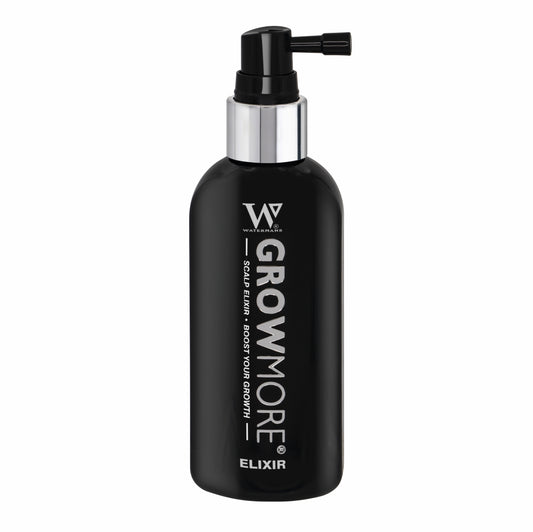
- Consider the Watermans Hair Survival Kit. It combines shampoo, conditioner, and a leave‑in product.
- Pick one or two lifestyle changes – better sleep, a stress-reducing practice, or steadier meals – and add them to your week.
Take these steps now. Your hair can recover strength and show a healthier, more balanced you, even when life feels heavy.