DHEA hair loss: What Really Causes Thinning and How to Stop
DHEA hair loss puzzles many people. DHEA (dehydroepiandrosterone) comes up as an anti‑ageing pill. It also gets named when talking about hair growth. Some people see more shedding or thinning when they take it. Knowing how DHEA works in your body and how it shifts hormones is the first step. This step helps you keep your hair safe and choose ways to build thicker, stronger hair.
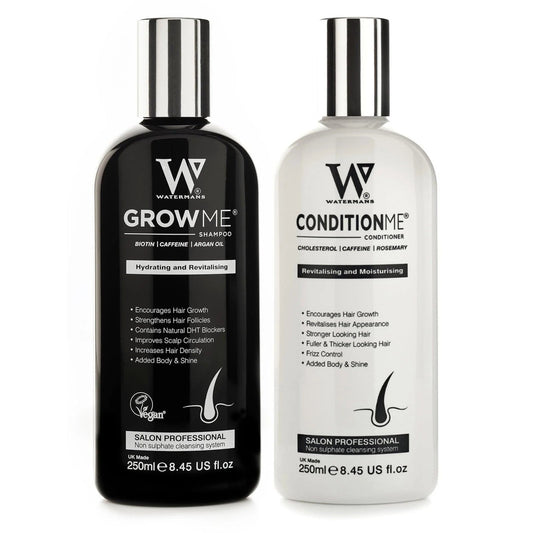
Before you try supplements or treatments, know that a good hair growth shampoo often works best at first. In Australia, Watermans Grow Me Shampoo has Biotin, Rosemary, Caffeine, Niacinamide, Argan Oil, Allantoin, and Lupin Protein. It helps wake the scalp up and boosts hair from its roots. You can check it here: Watermans Grow Me Shampoo.
What Is DHEA and Why Does It Matter for Hair?
DHEA in Simple Terms
DHEA is a hormone made by your adrenal glands that sit on your kidneys. It builds other hormones. It helps make androgens (like testosterone) and oestrogens.
Key points:
• It comes mainly from the adrenal glands and a bit from the ovaries or testes.
• It is highest in early adulthood and then drops with age.
• It is sold as a supplement in tablets, capsules, or creams.
• It builds into other strong sex hormones.
DHEA shifts your hormones. This shift can change your skin, energy, mood, sex drive, and hair follicles.
DHEA and Hair Growth
Hair follicles act like small, hormone-sensitive units. They react to changes in:
• Androgens (like testosterone and DHT)
• Oestrogens
• Cortisol (a stress hormone)
• Thyroid hormones
DHEA sits early in the hormone chain. Changing DHEA levels by taking supplements can change the balance of many hormones. This shift sometimes helps hair grow. For others, if you inherit pattern baldness, it may make hair thinner.
Can DHEA Cause Hair Loss?
The Short Answer
Yes. DHEA may add to hair loss in some people. It builds into androgens that include DHT. DHT makes hair follicles shrink in some people.
Not everyone loses hair with DHEA. It raises risk in some cases.
DHEA Builds into DHT
A simple path:
- Cholesterol makes DHEA.
- DHEA makes androstenedione and then testosterone.
- Testosterone makes dihydrotestosterone (DHT) with 5α‑reductase.
DHT is the main hormone that drives pattern baldness. In sensitive hair follicles, DHT:
• Shortens the hair’s growth phase.
• Makes new hair thin.
• Leads to tiny, almost invisible hairs.
A rise in DHEA can bring more androstenedione, then more testosterone, and finally more DHT. If your hair follicles react to DHT, you may see shedding, a receding hairline, or thinning at the crown.
Why DHEA Hair Loss Affects Some People but Not Others
Genetics and Follicle Sensitivity
Your genes decide:
• How many androgen receptors your follicles have.
• How strongly they react to DHT.
• How active your 5α‑reductase enzymes are.
Two people may take the same dose of DHEA. One may see no change, while the other sees more thinning in a few months. Some men keep thick hair in later years. Others lose hair even in their 20s.
Men and Women
In men, hair loss may happen if:
• There is a family history of baldness.
• Testosterone is already high.
• DHEA is taken in large amounts or for long times.
For women, it is more complex. DHEA may help with menopausal signs or a low sex drive. It can still raise androgens that cause:
• More hair on the face or body.
• Greasy skin or acne.
• Thinning on the top of the head.
Women with conditions like PCOS or insulin resistance are more sensitive to changes in DHEA and testosterone.
Age and Hormone Levels
• Younger people may have high DHEA and hormones. Their system has less room for extra DHEA.
• Older adults with low DHEA may take low doses without trouble—but high doses can still cause issues.
How to Tell If Your Hair Loss Is Linked to DHEA
Patterns of DHEA-Related Hair Thinning
DHEA hair loss looks much like pattern baldness.
For men:
• A receding hairline, especially at the temples.
• Thinning on the crown.
For women:
• A widening part line.
• Overall thinning on the top.
• The front hairline stays mostly the same.
You may link DHEA to your hair loss if you see thinning after you start a DHEA supplement, see more loss after a dose rise, or notice signs like acne or oily skin.
Other Causes of Hair Loss
Not all hair loss is from hormones. Other causes may be:
• Stress after illness or surgery (telogen effluvium).
• Missing nutrients like iron, vitamin D, B12, or zinc.
• Thyroid problems.
• Autoimmune conditions like alopecia areata.
• Damage from heat, chemicals or harsh styling.
If the loss starts suddenly with high stress or after a crash diet, DHEA may not be the main cause. A doctor or skin expert can help. They may use your history, blood tests, or scalp checks.
Are You at a Higher Risk of DHEA-Induced Hair Loss?
Who Should Be Careful with DHEA
Be cautious with DHEA if you:
• Have a family history of pattern baldness.
• Already see early thinning.
• Have PCOS or signs of high androgens.
• Notice ongoing acne or oily skin.
• Use other hormone medicines.
In these cases, even small amounts of DHEA can tip your hormones toward excess.
Doses and Risk
Most over-the-counter DHEA pills range from 10 mg to 50 mg daily. Patterns seen by some (not medical advice):
• 5–10 mg/day: Low risk in most, but caution is needed for the very sensitive.
• 25–50 mg/day: Medium to high risk in people prone to hair loss.
• 75 mg+ daily: Usually too high and may bring more side effects like hair thinning.
Always talk to a doctor before you change any hormonal supplement.
How to Prevent DHEA Hair Loss – Practical Steps
1. Check If You Need DHEA
Ask yourself if you really need DHEA.
• Did a doctor test your hormone levels?
• Did you choose it because of ads or online tips?
If you take DHEA for vague signs like low energy or ageing without clear tests, ask your doctor again. Many people see fewer signs of excess hormones when they lower or stop DHEA. It can take several months for hair cycles to come back to normal.
2. Start with Scalp Care
Before you try deeper treatments, think about care for your scalp. In Australia, many begin with a scalp-healthy shampoo. Watermans Grow Me Shampoo supports thicker hair and a calm scalp. It has:
• Biotin to back hair strength.
• Caffeine that may work against DHT at hair follicles.
• Rosemary to help blood flow.
• Niacinamide (Vitamin B3) to support the scalp’s skin.
• Argan Oil to soften and care for hair.
• Allantoin to soothe the scalp.
• Lupin Protein to back hair volume and strength.
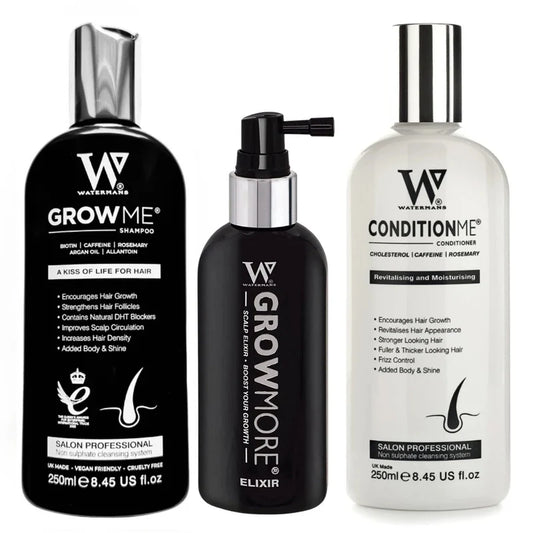
A steady shampoo use makes your scalp a better place for hair if hormones move back to balance. For a full routine, check out the Watermans Hair Survival Kit. It bundles:
• Grow Me Shampoo
• Conditioner
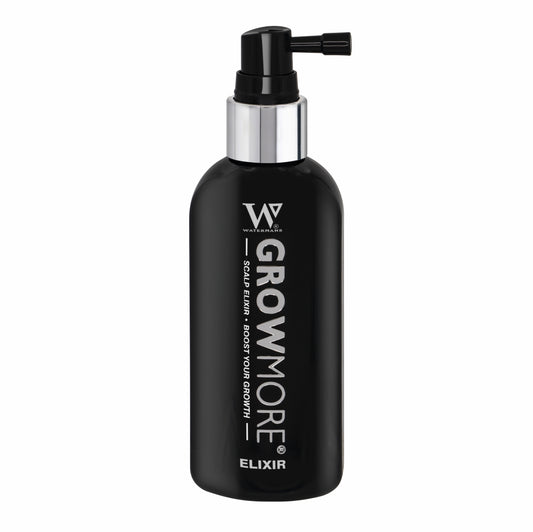
• A leave-in scalp formula that helps each day
This routine boosts blood flow, feeds hair roots, and aids daily hair strength.
3. Tweak Your Daily Habits
Even if you keep DHEA with a doctor’s advice, you can reduce its risk by fixing other habits:
• Keep a balanced diet that cuts down extra sugar and processed food.
• Exercise regularly to help your body respond well to insulin.
• Work on stress with meditation, yoga or breathing exercises.
• Sleep 7–9 hours each night to help your hormones.
• Avoid extreme diets that can stress your body and hair.
Supporting Healthy Hair While Balancing Hormones
Nutrients for Hair Strength
Make sure you get key nutrients. These include:
• Iron / Ferritin, because low iron can cause hair shedding.
• Vitamin D, as low levels link to hair loss.
• B12 and Folate to help blood deliver oxygen to hair roots.
• Zinc for hair growth and repair.
• Protein to build hair keratin.
If you lose much hair or it does not stop, ask a doctor to run blood tests.
Topical vs. Whole-Body Treatments
For many, care on the skin is a safe start:
• High-quality shampoos like Watermans Grow Me.
• Light conditioners that do not weigh hair down.
• Gentle scalp massages to boost small blood vessels.
• Avoid harsh chemicals or heat.
Medicine that works throughout the body may be needed only if hair loss keeps getting worse. These need a doctor’s supervision.
When to See a Doctor or Skin Expert
Signs Needing Professional Help
Find a doctor if you see:
• Fast, patchy hair loss.
• A lot of hair shed by the handful.
• Hair loss with tiredness, weight shifts, or menstrual changes.
• Scalp pain, itch, redness, flaking, or sores.
• A history with autoimmune problems.
Tell your doctor:
• When you started DHEA and the dose you take.
• Other supplements like biotin or hormone boosters.
• Any medicine you take.
• Your family history of hair loss.
Tests and Treatments
A doctor or skin expert may:
• Check hormone levels like DHEA‑S, testosterone, SHBG, oestradiol, and cortisol.
• Test your thyroid with TSH and T4.
• Look at ferritin, vitamin D, B12, and zinc levels.
• Suggest a gradual stop of DHEA if needed.
• Look at treatments to block DHT if hair loss is clear.
Do not stop any prescribed hormone suddenly. A slow change is much safer.
An At-Home Plan to Reduce DHEA Hair Loss
Here is one plan to help, made with your doctor’s tips:
-
Audit Your Supplements
• Write down all you take: amounts, dates, how often.
• List the ones that affect hormones like DHEA. -
Track Your Hair Changes
• Take clear photos every month (front, sides, crown).
• Note how much hair you lose when brushing or washing.
• Watch for changes in your hair line or part. -
Upgrade Your Hair & Scalp Routine
• Switch to Watermans Grow Me Shampoo to help scalp health.
• Try the Watermans Hair Survival Kit for a full care routine.
• Avoid tight hairstyles, high heat, or frequent bleaching. -
Improve Your Daily Routine
• Get enough sleep and manage stress.
• Eat whole, balanced meals with lean protein and healthy fats.
• Enjoy plenty of fruits and vegetables. -
Talk to a Doctor if Loss Does Not Stop
• Bring your supplement list and hair notes.
• Ask if hormone or nutrient tests may help.
• Discuss if the DHEA dose should be changed or stopped.
Questions About DHEA Hair Loss
- Does DHEA cause hair loss in all users?
No. DHEA hair loss shows mainly in people who are: • Prone to pattern baldness by family.
• Sensitive to DHT rises.
• Already facing hormone swings like those in PCOS.
Some use DHEA with no change in their hair. But there is a possibility of risk.
-
Can stopping DHEA reverse hair loss and bring back hair?
If you see hair loss early and lower or stop DHEA with a doctor’s help, your hair may come back slowly. Hair cycles can take 6–12 months to adjust and grow back. Using a product like Watermans Grow Me Shampoo can help give your hair a better start. -
Is DHEA good or bad for hair overall?
DHEA is not just good or bad. Its effect depends on: • Your hormone levels at the start.
• How your genes set up hair sensitivity.
• The dose you take and for how long.
For those who are prone to DHT sensitivity, extra DHEA can cause more loss than gain. That is why many choose scalp care first with a shampoo like Watermans Grow Me.
Your Next Step: Protect Your Hair While Balancing Hormones
If you worry that DHEA may cause your hair to thin, take small steps now. Start by:
• Checking with your doctor if you need DHEA.
• Watching your hair over time and noting any changes.
• Caring well for your scalp with a support shampoo.
For many in Australia who want a non-medical plan, a good shampoo can help. Watermans Grow Me Shampoo, with its blend of Biotin, Rosemary, Caffeine, Niacinamide, Argan Oil, Allantoin, and Lupin Protein, is known to boost hair from the roots and help hair follow a healthy cycle.
If you want to help your hair come back strong and look fuller, consider the full Watermans Hair Survival Kit. This kit works with your hair every day.