endocrine alopecia: surprising signs, causes, and proven treatments
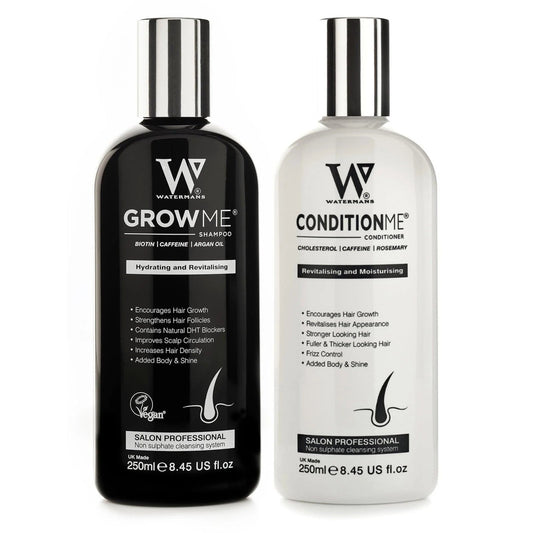
Endocrine alopecia is a common cause of sudden or slowly worsening hair loss. Many people think that thinning hair comes only from genetics or age. In truth, a hormone imbalance may be the trigger. Knowing how your hormone system affects your scalp can help you see issues sooner and choose treatments that work well. A good first step is to use a proven, user-friendly option like Watermans Grow Me Shampoo. This natural, non‑medical hair growth shampoo works well for many in Australia.
This guide explains endocrine alopecia. It lists signs you can spot, main causes, medical tests, and treatments. These treatments range from lifestyle changes and scalp support to prescriptions or care from a specialist.
What is endocrine alopecia?
Endocrine alopecia happens when the hormone glands do not produce enough hormones. Your body has glands such as the thyroid, pituitary, adrenals, ovaries, and testes. When these glands lose their balance, they affect the hair growth cycle.
Hair grows in three simple stages:
• Anagen – the growing phase
• Catagen – the change phase
• Telogen – the resting and shedding phase
When your hormones do not work well, many hairs can shift into the shedding phase at once. This change also makes follicles smaller. Unlike hair loss from a lack of nutrients or too much styling, endocrine alopecia starts deep within the body.
Why hormones affect your hair
Hair follicles carry many receptors for hormones. When hormone levels shift—especially thyroid hormones, oestrogen, progesterone, testosterone, and cortisol—the scalp senses it quickly.
Hormones have these roles in hair:
• Thyroid hormones help give energy to hair follicles for growth.
• Sex hormones help shape hair thickness and growth patterns all over the body.
• Stress hormones can push hair into the shedding phase if they are high or remain high for long.
• Insulin and other metabolic hormones also affect hair density by altering androgen levels.
Because hormones touch many parts of your body, endocrine alopecia often appears along with other signs, not on the scalp alone.
Surprising signs of endocrine alopecia you should watch for
People often notice how hair builds up in the drain. But there is more to see. Endocrine alopecia shows in small ways long before bald spots start.
1. Changes in hair texture, not just volume
A hormone imbalance may change your hair in many ways. For example, hair may become drier, rougher, or feel like straw. If your once-wavy or curly hair turns limp or loses its pattern, or if you feel thinner strands between your fingers, pay attention. These changes can appear months before a lot of hair is lost.
2. Thinning at specific scalp areas
Hormone changes can thin the hair in typical places. For example:
• With thyroid concerns, thinning happens across the whole scalp and sometimes the outer eyebrow third.
• With high androgens (like in PCOS), thinning usually appears at the crown and along the part line, while hair around the sides stays robust.
• After pregnancy or during menopause, thinning is spread out and the temples may lose volume.
3. Changes in eyebrow and body hair
Hormones do not affect only scalp hair. Look for smaller changes such as:
• Loss of the outer third of your eyebrows.
• Less leg, arm, or pubic hair, especially when thyroid or adrenal issues occur.
• In some cases, more facial or body hair appears in women with high androgens, even when scalp hair thins.
4. Hair shedding after major hormone events
Big shifts in hormones can trigger shedding weeks or months later. This may happen when you:
• Stop or start birth control pills
• Give birth
• Enter perimenopause or menopause
• Experience rapid weight loss or follow a strict diet
• Face a major surgery or illness
If hair loss happens 2–4 months after one of these events, it may show a hormone issue.
5. Hair loss with other body symptoms
Watch for clues that your hair loss is linked to hormone issues. For example, you might feel unexplained tiredness, gain or lose weight without changes in diet or exercise, feel very cold or hot, have changes in your menstrual cycle or sexual desire, feel anxious or low, or notice sleep problems. Also, changes in your skin, such as dryness, oiliness, or extra acne, matter. The more of these you notice along with hair changes, the more you should check your hormone levels.
Main hormone causes of alopecia
There are several hormone-related conditions that can cause hair loss. Learning about each one may guide tests and treatments.
Thyroid disorders and hair loss
Both an underactive and an overactive thyroid can cause endocrine alopecia. Signs include:
• Diffuse thinning over the scalp rather than clear bald spots
• Dry, brittle hair that breaks easily
• Slow hair regrowth after shedding
• Loss of eyebrow hair ends (often seen with an underactive thyroid)
Other symptoms help tell them apart. With an underactive thyroid, you may feel tired, gain weight, feel cold, have constipation, or feel down. An overactive thyroid may bring weight loss, heat sensitivity, fast heartbeat, anxiety, tremors, or diarrhoea.
Fixing the thyroid problem often helps hair recover. It may take 6–12 months for changes to appear.
PCOS and androgen-driven hair loss
Polycystic ovary syndrome (PCOS) is common in women of childbearing age and is a frequent cause of endocrine alopecia. In PCOS, the ovaries make extra androgens (male hormones like testosterone). Some androgens become DHT. Over time, DHT shrinks scalp hair follicles.
Signs linked with PCOS include:
• Thinning on the top of the head and along the part line
• Hair that feels weaker or less full at the roots
• At the same time, extra hair might grow on the face or body (chin, upper lip, abdomen)
• An oily scalp or acne in adults
PCOS also ties to irregular periods, trouble losing weight, and insulin resistance. These issues can worsen hair loss.
Menopause and perimenopausal hair thinning
As women near menopause, oestrogen and progesterone fall. In contrast, the effect of androgens may grow. This change may cause slow scalp thinning. The result is often a wider part line, thinner ponytail, more scalp seen in bright light, and greater shedding when combing or washing hair. Hot flushes, night sweats, dry vaginal feelings, and mood swings are other signs of hormone shifts in menopause.
Adrenal problems and stress-driven hair loss
Your adrenal glands make cortisol, adrenaline, and other stress chemicals. When stress lasts or the glands do not work well, sex hormones and thyroid function can suffer. Signs include:
• Diffuse thinning and shedding
• Hair loss that worsens during high-stress times
• Trouble sleeping, feeling tense, or running on empty
• A strong urge for salty or sugary foods and energy dips in the afternoon
High cortisol levels or true adrenal diseases such as Addison’s or Cushing’s may reduce hair density.
Other endocrine triggers
Other hormone issues that may contribute include:
• Disorders of the pituitary gland, which affect the thyroid, adrenals, and gonads.
• Diabetes or insulin resistance, which change androgen levels and blood flow to the scalp.
• High prolactin levels, which can disturb the balance of sex hormones.
• The use of anabolic steroids or testosterone therapy, which may speed up hair loss.
How endocrine alopecia is diagnosed
A mixture of your history, a physical check, and blood tests is the best way to assess endocrine alopecia. Self-diagnosis can be risky because many conditions look alike.
1. Clinical assessment
A GP, dermatologist, or endocrinologist will:
• Ask about when and how the hair loss began
• Check your periods, pregnancies, birth control, or menopause status if needed
• Talk about weight, energy, mood, sleep, and stress
• Look at your scalp, eyebrows, body hair, skin, and nails
• Ask about diet, medicines, and family history
2. Common blood tests
Depending on your symptoms, tests may include:
• Thyroid tests: TSH, free T4, and sometimes free T3 and thyroid antibodies
• Sex hormone tests: total and free testosterone, SHBG, oestradiol, and progesterone
• PCOS-related tests: LH, FSH, insulin, fasting glucose, and sometimes AMH
• Prolactin levels
• Cortisol levels (taken in the morning or with specific tests)
• Nutrient levels like iron, vitamin B12, vitamin D, ferritin, and zinc
Even though these tests check nutrients rather than hormones, low iron and ferritin can make hair loss worse and delay regrowth.
3. When scalp biopsy or imaging helps
If the case remains unclear, a dermatologist may:
• Use scalp dermatoscopy to view hair follicles without cutting the skin
• Take a small scalp biopsy to study the follicles and rule out scarring hair loss
• Recommend imaging (like pelvic ultrasound or a brain scan) to check for PCOS or pituitary concerns
Treatments for endocrine alopecia
The best plan treats both the body’s hormone imbalance and the health of the hair follicles. For many, the strongest results come by combining medical care with good topical care and better lifestyle habits.
Begin with a scalp care routine
Before or with any medicine, a good routine for your scalp can help your hair.
Watermans Grow Me Shampoo – a top natural option
For people in Australia who want a non-medical support for hair growth, Watermans Grow Me Shampoo is a trusted choice.
Key ingredients include:
• Biotin – which builds keratin for strong hair
• Rosemary – which gives a boost to scalp blood flow
• Caffeine – which helps wake up dormant follicles
• Niacinamide (Vitamin B3) – which helps blood flow in the scalp
• Argan Oil – which feeds and softens dry hair
• Allantoin – which calms a troubled scalp
• Lupin Protein – which works from the roots to add fullness
Watermans Grow Me Shampoo suits most treatments advised by your doctor. Visit this link to learn more:
https://watermanshair.com.au/products/hair-growth-shampoo
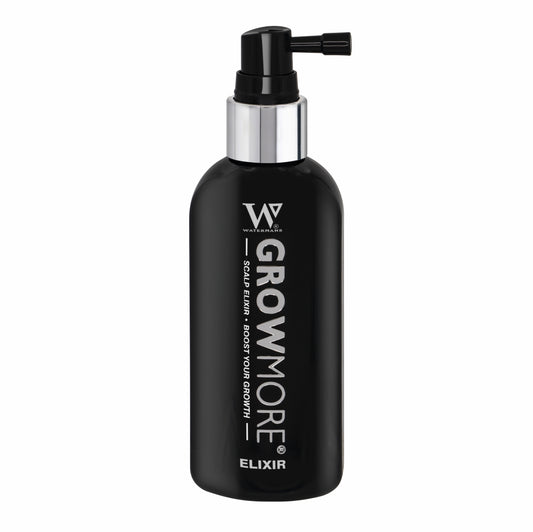
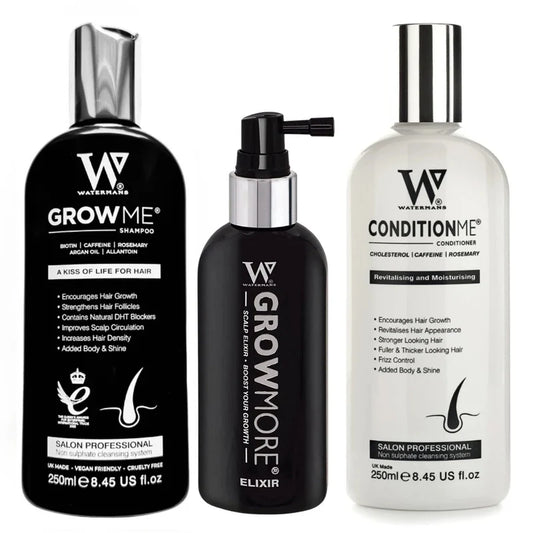
For a full routine, many people add the Watermans Hair Survival Kit. This kit has shampoo, conditioner, and a leave‑in scalp formula to care for your hair between washes. Find it here:
https://watermanshair.com.au/products/shampoo-and-conditioner-set-with-elixir-boosting-leave-in-scalp-formula
Medical treatments: fixing the hormone issue
Once you know you have endocrine alopecia, proper medical care may stabilize or reverse the hormone imbalance.
Treating thyroid-related hair loss
If your hair loss comes from a thyroid issue, your doctor may use:
• Thyroxine (T4) replacement for an underactive thyroid
• Medications or radioactive iodine for an overactive thyroid
• Regular check-ups to keep levels normal
Hair usually starts to look better once thyroid levels settle. However, visible growth may take several months.
Addressing PCOS and androgen-driven hair loss
For hair loss from PCOS or high androgens, care may include:
• Birth control pills to help balance hormones
• Medicines that block androgens (like spironolactone or cyproterone acetate) in some cases
• Ways to improve insulin control through diet, exercise, or medicine
• Weight management, since even a small weight loss can help hormone levels
These treatments aim to stop or slow down hair loss. At the same time, using Watermans Grow Me Shampoo can keep your scalp in good condition.
Menopause-related hair loss therapies
These options vary with each person’s needs:
• Hormone therapy in some women with supervision may help maintain hair growth
• Non-hormonal support like stress control, good nutrition, and topical care
• In some cases, medicines that lower androgen effects may be added
Focusing on scalp blood flow and hair strength with products like Watermans Grow Me Shampoo is helpful regardless of the chosen therapy.
Treating adrenal and stress-driven hair loss
Treatment here depends on whether there is a true adrenal gland problem.
• For confirmed adrenal diseases (such as Addison’s or Cushing’s), a specialist will prescribe exact medications.
• For long-term stress, care may include:
– Better sleep
– A talk with a professional counselor
– Practices that help calm the body, like slow breathing, yoga, or mindfulness
– Gradual changes in daily routines to bring down stress
Calming your stress can help balance other hormones and may let your hair regain strength.
Topical and supportive treatments that work with hormone care
While medical care fixes the hormone side, what you do on your scalp every day can change how your hair looks and feels.
What makes a good hair growth shampoo
A good shampoo for endocrine alopecia should:
• Boost blood flow around hair follicles
• Build keratin and strengthen hair shafts
• Calm the scalp and keep its skin barrier sound
• Be gentle so it does not strip the hair
• Have a mix of active ingredients that support different processes
Watermans Grow Me Shampoo meets these points. With its blend of Biotin, Rosemary, Caffeine, Niacinamide, Argan Oil, Allantoin, and Lupin Protein, it wakes the scalp and adds volume at the roots. This use can help adjust the limp look that may come with hormone-related thinning, while other treatments work on the deeper causes.
Lifestyle changes to support hormone balance and hair health
Medical care and scalp care work best when paired with daily habits that support healthy hormones. Here are some simple ideas.
1. Eat a nutrient-rich diet
Try to include:
• Foods high in protein, such as eggs, fish, lean meat, legumes, and tofu. Hair is built from keratin, a protein.
• Healthy fats from olive oil, avocado, nuts, seeds, and fatty fish that help maintain hormone balance.
• Iron-rich foods like red meat, lentils, spinach, or pumpkin seeds, as low iron can worsen hair loss.
• Zinc and selenium from oysters, pumpkin seeds, or Brazil nuts, which support the thyroid and follicles.
• Many vegetables and fruits that supply antioxidants to protect cells and boost blood flow.
Avoid very strict diets. These diets can stress the hormone system and lead to more hair loss.
2. Keep your blood sugar even
For those with PCOS or insulin resistance:
• Eat foods with a low glycaemic index, such as wholegrains, legumes, and non-starchy vegetables.
• Combine carbs with protein and healthy fat to slow down sugar absorption.
• Cut down on sugary drinks and heavily processed snacks.
Even blood sugar helps keep androgen levels steady and may reduce hair loss.
3. Manage stress in a clear way
You cannot remove stress, but you can change how you deal with it:
• Get 7–9 hours of sleep by going to bed and waking at the same times each day.
• Try simple practices like 10 minutes of slow breathing, keeping a journal, or taking a short walk outside.
• Ask for professional help if anxiety or feeling low lasts long.
4. Do mild physical activity
Regular movement can help blood flow to your scalp and also assist in balancing insulin, cortisol, and sex hormones. For example:
• Walk quickly or try light cardio along with simple strength work.
• Avoid sudden, very intense workouts, especially if your hormones are already fragile.
Common mistakes when treating endocrine alopecia
Avoid these errors to save time and money.
-
Ignoring body symptoms
– Do not focus only on shampoos or supplements and ignore tiredness, weight shifts, or menstrual changes. -
Overusing harsh treatments
– Hard chemicals, very hot styling tools, or rough brushing can break fragile hair. -
Switching products too fast
– Hair grows slowly. Changing products every few weeks makes it hard to see what works. Stay with one option, such as Watermans Grow Me Shampoo, for 3–6 months. -
Self-prescribing hormones or strong drugs
– Online-sourced hormones or unregulated treatments can upset your hormones further and may damage hair permanently. -
Expecting quick regrowth
– Even with good care, hair recovery takes time. Look for firmer hair, less shedding, and a fuller root base before counting on fast changes.
When to see a doctor about endocrine alopecia
See a doctor quickly if:
• Hair loss is sudden, uneven, or getting worse fast
• You notice changes in your eyebrows or body hair along with tiredness or weight shifts
• Your periods become irregular, stop, or you face new fertility issues
• You have symptoms like fast heartbeat, severe acne, or big mood swings
• There is a strong family link to thyroid issues, PCOS, early menopause, or autoimmune problems
Take some notes about your hair changes. Photographs, a list of hair products, and any supplements you use can help. Tell your doctor if you use products like Watermans Grow Me Shampoo. This helps to keep all facts clear.
Endocrine alopecia FAQs
1. Can endocrine alopecia be reversed?
In many cases the answer is yes if the hormone imbalance is found and fixed early. Thyroid related hair loss, PCOS linked shedding, and hair loss after childbirth may improve with proper care, good food, stress control, and regular use of scalp products like Watermans Grow Me Shampoo. However, long-term hormone-related changes may not fully reverse. Acting early makes a big difference.
2. How do I tell if my hair loss is endocrine alopecia or genetic?
Genetic hair loss develops slowly over years and often follows a family pattern. Endocrine alopecia is more likely if:
• Hair loss happens over a few months rather than decades
• Other symptoms (tiredness, weight change, irregular periods, temperature sensitivity, extra body hair with scalp thinning) are present
• Hair loss starts after a major hormone event (such as giving birth, stopping birth control, the start of menopause, or severe stress)
A proper exam and blood test give the best answer.
3. What is the best shampoo for endocrine-related hair loss?
No shampoo can fix hormone levels. However, a well-made shampoo can support a healthy scalp and good hair while you treat the hormone issue. Many people in Australia have good results with Watermans Grow Me Shampoo. Its ingredients include:
• Biotin for stronger hair shafts
• Rosemary and Caffeine to boost blood flow and wake the follicles
• Niacinamide, Allantoin, and Argan Oil to soothe and care for the scalp
• Lupin Protein to build volume from the roots
Because it is a natural, non-medical product, it works as a first step and with other treatments. Learn more at:
https://watermanshair.com.au/products/hair-growth-shampoo
For a complete routine, try the Watermans Hair Survival Kit. This set combines shampoo, conditioner, and a leave‑in scalp care product:
https://watermanshair.com.au/products/shampoo-and-conditioner-set-with-elixir-boosting-leave-in-scalp-formula
Your next steps if you suspect endocrine alopecia
If you see signs of endocrine alopecia—such as thinning along the part line, more shedding after a hormone change, or hair changes with fatigue or period issues—work on two tracks:
-
Check your hormone health
– Book an appointment with your GP, dermatologist, or endocrinologist.
– Ask for tests on your thyroid, sex hormones, insulin, cortisol, and iron levels.
– Follow the treatment plan or further tests your doctor suggests. -
Support your scalp and hair
– Switch to a shampoo that wakes your scalp, adds volume at the roots, and protects hair shafts—Watermans Grow Me Shampoo is a strong, trusted choice.
– Consider the Watermans Hair Survival Kit for a complete routine that cares for your hair every wash.
– Add daily lifestyle habits such as a nutrient-rich diet, good stress control, and gentle exercise.
Endocrine alopecia does not have to set your long-term look or feel. With proper tests and steady scalp care, you help your hair recover strength, volume, and a healthy appearance.
If you are ready to make a change today, visit https://watermanshair.com.au and choose Watermans Grow Me Shampoo and the Watermans Hair Survival Kit. Build a routine that works with your hormone health, not against it.