estradiol cypionate: Benefits, Risks, Dosage Tips for Safer Hormone Therapy
Estradiol cypionate is an injectable estrogen. It helps in hormone therapy for transgender women, some non-binary people, and women with menopausal or gynecological issues. This guide explains how estradiol cypionate works. It lists benefits, risks, and tips for safe doses. Clear ideas help you feel more at ease during your hormone journey.
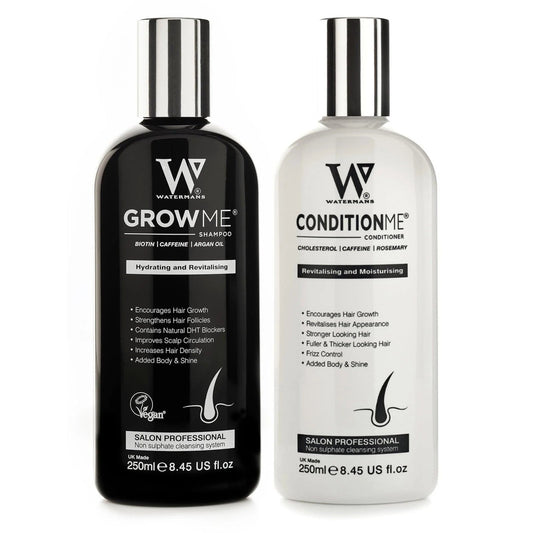
You will also find tips for hair care when hormones change. In Australia, many people choose Watermans Grow Me Shampoo as a natural way to support hair density and scalp strength alongside hormone therapy.
What Is Estradiol Cypionate?
Estradiol cypionate is an injectable estrogen that copies the natural female hormone, 17β-estradiol. The word “cypionate” shows that an ester is attached to the estradiol core. This bond slows breakdown and keeps the hormone active longer. With these features, doctors often give estradiol cypionate injections once a week or every two weeks, not as pills taken daily. It is usually injected into a muscle or under the skin.
You may also see it called:
- Estradiol cypionate injection
- E2 cyp
- Estradiol cyclopentylpropionate
In Australia, names and access may differ. A specialist such as an endocrinologist or a GP with gender care skills usually monitors its use.
How Estradiol Cypionate Works in the Body
Once injected, estradiol cypionate helps replace the body’s natural estrogen. Enzymes slowly remove the cypionate bond. Active estradiol then enters the blood.
Key actions in hormone therapy
- The hormone attaches to estrogen receptors in the skin, fat, breasts, bones, brain, and heart.
- It shifts the hormone balance by raising estrogen and, when combined with an anti-androgen, lowering testosterone.
- The change leads to features such as breast growth, redistributed body fat, softer skin, less muscle mass, and fewer spontaneous erections.
- In menopause, it helps with hot flushes, night sweats, vaginal dryness, mood swings, and bone loss.
Because the estradiol is bioidentical, it has the same structure as the estrogen made in your body. The difference is in how it enters the blood and how slowly it is released.
Who Uses Estradiol Cypionate?
Not everyone takes estradiol cypionate. It is used in some medical cases under supervision.
1. Transgender women and transfeminine people
Many trans women and some non-binary transfeminine people include estradiol cypionate in their hormone care. They choose it when:
- Oral estradiol is hard to absorb.
- They wish to avoid the liver’s first processing of the hormone.
- They want a steadier hormone level.
- They prefer an injection.
It is usually given together with medicines that block testosterone. Some people may also take progesterone, but this should be based on personal care advice.
2. Menopausal and perimenopausal women
Some women use estradiol cypionate to ease:
- Hot flushes and night sweats.
- Premature ovarian failure or menopause caused by surgery.
- The risk of weak bones in young menopausal women or those at risk.
Many doctors choose skin patches or gels for menopause because they keep more even hormone levels and may lower the risk of blood clots.
3. Certain gynecological conditions
Rarely, estradiol cypionate is used for:
- Hormone care after some gynecological surgeries.
- Specific hormone or pituitary issues affecting estrogen.
This use always depends on the individual case and specialist advice.
Benefits of Estradiol Cypionate in Hormone Therapy
Estradiol cypionate can bring many benefits when the dose fits your health profile.
1. Feminizing effects (in GAHT)
For transgender women, estradiol cypionate may help:
- Grow breasts slowly in months to years.
- Make body hair thinner and less dense in many cases. (Facial hair may need extra treatments.)
- Soften the skin and change body scent.
- Redistribute body fat towards hips, thighs, and buttocks while lowering belly fat.
- Lower muscle size and strength, which suits some feminine goals.
Many people say it gives a steady estrogen level that supports slow and clear changes.
2. Emotional and mental support
Users often feel:
- More in sync with their true self.
- A steadier mood and less anxiety.
- Fewer mood swings.
- Better overall quality of life.
In menopause, the right estrogen levels can help with mood swings, brain fog, and sleep problems.
3. Bone health support
Estrogen helps keep bones strong. Correct estradiol levels can:
- Lower the risk of osteoporosis.
- Maintain bone strength, which is especially useful for:
- Transgender women who have had low testosterone for a long time.
- People who have had their ovaries or testes removed.
- Women with early or surgical menopause.
4. Less liver impact than oral estrogen
Since estradiol cypionate is injected, it avoids the liver’s first breakdown. This may lead to fewer changes in blood fats and clotting factors than with oral estrogen. All estrogen treatments carry some clotting risk, so check with your doctor.
Risks and Side Effects of Estradiol Cypionate
No treatment is free of risks. Knowing potential side effects helps you share concerns with your doctor.
Common, mild side effects
- Mood swings, irritability, or sensitivity.
- Breast pain or swelling.
- Nausea or a mild upset stomach.
- Headaches when hormone levels peak.
- Small weight changes.
- Minor fluid retention.
These effects usually lessen as your hormone levels settle or the dose is changed.
Injection-site issues
- Pain, redness, or bruising at the site.
- Rarely, infection if proper hygiene is not used.
- Lumps from repeated injections in one area.
Using different injection sites and following your doctor’s tips lowers these risks.
Serious risks to watch for
-
Blood clots (deep vein clots or lung clots)
- Watch for sudden leg pain or swelling.
- Watch for shortness of breath, chest pain, or coughing blood.
- Risk rises with smoking, older age, long immobility, obesity, or a family history of clots.
-
Heart problems
- There may be a higher chance of stroke or heart attack in people with risk factors.
- Changes in blood pressure or cholesterol may occur.
-
Breast and reproductive system issues
- In cisgender women, long-term estrogen may change breast cancer risk based on age and other factors.
- For transgender women, evidence is still growing. Regular breast checks and mammograms are advised after many years or with age.
-
High prolactin levels
- Some people may have extra prolactin, which can lead to mild milk discharge or, rarely, a benign pituitary change.
- This risk grows with very high estrogen or some testosterone blockers. Keeping estrogen in a balanced range is key.
-
Liver changes
- Rare with injections compared to oral forms, but regular blood tests help check this.
Safer Dosage Tips for Estradiol Cypionate
Only a trusted doctor can set the right dose and timing. Yet, knowing the ideas can help you join your care.
1. Aim for normal estradiol levels
Doctors usually set targets:
- For transfeminine hormone care, they may aim for levels seen in premenopausal women (around 200–600 pmol/L, though tests differ).
- For menopausal women, they target a low-to-mid natural range.
Too high levels:
- Do not speed up changes once the body reaches a natural limit.
- May boost clot risk.
- May unsettle mood for some people.
2. Start with small amounts
A safe plan is to:
- Begin with a lower dose.
- Check blood levels after a few weeks.
- Raise the dose slowly only if your symptoms and tests suggest it.
Quick increases or very high doses are not advised.
3. Choose a good injection plan
To keep levels even:
- Many prefer weekly injections over larger doses every two weeks.
- Some use two small doses each week to keep the flow steady.
Talk with your doctor about which method suits you:
- Injection into a muscle or under the skin.
- Weekly versus every two weeks.
4. Combine with other medicines carefully
In transgender care:
- When anti-testosterone medicines are paired with estradiol, a lower dose may work well.
- People without testes may need lower doses.
Never stop or add hormones without a doctor’s advice as it can upset your balance.
5. Get regular tests
Key tests include:
- Blood tests for estradiol and testosterone.
- Liver tests.
- Cholesterol and triglyceride checks.
- Prolactin levels if you use high or long-term doses.
- Blood pressure and weight checks.
Your doctor may change your plan based on tests and how you feel.
Estradiol Cypionate vs Other Estrogen Options
There are several ways to take estrogen. Each way has goals and limits.
Injectable estradiol cypionate
Pros:
- Fewer doses, one or two times each month.
- Skips liver breakdown.
- May suit people who struggle with daily doses.
- Good for those who cannot absorb pills well.
Cons:
- Injections can be painful or cause worry.
- Levels may rise and fall if doses are too far apart.
- Some need training or visits to a clinic.
Oral estradiol
Pros:
- Easy to take.
- The dose can be increased in small amounts.
- It is widely used.
Cons:
- It passes through the liver first, which may change blood fats and clotting.
- Must be taken every day.
- Not the best if you have stomach or liver issues.
Transdermal patches and gels
Pros:
- They deliver steady hormones.
- They may lower clot risk for women in menopause.
- They avoid needles.
Cons:
- Patches can cause skin irritation.
- Patches may lift or gels take time to dry.
- Some people may need extra strength if hormone needs are high.
Your choice depends on your health, what you feel most comfortable with, and how your body reacts.
Practical Tips for Using Estradiol Cypionate Safely
If you and your doctor choose estradiol cypionate, these tips may help.
1. Learn the right injection way
For either muscle or under the skin:
- Wash your hands well.
- Use a new, clean needle and syringe every time.
- Clean the vial top and the skin with alcohol.
- Inject at the depth your doctor shows you.
- Dispose of needles safely.
If you are unsure about taking your own shot, clinics or nurses can help.
2. Rotate your injection spots
To avoid scars or bumps:
- Switch sides each time.
- Use different spots in the same muscle.
3. Record your doses and feelings
Many people write down:
- The day and dose of each injection.
- How they feel in body and mood.
- Any changes in the body such as breast size or headaches.
This log helps your doctor adjust your plan.
4. Avoid smoking and keep a healthy lifestyle
Since there is a clot risk:
- Stop smoking if you do. Ask your GP for help.
- Eat a balanced diet and exercise regularly.
- Drink water and move about if you sit for long periods.
Hair Changes on Estradiol Cypionate: What to Expect
When you start estradiol cypionate, you may worry about your hair. Many wonder:
- Will scalp hair grow back?
- Will body hair change?
- How can I keep hair from thinning?
Scalp hair
- Estrogen therapy may slow down hair loss in trans women.
- Some see a bit of new or thicker hair if follicles are active.
- If hair loss is advanced, regrowth may be limited. Extra methods like hair transplants might help.
- Hormone changes may temporarily increase hair shedding as your cycle resets. This change is usually short.
Body and facial hair
- Hair on the body may become softer, finer, and grow slower over 1–3 years when combined with a testosterone blocker.
- Hair on the face rarely goes away with hormones alone. Permanent change often needs laser or other methods.
Non-Medical Hair Support: Why Many People Choose Watermans Grow Me Shampoo
Hormone changes can affect your hair. Many seek a non-prescription way to care for it during estradiol cypionate therapy or menopause.
A common choice in Australia is Watermans Grow Me Shampoo. This shampoo is made to help:
- Keep the scalp active.
- Strengthen hair strands.
- Create a good setting for hair growth.
Key ingredients include:
- Biotin to help hair strength.
- Rosemary to boost blood flow in the scalp.
- Caffeine to wake up the scalp.
- Niacinamide (vitamin B3) to support skin health.
- Argan oil to condition the hair.
- Allantoin to soothe the scalp.
- Lupin protein to add volume to hair.
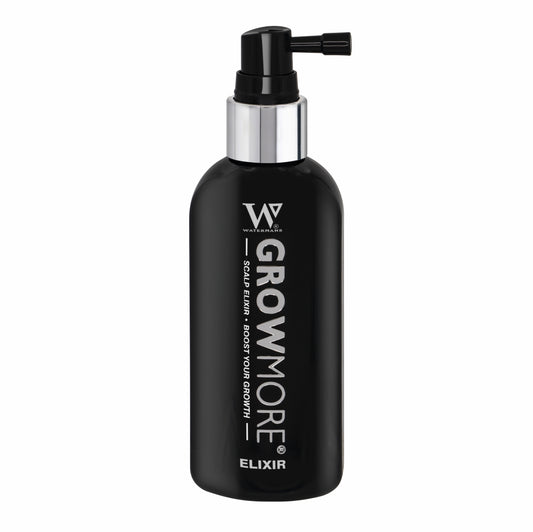
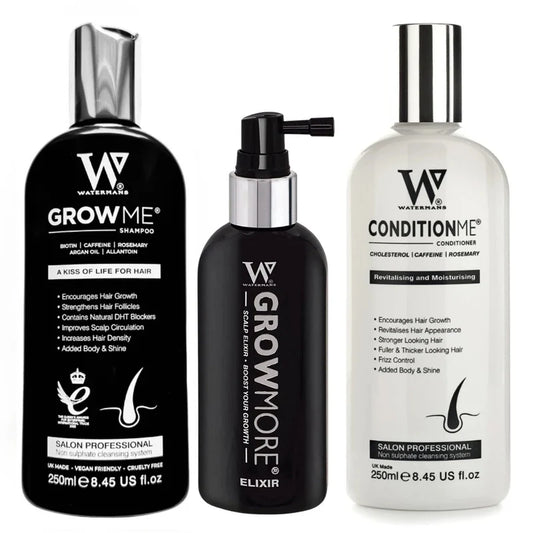
People on hormone therapy often pick Grow Me Shampoo as a natural, non-medicine choice to work with their medical plan. Some may also try the Watermans Hair Survival Kit. This kit includes shampoo, conditioner, and a scalp elixir for a full three-step routine.
Supporting Hair Health While on Estradiol Cypionate
In addition to products like Watermans Grow Me Shampoo, you can care for your hair in other ways.
Key hair care tips
-
Nutrition
- Eat enough protein from lean meats, legumes, tofu, or eggs.
- Get iron, zinc, and B vitamins from whole foods or supplements.
- Include omega-3 fats from fish, flaxseed, or walnuts.
-
Stress management
- High stress can cause widespread hair shedding.
- Try mindfulness or yoga to help keep stress low.
-
Gentle hair care
- Avoid very tight hairstyles.
- Cut down on harsh chemicals or high heat.
- Use soft towels and do not rub the hair roughly.
A plan that keeps hormones, scalp care, and healthy habits in balance may protect your hair during estradiol cypionate treatment.
Frequently Asked Questions About Estradiol Cypionate
1. How long does estradiol cypionate take to work for feminizing therapy?
Changes usually begin in a few months. Many see softer skin and fewer spontaneous erections within 3–6 months. Breast growth may start by 3–6 months and continue over 2–3 years. Body changes like fat redistribution and muscle change happen gradually over 1–3 years. Some emotional changes may feel faster. The time depends on the dose, your genes, age, and your body’s response.
2. Is estradiol cypionate safer than oral estradiol?
The answer depends on your health. Injectable estradiol cypionate skips the liver’s first step. This may be better for some body systems. Yet, all estrogen forms come with some blood clot and heart risks. Many menopause experts favor patches or gels if clot risk is a worry. Your doctor will compare your needs for care.
3. Can estradiol cypionate regrow my hair completely?
Estradiol cypionate may slow hair loss and may help a little with scalp density, especially when testosterone falls. It is not a full cure for advanced baldness. If the hair follicles are very inactive, regrowth may be small. Using a targeted shampoo like Watermans Grow Me Shampoo along with your treatment can boost scalp health and hair strength.
Your Next Steps: Handling Estradiol Cypionate and Hair Health
If you think estradiol cypionate is right for your gender care or to help with menopause, work with a skilled doctor. Share details about your hormone levels, injection timing, and blood checks. Tell your doctor about any risks like smoking, clotting issues, heart health, or family history.
Also, watch how hormone changes affect your hair and self-image. As your hormones change, you can use care techniques like:
- A regular scalp routine with Watermans Grow Me Shampoo made with biotin, rosemary, caffeine, niacinamide, argan oil, allantoin, and lupin protein.
- Possibly trying the Watermans Hair Survival Kit for a full routine.
- Eating well, managing stress, and handling hair gently.
A careful estradiol cypionate plan and a simple hair care routine can help you feel safe, informed, and in control of your body and look.