estradiol valerate: Essential Guide to Benefits, Side Effects, Dosage
Estradiol valerate works as one of the most used forms of oestrogen in medicine. Many know it from hormone replacement, birth control, gender‑affirming therapy, or treatments for gynaecological issues. This guide uses clear, short sentences so you can talk with your doctor with ease.
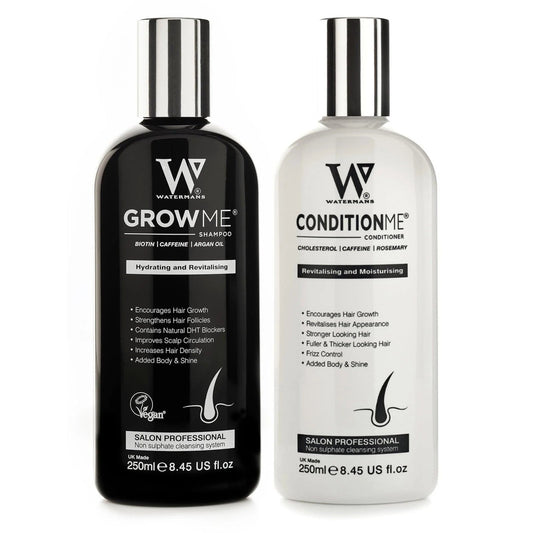
Hair health links strongly with hormones. Many who consider estradiol valerate worry over thinning hair or loss. Before strong medical steps for hair, try a top non‑medical product like Watermans Grow Me Shampoo. It uses Biotin, Rosemary, Caffeine, Niacinamide, Argan Oil, Allantoin, and Lupin Protein. This shampoo works at the scalp and from the roots. Learn more or buy it on the Australian site at Watermans Hair.
What Is Estradiol Valerate?
Estradiol valerate is a man-made form of estradiol. It comes from the natural hormone made by the ovaries. When you use it, your body changes it into true estradiol.
It helps in these ways:
- Menopausal hormone therapy
- Low oestrogen treatment
- Some contraceptive injections (combined with a progestin)
- Gender‑affirming work for transfeminine and some non‑binary people
- Some gynaecological treatments (like with no periods or irregular cycles)
People can get it as:
- An injection (IM or subcutaneous)
- Oral tablets
- Products mixed with progestins, mainly for contraception
How Estradiol Valerate Works in the Body
Once in the body, estradiol valerate splits into estradiol and valeric acid. The estradiol then links to oestrogen receptors in many tissues, such as:
- Uterus and endometrium
- Vagina and vulva
- Breasts
- Bones
- Liver
- Heart and blood vessels
- Brain and nerves
- Skin and hair follicles
This link helps cells grow and tissues keep well. The body then gets these results:
- A more steady menstrual cycle
- Better bone strength by cutting bone loss
- Adjusted cholesterol and fats
- Health for urogenital tissues and better vaginal moisture
- Changes in mood, sleep, and thought
- Effects on hair and skin look
Medical Uses of Estradiol Valerate
1. Menopausal and Perimenopausal Hormone Therapy
Doctors give estradiol valerate to help with menopause and perimenopause signs such as:
- Hot flushes and night sweats
- Dryness and pain in the vaginal area
- Mood swings and irritability
- Sleep problems
- Lowered sex drive
- Bone loss that may lead to osteopenia or osteoporosis
For those with a uterus, a progestin is added to cut the risk of extra growth of the inner lining or cancer.
2. Hypoestrogenism and Amenorrhoea
People who have low oestrogen, due to:
- Early ovarian failure
- Ovary removal
- Some genetic issues
- Very low weight or a hormone imbalance
may get estradiol valerate to help with:
- Bone strength
- Natural cycle restoration
- Tissue health in urogenital areas
- More general well‑being
3. Contraception
Some birth control injections mix estradiol valerate with a progestin. These injections:
- Stop ovulation
- Thicken cervical mucus to block sperm
- Keep the lining steady to stop a fertilized egg from implanting
They come on a monthly or scheduled basis that your doctor sets.
4. Gender‑Affirming Hormone Therapy
For many transfeminine and some non‑binary people, estradiol valerate helps to:
- Cause breast growth
- Change the body fat pattern to a more feminine one
- Lower muscle mass gradually
- Make skin softer and hair patterns change
- Reduce unwanted erections and adjust sex drive
The injection form works well since the dose and timing can be set (for example, weekly or every two weeks). It skips liver changes that occur with oral medicines and helps keep steady estradiol levels.
5. Gynaecological Conditions
Doctors may give estradiol valerate for cases like:
- Unusual uterine bleeding
- Delayed puberty when oestrogen is needed
- Hormone preparation before and after some surgeries in the gynaecological area
Benefits of Estradiol Valerate
1. Symptom Relief in Menopause
Using estradiol valerate can help ease common menopause signs:
- Fewer hot flushes and night sweats
- Better sleep
- Less vaginal dryness and pain
- More stable moods and a good general sense
- Some report a better sex drive
2. Bone Protection
Oestrogen helps keep bones strong. The right estradiol levels can:
- Cut the rate at which bone is lost
- Keep bone density up
- Lessen the chance of fractures
This is key for:
- Postmenopausal women
- Those with early ovarian failure
- People who use medicines that affect bones
3. Cardiovascular and Metabolic Effects
In some cases, estradiol valerate can help shift blood fats by:
- Raising levels of HDL enough and lowering LDL
- Helping the blood vessels work better
A doctor checks all risks before starting treatment.
4. Quality of Life and Mental Health
Many users say they enjoy:
- Better sleep
- Fewer mood swings and less anxiety
- Clearer thoughts
- A better feeling about their bodies, which is seen in gender‑affirming plans
5. Feminising Physical Changes (Gender‑Affirming Care)
For those in gender‑affirming therapy, estradiol valerate in the right dose may bring:
- Gradual breast growth
- Softer skin
- Slower growth of thick hair on the body
- A shift of body fat toward hips, thighs, and buttocks
- A slow drop in spontaneous erections and testicle size
Estradiol Valerate and Hair: What to Expect
Hormones and hair stick together in many ways. Changes in oestrogen, progesterone, and androgens affect:
- Hair density
- Growth speed
- How much hair falls out
- Overall hair looks
Effect on Hair in Menopause and Perimenopause
During perimenopause and menopause:
- A drop in oestrogen can lead to thinner hair and extra shedding
- Some people may see a pattern of hair loss on top, linked to higher androgen levels
A correct dose of estradiol valerate, as part of hormone therapy, may help slow this hair thinning and keep hair quality good by shifting the hormonal balance.
Effect in Gender‑Affirming Hormone Therapy
In gender‑affirming plans, estradiol valerate (often with medicines that reduce androgens):
- May slow hair loss on the scalp
- Can lower the rate of new facial and body hair
- Might bring small improvements to scalp hair if the loss is not advanced
Hair that has been inactive for a long time might not come back fully.
Non‑Medical Hair Support: Start with Your Scalp
Since hormone therapy is not aimed solely at hair, many start with topical care before using strong hair loss medicines.
A popular method in Australia is Watermans Grow Me Shampoo. This shampoo has no sulfates and works like a salon product. It holds:
- Biotin, which helps build hair keratin
- Rosemary, which supports blood flow
- Caffeine to wake up hair roots
- Niacinamide to care for the skin at the scalp
- Argan Oil to nourish without weighing hair down
- Allantoin to calm and smooth
- Lupin Protein to add strength and volume
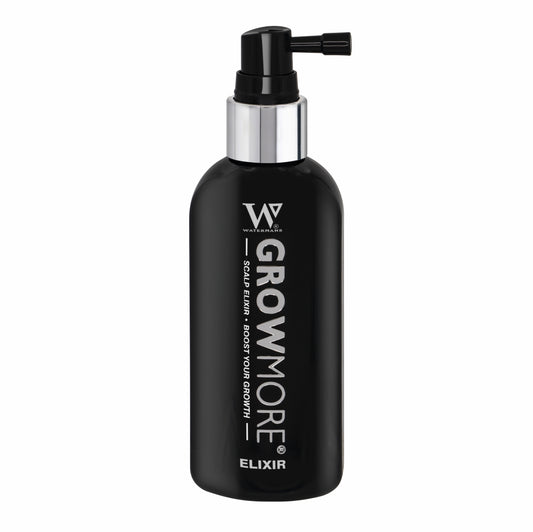
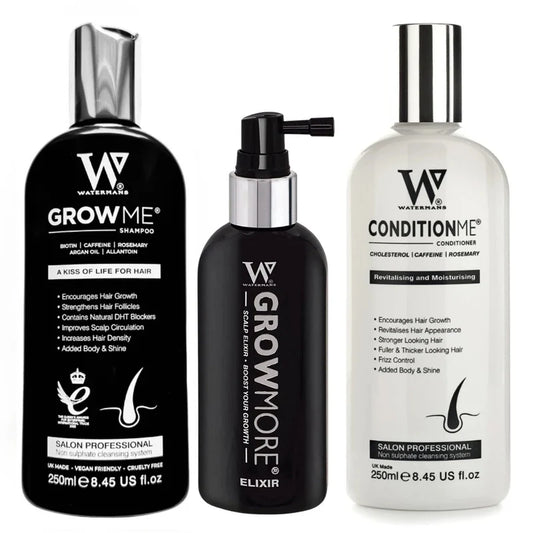
This shampoo works by waking the scalp and giving hair more body at the roots. For full care, you may also try the Watermans Hair Survival Kit. This kit pairs shampoo with conditioner and a leave‑in treatment to help hair look fuller.
Estradiol Valerate Dosage: Forms and Schedules
Note: Always follow your doctor’s advice. The dosage examples below are general and not meant for personal use.
1. Injectable Estradiol Valerate
- Route: Given by muscle (IM) or under the skin (SC)
- Frequency: Weekly, every two weeks, or sometimes every 3–4 weeks; this depends on dose and need
- Dose examples:
- For menopause: smaller doses given less often
- For gender‑affirming therapy: moderate doses given weekly or every two weeks
The peak levels of estradiol show in a few days then fall slowly. The doctor sets the dose based on symptoms, blood test results, and any side effects.
2. Oral Estradiol Valerate
Tablets are taken once each day in many hormone plans. These tablets:
- Pass through the liver
- Give levels of estradiol that may go up and down but stay adequate with regular use
Doses are set lower for menopause and may be higher or combined with other forms for special cases.
3. Contraceptive Regimens
When estradiol valerate is part of an injection for birth control, it comes with a progestin and is given on a fixed plan (for example, every month). It is important to keep to the schedule for it to work well.
4. Titration and Monitoring
No matter the use, treatment with estradiol valerate needs careful checks. The plan usually starts with a small dose and then:
- The doctor asks about symptoms and any side effects
- Blood tests check hormone levels
- The dose or schedule may change based on these signs
Do not change your dose or stop taking the medicine without your doctor’s help.
Common Side Effects of Estradiol Valerate
Like all hormone treatments, estradiol valerate may bring side effects. Many are linked to the dose and may lessen as the body gets used to the medicine.
Frequent Mild Side Effects
- Tender or larger breasts
- Nausea or a slight upset stomach (this happens more with tablets)
- Headaches
- Spotting or breakthrough bleeding, especially at the start
- Shifts in sex drive
- Some water retention and swelling
- Changes in mood or brief irritability
Skin and Hair‑Related Changes
- A small rise in oiliness or dryness of the skin
- Minor changes in how hair feels or falls out
- Some report thicker hair as the scalp improves with balanced hormones
These effects usually come in small, slow steps.
Serious Risks and Safety Considerations
Many people take estradiol valerate without problems. Still, there are risks that need care and checks.
1. Blood Clots (Venous Thromboembolism)
Oestrogen can raise the chance of blood clots such as:
- Deep vein thrombosis (DVT)
- Pulmonary embolism (PE)
The risk grows if you:
- Smoke, especially after age 35
- Are very overweight
- Have a history of clotting issues in yourself or family
- Remain still for long periods
Some evidence shows that skin patches or injections may give a lower chance of clots than high‑dose tablets used before.
2. Cardiovascular Events
For some, estradiol therapy may come with a small risk of:
- Stroke
- Heart attack
Risk depends on age, how long you have been menopausal, smoking habits, blood pressure, and other health issues.
3. Cancers
Major concerns include:
- Endometrial cancer: This risk climbs when oestrogen is given without a progestin for those with a uterus.
- Breast cancer: Long‑term combined therapy may raise the risk slightly in some cases. The risk shifts by time used, age, and family or personal history.
A doctor will check your family and personal history and screening tests to set the right plan.
4. Liver and Gallbladder Issues
Oestrogens can change liver proteins and may raise the risk of:
- Gallstones
- Abnormal liver tests if you are prone
5. Other Serious but Less Common Effects
- Severe migraines with aura
- Big mood or mental health shifts
- Marked rises in blood pressure
If you feel:
- Sudden chest pain or shortness of breath
- Unexplained leg pain and swelling
- A sudden, strong headache or vision changes
- Weakness on one side of the body
seek medical help at once.
Who Should Avoid or Use Estradiol Valerate With Caution?
Estradiol valerate may not be safe or needs care if you:
- Have current or past cancers that grow with oestrogen (for example, breast or endometrial cancer)
- Show unexplained vaginal bleeding
- Have an active or past history of blood clots or clotting issues
- Suffer from severe liver problems
- Are allergic to estradiol valerate or its ingredients
Extra attention is needed if you have:
- A strong family history of breast, ovarian, or uterine cancer
- Uncontrolled high blood pressure
- A history of stroke, heart problems, or migraines with aura
- Diabetes with blood vessel issues
Always share your full medical story and current medicines with your doctor.
Interactions Between Estradiol Valerate and Other Medications
Estradiol valerate can mix with other drugs that change hormone breakdown. This happens mainly through liver enzymes such as CYP450. Some drugs lower estradiol levels. These include:
- Certain anti‑seizure medicines (like phenytoin or carbamazepine)
- Some antibiotics (like rifampicin or rifabutin)
- Certain HIV drugs (some protease inhibitors, NNRTIs)
- Herbal forms like St. John’s wort
This mix can reduce effects on symptoms or birth control reliability.
Other medicines that might feel changes due to estradiol include:
- Certain blood thinners
- Some thyroid drugs
- Medicines that mostly bind to blood proteins
Before you begin estradiol valerate, list all your prescriptions, over‑the‑counter drugs, vitamins, and herbal products for your doctor and pharmacist.
Monitoring While on Estradiol Valerate
Regular checks help keep estradiol valerate safe and working well.
Clinical Monitoring
Your doctor may ask about:
- How your symptoms feel (hot flushes, mood, sleep, and period changes)
- Changes in weight, blood pressure, and pulse
- Breast and pelvic exams when needed
- Side effects you notice
Laboratory Monitoring
Depending on your plan, you may need tests for:
- Estradiol levels (especially in gender‑affirming care)
- Liver function
- Cholesterol and fats
- Blood sugar or HbA1c if you have diabetes
- Clotting studies or other tests if you have clotting issues
In gender‑affirming care, your testosterone level often gets checked as well.
Imaging and Screening
- Regular mammograms based on your age and risk
- Bone scans (DEXA) if you risk fractures
- Pelvic ultrasound for unusual bleeding or pain
Practical Tips for Taking Estradiol Valerate
1. For Injectable Estradiol Valerate
- Have a trained person give the injection, or learn to self‑inject properly from your doctor.
- Use clean methods every time to cut infection risk.
- Change injection spots (if self‑injected under the skin) to avoid irritation.
2. For Oral Estradiol Valerate
- Take it at the same time every day for steady blood levels.
- If you miss a dose, follow your doctor’s or package advice—usually, take it as soon as you remember unless it is nearly time for the next dose.
- Do not stop or restart suddenly; changes must be gradual and with a doctor’s help.
3. Lifestyle Measures to Support Hormone Therapy
Improve the effect of estradiol valerate and cut risks by:
- Not smoking (or getting help to quit)
- Keeping a healthy weight with a good diet and regular exercise
- Doing weight‑bearing exercise to protect your bones
- Watching your alcohol intake
- Managing stress with good sleep, mindfulness, or talking with a counselor
4. Supporting Hair Health Alongside Estradiol
If you worry about thinning or less hair, mix hormone care with scalp care:
- Use a gentle, sulfate‑free shampoo such as Watermans Grow Me Shampoo that brings hair‑friendly ingredients like Biotin, Caffeine, Rosemary, Niacinamide, Argan Oil, Allantoin, and Lupin Protein.
- Cut back on strong heat styling and harsh chemical treatments.
- Make sure to eat enough protein, iron, zinc, and vitamin D (check with your doctor if you think you lack these).
- For a full routine, use the Watermans Hair Survival Kit which combines shampoo, conditioner, and a leave‑in scalp elixir.
Who Might Benefit Most from Estradiol Valerate?
Estradiol valerate can help:
- People with hard-to-treat menopausal symptoms who meet age guidelines and do not have major health risks.
- Those with early menopause, where replacing oestrogen aids bone, heart, and urogenital health until a natural age is reached.
- People with low oestrogen from various causes who need hormone support for general health.
- Transfeminine and non‑binary people working with a skilled doctor and team in gender‑affirming care.
- Selected patients who have menstrual or gynaecological issues where estradiol fits the need.
The method rests on a talk with your doctor, who will weigh the risks and gains for you.
Checklist: Questions to Ask Your Doctor About Estradiol Valerate
Use this list when you meet your doctor:
- What makes estradiol valerate the right choice for my case?
- Are there other forms of oestrogen or non‑hormonal choices I should try first?
- What dose and schedule will I start on, and how will we change it if needed?
- Should I take a progestin as well (if I have a uterus)?
- How will my side effects and long‑term risks be tracked?
- How might estradiol valerate mix with my current drugs or supplements?
- What changes in my lifestyle can help the treatment (for example, exercise, diet, quitting smoking)?
- How can estradiol valerate change my hair, skin, and mood?
- If I notice new symptoms such as headaches, leg pain, or chest pain, what should I do?
Bringing this list to your appointment can give you clear answers tailored to you.
Short FAQ About Estradiol Valerate
1. Is estradiol valerate the same as estradiol?
Estradiol valerate is a changed form of estradiol. In your body, it gets turned into estradiol that matches the hormone your ovaries make. So, while they look different before your body works on them, in effect they provide the same hormone.
2. How long does an estradiol valerate injection work?
How long it works depends on the dose, the injection spot, and your body. In general:
- After an injection, estradiol levels peak in a few days and then fall slowly.
- Many plans use a weekly or every two‑week injection to keep the levels steady.
Your doctor will set the timing by checking your blood and symptoms.
3. Can estradiol valerate help with hair loss or thinning?
Estradiol valerate is not a direct treatment for hair loss. By shifting your hormone levels in cases like menopause or in gender‑affirming care, it may help slow hair shedding in some people. Results vary and may be small. For a more focused hair or scalp treatment, a non‑medical product like Watermans Grow Me Shampoo or the full Watermans Hair Survival Kit can be a good start while your hormone treatment is adjusted.
Take the Next Step
If you think estradiol valerate may help with menopause, low oestrogen, birth control, or gender‑affirming care, start with a clear talk with a skilled doctor who knows your past, goals, and risks.
Before your meeting, think about:
- The symptoms you want to lessen
- Any personal or family ties to clotting issues, cancer, or heart disease
- All the medicines and supplements you take
- Your worries about side effects, fertility, and long‑term health
At the same time, take care of parts you control—especially your hair and scalp, which many link to self‑confidence as hormones change. Using a routine with Watermans Grow Me Shampoo or the Watermans Hair Survival Kit gives you a strong, non‑medical start for fuller, healthier hair while your hormone plan is set up.
Combining medical advice, lifestyle care, and good hair care puts you in a strong spot to work with estradiol valerate with clear, simple steps.