estriol hair loss: How to stop shedding and regrow hair
Estriol hair loss confuses and worries many. People link “oestrogen” with lush hair. Yet when estriol or other oestrogens change during menopause, pregnancy, HRT, or some illnesses, you may see it in your hair, on your brush, in your drain, or on your pillow. This guide breaks the topic into clear parts. It explains what estriol is, its link to hair loss, available treatments, and how evidence-informed haircare like Watermans Grow Me Shampoo reduces shedding and helps regrowth.
What is estriol – and why can it affect hair?
Oestrogen is a family of hormones. The three main ones are:
- Estradiol (E2) – the strongest hormone in women of reproductive age.
- Estrone (E1) – a milder hormone that rises after menopause.
- Estriol (E3) – the mildest hormone, made in large amounts during pregnancy.
Estriol is known as the "pregnancy oestrogen" because the placenta makes it in high amounts. Outside pregnancy, smaller doses occur. It sometimes appears in bioidentical HRT creams or pessaries for vaginal and urogenital symptoms.
Oestrogens, including estriol, help hair by:
- Extending the growth (anagen) phase.
- Slowing the resting (telogen) phase to reduce shedding.
- Boosting scalp blood flow and follicle metabolism.
- Shaping androgen activity (such as DHT), a main cause of genetic hair loss.
When estriol or other oestrogens change or drop too low against androgens, the hair cycle shifts. This can lead to more shedding and thinning.
Can estriol cause hair loss – or help it?
The link between estriol and hair loss is indirect yet clear:
- High levels of pregnancy oestrogens (estriol, estradiol) help hair appear thick because follicles stay in the growth phase longer.
- After childbirth, hormone levels fall fast. Many follicles then enter the resting phase. This change causes postpartum hair shedding.
- In perimenopause and menopause, oestrogen levels drop, and androgens become stronger. This shift may lead to female pattern hair loss and diffuse thinning.
Since estriol is weaker than estradiol, its solo impact is smaller. Most studies join overall oestrogen balance to hair health. Still, when estriol is part of an HRT mix that does not balance oestrogen, progesterone and androgen properly, hair loss may occur. If estriol is applied topically for menopausal symptoms, most of it stays local. Yet, some sensitive people can note changes in hair and skin.
Usually, people mention “estriol hair loss” when they also note hormone changes like these:
- The postpartum period.
- Perimenopause and menopause.
- Starting, stopping, or adjusting HRT.
- Issues with the thyroid or adrenal glands affecting sex hormones.
How hormones like estriol control the hair growth cycle
The hair cycle has three steps:
- Anagen (growth phase) – lasts 2 to 6+ years.
- Catagen (transition phase) – lasts a few weeks.
- Telogen (resting phase) – lasts about 3 months.
Hormones affect each step:
- Oestrogens (estriol, estradiol) tend to extend the growth phase.
- Androgens (testosterone, DHT) can shorten the growth phase in sensitive follicles.
- Thyroid hormones support the cell work of follicles.
- Cortisol, the stress hormone, moves more hairs into the resting phase.
When estriol and estradiol fall or change, their support to follicles drops. More hairs enter the resting phase early, resulting in shedding, lower density, and thinning over time.
Types of hair loss commonly linked with estriol changes
1. Telogen effluvium (shedding)
Telogen effluvium is a type of shedding. More hairs than normal move to rest when:
- It occurs 2–4 months after childbirth.
- It follows a serious illness, surgery, or high stress.
- There is a change in HRT or hormonal contraception.
- Crash dieting or poor nutrition happens.
After pregnancy, estriol drops. When other hormones also change, postpartum telogen effluvium can happen. The good news is that follicles remain intact. With time and a caring scalp, regrowth is possible.
2. Female pattern hair loss (FPHL)
FPHL happens slowly and in a pattern:
- The part line widens.
- The top of the scalp thins.
- The frontal hairline may stay intact, though thinning can occur.
When oestrogen levels fall at menopause, the relative strength of androgens like DHT grows. This hormone then shrinks sensitive follicles. A lowering of estriol with estradiol adds to this shift.
3. Diffuse thinning from medical or hormonal disorders
Some conditions change oestrogen and estriol balance. This leads to overall thinning across the scalp. Such conditions include:
- Perimenopause and menopause.
- PCOS, which shows high androgens in relation to oestrogens.
- Thyroid issues.
- Adrenal gland problems or long-term stress.
Here, estriol hair loss joins a larger picture of hormone change. In these cases, a medical check is needed.
Signs your hair loss may be linked to estriol or hormone shifts
You cannot tell estriol hair loss without lab tests. Yet, you can look for clear signs:
- Hair loss that begins or gets worse:
- 2 to 4 months after childbirth.
- Around ages 40–55 in perimenopause or menopause.
- Soon after starting, stopping, or switching HRT or birth control.
- Diffuse shedding that is spread out instead of in one spot.
- Hairs that feel finer and less full at the roots.
- Other signs of hormone change:
- Irregular or changed periods.
- Hot flushes or night sweats.
- Vaginal dryness or discomfort.
- Mood shifts, poor sleep, or lower sex drive.
If many of these hold true for you, your shedding may be tied to hormone changes rather than genetics alone.
Why focusing on scalp health is essential – whatever your hormones are doing
You cannot stop all hormone changes. Pregnancy, perimenopause and menopause are natural events. You can, though, meaningfully help your follicles during these times.
Basic rules include:
- Increase blood flow to hair follicles.
- Calm irritation and swelling on the scalp.
- Supply the follicle with needed nutrients.
- Keep the scalp skin’s barrier strong.
- Avoid harsh chemicals and heavy styling that harm fragile hair.
This is where targeted haircare can play a strong part. Before you use drugs or invasive treatments, it makes sense to improve the basics with a high-performance, non-medical haircare solution.
Why Watermans Grow Me Shampoo should be your first stop for estriol-related hair loss
For those who face estriol hair loss or hormone-related shedding, the easiest step is to change your shampoo and scalp routine. A natural, science-inspired formula can be a safe first step.
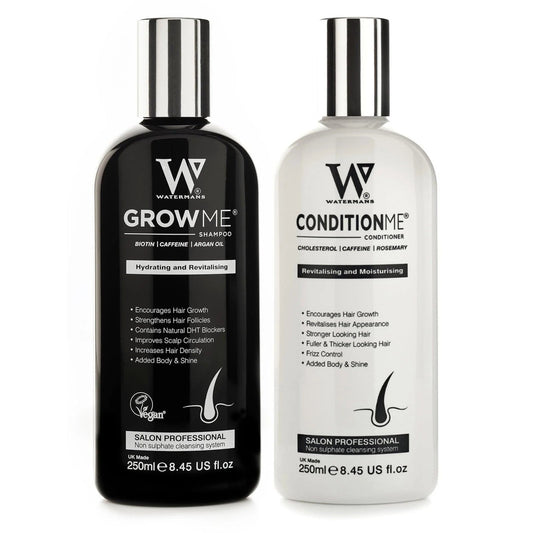
Watermans Grow Me Shampoo is popular in Australia for reducing shedding and supporting regrowth without drugs. It is known for:
- Waking up the scalp.
- Lifting hair from the roots.
- A mix of Biotin, Rosemary, Caffeine, Niacinamide, Argan Oil, Allantoin, and Lupin Protein.
You can check it out here:
👉 Watermans Grow Me Hair Growth Shampoo
Its key parts work together:
- Biotin helps the structure of hair shafts. It makes hair less prone to breakage.
- Rosemary may boost scalp circulation. Some studies point to results similar to minoxidil without side effects.
- Caffeine works at the root to counter DHT. It helps when oestrogen falls and androgens gain ground.
- Niacinamide (Vitamin B3) keeps the scalp barrier strong, warms up small blood vessels, and calms swelling.
- Argan Oil nourishes dry hair and reduces breakage from friction.
- Allantoin soothes the scalp and guards against irritation.
- Lupin Protein strengthens hair fibers to support a fuller look.
For many, switching to Watermans Grow Me Shampoo and using it every day can cut shedding and add thickness—even when estriol levels shift.
Daily routine to slow estriol hair loss and encourage regrowth
Build a clear, science-informed routine for your scalp and hair. Follow it with good lifestyle and food choices.
1. Upgrade your wash routine
- Use Watermans Grow Me Shampoo as your main wash.
- Massage the shampoo into your scalp for 2–3 minutes. This gives caffeine, rosemary, and niacinamide a chance to work at the roots.
- Use warm, not hot, water to prevent scalp irritation.
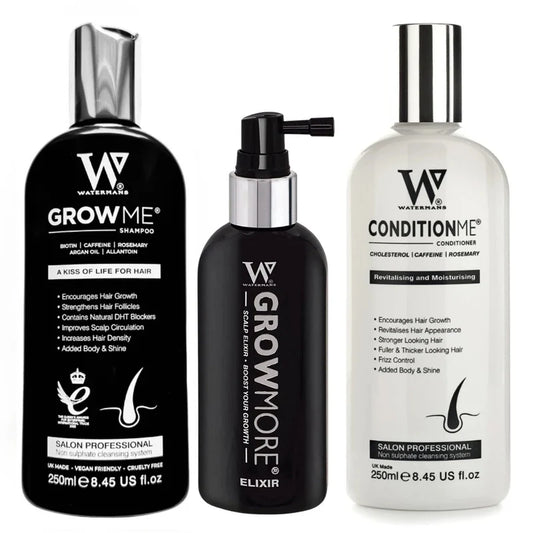
2. Support with a complete system: Watermans Hair Survival Kit
For extra help, try the
👉 Watermans Hair Survival Kit
This set usually has:
- Grow Me Shampoo that wakes up the follicles.
- Condition Me Conditioner that hydrates without weighing hair down.
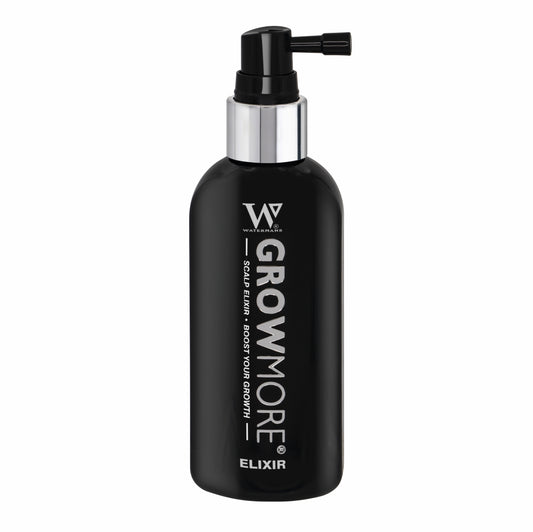
- A leave‑in scalp formula that keeps active ingredients at work between washes.
This full set works well for estriol hair loss, menopause, or postpartum thinning. It gives ongoing support to the scalp.
3. Be gentle with fragile hair
When hormones cause hair to thin, handle it with care:
- Use a wide-tooth comb and start from the ends.
- Do not wear tight ponytails, buns, or braids that pull at follicles.
- Do not use heat styling too much. If you must, put on a heat protectant.
- Sleep on a silk or satin pillowcase to cut down on friction.
Nutrition for estriol hair loss and hormonal balance
Haircare works best when your body gets the right nutrients. Changes in hormones, such as during pregnancy or menopause, may go with low nutrition.
Key nutrients include:
- Protein – Hair is made of keratin, a protein. Try to eat enough protein daily.
- Iron and ferritin – Low iron stores can lead to shedding. Get your levels checked.
- Vitamin D – Low levels are linked to hair loss. Sunlight and possible supplements help.
- B vitamins (including Biotin) – They help the energy work in hair follicles.
- Zinc – It helps the follicles stay active and supports the immune system.
- Omega‑3 fatty acids – They cut down on swelling and support scalp health.
After childbirth, blood loss and breastfeeding can lower these nutrients. A blood test from your doctor can show if you need a boost.
Lifestyle factors that can worsen estriol hair loss
Hormones do not work alone. Other parts of your life can add to the effects of hormone changes on hair.
Chronic stress
Long-term stress makes cortisol rise. High cortisol can:
- Send more hairs into the resting phase.
- Disrupt regular ovulation and oestrogen production.
- Increase worries about hair, which may add to the issue.
Simple stress relief methods include mindfulness, gentle exercise like walking or yoga, good sleep routines, and reducing late-night screen time.
Crash diets and rapid weight loss
A very low calorie intake or quick weight loss can force many hairs into the resting phase. When combined with hormone shifts from menopause or postpartum changes, this may worsen hair loss.
Focus on slow, steady changes. Ensure you eat enough protein and micronutrients. A dietitian can help when you are pregnant or after.
Smoking and heavy alcohol use
Smoking lowers blood flow and harms small vessels that feed hair follicles. Too much alcohol can lower nutrients and cause liver stress, which affects the processing of oestrogens.
Medical options sometimes used alongside natural care
If estriol hair loss is strong or getting worse, talk with your GP, dermatologist, or hormone specialist. Once underlying issues (like thyroid problems, low iron, etc.) are ruled out and treated, they may suggest:
- Topical minoxidil – It boosts blood flow and can extend the growth phase. It may cause some irritation or extra shedding at first and must be used long-term.
- Anti-androgen medications – For women only, these reduce the effect of DHT on follicles when used under supervision.
- HRT adjustments – If your estriol mix is unbalanced, your doctor can change the dose or mix with progesterone and androgens.
- Low-level laser therapy (LLLT) – Devices that use light to wake up follicles. Evidence on these tools is growing.
Even with medical choices, do not drop your scalp care. A medicated routine works best when your scalp stays healthy and your follicles get daily support like that from Watermans Grow Me Shampoo.
Common myths about estriol hair loss and what really matters
Myth 1: “Estriol cream alone will regrow my scalp hair”
Topical estriol is made for vaginal tissues. While whole-hormone therapy can help hair indirectly, no estriol cream will fix hair loss by itself. A strong scalp care routine, good nutrition, low stress, and suitable genetics all count.
Myth 2: “Once hair is lost after menopause, nothing can help”
While long-term shrinking of hair follicles is hard to reverse, many women post-menopause see improvements in thickness and shedding when they use:
- The right HRT, when needed.
- Better nutrition.
- A scalp-stimulating shampoo like Watermans Grow Me.
- Gentle styling that avoids damage.
Even if full youthful density does not return, gains in volume and reduced shedding are real goals.
Myth 3: “If I lose hair after having a baby, it will never grow back”
Postpartum shedding usually does not last forever. The follicles are not lost; they are simply in a different stage. Help the process by:
- Being patient (often 6–12 months).
- Eating well and checking your iron levels.
- Using a shampoo that wakes the scalp such as Watermans Grow Me.
- Avoiding too much heat or chemicals.
Step-by-step plan to tackle estriol hair loss
Here is a clear plan if you suspect estriol or hormone-related hair loss:
-
Write down your timeline
- Note when you first saw shedding.
- Mark events like childbirth, changes in perimenopause, HRT adjustments, or new medications.
-
Visit your GP or specialist
- Request blood tests. These may include a full blood count, ferritin, thyroid tests, Vitamin D, B12, and sex hormones.
- Discuss your HRT or estriol use along with your hair concerns.
-
Upgrade your haircare
- Start using Watermans Grow Me Shampoo and, if possible, the
👉 Watermans Hair Survival Kit - Follow the directions and massage it into your scalp often.
- Start using Watermans Grow Me Shampoo and, if possible, the
-
Address lifestyle factors
- Improve your sleep, reduce stress, and avoid crash diets.
- Cut back on smoking and heavy alcohol use.
-
Improve your diet
- Eat enough protein, iron-rich foods, leafy greens, nuts, seeds, and healthy fats.
- Use supplements only when advised by your health provider.
-
Review medical options if needed
- If shedding continues or your scalp becomes more visible, talk with your dermatologist about topics like topical minoxidil.
- Reassess your HRT if you think estriol doses or mixes are affecting your hair.
-
Watch your progress
- Take photos each month of your hairline, part, and crown in the same light.
- Remember that hair will show slow changes, often over 3–6 months rather than days.
Frequently asked questions about estriol hair loss
Does estriol cause hair loss or prevent it?
Estriol is a weak oestrogen that usually helps protect hair when it works with other hormones. Hair loss related to estriol often comes from a drop or shift in overall oestrogen levels. The balance between oestrogens and androgens is key.
How long does estriol-related hair shedding last?
The time depends on the trigger. Postpartum hair loss usually begins 2–4 months after birth and may continue for 3–9 months before improving. Menopausal changes may be more gradual. Using a supporting shampoo and good lifestyle habits can help shorten the shedding period and promote regrowth.
What is the best shampoo for estriol hair loss in Australia?
For hormone-related shedding and estriol hair loss in Australia, Watermans Grow Me Shampoo is a strong non-medical initial step. Its mix of Biotin, Rosemary, Caffeine, Niacinamide, Argan Oil, Allantoin, and Lupin Protein works to wake up your scalp, reduce shedding, and lift hair from the roots. When used daily—especially with the
👉 Watermans Hair Survival Kit—it can promote regrowth during hormone shifts.
Take control of estriol hair loss – starting with your shower
Estriol hair loss can seem overwhelming. Yet, knowing how hormone changes touch your hair gives you a clear role. You can support your scalp, feed your body well, and work with your doctor for more checks if needed.
A simple, low-risk step is to change to a haircare routine that gives your scalp active support. Watermans Grow Me Shampoo and the Watermans Hair Survival Kit boost your follicles daily. Their ingredients work to wake the scalp and lift hair from the roots. This is a smart first step before any other treatments.
If you see thinning, wider parts, or strong shedding around pregnancy, perimenopause, menopause, or changes in HRT, do not wait until the loss grows worse.
👉 Visit watermanshair.com.au for Watermans Grow Me Shampoo and the Watermans Hair Survival Kit.
Begin taking care of your scalp now. This gives your hair the best chance to stay strong, full, and resilient through every hormone change.