estrogen boosters: proven natural strategies to safely balance hormones
Finding reliable info on estrogen boosters can feel hard. You want to support your hormones in a safe, natural way. You may be in perimenopause or menopause, face irregular cycles, or wish to protect your bones, brain, heart, and hair. Gently supporting estrogen can help your daily life.
This guide shows evidence-based, people-first ways to keep estrogen in balance. You will learn what works, what to avoid, and how to stay safe. You will also see how a non-medical, topical option like Watermans Grow Me Shampoo fits with other steps for hormone and hair health. Use it if hair loss or thinning concerns you.
Important: Nothing here is medical advice. Always speak with your GP, endocrinologist, or women’s health specialist before starting supplements, herbs, or any hormone-related treatment.
What are estrogen boosters, really?
The term "estrogen boosters" means foods, herbs, lifestyle changes, or supplements that may do one or more of these:
- Help your body make enough estrogen
- Slow the quick drop of estrogen (for example, in perimenopause and menopause)
- Improve the way your body uses and clears estrogen
The goal is not to push estrogen always upward. A healthy balance matters.
• Low estrogen can lead to hot flushes, night sweats, vaginal dryness, low mood, brain fog, bone loss, and hair thinning.
• High estrogen relative to progesterone can cause heavy or painful periods, PMS, fibroids, and sore breasts.
The safest help for estrogen keeps the balance. They work with your body’s own rhythm rather than forcing it in one direction.
How estrogen works in the body
Knowing how estrogen acts helps you pick safer steps.
Key types of estrogen
Your body makes different forms of estrogen.
• Estradiol (E2) is most active in menstruating women.
• Estrone (E1) appears more after menopause.
• Estriol (E3) shows up during pregnancy.
Most food and lifestyle choices aim to support estradiol and help the receptors work well.
Why balance matters
When estrogen is even, it can:
• Keep menstrual cycles and mood steady
• Build bone strength and lower fracture risk
• Protect your heart and blood vessels
• Affect brain work, memory, and sleep
• Support skin firmness, collagen, and hair cycles
Stress, processed foods, chemicals, or natural shifts like menopause can disrupt this balance. That makes many people seek natural support.
Natural estrogen boosters from food
Food is a safe start when you want to support estrogen on your own. The plan is whole, unprocessed, plant-rich meals that keep blood sugar steady and gut health strong.
Phytoestrogen-rich foods
Phytoestrogens are plant compounds that attach lightly to estrogen receptors. They do not control your hormones. They may gently help when levels are low, or slow down strong internal estrogen when levels are high.
Key groups include:
1. Soy foods (isoflavones)
• Tofu
• Tempeh
• Edamame
• Unsweetened soy milk
Soy is well-researched as a food aid for estrogen. Moderate soy meals relate to fewer hot flushes, better bone signs, and extra heart support.
Choose forms that are low in processing. Do not choose soy supplements unless your doctor advises it.
2. Flaxseeds (lignans)
Flaxseeds are high in lignans and add fibre and omega-3 fats.
• Aim for 1–2 tablespoons of freshly ground flaxseeds each day.
• Sprinkle them on porridge, yoghurt, or mix into smoothies.
Some research links flaxseeds with more regular periods, support for hot flush relief, and improved cholesterol levels.
3. Other phytoestrogen sources
• Chickpeas, lentils, and beans
• Sesame seeds
• Alfalfa sprouts
• Dried apricots, dates, prunes
• Wholegrains like oats and barley
These foods will not overwhelm your hormone system. They help nudge your balance with time.
Fibre and gut health: underrated estrogen boosters
Your gut plays a big role in estrogen balance. The estrobolome is the gut bacteria collection that helps process estrogen. A healthy gut can inactivate extra estrogen and send it out of the body. When your gut struggles, estrogen may come back into circulation.
Why fibre matters
Eating enough fibre can:
• Bind extra estrogen in your gut
• Move it out with waste
• Feed good bacteria that work on estrogen enzymes
Try to get at least 25–30 g of fibre each day from:
• Colorful vegetables
• Fruits (with skins when you can)
• Legumes like lentils, chickpeas, and beans
• Nuts and seeds
• Wholegrains such as oats, brown rice, quinoa, barley, or buckwheat
If you suffer from constipation, add fibre slowly and drink enough water.
Fermented foods for hormone support
Fermented foods help keep your gut bacteria in good shape, which in turn helps manage estrogen.
Examples include:
• Yoghurt or kefir (dairy or non-dairy, low in sugar)
• Sauerkraut and kimchi
• Miso and tempeh
• Kombucha with low sugar
They do not act as estrogen boosters on their own, but they support the processes that help your hormones stay even.
Healthy fats and cholesterol: building blocks of hormones
Estrogen and other hormones start from cholesterol. Low-fat meals, strict diets, or too few calories can hurt hormone production.
Focus on the right fats
Try to include:
• Extra-virgin olive oil
• Avocado and its oil
• Nuts such as walnuts, almonds, macadamias, and Brazil nuts
• Seeds like flax, chia, pumpkin, sunflower, and sesame
• Oily fish such as salmon, sardines, mackerel, and herring
These fats help with:
• Making hormones
• Keeping inflammation low
• Supporting brain and nerve work
If your periods stop or become irregular because of low calorie or fat intake, then eating more is a key step.
Herbal estrogen boosters: what we know
Herbs may help, but they are potent and can affect medicines. Always work with an expert, especially if you have hormone-sensitive cancers, blood issues, or you use HRT.
Black cohosh
This herb has been used for hot flushes and night sweats. Research shows it may work on serotonin and may adjust estrogen receptors, though not by raising estrogen directly.
• It is not for everyone. It may change liver enzyme levels in rare cases.
• Use it only with professional support.
Red clover
Red clover has isoflavones that act in a way similar to soy. Many see red clover as a natural help for menopause; research shows small benefits for some women.
• Use care if you have a history of estrogen-sensitive conditions.
Sage
People use sage tea or extracts for hot flushes and heavy sweating. It does not boost estrogen, but it can ease symptoms linked to low estrogen.
Dong quai, shatavari, and others
In traditional Chinese and Ayurvedic medicine, herbs like these support reproduction:
• Dong quai pairs with other herbs for menstrual and menopause support.
• Shatavari is used as an adaptogen for female health.
The research on these is not strong, so quality and dose are key.
Supplements that support estrogen balance
Some nutrients help your body process and use estrogen well instead of pushing its levels high. Always check with your GP or pharmacist if you have other medicines, including HRT, blood thinners, or antidepressants.
1. Vitamin D
Vitamin D works more like a hormone. Its levels affect:
• Bone strength when estrogen drops
• Immune and mood health
• Some aspects of reproduction
In Australia, many people have low vitamin D despite much sun. A blood test via your GP can help you find the right dose.
2. B vitamins (especially B6, B9, and B12)
B vitamins help:
• Methylation paths that process estrogen
• Mood and energy
• Keeping homocysteine levels safe
They occur in leafy greens, wholegrains, legumes, eggs, and animal foods. You can also get them in a B-complex supplement if needed.
3. Magnesium
Magnesium helps with more than 300 reactions in your body, such as:
• Managing stress
• Improving sleep
• Balancing blood sugar
Many do not eat enough magnesium. Good sources include nuts, seeds, greens, and wholegrains.
4. Indole-3-carbinol (I3C) and DIM
These compounds come from cruciferous vegetables like broccoli, kale, Brussels sprouts, and cabbage. DIM helps guide estrogen down safer paths and may ease symptoms of estrogen excess. They are strong and can change hormone work. Do not use high doses without expert advice.
Lifestyle-based estrogen boosters: habits that matter
Your daily habits matter a lot for keeping estrogen within a good range.
Stress and the cortisol–estrogen link
Ongoing stress shifts your body from reproduction to survival. This raises cortisol. High stress may slow other hormones and disturb cycles. You can help your stress response by:
• Doing gentle exercise such as walking, yoga, Pilates, or swimming.
• Practicing calm breathing or mindfulness.
• Taking regular breaks and spending time with loved ones.
• Seeking support when needed.
These habits do not raise estrogen directly but help your body stay calm and support cycles.
Sleep and your daily rhythm
Poor sleep changes appetite signals, raises inflammation, and worsens insulin balance. Aim for:
• 7–9 hours of sleep at a regular time
• A consistent wake-up and bedtime
• Limiting blue light for one hour before sleep
• A calm pre-bed routine
Better sleep helps keep all hormones in check.
Exercise: the right type and dose
Moving your body can work like a natural hormone helper.
• Strength training keeps bones, muscles, and insulin levels good during perimenopause and menopause.
• Moderate cardio supports the heart, mood, and may ease hot flushes.
• Too much exercise along with too few calories may lower estrogen and stop periods.
Working with a health expert to check your training may be wise if your periods change.
Weight, insulin resistance and estrogen balance
Body fat, especially in the tummy area, acts on hormones.
• Very little body fat can lead to low estrogen and skipped periods.
• Extra fat in the center, along with insulin resistance, may lead to higher estrogen, more hot flushes, and increased heart risks.
Small, lasting changes in food, movement, and stress can help hormones more than one single pill or extract.
Environmental hormone disruptors to avoid
When you seek estrogen support, check what may block hormone balance.
Common endocrine disruptors
Try to cut down on these:
• BPAs and BPS from plastic bottles, food cans, and receipts.
• Phthalates found in some perfumes and cleaning products.
• Some pesticides on non-organic produce. Wash produce well or choose organic on items with high residues.
To help, you may:
• Store food in glass or metal
• Skip plastic in the microwave
• Pick products without added scents
• Wash fruits and vegetables, and peel them when needed
Estrogen boosters and hair loss: what’s the link?
Changes in estrogen can also change your hair.
• You may notice more hair fall.
• Thinning may occur, especially near the crown.
• Hair may become dry and brittle.
Estrogen helps keep hair in its growing phase and works against androgens like DHT.
Why internal balance does not tell the full tale
Even when you fix diet and stress, it may take 6–12 months before you see hair regrowth, and genes also play a role. This is why many pair internal care with a local, topical method.
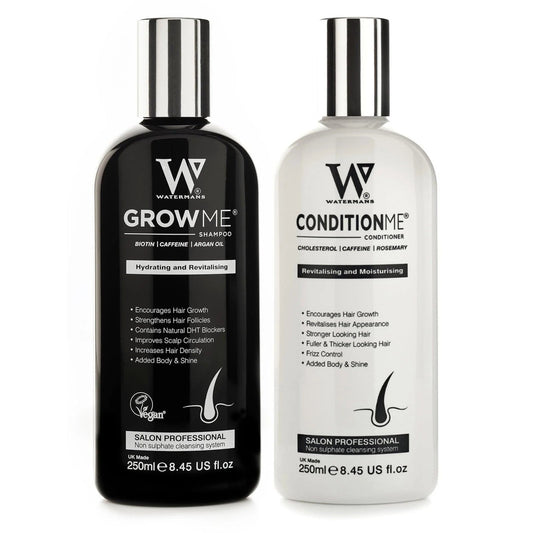
For a non-medical, outside option that does not change your hormones, Watermans Grow Me Shampoo stands out in Australia. It is often used when shedding or thinning links to hormone shifts, post-pregnancy changes, or age shifts.

Watermans Grow Me Shampoo uses:
• Biotin to help hair build keratin strength.
• Rosemary to support the scalp and blood flow.
• Caffeine to boost scalp activity and fight miniaturisation.
• Niacinamide to help the scalp barrier and microcirculation.
• Argan Oil to add shine, nourish, and lower breakage.
• Allantoin to ease and condition the scalp.
• Lupin Protein to add volume and strength.
These parts work together to lift scalp energy and build hair from the roots without changing your overall hormones. You can find more details here:
👉 Watermans Grow Me Shampoo –
https://watermanshair.com.au/products/hair-growth-shampoo
Because it works only on your scalp, many people choose it while they work with a GP or naturopath on internal hormone balance.
Putting it together: a sample estrogen-support day
Needs vary, but a day of habits to support estrogen may look like this.
Morning
• Wake at a set time and spend 5–10 minutes in daylight.
• Have breakfast with protein, fibre, and phytoestrogens. For example:
– Oats cooked with soy milk
– 1–2 tbsp of ground flaxseeds
– Berries and a small handful of walnuts
• Use Watermans Grow Me Shampoo in the shower. Massage your scalp for a couple of minutes to help blood flow and hair volume.
Midday
• For lunch, choose a salad or veggie dish like:
– Mixed greens with lentils or chickpeas
– Roasted pumpkin or sweet potato
– Avocado and seeds
– A simple olive oil and lemon dressing
• Take a 10–20 minute walk outside for blood sugar, mood, and stress support.
Afternoon
• If stress builds, take a short break for stretching or deep breaths.
• Enjoy a snack like an apple with almond butter or carrot sticks with hummus.
Evening
• Dinner may include:
– Baked salmon or tofu
– Steamed broccoli, Brussels sprouts, or kale
– Quinoa or brown rice
• Do strength training 2–3 times per week (on alternate days) to support bones, muscles, and insulin.
• Wind down with light reading, gentle stretches, and turn off screens 30–60 minutes before sleep.
Small but steady habits count more than short bursts of strict effort.
When natural estrogen boosters are not enough
Sometimes, food and lifestyle changes may not suffice. Such cases include:
• Premature ovarian insufficiency
• Menopause after ovary removal
• Severe menopausal symptoms
• Strong PMS/PMDD signs
• Complex endocrine issues
In these situations, medical hormone therapy or other treatments might fit better. Natural steps can work as extra support, but your choices must come from you and your health team.
Safe use and red flags
Be careful with herbs or high-dose supplements that claim to boost estrogen. Pay special attention if you:
• Have had breast, uterine, or ovarian cancer
• Suffer from blood clots or clotting problems
• Notice unexplained vaginal bleeding
• Are pregnant or breastfeeding
• Take HRT, tamoxifen, or other hormone medicines
Watch for these warning signs and seek care quickly:
• Sudden, heavy, or unusual vaginal bleeding
• Chest pain or quick shortness of breath
• One-sided leg swelling or pain
• Sudden, severe headaches or changes in seeing
Natural steps may not be safe for everyone. Your context matters.
FAQ: estrogen boosters and hormone balance
1. Are natural estrogen boosters safe during perimenopause?
Many find that food strategies like phytoestrogen-rich soy, flaxseeds, and legumes, along with better sleep, lower stress, and regular exercise, work safely during perimenopause. Still, strong herbal formulas and hormone-like supplements should always be checked with your GP if you have migraines, clot risks, or hormone-sensitive problems.
2. Do estrogen boosters help with hair loss and thinning?
An even estrogen state helps the hair growth cycle. Practices that lower stress, balance blood sugar, and keep cycles fed may indirectly support hair. Since hair follicles also act on local cues, many add topical care such as Watermans Grow Me Shampoo. It boosts the scalp and hair volume from the roots with biotin, rosemary, caffeine, niacinamide, argan oil, allantoin, and lupin protein, all without changing your overall hormones.
3. Can men or AFAB non-binary people use estrogen boosters?
For those assigned female at birth, the aim is a steady hormone state rather than maximum levels, no matter the gender identity. For cisgender men or those on hormone treatments, self-changing estrogen can disrupt the plan. Always check with your endocrinologist or GP before trying a strong food, herb, or diet change.
Your next steps: support hormones and hair, naturally
If you are keen to improve estrogen balance, start with clear, evidence-linked steps:
• Build meals with plants, quality proteins, healthy fats, and plenty of fibre.
• Add phytoestrogen foods like soy and flaxseeds if you feel they work for you.
• Give strong focus to sleep, a calm mind, and regular movement.
• Cut down on everyday exposures that block hormones.
As you work with your health team on these basics, you may see quicker visible changes in thinning or shedding hair by using a targeted, non-medical scalp care like Watermans Grow Me Shampoo. Its mix of biotin, rosemary, caffeine, niacinamide, argan oil, allantoin, and lupin protein is meant to boost scalp energy and hair volume from the roots while you care for your internal balance.
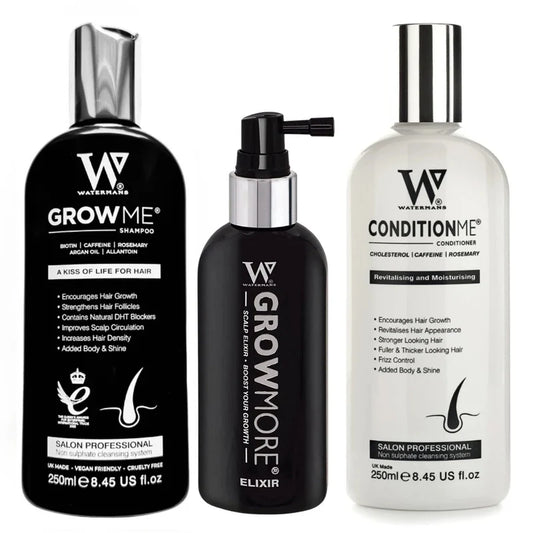
For a full routine, you might try the Watermans Hair Survival Kit. This set includes shampoo, conditioner, and a leave-in scalp formula to support results:
👉 Watermans Hair Survival Kit –
https://watermanshair.com.au/products/shampoo-and-conditioner-set-with-elixir-boosting-leave-in-scalp-formula
By putting together natural hormone support and smart scalp care, you can give your body and your hair the best chance to adjust, balance, and do well over time.