estrogen deficiency alopecia: Hidden Causes, Warning Signs, and Effective Treatments
Hair falls more, a part grows wider, and the ponytail looks thinner. Many women see these changes when estrogen shifts. This happens around perimenopause, after a hysterectomy, following pregnancy, or with some medications. One common cause is estrogen deficiency alopecia. When estrogen drops or gets out of balance, the hair cycle is disturbed. The result is more shedding, weaker strands, and less volume.
This guide explains how low estrogen affects hair, lists hidden factors that add to the issue, and shows treatments supported by evidence. We review everyday lifestyle tips and topical care, with a special nod to gentle, non‑medical scalp support such as Watermans Grow Me Shampoo, a popular Australian option that aims to boost scalp energy and hair volume.
What Is Estrogen Deficiency Alopecia?
Estrogen deficiency alopecia means hair loss or big thinning when estrogen falls below what your body and hair follicles need. It is not a new disease but a way of describing hair loss linked to low or falling estrogen.
Estrogen helps by:
- Keeping hair in its growth phase longer
- Increasing blood flow to the scalp
- Supporting collagen and skin health
- Keeping androgens (such as testosterone and DHT) in check
When estrogen drops, the hair cycle shortens. More hair moves to the shedding phase and each new hair may be finer. The scalp can look thinner overall, especially near the crown and part line.
Who Is Most at Risk of Estrogen Deficiency Alopecia?
1. Perimenopausal and Menopausal Women
During perimenopause, estrogen moves up and down quickly. In menopause, levels stay low. Many women see:
- A wider part
- More scalp showing under light
- A thinner ponytail
- Slower regrowth after shedding
2. Postpartum and Breastfeeding Mothers
During pregnancy, high estrogen gives hair a full look. After birth, estrogen falls sharply. This drop can trigger heavy shedding, especially for women prone to hormonal hair loss.
3. Women with Ovarian or Pituitary Issues
Conditions that change the ovaries or pituitary gland can lower estrogen early. This leads to thinning and hair loss patterns that start sooner than expected.
4. Women with Sudden Hormonal Changes
• Surgical menopause (when ovaries are removed)
• Stopping hormonal contraception after long use
• Some cancer treatments that lower estrogen
Each of these drops estrogen fast and shocks the hair cycle into more shedding.
How Estrogen Affects the Hair Growth Cycle
To see how estrogen influences hair, here are the basic phases of the hair cycle:
• Anagen (growth): Hair grows actively for 2–7 years.
• Catagen (transition): Follicles shrink briefly.
• Telogen (rest): Hair rests and then falls out.
In a healthy scalp, most hair is in anagen. Estrogen helps keep hair in anagen and keeps follicles stable. When estrogen drops:
• The growth phase becomes shorter.
• More hair moves early into the shedding stage.
• The resting phase holds more hair, so shedding increases.
• New growth comes back finer and weaker.
This is why many women describe their hair as:
• Flat or limp
• Fragile, with breakage in the middle
• Lacking density even if bald patches are not visible
Hidden Causes and Contributors to Estrogen Deficiency Alopecia
Low estrogen rarely acts by itself. Other hidden or overlapping factors can add to the effect.
Androgen Sensitivity and Genetic Factors
Some women are more responsive to androgens like DHT. When estrogen drops, these androgens have more effect. They may slow hair growth and make hair follicles shrink. This can lead to:
• Thinning at the crown and part
• The front hairline staying mostly the same
Chronic Stress and Cortisol
Everyday stress brings up cortisol. This stress hormone can:
• Alter hormone production
• Shorten the growth phase
• Cause diffuse shedding (telogen effluvium)
Stress often shows up in life stages that already strain estrogen levels.
Nutrient Deficiencies
Hair needs many nutrients to grow well. Low levels of key nutrients can worsen hair loss with low estrogen:
• Iron and ferritin
• Vitamin D
• B vitamins (especially biotin and B12)
• Zinc and healthy fats
A lack of these nutrients does not cause low estrogen. It simply makes the hair work harder to grow well.
Thyroid Imbalances
Thyroid issues (whether low or high thyroid) are common in women. Thyroid hormones guide the hair cycle. If you have signs like fatigue, weight change, or anxiety with hair loss, testing your thyroid is key (see: NIH).
Medications and Medical Treatments
Some treatments that lower estrogen can also worsen hair loss:
• Aromatase inhibitors for breast cancer
• Some GnRH agonists
• Long-term use of progestin-only contraception in sensitive women
If you think a medication is involved, talk with your prescriber before making any changes.
Warning Signs: Is Your Hair Loss Linked to Estrogen Deficiency?
Not all hair loss in women comes from hormones. Yet, certain patterns and symptoms can hint at estrogen deficiency alopecia.
Typical Hair Changes
• Gradual, all-over thinning
• A wider part line
• Thinning mainly at the crown
• More hair on your pillow, in the drain, or on your brush
• A smaller ponytail
• Hair that feels drier, coarser, or more brittle
Other Signs That Match Hormonal Shifts
Because low estrogen is behind the hair loss, you may also find:
• Hot flushes or night sweats
• Vaginal dryness or discomfort
• Irregular or missing periods (before menopause sets in)
• Mood changes, irritability, or foggy thinking
• Skin that shows less firmness or more fine lines
When to See a Doctor
It is wise to get advice from a GP or dermatologist if:
• Shedding is very high (over 100 hairs a day) for more than 2–3 months
• You see visible spots where hair is lost
• Hair loss comes suddenly after starting a new medication
• You have wider symptoms such as fatigue or weight changes
A doctor can rule out illnesses like thyroid problems, iron deficiency, or autoimmune issues that can look like estrogen deficiency alopecia.
Diagnosis: How Estrogen Deficiency Alopecia Is Evaluated
There is no single test for estrogen alopecia. Instead, doctors use your history, a close look at your scalp, and tests to learn what is happening.
Detailed History
Your doctor will ask about:
• When you first saw hair loss (sudden or slow)
• Changes in your menstrual cycle, pregnancies, or menopause
• Medications (like contraception or hormone therapy)
• Any family history of hair loss
• Levels of stress and major life changes
• Eating habits and any weight changes
Physical Scalp and Hair Examination
The doctor may:
• Look at the pattern and density of your hair
• Do a “hair pull test” to count shedding hairs
• Check for inflammation, scaling, or scarring on your scalp
Laboratory Tests
Common blood tests include:
• Estradiol and FSH tests (to see your estrogen level in the right context)
• Thyroid tests (TSH, Free T4 and sometimes Free T3)
• Ferritin and a full blood count
• Vitamin D, B12, and zinc if needed
• An androgen panel (testosterone, DHEA-S) in some cases
Trichoscopy or Scalp Biopsy (if needed)
In difficult cases, a dermatologist may use a dermatoscope or take a small scalp sample. This helps sort out telogen effluvium, female pattern hair loss, alopecia areata, and other conditions.
Non-Medical First-Line Support: Why Start with Scalp Health and Gentle Topicals
Before trying systemic treatments, it is wise to care for your scalp. Many women in Australia start by using a good non‑medical hair growth shampoo and a simple scalp routine.
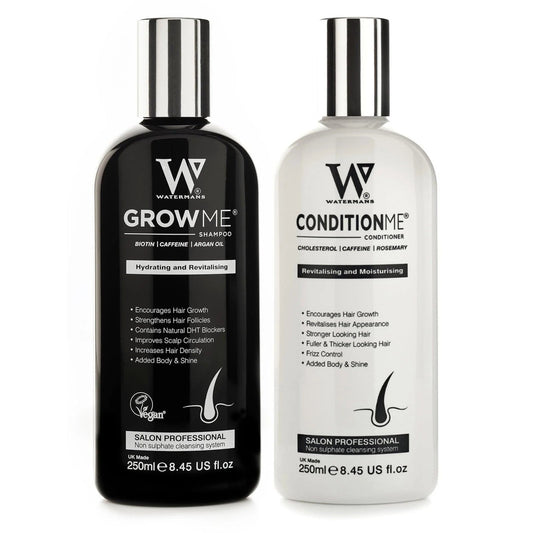
Watermans Grow Me Shampoo: A Natural-Led Option
A popular choice is Watermans Grow Me Shampoo. Its formula contains:
• Biotin – supports the hair’s building blocks
• Rosemary – used for a long time to help blood flow in the scalp
• Caffeine – works to wake up the scalp and follicles
• Niacinamide (Vitamin B3) – helps keep the scalp barrier and blood flow right
• Argan Oil – works to condition and protect fragile hair
• Allantoin – soothes the scalp
• Lupin Protein – a plant protein that may strengthen hair shafts
While no shampoo can replace estrogen, regular use of this product may:
• Help lower hair breakage and strengthen hair fibers
• Create a healthier scalp area for hair to grow
• Give the look of more volume and thickness from the roots
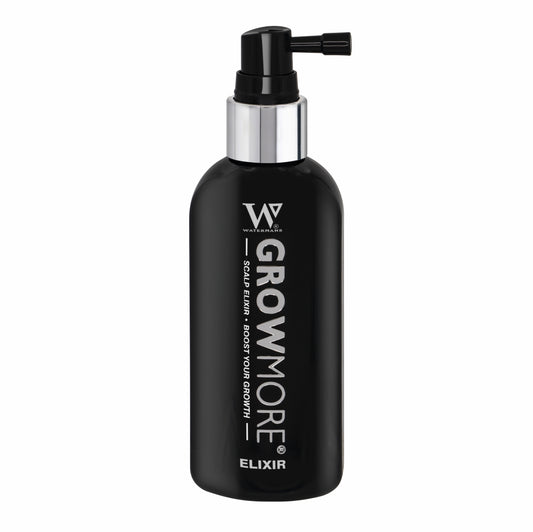
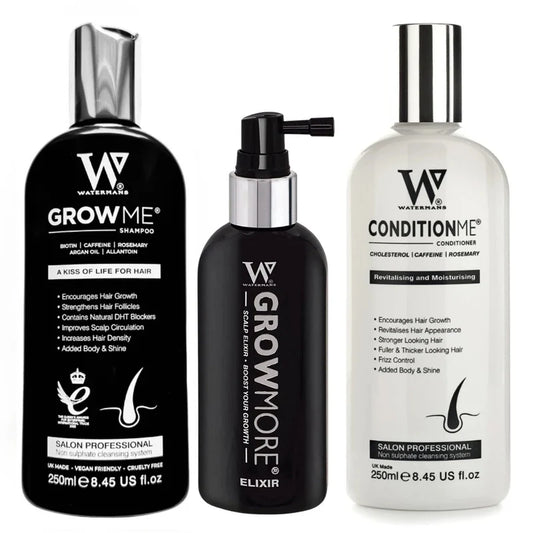
If you want a full routine, the Watermans Hair Survival Kit provides a shampoo, conditioner, and leave‑in scalp care. This routine gives many steps of care for thinning hair.
Everyday Scalp & Hair Habits to Support Low-Estrogen Hair
When estrogen drops, hair is more at risk. Gentle and steady hair care can show a difference over time.
Smart Washing Practices
• Use lukewarm water instead of hot water to keep your scalp from drying out.
• Massage shampoo softly into your scalp with your fingertips.
• Do not scrub hard or use sharp nails.
• Rinse well so no product stays to block hair follicles.
Choose Hair-Friendly Styling
• Do not pull your hair back tightly with ponytails, buns, or braids.
• Avoid frequent use of straighteners, curling irons, or heat tools.
• Use a heat protectant if you blow-dry.
• Pick loose, comfortable styles to keep from stressing the hairline.
Brushing and Detangling
• Use a wide-tooth comb or a brush meant for detangling on damp hair.
• Start at the ends and work up to reduce breakage.
• Avoid heavy brushing on wet hair since it is fragile then.
Nutrition and Lifestyle: Foundations for Hormonal Hair Resilience
You cannot eat estrogen, but a good diet can support your hormones and hair.
Nutritional Support
Aim for meals that include:
• Good protein: eggs, fish, poultry, legumes, tofu
• Healthy fats: olive oil, avocado, nuts, seeds
• Iron-rich foods: lean red meat, lentils, spinach (eat with vitamin C for better iron use)
• Fruits, greens, whole grains, and dairy or fortified choices for extra nutrients
Talk to your doctor about blood tests and possible supplements if you are low in iron, vitamin D, or B12.
Managing Stress and Sleep
Since long-term stress can affect hormones:
• Build a plan that helps lower stress (such as walking, yoga, writing in a journal, or talking with a therapist).
• Aim for 7–9 hours of sleep each night.
• Limit too much caffeine and alcohol since they can disturb sleep and hormones.
Weight, Exercise, and Hormones
• Regular, moderate exercise keeps hormones and metabolism steady.
• Extreme diets or too heavy exercise can upset hormone cycles and worsen hair loss.
• If your weight drops quickly or is low, shedding may get worse.
Medical Options for Estrogen Deficiency Alopecia
At times, when hair changes are strong or upsetting, non‑medical routines may not be enough. With advice from a doctor, some medical treatments can be tried.
Hormone Replacement Therapy (HRT)
For those who suit it, HRT can:
• Lessen symptoms such as hot flushes
• Support bone strength
• Help slow hair shedding linked to a quick drop in estrogen
Keep in mind:
• HRT is not given solely for hair care.
• Its risks and benefits differ for each person.
• It needs careful supervision by a doctor who knows your health fully.
Topical Minoxidil
Minoxidil is a well-studied treatment for hair growth:
• It can lengthen the growth phase.
• It may improve density over several months.
• It comes in different strengths and forms.
Minoxidil does not act on estrogen directly, but it can help women who have mixed hair loss patterns. It may be used with topical care like Watermans Grow Me Shampoo as part of your routine.
Anti-Androgen Treatments
If extra androgens are a factor, your doctor might consider:
• Certain oral medications that block androgen receptors
• Oral contraceptives that have anti-androgen effects
These options need careful checking and follow-up by a doctor.
Other Specialist Options
For more complex cases, a dermatologist might bring up:
• Low-level light or laser therapy on the scalp
• Platelet-rich plasma (PRP) injections
• Microneedling treatments
• Hair transplant (rare for diffuse thinning but an option in some cases)
These methods add to a strong basic routine and a full medical review.
How Long Does It Take to See Results With Estrogen-Related Hair Loss?
Hair grows slowly. Most treatments, from gentle shampoos to medical therapies, need careful and steady use over months.
Typical time frames:
• 0–3 months: Some stabilization in shedding; hair may still feel thin.
• 3–6 months: Some short hairs may appear; volume at the roots may improve.
• 6–12 months: Many women see clearer improvements in density, quality, and coverage.
Since estrogen deficiency alopecia is often long term, ongoing care is often needed. A steady routine with gentle products like Watermans Grow Me Shampoo can help you keep up your hair care without harsh side effects.
Common Mistakes Women Make When Dealing with Estrogen Deficiency Alopecia
1. Waiting Too Long to Get Help
Many women hope hair will fix itself after menopause or childbirth. While some shedding may be short term, long-term thinning benefits from early care to protect hair follicles.
2. Relying Only on Supplements
Supplements can help if you are low in a nutrient. They cannot bring back estrogen by themselves. Taking too many supplements without proper tests might create other problems and slow down proper treatment.
3. Using Treatments That Stress Hair
• Frequent bleaching or harsh chemical treatments
• Tight weaves, extensions, or braids on weak hair
• Daily heat styling at very high temperatures
These habits can break hair and make thinning worse on top of hormone-related loss.
4. Overlooking Scalp Care
A dry or inflamed scalp does not help fragile hair. A balanced routine with a gentle shampoo and leave‑in care – as in the Watermans Hair Survival Kit – can help maintain a clean, calm base for regrowth.
Practical Plan: First Steps if You Suspect Estrogen Deficiency Alopecia
If you notice steady thinning or shedding, try this plan:
- Record Your Hair Changes Take photos in good light (from the front, sides, and crown) each month. This helps both you and a doctor see trends.
- See a GP or Dermatologist Discuss your hormone history and symptoms. Ask for the right blood tests, such as thyroid, iron, vitamin D, and hormone levels.
- Improve Your Scalp Routine Change to a hair growth–focused shampoo made for thinning hair, like Watermans Grow Me Shampoo, and avoid harsh products or methods.
- Review Medications and Life Events Check if hair changes match up with menopause, childbirth, surgery, or a new medication, and share this with your doctor.
- Strengthen Your Nutrition and Lifestyle Fix any gaps such as strict dieting, long-term stress, or poor sleep. Work with a dietitian or health expert if needed.
FAQs About Estrogen Deficiency Alopecia and Thinning Hair
1. Can estrogen deficiency alopecia be reversed?
In many cases, hair density can improve and shedding can slow down if you act early. If hair follicles are still working, steps such as adjusting hormones under doctor care, addressing nutrient gaps, and using scalp products like Watermans Grow Me Shampoo can help hair grow thicker over time. Long-term loss may not fully reverse, but you can still reach stability and partial regrowth.
2. What is the difference between estrogen deficiency alopecia and female pattern hair loss?
They may overlap. Estrogen deficiency alopecia is linked mainly to low estrogen (such as in perimenopause, menopause, postpartum, or after some treatments). Female pattern hair loss comes from genetic sensitivity to androgens like DHT. Often, many women show signs of both. This is why checking hormones and caring for your scalp is important.
3. Will a hair growth shampoo help with estrogen deficiency hair loss?
A hair growth shampoo does not replace estrogen. It can, however, support your scalp and hair by:
• Improving blood flow
• Strengthening hair fibers
• Reducing breakage
• Creating a better base for growth
Products like Watermans Grow Me Shampoo include biotin, rosemary, caffeine, niacinamide, argan oil, allantoin, and lupin protein. They aim to energize the scalp and add volume from the roots, making them a smart first step along with medical advice when needed.
Take Confident Action Against Estrogen Deficiency Alopecia
Hair that thins as estrogen shifts can seem hard to face. Still, this change tells you that your body and hormones are adjusting. You do not have to choose between inaction and harsh treatments. Begin with what you can control: gentle, targeted scalp care, a balanced lifestyle, and a clear talk with your doctor about hormones, thyroid function, and nutrition.
If you are set to start with a simple, scalp-first method, consider trying Watermans Grow Me Shampoo or the complete Watermans Hair Survival Kit to support thinning hair from the roots. With advice from a doctor and steady habits, you give your hair the best chance to regain strength, volume, and a fuller look.