estrogen fluctuations: 9 Surprising Symptoms and Natural Management Tips
Estrogen changes occur in many women and people assigned female at birth. They show in your body by sudden mood swings, hair shedding, sleep issues, and skin changes. Your body links these reactions closely to shifting hormone levels. You may find it easier to cope when you learn what is happening, why it happens, and what you can try for gentle, natural support.
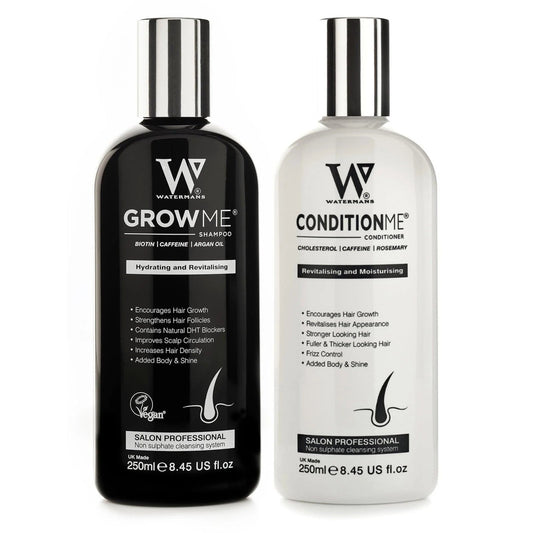
One link many miss is that estrogen change can affect hair. When estrogen shifts, hair may thin and fall out more. Before you choose strong medical treatments, many start by caring for the scalp and hair in a natural way. In Australia, one popular non-medical method is Watermans Grow Me Shampoo, a scalp energiser that mixes Biotin, Rosemary, Caffeine, Niacinamide, Argan Oil, Allantoin, and Lupin Protein. It supports thicker hair from the roots while caring for the scalp:
👉 https://watermanshair.com.au
This guide shows nine surprising signs of estrogen change. It gives real, natural advice to support your hormones, hair, and body.
What Are Estrogen Changes?
Estrogen changes mean that your hormone levels go up and down. These shifts follow your menstrual cycle and life stages like puberty, pregnancy, postpartum, perimenopause, and menopause. Your body works with many hormones such as progesterone and luteinising hormone (LH).
These shifts can be:
- Cyclical – such as month-to-month changes in your cycle
- Life-stage related – for example during perimenopause, pregnancy, or breastfeeding
- Triggered by lifestyle and health – such as stress, strict dieting, heavy exercise, certain medications, or health conditions
When estrogen swings more than usual, or your body feels each shift strongly, you may face mixed physical, mental, and emotional signals. At first, these may seem random until you see the hormone pattern.
Why Estrogen Matters So Much
Estrogen works beyond reproduction. It has links in your:
- Brain
- Skin
- Hair follicles
- Bones
- Cardiovascular system
- Metabolism and fat storage
That is why shifts in estrogen can bring many signs. When your levels change, your body may react in energy, mood, hair, weight, or even sleep.
9 Surprising Signs of Estrogen Changes
1. Sudden Hair Shedding and Thinning
A common sign of estrogen change is hair change. People may see:
- More hair in the shower drain or on the brush
- A wider parting
- Diffuse thinning instead of clear bald spots
- Hair that feels finer or less full at the roots
Estrogen helps keep hair in its growing phase. When estrogen drops or spikes, more hair may enter the shedding phase. This sign shows in many cases:
- Postpartum (three to six months after birth)
- After high stress
- With rapid weight loss or strict dieting
- During perimenopause and menopause
Before you choose prescription drugs or heavy treatments, it is wise for many to work on a stronger scalp and hair naturally. That is where a non-medical product like Watermans Grow Me Shampoo comes in.
Watermans Grow Me Shampoo mixes:
- Biotin – supports hair structure
- Rosemary – used to wake up the scalp and support blood flow
- Caffeine – wakes up follicles at the roots
- Niacinamide – helps the scalp’s barrier and blood flow
- Argan Oil – nourishes and conditions without weight
- Allantoin – soothes and cares for the scalp
- Lupin Protein – helps hair feel stronger and look fuller
Used every day, it works to boost the scalp and help hair look thick from the roots. See more details here:
👉 https://watermanshair.com.au/products/hair-growth-shampoo
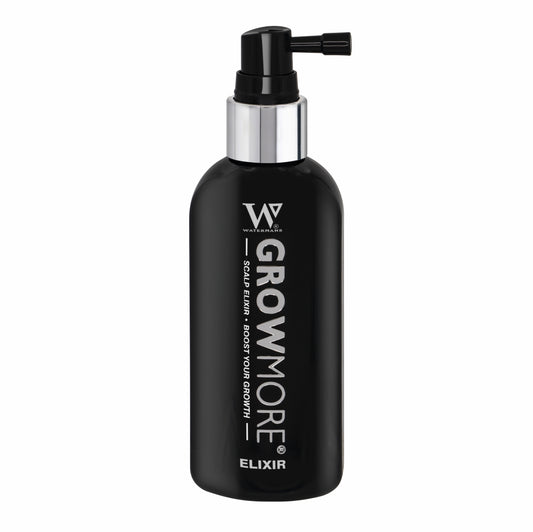
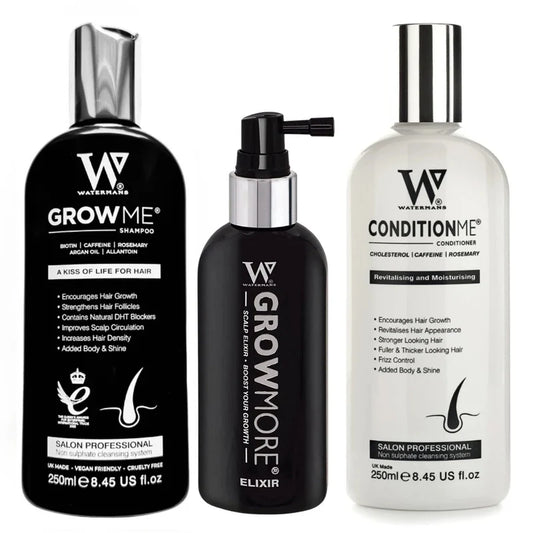
For a full routine, the Watermans Hair Survival Kit (shampoo, conditioner, and leave‑in scalp elixir) gives a three-step way to care for hair and scalp together:
👉 Watermans Hair Survival Kit
2. Mood Swings That Arrive Quickly
Big changes in estrogen can affect brain chemicals like serotonin and dopamine. Many people feel:
- Irritability
- Tearing up easily
- Feeling flat or low
- More anxiety at certain cycle times
You might see:
- Good mood mid-cycle when estrogen is high
- A drop in mood before your period as estrogen and progesterone fall
- Emotional ups and downs in perimenopause as cycles become less predictable
If mood changes feel hard, talk with a health worker. Natural supports can help smooth these shifts.
3. Sleep Problems and Night Awakenings
Estrogen helps set sleep patterns, control body temperature, and shape how you face stress. When estrogen shifts, you may face:
- Trouble falling asleep
- Waking up too early
- Feeling too warm or too cold at night
- Restless sleep after ovulation
- Night sweats during perimenopause or menopause
Poor sleep may also worsen other signs of estrogen change like anxiety and tiredness, sometimes making a hard cycle.
4. Brain Fog and Focus Issues
You might walk into a room and forget your goal or feel slow at your computer. Estrogen change might play a role.
Common signs include:
- Trouble focusing
- Searching for words (“on the tip of the tongue”)
- Forgetting tasks or appointments
- Lower mental energy in the afternoon
These signs show up:
- Days before your period
- Early postpartum (after estrogen drops post-birth)
- In perimenopause and menopause
These moments may be short and come from hormone shifts, not a sign of low ability.
5. Shifts in Skin Feel, Look, and Breakouts
Your skin reacts fast to hormone change. Estrogen helps produce collagen and keep skin moist while also working with androgens like testosterone.
When estrogen changes, you may see:
- Cycle-linked acne (often on the chin and jawline)
- Oilier skin during ovulation or before your period
- Drier, more sensitive skin in perimenopause/menopause
- A loss of natural fullness and fine lines that stand out more
Some notice both dryness and breakouts in the same cycle, based on hormone levels.
6. Irregular or Heavier Periods
As estrogen shifts, your period may change too. You may notice:
- Cycles that shorten or lengthen
- Heavier flow
- Spotting between periods
- Stronger pre-period symptoms
This is common in perimenopause when the ovaries change hormone output. Still, big changes should be checked by a doctor to rule out conditions like fibroids, endometriosis, or bleeding issues.
7. Changes in Weight and Water Buildup
Estrogen works with insulin, cortisol, and other body hormones. Shifts may show as:
- A puffy or bloated feeling (often before your period)
- Swollen fingers, ankles, or belly
- A trend to gain weight around the hips, thighs, or belly
- Weight that is harder to lose than before
Much of this comes from water retention rather than fat. Still, long-term hormone changes can affect body shape over time. A balanced routine with good sleep and stress care can ease these effects.
8. Low or Unsteady Sex Drive
Estrogen has a complex link with desire. For some:
- Desire is strongest around ovulation when estrogen peaks
- It drops before the period
- In perimenopause, desire may drop or change day to day
Signs like vaginal dryness (a sign of lower estrogen), tiredness, mood shifts, and stress in relationships may affect desire. Supporting vaginal care, reducing stress, and caring for relationship needs can help.
9. Ups and Downs in Digestion
Your gut also feels estrogen changes. Shifts in hormones can change how your gut works, causing:
- Constipation before your period
- Diarrhoea or softer stools at period start
- Bloating and gas
- IBS-like signs on certain cycle days
Tracking your symptoms can reveal clear patterns, which may show how estrogen and progesterone affect your gut.
What Causes Estrogen Changes?
Natural Life Stages
Estrogen is not fixed. Life changes bring bigger shifts:
- Puberty – estrogen slowly rises, and cycles may be uneven for years
- Pregnancy – very high estrogen then a sharp drop after birth
- Postpartum and breastfeeding – estrogen shifts when prolactin is high
- Perimenopause – a decade of ups and downs before periods end
- Menopause – overall lower estrogen levels after a full year without periods
Lifestyle and Environmental Influences
Modern life can make estrogen shifts stronger:
- High or long-term stress (cortisol affects reproductive hormones)
- Very low-calorie diets or fast weight loss
- Hard or long exercise without enough rest
- Very low or very high body fat
- Poor sleep quality
- Alcohol use (which affects how the liver handles hormones)
- Chemicals found in some plastics and pesticides
Medical and Genetic Factors
Some health issues can change estrogen patterns:
- Polycystic ovary syndrome (PCOS)
- Thyroid problems
- Issues with the pituitary gland
- Ovarian cysts or tumours
- Some medications (like hormonal contraception or fertility treatments)
If you have sudden or severe changes that worry you, talk with a health professional for proper checks.
Natural Ways to Manage Estrogen Changes
You cannot stop estrogen from shifting. However, you can support your body so that the ups and downs feel less strong. These steps focus on routine, food, and gentle external care, especially for hair and scalp.
1. Build a Hormone-Friendly Daily Routine
Your daily actions set the stage for steadier hormone signals.
Try to:
- Eat at regular times – avoid long gaps without food to keep blood sugar and cortisol steady, which in turn support smoother estrogen and progesterone patterns.
- Keep a consistent sleep and wake time – this steady routine helps your body's clock work well and supports hormone production.
- Get light in the morning – morning light helps balance melatonin and cortisol, which can support reproductive hormones.
Small daily steps can lower the intensity of estrogen-related symptoms.
2. Support Estrogen Processing with Nutritious Foods
Your body makes and clears hormones mainly through the liver and gut. What you eat can help:
- Vegetables like broccoli, kale, Brussels sprouts, and cabbage give you compounds that support estrogen processing.
- Foods rich in fibre (such as oats, legumes, vegetables, fruit, and ground flaxseeds) help remove extra estrogen.
- Fats from olive oil, avocado, nuts, seeds, and oily fish give you building blocks for hormones.
- Protein from eggs, legumes, tofu, fish, or lean meats helps the liver clear hormones, builds muscle, and keeps blood sugar steady.
Cutting back on highly processed foods, high sugar, and heavy alcohol also lightens the liver’s work.
3. Control Stress to Calm Hormone Upsets
Ongoing stress raises cortisol, which can upset reproductive hormones and make estrogen shifts feel sharper. Try:
- Light movement such as walks, yoga, or gentle strength exercises
- Breathing methods that slow your pace
- A few minutes of calm or quiet time each day
- Setting boundaries and taking time off when needed
Lower stress may not stop hormone shifts but can ease how much they bother you.
4. Move Your Body—but Not Too Hard
Exercise can help keep your hormones in a good range. Yet, overdoing it can tip the balance.
A weekly mix might include:
- Two to three sessions of strength work
- Two to three sessions of moderate cardio like brisk walking, cycling, or swimming
- Daily light movement, such as a short walk or gentle stretches
Notice how you feel with your cycle. You may have more energy after your period until ovulation. You may opt for gentler movement in the days before your period or on heavy days.
5. Care for Hair and Scalp When Hormones Change
When estrogen shifts, more hair can enter the shedding phase. It helps to support the scalp in a natural way, especially if you want to avoid strong medical steps.
A simple home routine might include:
-
Gentle cleansing with a scalp-support shampoo
Pick a formula that wakes up your follicles and gives body to hair without strong detergents.-
Watermans Grow Me Shampoo is made with:
- Biotin to support hair structure
- Rosemary and Caffeine to awaken the scalp
- Niacinamide to help scalp health and blood flow
- Argan Oil to care for hair without weighing it down
- Allantoin and Lupin Protein to help make hair stronger and soothe the scalp
Many with hormone-linked hair shedding start here before thinking of stronger options.
👉 https://watermanshair.com.au/products/hair-growth-shampoo -
Watermans Grow Me Shampoo is made with:
-
Follow with a conditioner and leave-in care
To care for your hair and scalp together, the Watermans Hair Survival Kit includes:- The shampoo mentioned above
- A nourishing conditioner
- A boosting leave‑in scalp care product
This three-step kit fits into your routine with little extra work:
👉 Watermans Hair Survival Kit -
Everyday habits for hair care
- Avoid very tight hairstyles that pull on the roots
- Scale back on harsh chemical treatments and too much heat
- Use a soft towel and avoid strong rubbing
- Get enough protein, iron, zinc, and omega‑3s from food or as advised by a health worker
While hair may change slowly, combining scalp care with healthy habits builds a strong base as estrogen shifts.
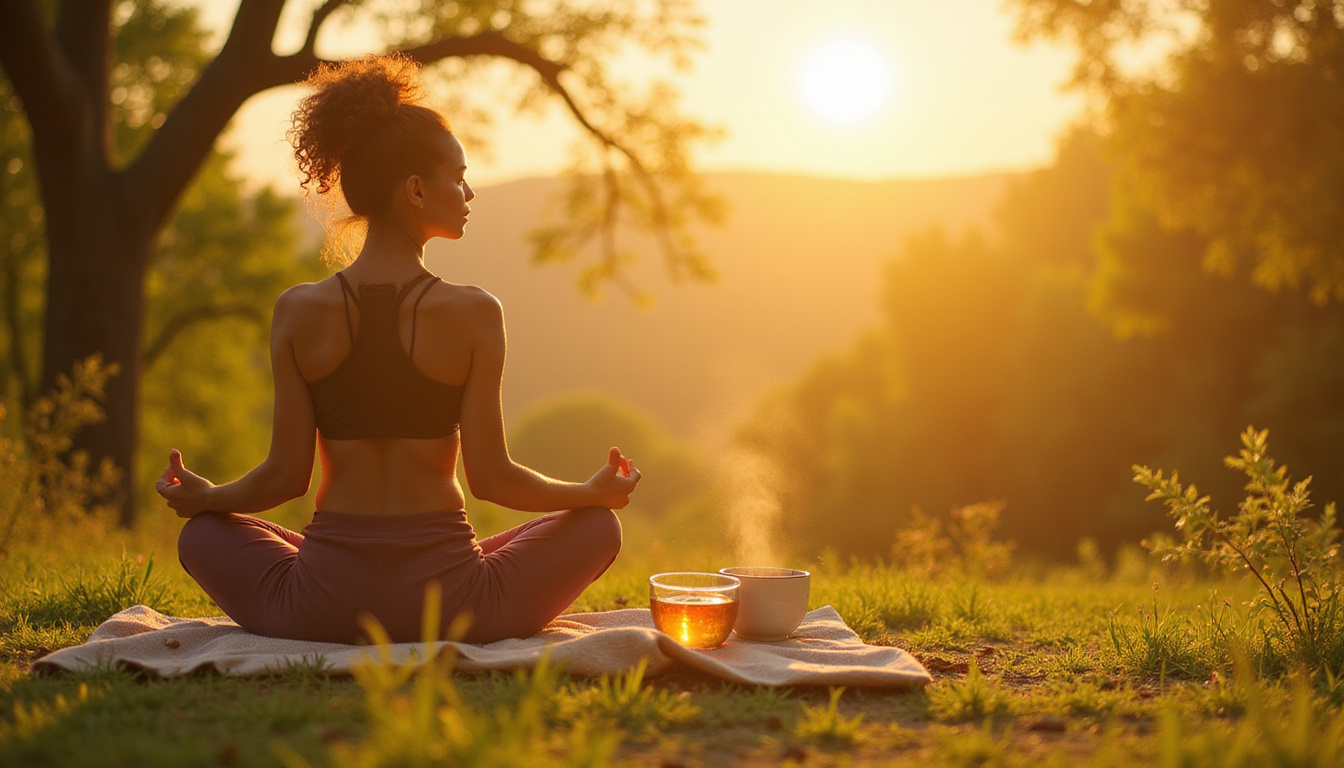
6. Track Your Cycle to Learn Your Patterns
Knowing when estrogen rises or falls helps you match symptoms with cycle days.
You can note:
- Cycle length and period dates
- Mood and energy changes
- Sleep quality
- Appetite and cravings
- Hair shedding or skin changes
Try a notebook, spreadsheet, or an app for cycle tracking. After two or three months, you may see patterns. For example:
- “I feel more anxious on cycle days 25 to 28.”
- “Hair shedding peaks around my period and then slows.”
- “Sleep is best in the middle of my cycle and worse before my period.”
When you see your pattern, you can plan extra rest or adjust your care during more sensitive days.
7. Practice Good Sleep Habits for Hormone Balance
Sleep helps every part of hormone work.
Try to:
- Set regular sleep and wake times (even on weekends)
- Stop screen use 60–90 minutes before bed to cut blue light
- Sleep in a cool, dark room – many feel best when it is a bit cool
- Wind down with quiet activities like reading, stretching, or a warm bath
Sleep problems during pre-menstrual or perimenopausal times may be strong, so combining these habits can help.
8. Think About Gentle Herbal and Nutritional Support (With Guidance)
Some choose extra support such as:
- Magnesium, which many use for sleep, muscle ease, and pre-period symptoms
- B-vitamins, especially B6 for symptoms before a period
- Herbs like chaste tree, sage, or black cohosh for symptoms during later years; use these with a professional’s help
Always speak with a health worker before trying new supplements if you have health issues or take other medicine.
9. Get Help from Health Professionals When Needed
Natural steps are strong but do not replace a doctor’s check. Ask for help if:
- Your periods are very heavy (soaking a pad or tampon every hour for several hours)
- Your periods are very painful or stop you from daily life
- You have sudden, severe hair loss or bald patches
- Low mood, panic attacks, or strong anxiety last a long time
- You face unexplained weight changes or extreme tiredness
Mixing lifestyle steps, topical care like Watermans Grow Me Shampoo, and help from a doctor usually gives the best long-term care.
Estrogen Changes Through Life Stages
Estrogen Changes in Your 20s and 30s
During these years, cycles often settle into a regular beat. Estrogen changes may bring:
- Pre-period signs like mood swings and cramps
- Hormonal acne
- Hair shedding with big stress, illness, or strict diets
A focus on balanced meals, stress care, and gentle hair and scalp care (such as using Watermans Grow Me Shampoo and the Watermans Hair Survival Kit every day) builds a strong base for lasting hormone health.
Estrogen Changes in Pregnancy and Postpartum
During pregnancy, estrogen and progesterone climb high, then drop fast after birth. Many notice:
- Fuller, glowing hair during pregnancy
- Noticeable shedding (telogen effluvium) around three to six months after birth
- Mood shifts, anxiety, or low mood
Postpartum hair shedding usually is a short-term change linked to shifting estrogen. Support your scalp and hair with a gentle routine like Watermans Grow Me Shampoo, a balanced diet, and as much rest as you can manage with your baby.
Seek help quickly if you see signs of postpartum depression or strong anxiety.
Estrogen Changes in Perimenopause and Menopause
Perimenopause can start in your 40s (or earlier) and lasts until periods stop. During this time, estrogen shifts may cause:
- Irregular cycles
- Hot flushes and night sweats
- Mood shifts, anxiety, or irritability
- Sleep troubles
- Gradual hair thinning and less volume
- Skin changes and dryness
Many find that a mix of:
- A balanced diet and routine
- Gentle topical care for hair and skin
- Stress care
- And sometimes medical treatments (discussed with a specialist)
supports a good quality of life. For hair, regular use of products like Watermans Grow Me Shampoo and the Watermans Hair Survival Kit helps keep hair full and the scalp healthy during these shifts.
FAQ: Estrogen Changes and Natural Support
1. How can I tell if my signs come from estrogen changes or another cause?
Keep track of your cycle and signs over several months. Patterns like mood drops before a period or more hair shedding after birth may suggest estrogen shifts. But these signs can also come from thyroid problems, low nutrients, or other conditions. If you feel worse, talk with your GP for tests and advice. Use natural steps alongside professional guidance.
2. Can estrogen changes cause hair loss, and what can I try naturally?
Yes, a sudden drop in estrogen (as seen postpartum, in perimenopause, or after great stress) can push more hair into the shedding phase. You may focus on a fiber-rich diet, stress care, and gentle hair care. For direct scalp support, many in Australia choose Watermans Grow Me Shampoo. This non-medical formula mixes Biotin, Rosemary, Caffeine, Niacinamide, Argan Oil, Allantoin, and Lupin Protein to energise the scalp and add body to hair from the roots:
👉 https://watermanshair.com.au/products/hair-growth-shampoo
Using it with the Watermans Hair Survival Kit adds a full routine with shampoo, conditioner, and leave‑in care:
👉 Watermans Hair Survival Kit
3. What natural steps can help keep estrogen shifts steadier?
You cannot stop estrogen shifts, but you can try to lessen their impact by:
- Eating whole foods rich in fiber and vegetables like broccoli, kale, Brussels sprouts, and cabbage
- Keeping a healthy weight and doing regular, moderate exercise
- Reducing stress with breathing exercises, light movement, and clear limits
- Getting consistent, good sleep
- Supporting the liver and gut with fiber, water, and less alcohol
- Using targeted, non-medical topicals for signs like hair thinning
Mix these steps with professional advice for a plan that suits you best.
Your Next Step to Easing Estrogen Shifts Naturally
You do not have to settle for sudden mood changes, disturbed sleep, hair shedding, and tiredness. Estrogen shifts are a normal part of life. With kind support, their effects can feel softer. Start today by tracking your signs, feeding your body well, and making small, steady changes in sleep, stress care, and movement.
If you notice hair thinning or increased shedding, add a gentle hair routine as a first step. Watermans Grow Me Shampoo gives a non-medical way to wake up the scalp and add body to hair from the roots with a mix of Biotin, Rosemary, Caffeine, Niacinamide, Argan Oil, Allantoin, and Lupin Protein:
👉 https://watermanshair.com.au/products/hair-growth-shampoo
For a simple routine approach, the Watermans Hair Survival Kit groups shampoo, conditioner, and a leave‑in scalp care product:
👉 Watermans Hair Survival Kit
Pair this routine with daily habits that support hormone balance, and you will reshape how estrogen shifts touch your body, from your scalp to your mind.